
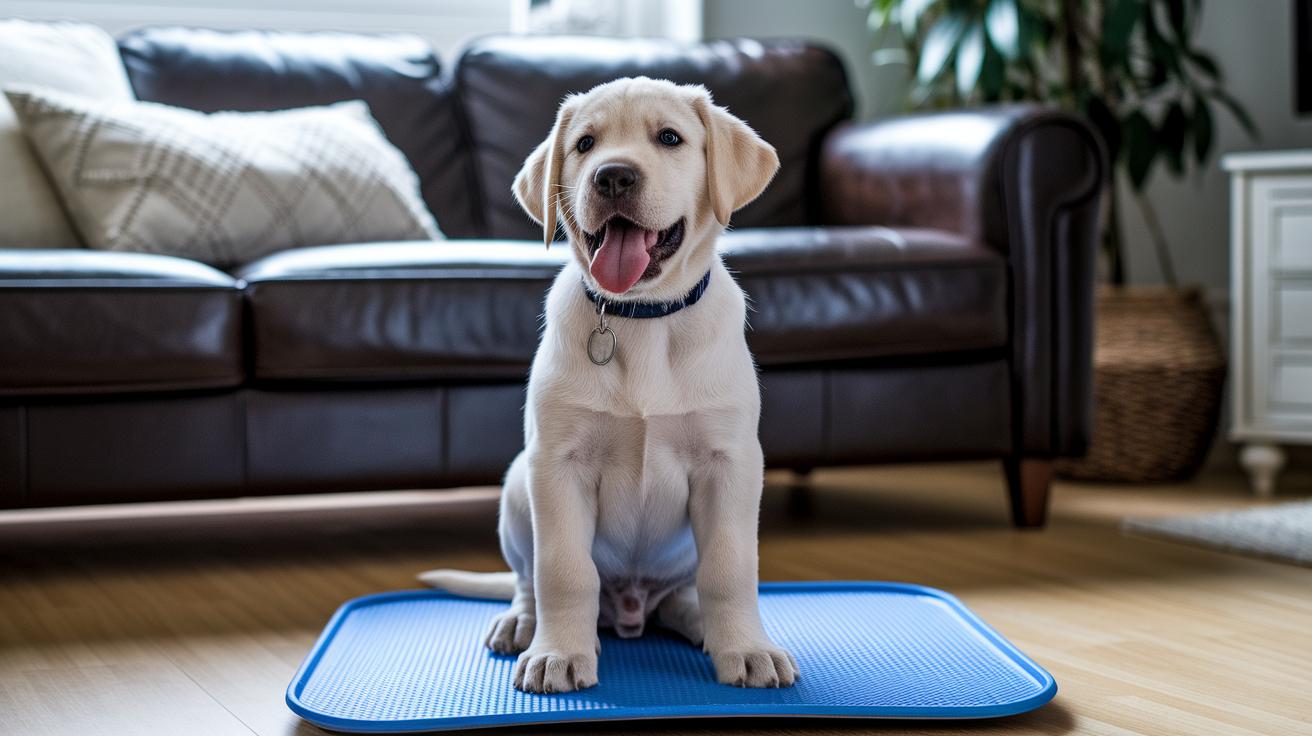
Ever wondered if your Labrador puppy’s very first day of house training could set the stage for a lifetime of good habits? When you kick things off with a simple routine and a clear cue word (a signal to go outside), you help build trust between you and your little buddy.
Each time you take your pup outside for just a few minutes, you create a friendly habit that cuts down on accidents while deepening your bond. It’s like hearing the soft patter of paws on the floor, a small step that means a lot.
This early routine gently guides your playful Lab toward a happy, confident start in life, making training and playtime a real treat for both of you.
House Training Essentials for Labrador Puppies
Begin house training on day one to set your Lab up for success. Consistency helps your puppy learn quickly that the outdoors is the right place to go. Try this simple tip: after dinner, take your pup to the same spot and say "outside." This builds a clear link between the word and the action, creating a friendly routine.
Starting with a routine builds trust and makes progress smoother. Labs are smart and love social time, so repeating simple steps with a positive vibe really pays off. In those first days when your little buddy might need breaks every 15 to 30 minutes, patience is key. Every little outing is a step toward happy beginnings for both of you.
- As soon as you get home, take your puppy outside using the same door and spot.
- Use the same cue word, like "outside," each time to reinforce the habit.
- Stick to a schedule by taking your puppy out after meals, drinks, play, and naps.
- Watch for signs like sniffing or circling that show your pup needs a break.
- Give a warm "Good dog" when your puppy goes outside.
- Keep an eye on your puppy when not in the crate to quickly manage any accidents.
Adding these steps into your daily routine creates a strong foundation for house training and deepens the bond with your pup. With regular practice, clear cues, and lots of praise, your Lab will soon master the art of going outdoors and start their training journey happily.
Setting Up a Crate for Labrador Puppy House Training
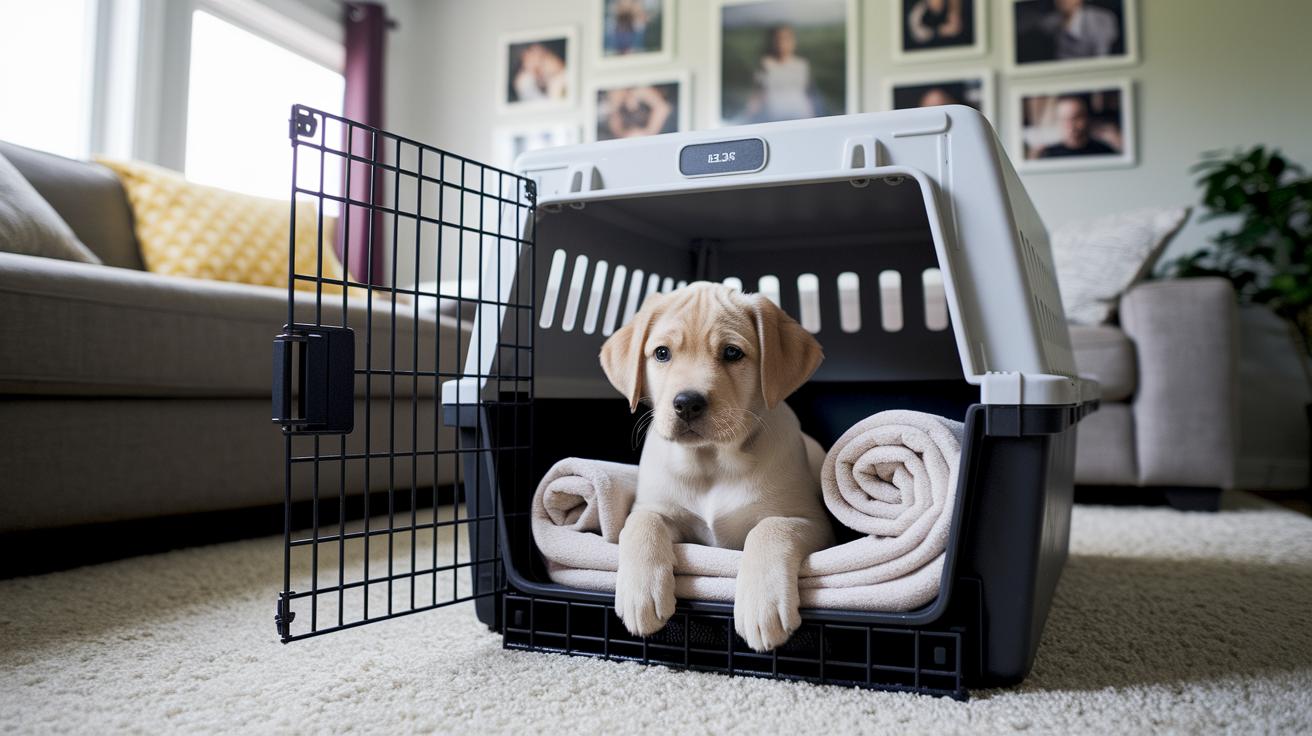
A good crate gives your little Lab a safe place that feels like their own cozy den. It should be just the right size so your puppy can stand, turn around, and lie down comfortably. A snug space helps keep accidents at bay and offers a warm nook for rest and play. Remember, the crate is meant to be a safe haven, not a punishment tool. That way, your pup will always think of it as a place of comfort and happiness. You can even use dividers or adjustable inserts to change the space as your puppy grows, making it a lifelong buddy for house training.
- Pick a crate that fits your puppy's size when standing, turning, and lying down.
- Place the crate in a busy part of your home so your pup feels included in family fun.
- Add dividers early on to create a snug spot for the first few weeks.
- Keep baby gates or playpens nearby for extra supervision when your pup is out of the crate.
- Always use the crate as a source of security and calm, and never as a form of punishment.
Start making the crate part of your everyday routine. Begin with short, gentle sessions and gradually let your pup get used to a longer time inside. Paired with regular outings and lots of positive words, you'll help your Lab build a steady and happy house training routine.
Establishing an Elimination Schedule for Labrador Puppy House Training
Starting a schedule early helps your puppy learn bladder control and know just where to go. Regular trips outside, set by a simple timer after meals, play, and naps, build a natural rhythm. This easy plan makes house training less stressful and more fun for both of you.
| Age | Max Hours Alone | Recommended Break Frequency |
|---|---|---|
| 6–8 weeks | 30 minutes | Every 30 minutes |
| 8–12 weeks | 1 hour | Every hour |
| 3–4 months | 2 hours | Every 2 hours |
| 4–6 months | 3–4 hours | Every 3–4 hours (day); 7–8 hours (night) |
| 6+ months | 7–8 hours | At bedtime |
As your Lab grows, you'll notice you can wait a bit longer between outings. Adjust the timer and break frequency to match their growing maturity and behavior. Early on, frequent trips outside help avoid accidents, while slowly lengthening the breaks at night builds confidence and bladder strength. Keep an eye on signs like sniffing or circling, and always take your pup out as soon as you see them. With time and little adjustments, this routine will naturally fit into your day, making house training both enjoyable and manageable.
Transitioning from Puppy Pads to Outdoor House Training for Labrador Puppies
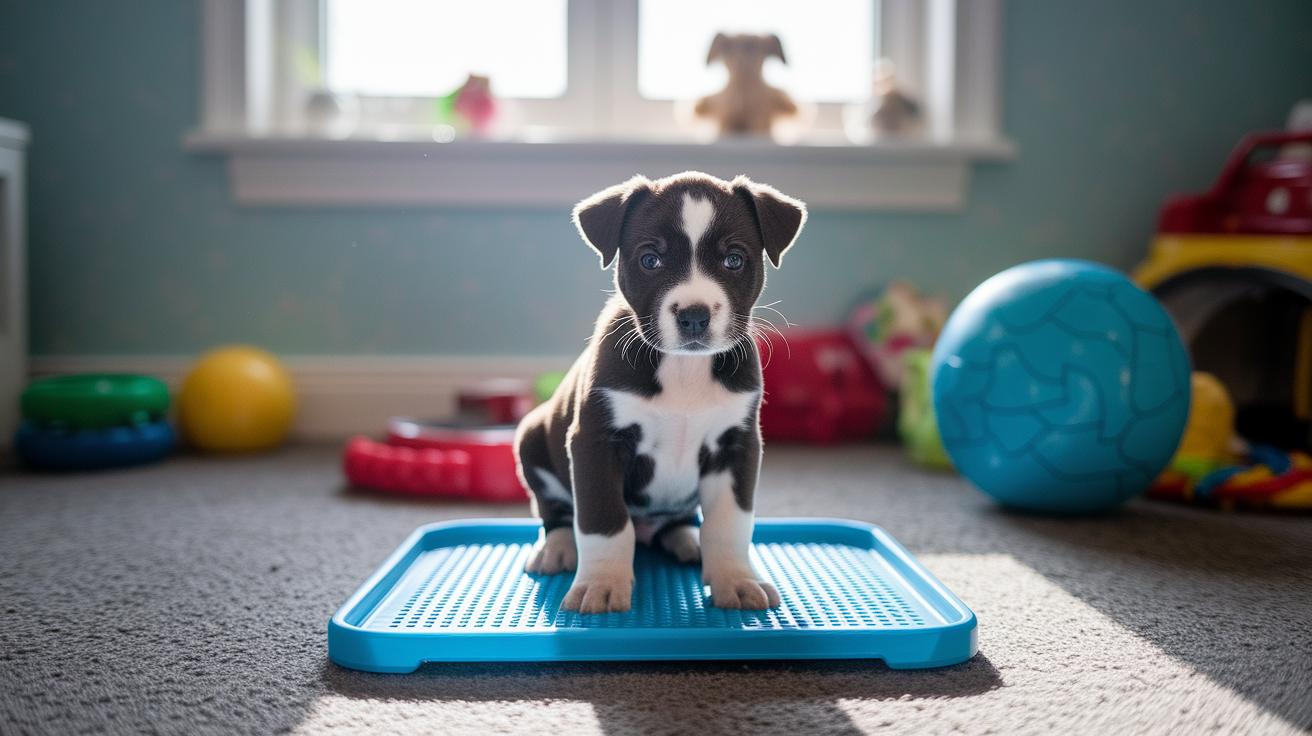
Introducing Puppy Pads
Puppy pads work great when your little lab can't get outside easily. They give your puppy a safe spot indoors to learn where to go potty. Start by placing a small pad where your pup likes to hang out. When your puppy uses it, spray a fun attractant and give lots of praise with a gentle pat. For example, after a snack, guide your pup over to the pad and say, "Good job!" This helps your puppy see that using the pad feels good, just like going outside.
Phasing Out Indoor Pads
Next, it's time to shift from the indoor pad to the great outdoors. Gradually move the pad closer to your door every day. Here’s how to do it:
| Step | What to Do |
|---|---|
| Step 1 | Move the pad a few inches toward the door each day. |
| Step 2 | Keep praising your puppy each time they use it correctly. |
| Step 3 | Place the pad right at the door so your pup starts stepping outside. |
| Step 4 | Once your puppy uses the pad reliably at the door, take the pad away. |
When your little buddy consistently goes outside without needing the pad, you know house training is on track. This gentle change teaches your puppy that outdoor potty breaks are the real deal, making home life happier for both of you.
Accident Prevention and Correction in Labrador House Training
Accidents happen, and that's okay. When one occurs, try to stay calm. Instead of scolding your little buddy, use a gentle, friendly voice, this helps your pup learn in a way that feels safe and clear.
• If you notice an accident in progress, calmly interrupt and take your pup outside right away.
• If you see a mess, clean it up using an enzyme cleaner (a special cleaner that breaks down odor-causing proteins) to keep those smells away.
• Look for hints like sniffing, circling, or soft whining, these can mean your pup needs to go.
• Gently guide your puppy using a consistent cue, rather than getting upset, so they know what to expect.
• When your pup does their business outside, offer lots of praise to show them they're doing the right thing.
Remember, learning takes time. With lots of patience and kind guidance, your puppy will slowly understand that outside is the best place to go.
Evening and Overnight House Training Tips for Labrador Puppies
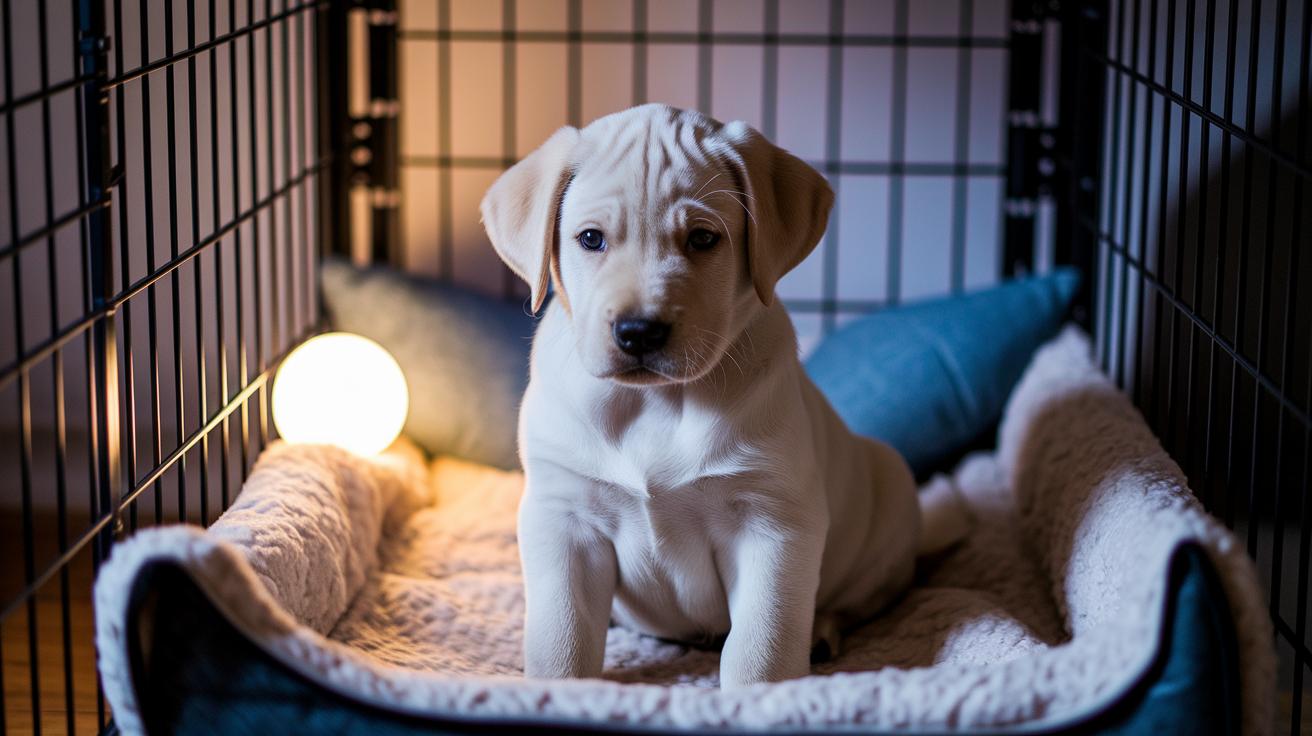
At about 7 to 8 weeks old, your little Lab is still figuring out nighttime routines. Their tiny body can only hold their pee for a short time, so you might hear soft whines or notice little fidgety moves when they need to go out. As your puppy grows, those breaks get longer, by 4 to 6 months, they might sleep through 7 or 8 hours without needing a potty break. Adjusting the schedule as they mature helps build their confidence and sets a clear nighttime routine.
A steady bedtime ritual makes evenings easier for both you and your pup. Start by taking away water about one hour before sleep time to help keep midnight trips to a minimum. Then, let your puppy have one last bathroom break right before settling into their crate. If there are any slip-ups, having puppy diapers or sleeping pads nearby adds an extra safety net. This calm, predictable routine helps your furry friend learn to sleep longer without interruptions.
- Remove water one hour before bedtime.
- Take your puppy out for a final bathroom break immediately before crating.
- Start with nighttime outings every three hours and slowly extend the time between breaks.
- Use a soft, calm voice during nighttime outings to keep the mood relaxed.
- Keep emergency supplies like puppy diapers or sleeping pads on hand if needed.
Reinforcing and Tracking Labrador Puppy House Training Progress
Keeping a training log lets you notice little patterns in your puppy's day, making it easy to tweak your routine whenever you need to. By jotting down when your pup goes, along with the wins and small mishaps, you build a clear picture that guides your next steps. It feels great to see progress, and celebrating even the tiny wins makes training feel like a shared joy.
Start by writing down each outing with the time and whether things went as planned. It's a fun way to see progress over time. Mark off days when there were no accidents, so you can see when things are really clicking. Over time, you might find that adjusting meal and potty times helps your pup get into a comfortable routine. And don’t forget to cheer on every success with a warm "Good dog" or a favorite treat.
Keeping this log helps you catch even small changes early and keeps the routine on track. As your Lab starts feeling more at home outdoors, these little habits grow into a strong routine filled with everyday victories and happy moments.
Final Words
In the action of house training your Labrador puppy, you now have a clear roadmap to follow. The article broke down essential tips like setting up routines, choosing the right crate, establishing an elimination schedule, and gently correcting mistakes. It also covered the shift from indoor pads to outdoors and offered simple nightly tips. Keeping a progress log ties every step together. Embrace these steps and watch your puppy progress. Labrador puppy house training brings rewarding moments and steady improvement each day.
FAQ
Q: What is a Labrador puppy house training schedule?
A: The Labrador puppy house training schedule means taking your pup out at regular intervals—especially after meals, naps, or play—right from the day they arrive home, helping build strong bathroom habits.
Q: What does Labrador puppy house training on reddit suggest?
A: The Labrador puppy house training advice found on reddit suggests starting early, maintaining a consistent routine, and rewarding your pup’s successes to naturally reinforce good habits and speed up progress.
Q: How does Labrador puppy house training at night work?
A: The Labrador puppy house training at night focuses on a nighttime routine with a final bathroom trip before crating, gradually lengthening the time between outings while reducing water intake before bed.
Q: How is a Black Labrador puppy trained for housebreaking?
A: The Black labrador puppy house training follows the same techniques as other Labs: consistent outdoor breaks, a secure crate, and gentle praise make it easier for your pup to learn where to go.
Q: How do you crate train a Lab puppy at night?
A: The crate training of a Lab puppy at night involves selecting a cozy crate, scheduling a last potty break before bedtime, and using positive reinforcements so that your pup feels safe and learns to sleep through the night.
Q: How long does it take to potty train a Labrador puppy?
A: The potty training timeline for a Labrador puppy typically spans between four and six months, with progress depending on consistent routines, timely bathroom breaks, and lots of positive reinforcement.
Q: How can you crate train a Labrador puppy?
A: The process to crate train a Labrador puppy starts with using a crate that’s just big enough for them, gradually pairing it with treats and praise, so the crate becomes a safe, happy space.
Q: How do you potty train a puppy?
A: The answer to how to potty train a puppy involves taking your pup outside after eating, drinking, and play, using the same door and cue, and rewarding them with praise when they go outdoors.
Q: Are Labradors easy to house train?
A: The ease of house training Labradors comes from their eager-to-please nature, though consistent routines and patient, positive reinforcement are key since every pup learns at its own pace.
Q: What is the 5 minute rule for Labradors?
A: The 5 minute rule for Labradors encourages you to take your puppy outside every five minutes in the early training stages, helping them gradually learn bladder control and solidify a routine.
Q: How do you train a Lab puppy not to pee in the house?
A: The technique to train a Lab puppy not to pee in the house involves close supervision, frequent outdoor excursions, and gentle redirection paired with praise and rewards when your pup goes in the right spot.