

Ever thought a crunchy carrot might be a fun boost for your pet’s health? You might be surprised how much goodness a simple veggie can pack. Carrots have vitamin A (which helps keep your pet’s eyes sharp), plus a mix of calcium, vitamin D, and vitamin E to support strong bones and a shiny coat.
In this post, we chat about how carrots can be a little treat that adds a burst of nutrition to your pet’s day. Imagine your furry friend getting a tasty, low-cal snack that makes mealtime a bit more exciting. Give it a try and see the joy in every crunchy bite!
Carrots as a Nutrient-Packed Treat for Pets
Carrots are a crunchy, colorful treat that can brighten your pet's day. They’re packed with vitamin A from beta-carotene (which helps keep your pet's eyes sharp), offering a real boost to their vision. And when you add the benefits of calcium and vitamin D, it's like giving a little gift to support growing bones and strong teeth, especially for young pups.
These veggie treats also come loaded with vitamins C and E. Vitamin C helps repair tissues, while vitamin E works to keep coats shiny and skin healthy. Plus, vitamin K is there to help with proper blood clotting and bone strength, making carrots a well-rounded snack.
B vitamins, such as B1 and B6, turn food into energy and support both the nervous system and a healthy heart. With only four calories per baby carrot and a touch of fiber, they even help with digestion and can be a smart choice for keeping weight in check. The satisfying crunch can naturally help clean teeth, though it’s no substitute for regular brushing.
Both raw and cooked carrots are safe for your pet when cut into bite-sized pieces. Remember, carrots should only fill up to 10% of your pet’s overall diet. So next time you’re looking for a low-calorie, nutrient-rich treat, think about adding some carrots to your furry friend’s snack time.
Key Nutrients in Carrots and Their Pet Health Benefits
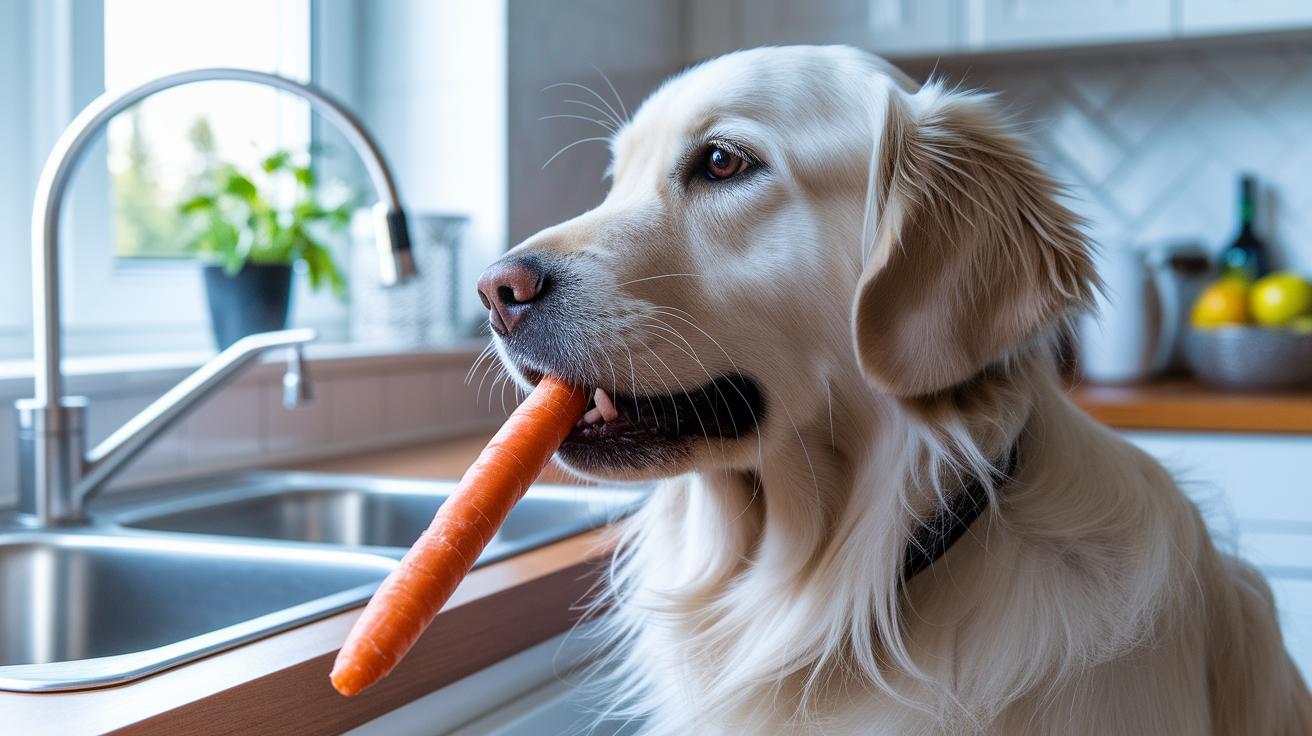
Carrots are a tasty treat packed with helpful nutrients that keep our pets happy and healthy. They offer plenty of Vitamin A from beta-carotene (a natural boost for sharp eyes and a strong immune system). Vitamin C lends a hand in healing by repairing tissues when needed, while Vitamins D and K work together to support sturdy bones and help with blood clotting.
The healthy shine on your pet’s coat might come from Vitamin E, which helps keep skin and fur in great shape. Vitamins B1 and B6 help turn food into energy and support both the nervous and heart systems. Plus, potassium plays a key role in keeping blood pressure steady and supporting heart and kidney function. And don’t forget the antioxidants and falcarinol, which help fight cell damage and slow down signs of aging.
| Nutrient | Function | Target System |
|---|---|---|
| Vitamin A (beta-carotene) | Boosts vision and strengthens immunity | Eyes and Immune System |
| Vitamin C | Helps repair tissues | Skin and Healing |
| Vitamin D | Builds strong bones | Skeletal System |
| Vitamin E | Improves skin and coat quality | Skin |
| Vitamin K | Aids in blood clotting | Circulatory System |
| Vitamin B1 | Supports energy metabolism | Nervous System |
| Vitamin B6 | Enhances heart health | Heart |
| Potassium | Regulates blood pressure | Heart & Kidneys |
| Antioxidants/Falcarinol | Fights cell damage and aging | Overall Health |
This overview shows how each nutrient in carrots helps your pet feel great while enjoying a crunchy, delicious snack.
Safe Serving Sizes and Preparation Methods for Pet Carrots
Carrots are a crunchy, low-cal treat you can share with your pet. They bring in a bit of fiber and that satisfying crunch while keeping calories low. Remember, carrots should only make up about 10% of your pet's overall diet. For example, 100 grams of raw carrots provide around 40 calories and just 0.2 grams of fat, a smart, light snack option.
Try cutting raw carrots into tiny pieces or grating them to lower the risk of choking. When you offer your pet these crisp pieces, they not only enjoy a hearty bite but may even help clean their teeth naturally. If your furry friend prefers something softer, give lightly steamed or cooked carrots a try. Cooking also helps with better nutrient absorption while still tasting yummy.
- Use small pieces or grated carrots for easier digestion.
- Frozen carrot chunks can work as supervised dental chews.
These simple tips let you safely treat your pet to the natural goodness of carrots, adding a gentle boost for their digestive health.
Potential Risks and Species-Specific Guidelines for Feeding Carrots

Carrots can be a tasty, low-calorie treat for your pet, but it’s important to keep safety in mind. Always chop them into small, bite-sized pieces so your pet doesn’t choke or face tummy troubles. Large chunks might be too hard to chew and could get stuck, causing blockages. Even with a crunchy snack like this, keep an eye on your pet for any signs of an upset stomach, a sudden diet change can sometimes cause minor digestive issues. Start with just a couple of tiny pieces and see how your furry friend reacts.
Not all pets handle carrots the same way. Dogs usually enjoy this healthy nibble, while cats may not get all the benefits because they don’t convert beta-carotene (a natural pigment that turns into vitamin A) very efficiently. Smaller animals need extra care with portion sizes too. Introduce carrots slowly into your pet’s diet and watch for any allergies or discomfort. Remember, carrots are only a small treat and shouldn’t replace a balanced diet. If your pet has any preexisting health conditions, it’s always best to chat with your vet before adding new treats.
Creative Carrot Treat Ideas and Recipes for Pets
Looking for a fun, healthy twist on mealtime? These easy recipes combine flavor and crunch in delightful ways. Picture mixing grated carrots into your pet’s meat-based wet food. Not only does it add extra fiber (a gentle helper for digestion) and moisture, but it also delivers a brand new taste sensation your pet may love.
You have a few playful options here:
- Stir grated carrots into hearty wet food for an extra fiber boost.
- Freeze carrot puree in ice cube trays to create cool summer treats.
- Offer raw carrot sticks alongside other crunchy veggies for a varied snack.
You can also bake homemade dog biscuits with carrots as the secret ingredient. Simply blend lightly steamed, cooked carrots into your biscuit dough and shape them into small treats. For an extra special snack, mix tiny raw carrot pieces with a bit of yogurt or pumpkin. This combo creates a textured treat that feels like a mini celebration on your pet’s palate.
Imagine serving these creative treats at mealtime, seeing your pet savor every bite. They’re not just nutritious, they turn snack time into a fun, interactive experience that warms your heart, much like the joyful purr of a contented cat.
Final Words
In the action, we explored how carrots pack essential vitamins for vision, immunity, and overall pet wellness. We broke down detailed nutrient roles, safe preparation tips, and fun treat ideas that keep feeding times exciting.
Our guide also covered species-focused guidelines and portion control, gently reminding us that every pet’s diet should stay balanced. Embracing the nutritional benefits of carrots for pets can add a delightful twist to your pet’s routine while boosting their health and happiness. Enjoy making every snack moment a positive, nourishing experience!
FAQ
How many carrots can a dog safely eat each day?
A dog can have a few small carrots daily, keeping treats under 10% of its overall diet. This means just a couple of baby carrots for a small pup, with larger dogs allowed a little more.
What benefits do carrots provide for dogs?
Carrots offer vitamins, fiber, and beta‐carotene. They help boost vision, improve digestion, and even clean teeth naturally as you chew, serving as a healthy, low‐calorie snack.
Are raw and cooked carrots both good for dogs?
Both raw and cooked carrots provide benefits. Raw carrots offer a satisfying crunch while cooked ones may allow better nutrient absorption, as long as they’re cut into small pieces to avoid choking.
How should carrots be prepared for dogs?
Carrots should be washed and cut into bite‐sized pieces or grated. Some pet parents even freeze the pieces to serve as a cool dental chew during warm days.
Are carrots good for a dog’s dental health?
Carrots naturally help clean a dog’s teeth with their crunch. They gently scrub away plaque, supporting dental care; for extra details, check the Pet Dental Health Care Guide.
Are carrots nutritious for pets and cats too?
Carrots offer key nutrients for dogs and can be given to cats in moderation. However, cats convert beta‐carotene less efficiently, so they should only have carrots as an occasional treat.
What makes carrots one of the healthiest vegetables for dogs?
Carrots are low in calories while rich in vitamins, fiber, and antioxidants. This combination supports vision, digestion, and even immune system health, making them a top vegetable choice for your pet.
How can carrots help pets with digestive issues like diarrhea?
The fiber in carrots can assist in firming stools and promoting regular digestion. Their low-calorie nature makes them a gentle, beneficial addition for pets needing digestive support.