
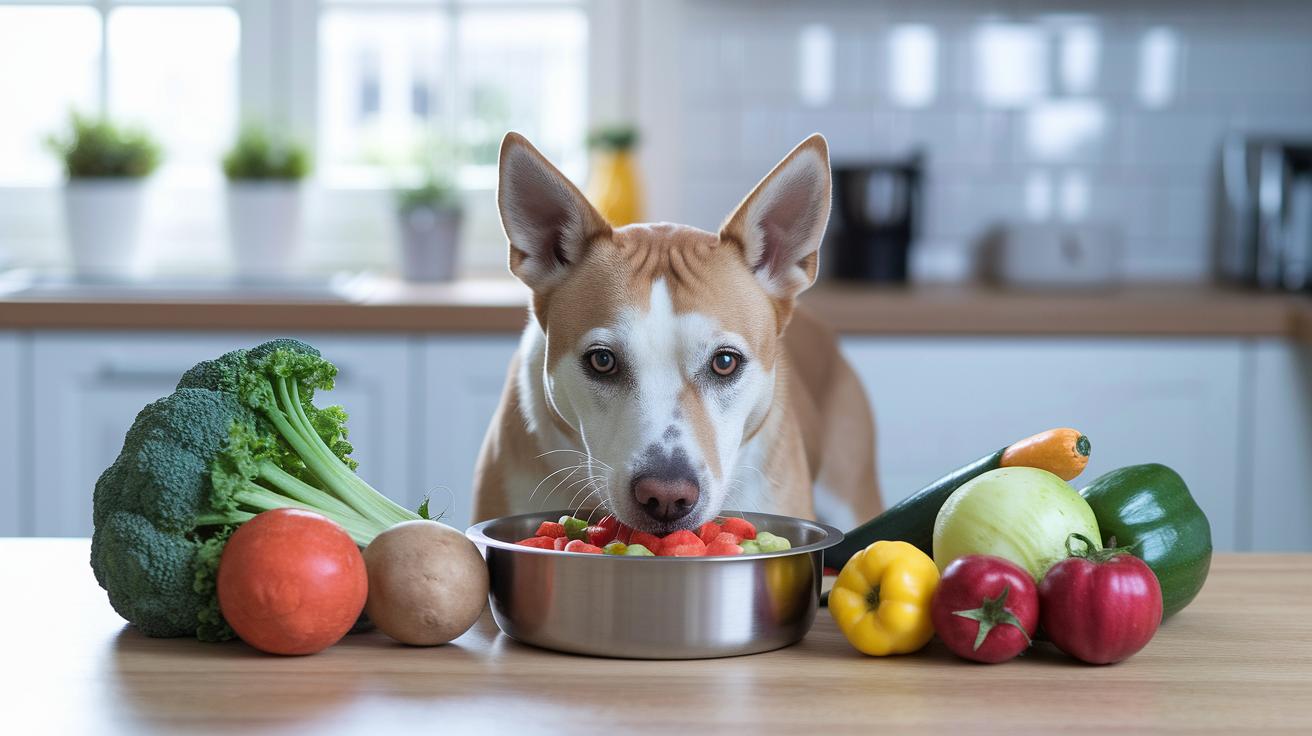
Ever thought your pet's meals might be slowing them down? Many pets end up carrying extra weight from what they eat, and that can make them feel less lively and playful.
Switching to a healthier diet could definitely bring back some pep in their step and even add more happy days to their life. Instead of a sudden change, try mixing in some better foods with their regular meals. This gradual switch helps your furry friend adjust without upsetting their tummy.
This gentle change, along with a bit of expert advice, can really help your pet thrive. Have you ever noticed how a little tweak in their diet can brighten up their day?
Foundations of Transitioning Your Pet to a Wholesome Diet
Switching your pet to a wholesome diet works best with gradual changes that respect their taste and tummy. Instead of a sudden change from one food to another, slowly mix the new food with the old over several weeks. Did you know that 56% of dogs and 60% of cats in the U.S. are carrying extra weight? That fact shows just how many furry friends face weight problems.
For dogs, being 10-30% above their ideal weight means they are considered overweight, and more than 30% tips into obesity. The same goes for our feline pals. The quality of their diet can affect how long they live, dogs can live around 10-13 years, cats 12-18 years, and even horses up to 25-30 years. Every meal you serve can help influence these numbers.
A balanced way of nourishing your pet isn’t only about what’s in the bowl. Regular exercise and careful portion control work hand in hand to keep your pet healthy. Picture your pet enjoying a meal routine with measured portions at set times, which helps prevent overeating and keeps their energy steady.
It also helps to chat with a pet nutrition expert, like a trusted vet, for advice that fits your pet perfectly. When you combine these holistic feeding practices with professional guidance, you’re on your way to creating a balanced, happy life for your furry family member.
Crafting a Gradual Dietary Adjustments Plan
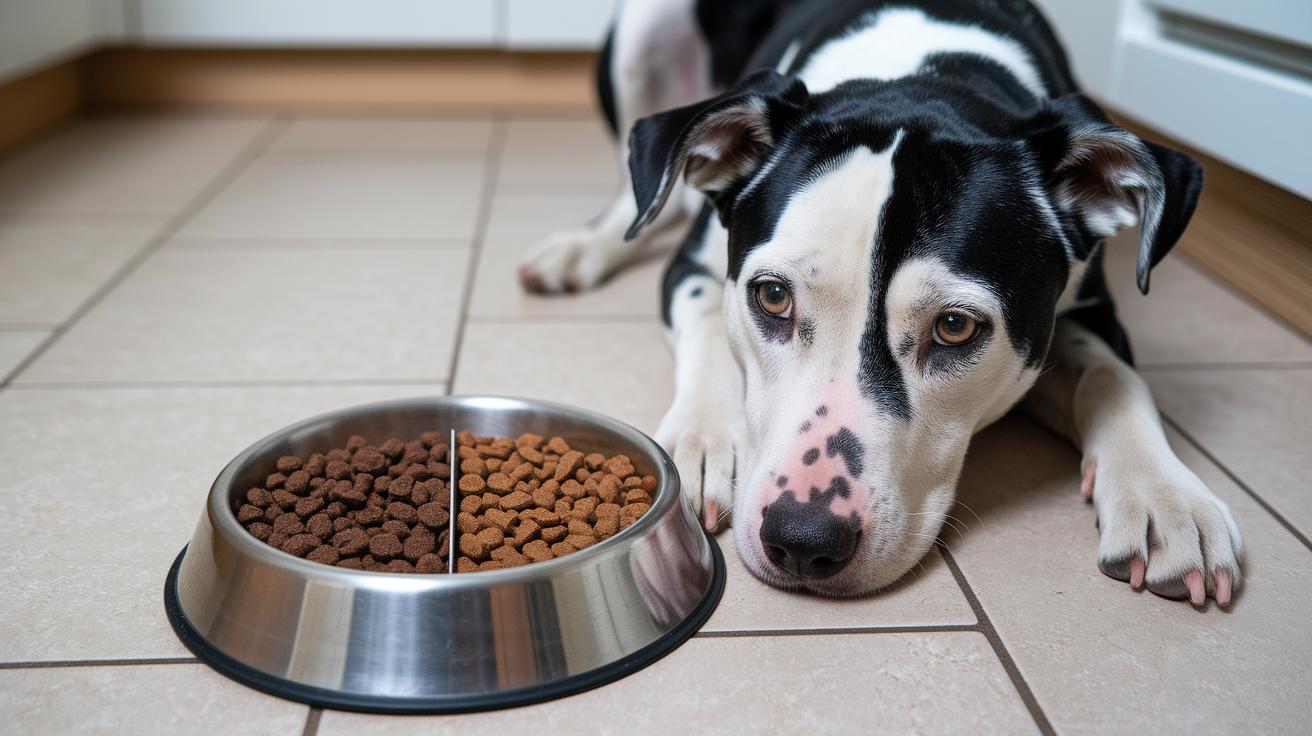
Switching your pet’s meal plan can be easy if you take it slow. Start with a gentle food conversion over about 21 days so your furry friend can get used to the new flavors while keeping their tummy happy. Keep an eye on their energy, how their poop looks, and their overall comfort along the way. If you notice a little upset, maybe softer stool or a bit of vomiting, take your time and stick with the current mix for a few extra days.
Here’s a simple, four-step guide to help you make the switch without any fuss:
-
Step 1: Days 1–7 – Mix 25% of the new food with 75% of the old food.
-
Step 2: Days 8–14 – Use an even mix, with 50% new food and 50% old food.
-
Step 3: Days 15–21 – Increase to 75% new food and 25% old food.
-
Step 4: Watch your pet closely each day for any tummy troubles and keep up a regular play or walk routine during this change. If your pet seems uncomfortable, slow down the change.
Stick with these steps and let your pet set the pace.
Evaluating Ingredient Quality for Wholesome Pet Meals
When you’re checking pet food labels, start by looking for named meats like chicken, beef, or fish near the top. This shows that your pet’s meal is made with quality protein sources. Also, keep an eye on the fat content, about 10-20% works well for dogs and 20-40% is good for cats. This mix gives them energy without piling on extra calories.
Next, check out the fiber and carbohydrate amounts. Fiber helps keep their digestion on track, and carbs give them a quick burst of energy. Be careful with ingredients called by-products or fillers, like corn or wheat gluten. They usually don’t add much nutritional value for your furry friend.
It’s also a good idea to spot whole foods in the ingredient list. Veggies like peas and carrots or fruits such as apples and blueberries bring natural vitamins and antioxidants in their own special way. For example, natural vitamin E acts as an antioxidant to help maintain your pet’s health without those synthetic additives.
Finally, compare the nutritional facts to make sure the food offers balanced nutrition. Look for options that avoid filler ingredients and focus on natural components. This simple habit can help you pick meals that keep your pet happy, healthy, and excited for mealtime.
Implementing Structured Feeding Schedules and Portion Control
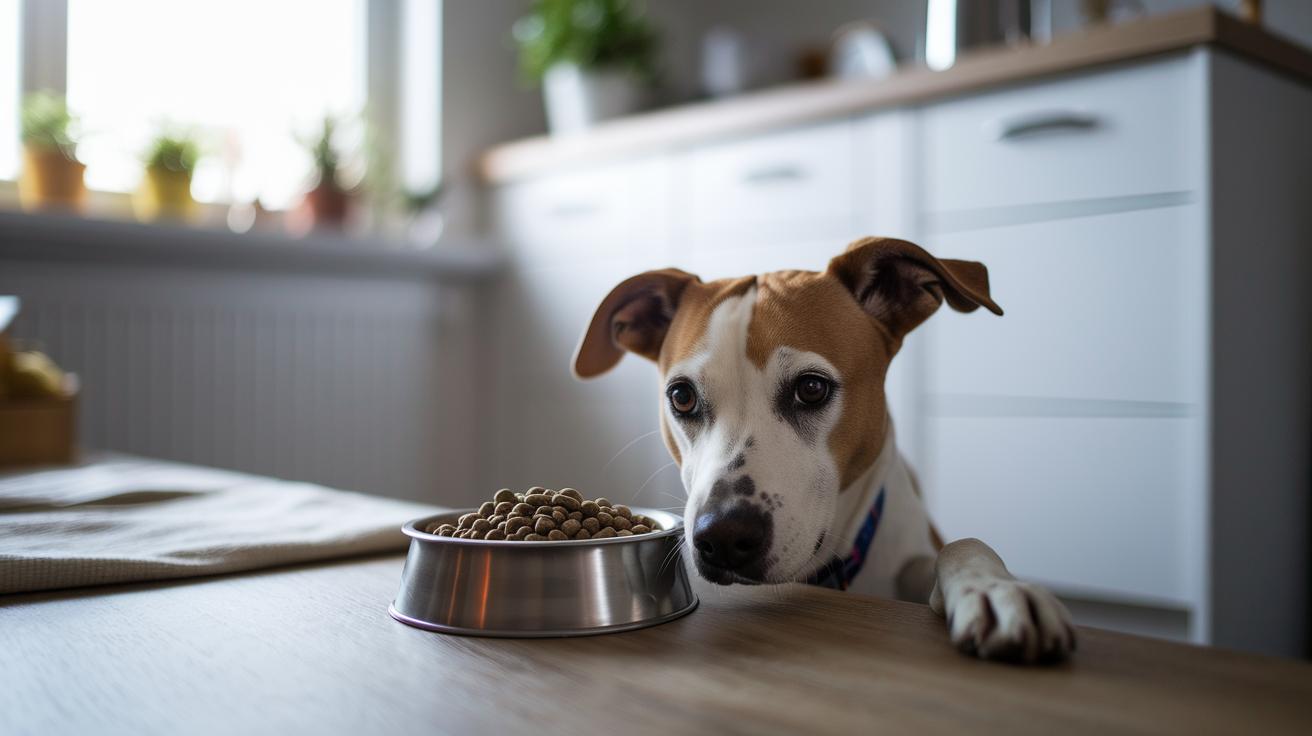
Sticking to a regular meal plan goes a long way for your pet’s tummy and overall weight. For grown-ups like dogs and cats, serving two meals a day creates a loving routine. Meanwhile, puppies and kittens do best with three to four smaller meals that keep them happy and energized.
Think of meal times as a cozy ritual. When you set specific times to feed, your pet begins to expect food, which helps cut down on the constant begging. Plus, it eases the transition to new foods and supports a healthy gut, imagine the soft crunch of kibble and a wiggly tail of approval!
When it comes to portions, a little math can go a long way. Most experts suggest about 30 calories per pound of body weight for maintenance (that’s just a starting point). Every week, check in to see if your furry buddy’s activity or preferences need a tweak. This careful planning turns feeding into a calm, enjoyable part of your day rather than a hectic scramble.
With a steady schedule and smart portion control, you set the stage for a balanced diet that boosts your pet’s overall health and zest for life. Keep an eye on your pet’s energy and adjust servings when needed, ensuring every meal is as joyful as the last.
Customizing the Wholesome Diet for Special Health Needs
Switching your pet to a healthy meal plan is a lot like tailoring a special recipe just for them. Each pet is unique, so you need to match their diet to their personal health needs. If your pet shows signs of sensitivity, try an elimination trial with a new protein and carbohydrate mix over 8 to 12 weeks. Start with a recipe that uses a protein your pet hasn’t had before, such as venison or salmon, and mix it with a gentle carbohydrate like sweet potato. Keep an eye out and see if there’s less itching or tummy upset, much like noticing how your body reacts to a new food.
If you still see signs of intolerance, a hydrolyzed diet might be the way to go. This type of diet breaks down proteins into smaller pieces, making it easier for your pet’s digestion. For older pets, softer kibble or a little extra moisture can lighten meal times, keeping digestion smooth and comfortable. And if you have a puppy, smaller, easily chewed pieces can support their quick growth and make snack time more fun.
Always have a chat with your vet before starting any new diet trick. They can help read the signs and suggest what’s best for your pet’s overall health. This mindful, step-by-step approach makes mealtime safer and happier for your furry friend.
DIY Wholesome Meal Recipes and Raw vs Cooked Diet Insights
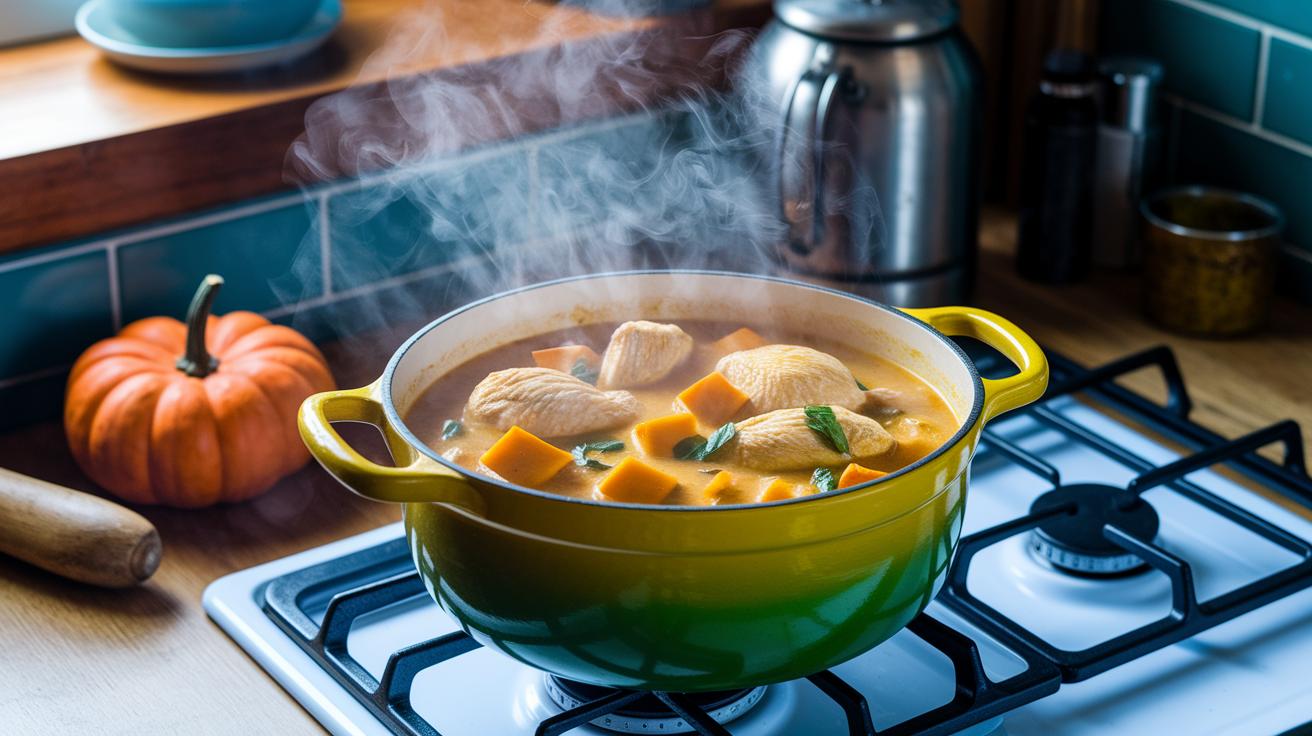
Imagine preparing a meal that feels like a warm hug for your pet. Give one of these home-cooked recipes a try. Start with a Chicken & Pumpkin Stew. This recipe uses about 25% protein and 5% fiber (helpful for muscle and tummy health). Imagine the soft simmer of chicken with sweet pumpkin, you can almost smell the goodness that makes it feel like home.
Next up, try a Beef, Carrot & Spinach Medley. This dish is a burst of color and flavor, built around lean beef for strength, crisp carrots for that fun crunch, and spinach to pack in important nutrients. Picture a pot bubbling with love, giving your pet the energy to run and play.
For a little extra boost of omega-3s (essential fatty acids that support a shiny coat and heart health), mix up a Fish & Sweet Potato Mash. The fish works wonders for coat and heart care while the sweet potato brings a gentle, natural sweetness along with vitamins. It's a simple, balanced meal that your furry friend will really enjoy.
Remember to keep the proper balance in each dish. A good tip is to mix calcium and phosphorus at about a 1.2:1 ratio. This helps support strong bones and healthy growth. Whether you serve these dishes raw or cooked, know that raw foods can help with coat shine and dental care, while cooked meals lower the risk of harmful germs.
Also, it's super important to keep your kitchen tidy. Always choose fresh ingredients, clean your prep area, and store any leftovers at 40°F or below to keep everything safe.
| Diet Type | Key Benefits | Major Precautions |
|---|---|---|
| Raw Diet | Better coat shine, healthier teeth | Keep it super clean, store carefully |
| Cooked Diet | Less chance of germs, easier digestion | Don’t overcook to avoid losing nutrients |
| Commercial Whole-Food | Easy to use, balanced mix of nutrients | Depends on the brand, always check ingredients |
Monitoring Success and Adapting Your Pet’s Wholesome Diet
It all starts by keeping a friendly eye on a few simple health markers. First, weigh your pet every couple of weeks and note how their body feels overall. This hands-on check can show you whether they're at a fun, healthy weight or if they might be picking up a few extra calories.
Next, take a peek at their stool. When it’s firm and nicely formed, that’s a good sign their tummy is handling the food well. But if you notice loose stools or an upset stomach, it might be time to scale back on the new food. Also, watch how playful and energetic they are. When your furry pal bounds around with extra pep, that means the diet is really boosting their energy. And don’t forget their coat, it should look shiny and healthy if everything’s going right.
Remember, about 80% of pets settle into a new diet within three weeks. So if you see any digestive upset, try a more gradual change or adjust the portion sizes a bit. And it’s always a great idea to visit the vet every three to six months for some expert tips. These regular check-ups help you fine-tune what goes into their bowl, keeping your pet happy, healthy, and ready for more adventures.
Final Words
In the action, we explored a clear path for transitioning your pet to a wholesome diet. We covered gradual dietary changes, step-by-step food conversion, how to read ingredient labels, and setting structured feeding schedules. We also touched on customizing meals for special health needs and even shared some DIY recipe ideas. Each step is designed to support your pet's weight management, well-being, and longevity. Embrace these ideas with enthusiasm, and enjoy watching your pet thrive on this nourishing change.
FAQ
What are the symptoms of changing dog food too quickly?
Changing dog food too quickly may result in signs like loose stool, vomiting, or discomfort. These symptoms indicate your pet’s digestive system is struggling to adjust.
How can switching dog food without mixing affect my pet?
Switching dog food without mixing old and new types might lead to upset stomach and diarrhea. Gradually combining the foods helps your pet adapt smoothly to the new diet.
Is there a dog food transition calculator or chart available?
A dog food transition calculator or chart provides step-by-step mixing ratios—starting with 25% new food, then 50/50, and finally 75% new—to guide a safe and gradual change in your pet’s diet.
Can changing dog food kill a dog?
Changing dog food too abruptly could cause severe digestive upset, but it rarely proves fatal. A gradual transition minimizes risks and supports your pet’s overall health.
How can using pumpkin help when switching dog food?
Using pumpkin in the transition can soothe your pet’s stomach and add fiber. Introducing a small amount with the new food may help ease the digestive change.
How do I switch dog food without causing diarrhea?
Switching dog food without causing diarrhea means blending the new food with the current one over two to three weeks, while observing your pet’s stool for signs of digestive upset.
Is there a cat food transition chart available?
A cat food transition chart offers similar gradual mixing steps as for dogs. Slowly increasing the ratio of new food over two to three weeks helps maintain safe digestive changes.
How do you transition to pure pet food?
Transitioning to pure pet food means gradually replacing the old diet with a new, wholesome one over a few weeks. This approach helps your pet adjust comfortably to the change.
What does the 80/20 rule for dog food mean?
The 80/20 rule for dog food signifies using a blend where 80% is one type of food and 20% is another, supporting a smoother switch in diet as your pet adjusts.
What is the 25 rule for pet food?
The 25 rule typically means starting the transition by mixing in 25% new food with 75% old food. This gradual approach eases your pet’s shift to a new diet safely.
How do I transition dogs to fresh food?
Transitioning dogs to fresh food involves slowly increasing the amount of fresh ingredients over two to three weeks, monitoring for digestive issues, and keeping a consistent feeding schedule.