
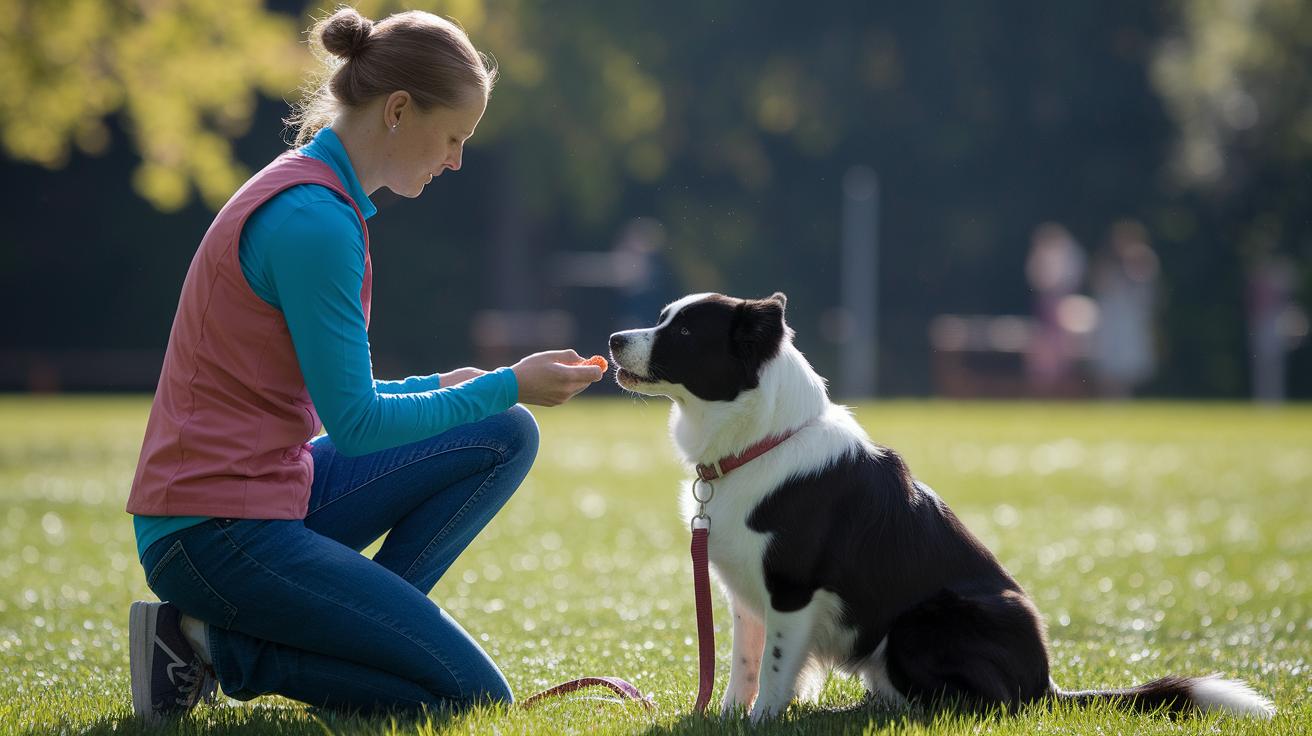
Ever wonder if training your pet can be as fun as playing together? Using positive reinforcement means offering gentle words and yummy treats when your pet behaves well. This friendly approach builds trust and shows them exactly what you mean. Picture your dog, tail wagging excitedly for that treat, or your cat happily accepting a loving head pat. In this post, we'll share simple steps to make training sessions joyful and stress-free for both you and your furry friend.
Mastering positive reinforcement pet training: step-by-step success guide
When you train your pet using positive reinforcement, you are simply giving them a little reward whenever they show a behavior you like. Imagine your dog sitting down and, with a big smile, getting a tasty treat along with a heartfelt “good job!” That moment helps your pet understand exactly what you expect.
This method is all about using treats and friendly praise instead of scolding. It makes training feel fun and safe for both of you. When your pet learns that doing the right thing means a quick reward, every little moment becomes a chance to learn and grow together.
| Benefit | Description |
|---|---|
| Builds Trust | Your bond deepens as your pet learns to connect good actions with positive outcomes. |
| Speeds Learning | Quick rewards help your pet remember and repeat the behavior. |
| Reduces Stress | A calm session full of kind words and treats keeps anxiety low. |
| Clear Communication | Consistent cues and rewards make what you expect very clear to your pet. |
| Encourages Repetition | With each success, your pet feels encouraged to do it again. |
| Makes Training Fun | Every session turns into a light-hearted conversation between you and your furry friend. |
This friendly approach is built on science, patience, and plenty of practice. Research tells us that a rewarding nudge, a small treat or an upbeat cheer, helps strengthen the brain pathways linked to the behavior. It’s like each reward becomes a stepping stone that boosts your pet’s confidence while keeping stress at bay.
Keep your training sessions short, just a few minutes at a time, so your pet isn’t overwhelmed. Over time, these little moments add up, turning simple actions into strong habits. Have you noticed how a burst of praise can brighten your pet’s day? That’s the magic of this positive method, turning everyday interactions into warm, loving lessons.
Essential rewards and tools for positive reinforcement pet training
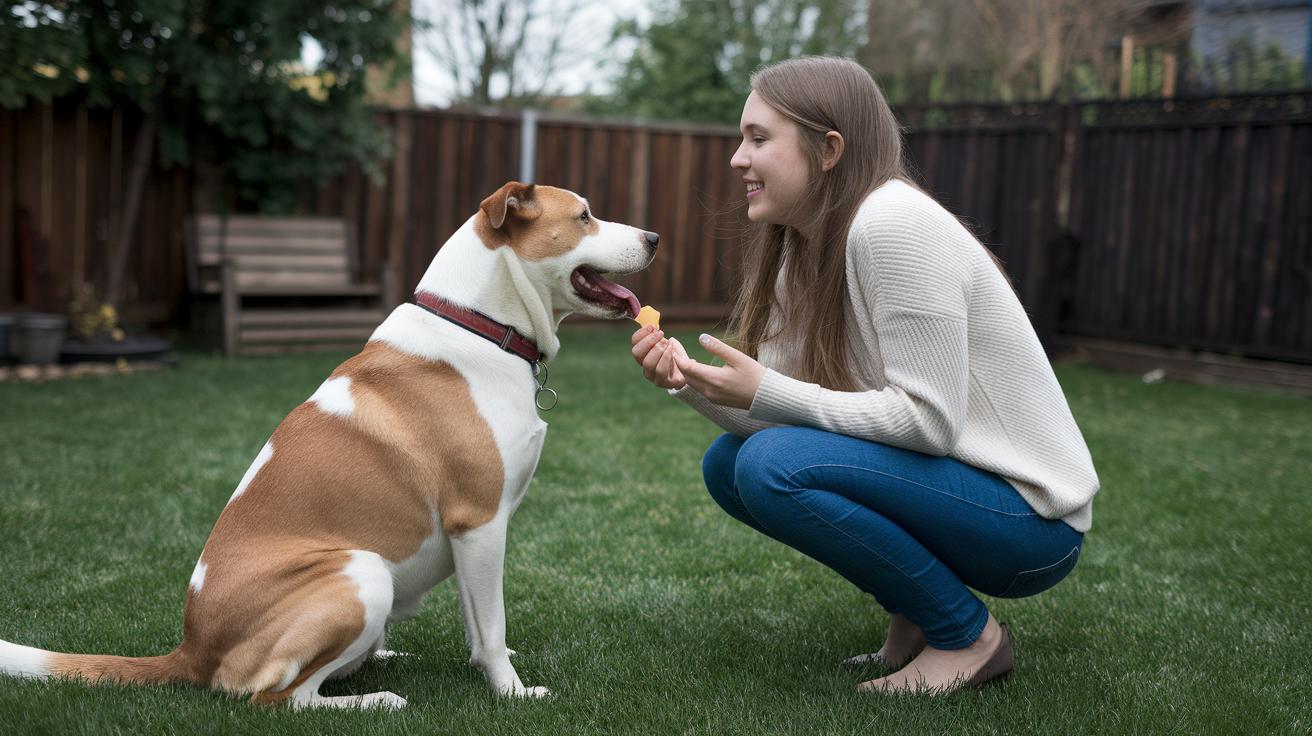
When you're teaching your pet, tasty treats can work wonders. High-quality goodies like kibble, cheese, chicken, or even a dab of peanut butter make a big difference. The key is to hand over the reward right after your pet shows the desired behavior. For example, when Max sits on command, give him a small piece of cheese immediately. This quick response helps him connect his good behavior with a reward, making each training session feel fun and exciting.
Besides yummy treats, try mixing in other rewards to keep things fresh. A favorite toy, a few kind words, or a clicker cue to mark the success can be just as effective. Imagine Lily looking up at you when she hears a command, and the clicker marks her achievement perfectly. This variety not only spices up the routine but also helps you figure out which reward lights up your pet's day best.
If your pet shows little interest in standard treats, adjust your approach. You might want to cut back on meal portions or switch to low-calorie options. A pea-sized treat is usually enough to keep the behavior linked to a reward without piling on extra calories. In truth, even a tiny reward given right after a positive action can keep your pet engaged and happy.
Step-by-step behavior shaping in positive reinforcement pet training
Start with the basics: really get to know your pet, be consistent, keep your cool, and repeat what works. Think of pet training like building a bridge, one solid plank at a time. Picture yourself calmly guiding your furry friend during a fun play session, celebrating each little win with a tasty treat. This method not only helps your pet learn new tricks but also deepens the trust between you.
-
First, clearly define what behavior you want to see. It’s like setting a simple rule for your dog; if you want them to sit, just say "sit" so they know exactly what action you expect.
-
Next, pick a special marker, a clicker or even a quick word like "yes!", that tells your pet they’ve done something right. This means they learn the exact moment when they earn a reward.
-
Then, give them their reward immediately after that marker. The timing is key. Imagine the joy on their face when they get a delicious treat right after following your cue perfectly.
-
Slowly, raise the challenge. Start by rewarding a basic version of the behavior and, little by little, add more steps. It’s a bit like putting together a puzzle, piece by piece, the complete picture emerges.
-
Finally, once your pet is more confident, begin reducing the number of treats and visible cues. Keep rewarding them occasionally to make sure the behavior sticks without relying solely on treats.
Keep your training sessions short, around 5 to 10 minutes, and aim for two to three sessions each day. Tracking your pet’s progress lets you adjust the challenge as they improve, keeping every session both fun and effective.
Common mistakes to avoid in positive reinforcement pet training
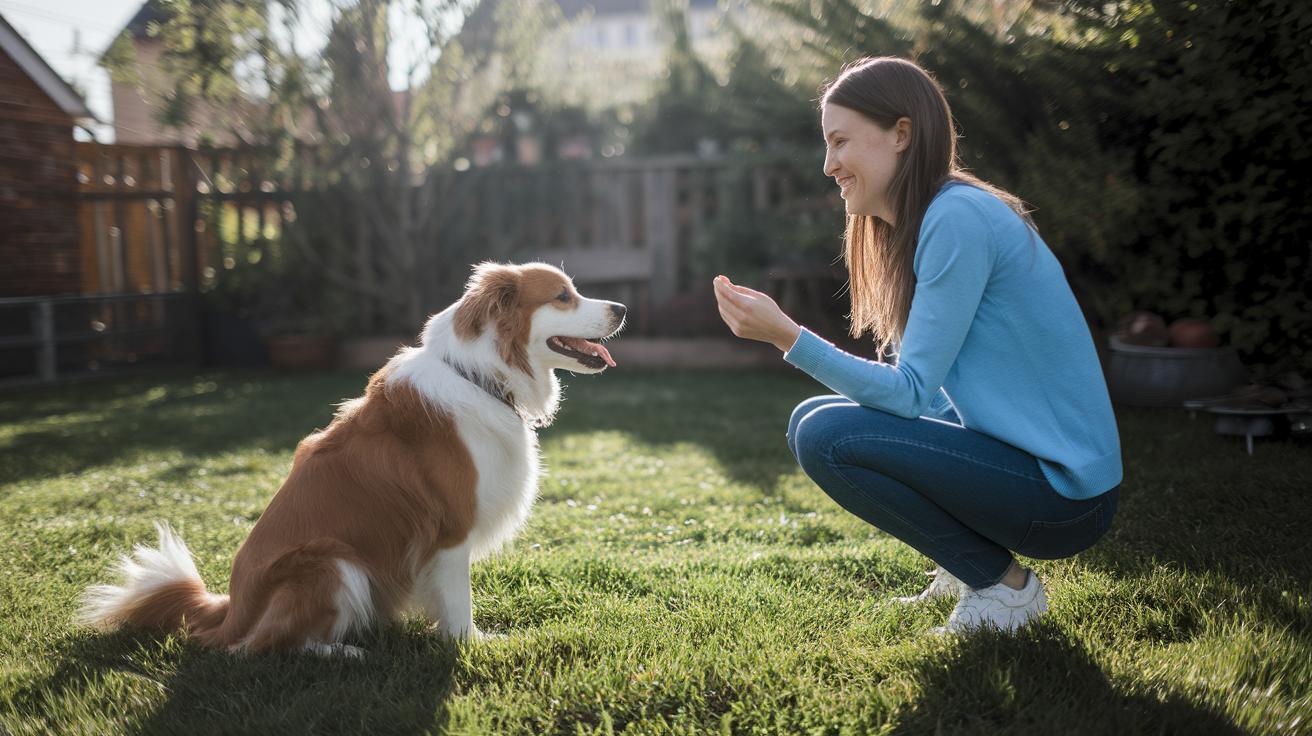
Using punishment or tough corrections can really harm the trust you’ve built with your pet. When you yell or use rough actions, they get confused about what you want. And when family members give mixed signals, like one saying “good job” while another says “no”, it only adds to the confusion and stress for your furry friend.
Over-rewarding with treats is another common mistake. Too many treats may lead to weight gain, which can make your pet feel sluggish and unhealthy. Also, if you skip marker words like “yes” or delay handing out a treat, your pet might not connect their good behavior to the reward. Keeping your reinforcement clear, on time, and mindful of their health helps maintain a warm and respectful bond with your companion.
Adapting positive reinforcement pet training for dogs and cats
Positive reinforcement for dog training
Training your dog with positive vibes can be a fun adventure. Pick treats that are just right for your pup’s age and breed. For little puppies, try small, chewy goodies that are gentle on their tummy. For adult dogs, a bit of chicken or a special biscuit can really light up their training time. Using a clear marker, like a clicker or a cheerful word, right after they do something right makes it easy for them to know what’s expected. Picture your happy pup getting a joyful “yes!” at the perfect moment; it turns every command into a mini celebration.
As you go along, start with simple commands and then slowly add more steps. This gradual approach builds your dog’s confidence and shows them that each new trick comes with its own tasty reward. That little click or kind word becomes a signal that not only confirms good behavior but also invites them to try something new. It’s easy to see your dog eagerly waiting for that sound, ready to impress you with every accomplishment.
Positive reinforcement for cat training
Cats have their own charming way of learning, so keep their training sessions short, just about 3 to 5 minutes works best. Use treats that make their whiskers twitch, like small tuna bits or a sprinkle of catnip from a fun toy. When your kitty shows a trick, such as sitting or offering a paw, reward them right away. This gentle approach helps them connect their cute actions with a delicious reward.
Pair these rewards with a friendly marker, maybe a soft “good” or a quick click, to catch their attention. Keep each session light and playful without any pressure, and soon, these short bursts of training will build a foundation for more predictable and cooperative behavior. Imagine your cat curiously responding to a gentle cue and earning a small morsel; it’s a simple, effective way to create a bond filled with trust and playful joy.
Creating the ideal setting for positive reinforcement pet training
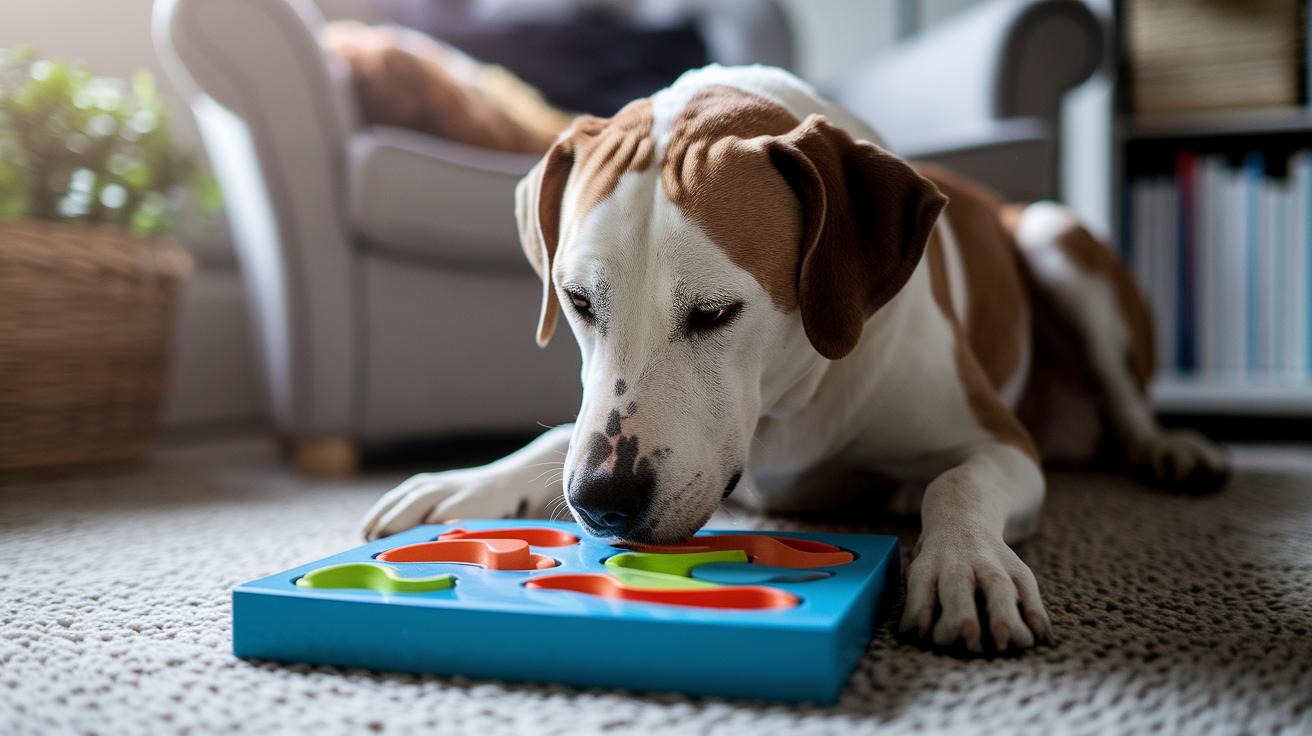
Start with a quiet space where your pet can focus. Imagine a cozy room away from busy hallways where every gentle reward hits home. Picture your furry friend enjoying a treat in a calm spot with soft background music. It’s a peaceful setting that makes learning fun.
Next, consider adding calming aids. A pheromone diffuser or a natural supplement (which can help ease anxiety and sharpen focus) works wonders in creating a safe environment. It’s like setting up a mini tea break for your pet, small comforts that really reduce stress during training.
Then, bring in some interactive enrichment. Use toys, puzzles, or even DIY outdoor play ideas to keep things lively. Imagine a treat hidden inside a puzzle toy, turning training into a fun little adventure. These playful touches make each session feel like game time, filled with smiles and positive vibes.
Tracking long-term progress in positive reinforcement pet training
Keeping a training log is like having a little diary for your pet. Write down the behaviors you notice, especially those moments when your pet lights up with a positive response. Note down success rates and when you give out rewards. This simple record helps you spot patterns and figure out if you need to tweak your reward plan. For instance, you might discover that a special treat really helps your pet nail a command.
As your pet masters a skill, it's a good idea to gradually ease off on the treats. Slow reductions, with the occasional treat still being offered, remind your pet of the good behavior while building confidence. This gentle method keeps the training stress-free and helps the behavior stick even when rewards are fewer. It's all about finding that natural balance between motivation and independence.
And hey, celebrate every little win! Jot down when your pet performs a fresh trick or uses a learned command, whether it's during playtime with the family or in a new setting. Not only does this tracking help you adjust your reward strategy, but it also turns each milestone into a moment of joy. Every entry in your log is a little celebration, setting the stage for long-lasting training success.
Final Words
In the action of refining pet training methods, our post laid out a clear, reward-based guide that builds trust and makes learning fun. We walked through selecting tasty treats, setting up a calm training spot, and step-by-step behavior shaping. We also shared tips on sidestepping common mix-ups while tracking progress. Remember, using a method like how to train your pet with positive reinforcement can bring joy and success to your daily routines. Every small win helps strengthen that special bond.
FAQ
How to train your pet with positive reinforcement at home or as seen on Reddit?
Training your pet with positive reinforcement means using rewards like treats and praise immediately after the right behavior, whether at home or following popular Reddit tips. It builds trust and makes training fun.
How does dog training with positive reinforcement compare to correction?
Comparing positive reinforcement to correction, the former focuses on rewarding good behavior instead of punishing mistakes, which helps clear up confusion and strengthens the bond between you and your dog.
What are some positive reinforcement dog training examples?
Positive reinforcement dog training examples include offering a small treat or kind words when your dog sits correctly, using a clicker to mark the behavior, and praising them immediately.
What is negative reinforcement in dog training?
Negative reinforcement in dog training means taking away an unpleasant stimulus when your dog performs a desired action. This strategy is different from adding rewards and focuses on easing discomfort.
Where can I find positive reinforcement dog training near me?
Finding positive reinforcement dog training near you may involve checking local pet supply stores, veterinarian recommendations, or an online search for trainers who specialize in reward-based methods.
How do you use positive reinforcement to train your dog?
Using positive reinforcement to train your dog involves clearly defining the desired behavior, immediately rewarding with treats or praise, and consistently practicing to help your pet learn the new action.
Can you train a dog with only positive reinforcement?
Training with only positive reinforcement builds trust and encourages learning; by rewarding good behavior without using punishment, you help your dog feel confident and keep the sessions enjoyable.
What are the 3 P’s of dog training?
The 3 P’s of dog training typically refer to patience, persistence, and positivity, showing that calm guidance, consistent effort, and a positive attitude are key to successful training.
Does Cesar Millan use positive reinforcement?
Cesar Millan is known more for focusing on energy management and firm guidance rather than relying solely on positive reinforcement; his methods blend rewards with other discipline techniques.
Are there positive reinforcement dog training PDF guides available?
Positive reinforcement dog training PDF guides offer clear, step-by-step instructions and examples. Many pet training websites provide these free resources to help you understand and use reward-based methods.