

Have you ever seen how a sweet word can brighten a rescue pet’s day? When a pet with a rough past gets gentle, reward-based training (using treats and kind words), every little win builds trust and stirs hope.
This article shares seven cheerful ways to help rescue pets feel safe and loved. You'll learn how to use yummy treats, warm praise, and short play sessions to ease old fears. In truth, these steps build a strong bond between you and your furry friend.
Let’s explore these ideas together and turn tough memories into joyful moments.
Overview of Effective Positive Training Methods for Rescue Pets
Positive reinforcement training transforms rescue pets by celebrating each little win. It’s especially great for pups with a rough past or those showing signs of trauma. You use tasty treats like fresh, single-ingredient bites paired with kind words or gentle pats to let your pet know that every good action counts. Short sessions of 5 to 10 minutes keep things fun without overwhelming your furry friend. This training turns tough memories into happy, new experiences for pets with special needs.
Reward-based training builds a strong bond through steady, gentle feedback. Every little session is a chance for your rescue pet to pick up simple commands, feel appreciated, and learn social signals. Techniques like heartfelt praise and playful, structured activities help their behavior improve over time. By pacing the lessons to match your pet’s comfort, you create a routine that boosts trust. Whether you’re doing trust-building games or using a crate to encourage calm, every step is part of a caring plan that respects your pet’s unique past.
- Trust-building exercises
- Crate training
- Clicker use
- Treat-based rewards
- Verbal praise
- Short sessions
- Consistent routines
These seven techniques work together to create a safe space where rescue pets feel confident and excited to learn. Every positive moment brings you closer, making both you and your companion happier.
Building Trust with Gentle Training Techniques for Rescue Pets

When a rescue pet has faced hard times, spending quiet moments together can work wonders. Imagine you and your pet resting side by side in your favorite cozy spot. These simple moments help ease old fears and make them feel safe.
Taking it slow is key. Use soft, encouraging words like "Good job!" when they respond with interest, and give a gentle pat to show you care. Setting up a regular routine, like a short walk or a calm cuddle session, helps them know what to expect. For example, during a walk, try saying, "Let’s take it slow," to invite a calm pace and gentle exploration.
Over time, these kind and steady actions build a strong, loving bond. Your rescue pet will learn to trust you, feeling secure and loved in their new home.
Step-by-Step Clicker and Treat-Based Training Guide for Rescue Pets
Clicker training is a fun, simple way to let your rescue pet know when they’re doing something right. You use a quick click sound to mark a good behavior and then follow it up with a yummy treat. The ritual turns learning into a joyful game. Keep sessions short, about 5 to 10 minutes, so your pet stays interested and isn’t overwhelmed. High-value treats, like those tasty single-ingredient beef lung bites, really boost their motivation.
Clicker Training Basics
Start in a calm, quiet spot. Let your pet hear the clicker, and then immediately reward them with a treat. Whenever your pet shows that desired behavior, click right on cue and offer a treat. This timing helps build a strong link between the sound and the reward. You can even add a cheerful “Great!” after the click so your furry friend clearly connects their action with your praise.
Treat-Based Instruction
When picking treats, choose small, healthy bites your pet finds irresistible. Keep a stash nearby so you never break the training flow. It’s a delight to watch your pet eagerly await a treat, a real-life reminder of how well-timed rewards work. For example, after you click, show them a treat and say, "Here's your reward!" so they know that good behavior gets a tasty bonus.
- Start each session by showing your clicker and offering a handful of their favorite high-value treats.
- Click and offer praise immediately when your pet does something you appreciate.
- Keep sessions brief, around 5 to 10 minutes, to maintain focus and fun.
- Slowly introduce more challenging tricks while keeping the treat rewards steady.
- Watch your pet’s reactions and adjust the timing of clicks and treats as needed.
Managing Behavioral Challenges in Rescue Pets with Positive Approaches
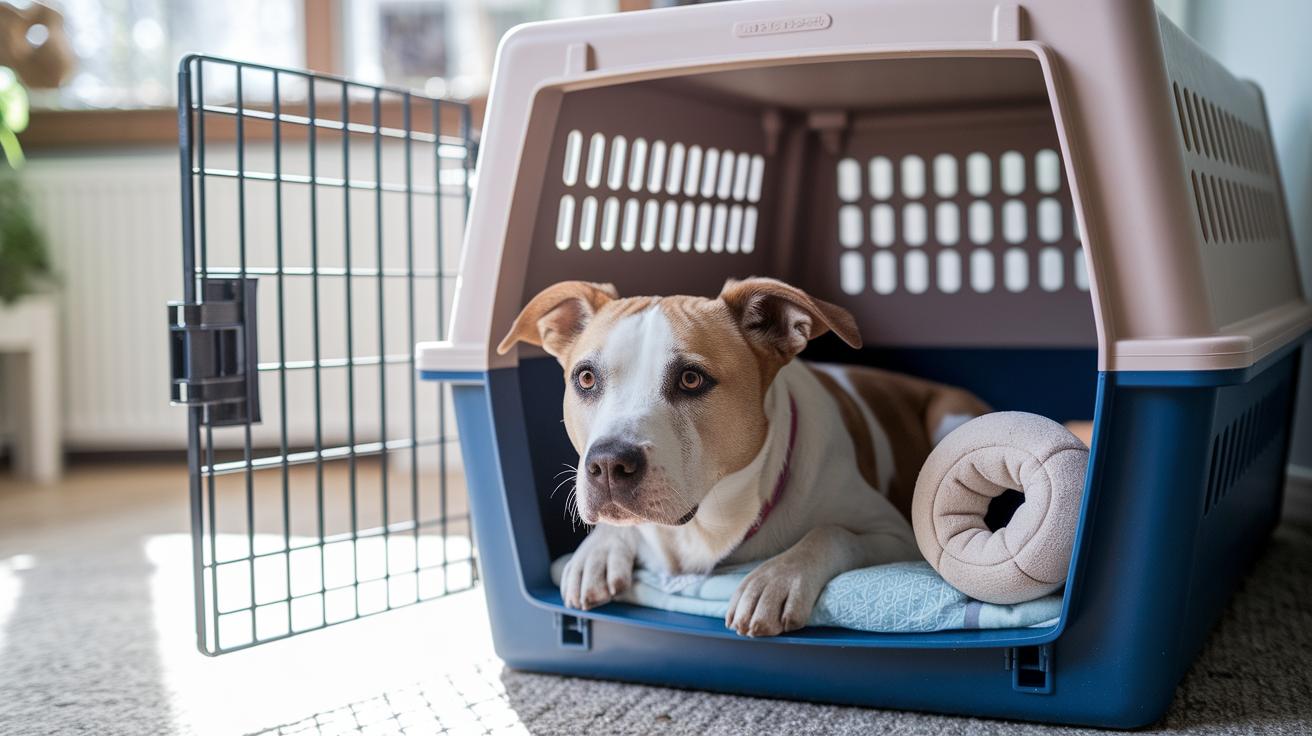
Rescue pets often feel scared and unsure because of tough past experiences. You might see them flinch when someone enters the room or hide away instead of joining in play. These reactions help them feel safe during moments that remind them of earlier hurts.
A good way to help your pet feel better is to introduce crate training in a kind manner. Start by placing some soft bedding and a favorite toy inside the crate so your pet sees it as a cozy hideaway. Then, try gentle socialization, like a calm walk in a quiet park or a friendly, slow introduction with another mellow pet, to build confidence.
Using soft words and patient body language can really reassure your pet. When you say things like “Good job!” right after they take a small brave step, it builds trust and makes them feel loved. Over time, every little improvement, whether it’s a wagging tail or a meeting of eyes, strengthens your bond and helps overcome those challenging behaviors.
Essential Training Tools and Reward Choices for Rescue Pet Training
Working with your rescue pet is an adventure in trust and joy. Using simple training tools makes all the difference. A clicker, for instance, lets you mark the exact moment your pet does something right. A treat pouch ensures yummy rewards are always within easy reach. Target sticks help direct movements, and interactive toys add playful incentives during training.
Imagine it like sharing a perfect joke. You give a command and deliver the treat right away. Keeping treats at hip level means your pet understands exactly when they've earned a reward. It’s a fun, smooth rhythm that builds confidence.
When it comes to treats, simple and healthy is best. Clean, single-ingredient treats keep your pet motivated while adding good nutrition. Picture offering a crunchy beef lung bite right after a great command and saying, “Great job!” It makes training feel like a series of little wins, creating a strong bond between you and your pet.
Tracking Progress and Adjusting Positive Training Methods for Rescue Pets

Watching your rescue pet make progress really matters. Keeping a simple record in a notebook, filming your sessions, or using checklists can show you all the little victories. When you jot down even the tiniest change, it becomes clear what works best. This caring approach not only highlights every win but also helps you create a training routine that's just right for your fur family.
Monitoring and Recording Milestones
Logging your pet's progress is as easy as writing down daily wins. Note when your pet shows a new behavior or when they seem to pause or get extra excited. Having a clear visual record helps you see the small steps that lead to big changes. For instance, marking the day your pet first sits steadily can be the beginning of a lasting, positive habit.
Refining Training Plans
After you review your pet’s milestones, feel free to adjust your training sessions. Change the exercise length or difficulty based on how your pet responds. Try out different rewards or simple verbal cues to see what lights up your pet's eyes. This flexible approach brings freshness to each session and keeps your pet keen and happy.
By tweaking your routine based on simple observations, you both build trust and confidence, paving the way for a secure and joyful future together.
Final Words
In the action, engaging sessions using clicker training and treat rewards showed how a gentle approach builds trust and lasting bonds. Short sessions with real treats sparked confidence and helped overcome past challenges.
This article highlighted reward-based techniques, trust-building exercises, and adaptive routines to guide every training milestone. Keep celebrating small wins with positive training methods for rescue pets and watch your furry friend grow more confident each day.
FAQ
What does “rescue dog training near me” mean?
The term “rescue dog training near me” refers to local classes or trainers who use gentle, reward-based methods to build your rescue pet’s trust and skills.
When should I start training a rescue dog?
Starting training a rescue dog soon after adoption helps create a routine and build trust from the beginning, setting the stage for a positive long-term relationship.
How is rescue dog training discussed on Reddit?
Discussions about training a rescue dog on Reddit share real-life experiences and practical tips that emphasize gentle, reward-based techniques to help build a loving bond.
How can I train my rescue dog to pee outside?
Training your rescue dog to pee outside works best with consistent rewards and praise, reinforcing the desired behavior each time your pet goes outdoors.
How do I crate train a rescue dog with separation anxiety?
Crate training a rescue dog with separation anxiety involves gradual sessions in a cozy crate, using treats and a calm approach to help reduce anxiety and build security.
What does search and rescue dog training involve?
Search and rescue dog training uses reward-based drills to enhance scent detection and retrieval, all while building focus, confidence, and teamwork with the handler.
What is the 3-3-3 rule for rescue dogs?
The 3-3-3 rule for rescue dogs suggests breaking training into three-minute sessions, offering three short breaks, and using three rewards to keep sessions fun and manageable.
What is an example of positive dog training?
An example of positive dog training is giving your furry friend treats and verbal praise when they follow a command, which builds confidence and strengthens your bond.
What are the three C’s of dog training?
The three C’s of dog training typically highlight consistency, clarity, and compassion, ensuring your pet learns effectively in a safe and encouraging environment.
Does Cesar Millan use positive reinforcement?
Cesar Millan is known more for his balance and control methods; his approach often focuses on establishing order rather than relying solely on the reward-based positive reinforcement many advocates recommend.