

Ever thought training could be a blast for you and your pup? Positive reinforcement makes basic commands feel like fun games, with a quick reward, kind words, or even a tasty treat that your dog really enjoys.
Imagine your pup’s tail wagging and ears perking up as they connect the command with a little celebration. It’s like turning everyday moments into a mini party!
In this post, we’re sharing simple, playful exercises that make training enjoyable and help build a strong bond between you and your furry friend. Ready to make every training session a rewarding adventure?
Kickstart Behavior Change with Reward-Driven Exercises
Positive reinforcement training is all about celebrating your dog's good behavior right away. Imagine your dog listens to your command and immediately gets a tasty treat, a warm “yes,” or a quick, loving pet. That instant response helps your dog know exactly which behavior you want to see more often. Picture your pup sitting down and, almost instantly, enjoying their favorite biscuit. This clear connection between action and reward encourages them to repeat the behavior.
Timing is really key here. If you delay the reward, your dog might not understand what earned the praise. Keeping every training session consistent helps your furry friend connect the dots. Short bursts of training – about five to ten minutes – keep them focused and excited without getting overwhelmed. It’s like a quick spark that builds a strong habit over time.
Reward-based training doesn’t just help your dog learn faster; it also builds trust between you two. The quicker and more consistent the reward, the sooner your pup picks up new commands such as sit, stay, or come when called. Mixing in kind words, a gentle pat, or even a special toy makes each session a joyful bonding moment. This friendly approach turns training into fun time and lays the groundwork for lasting, positive behavior.
Essential Canine Reward Training Methods and Tools
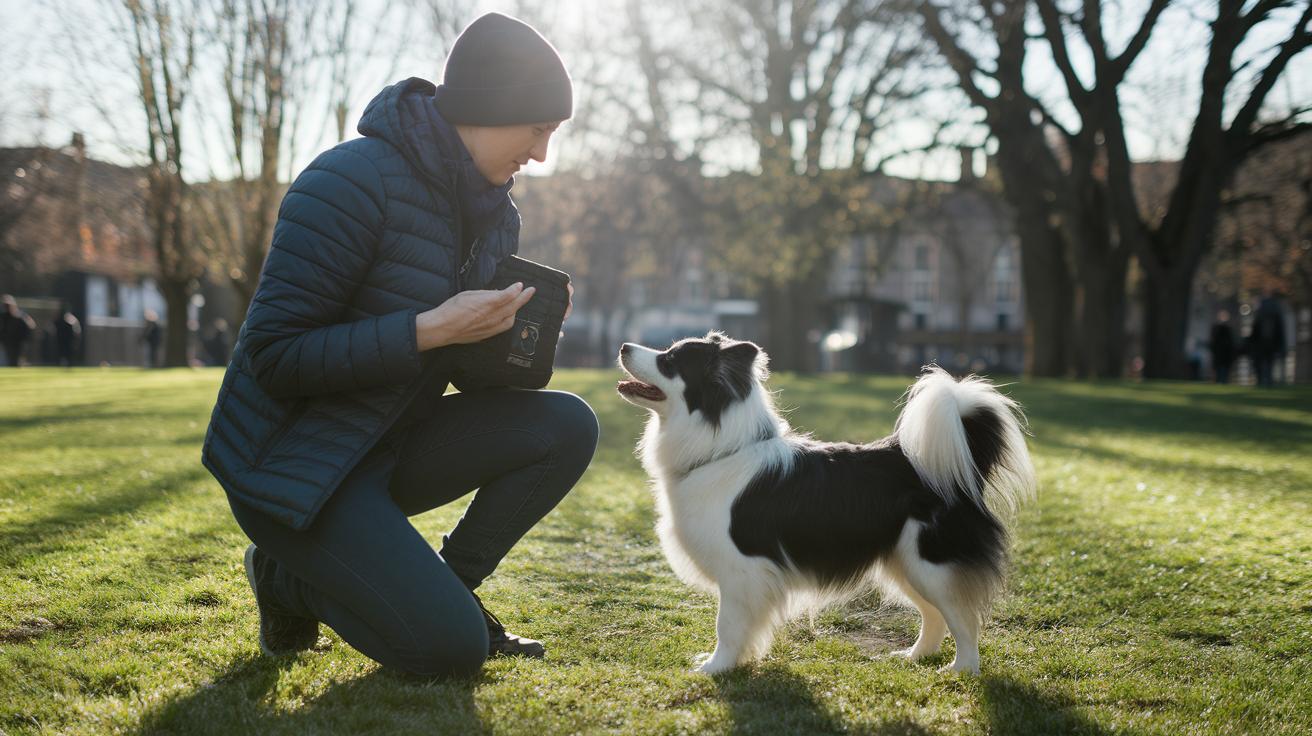
Positive reinforcement training works best when you have the right tools right at hand to celebrate your dog's good behavior. When your furry friend follows a command, a quick treat or a kind word helps link that action with a joyful reward. It makes training sessions both effective and fun, while keeping everyone on the same page. Plus, having a treat pouch nearby means you're never caught without a little extra motivation for your pup.
- High-Value Food Treats: Yummy and irresistible treats like dog biscuits quickly show your pet that he’s done something great.
- Verbal Praise: A simple “yes” or “good boy/girl” acts as a friendly nudge that tells your dog he’s on the right track.
- Physical Touch: A gentle pat behind the ears or a chin rub offers warm, immediate feedback that feels like a big hug.
- Interactive Toys: Toys such as KONG products or puzzle bowls are not only fun but also keep your dog's mind active.
- Clickers and Whistles: These handy tools mark that perfect moment when your dog meets your command, tying the behavior directly to the praise.
- Crates or X-pens: A cozy, secure space that gives your dog a sense of safety while also being a great spot for calm, positive moments.
By using these six tools consistently, you create a world where every command is linked with a happy reward, helping build a loving, trust-filled bond with your pet.
Foundational Positive Reinforcement Exercises for Dogs
Sit Exercise
Begin in a quiet spot with your dog on a loose leash. Hold the leash gently and say "sit" in a friendly tone while giving a small upward hand signal. When your dog sits, immediately reward them with a treat or warm praise, like "Great job, sit!" This quick reward helps your dog link the command with the treat. Practice in short sessions of about five minutes to build a strong habit.
Stay Exercise
Start with your dog already sitting. Ask them to "stay" and take a tiny step back, using a calm, clear voice and a simple hand signal. As your dog becomes more confident, slowly increase the distance. When you are ready to end the session, use a release word such as "okay" and immediately reward your dog after they have held the position. For example, say "Good stay, okay!" and give the treat right away.
Come Exercise
Attach a long line to your dog and let them roam a small area. Call out "come" with a cheerful tone and a friendly smile. When your dog reaches you, reward them instantly with praise and a treat. A happy "Come here, yes!" helps your pet feel excited to return every time.
Down Exercise
Hold a treat near your dog's nose and gradually lower your hand to the ground while saying "down." Watch as your dog follows the motion and lies completely on the floor. Once they do, immediately offer praise or a treat with a warm comment like "Down, good job!" Short daily sessions like these keep your pet focused and build lasting obedience.
Advanced Positive Pet Training Drills

Ready to boost your dog's skills with some fun, challenging exercises? These drills go a step above the basics, inviting your furry friend to try new tasks that spark their focus and encourage quick thinking. Using a tasty treat or a favorite toy as a reward makes every good job feel extra special. You can make it even more engaging by gradually adding distance, soft distractions or mixing signals so your pet stays on its toes while building great habits.
-
Targeting Drill
Start by teaching your dog to touch a small marker with its nose or paw. Place a bright colored disc or a little object on the floor and say "touch" to encourage your pet to check it out. Once they make even a gentle contact, celebrate with a treat. Do this a few times, slowly moving the marker farther away to help improve their focus and precision. -
Door-Wait Drill
This drill is all about patience. Get your dog to stand by the door and wait while you gently open it just a crack, then close it again. If your pet stays calm for a few seconds, use a release word like "okay" and offer a reward. This exercise helps build the kind of impulse control that’s useful in everyday moments. -
Weaving Between Legs
Guide your dog to weave through your legs while you walk slowly. Use friendly hand signals and a warm tone to direct them. Each time your dog makes it through, reward them. This fun drill not only boosts agility and coordination but also strengthens the bond between you and your pet. -
Impulse Control Game
Hold a treat in your closed hand and let your dog sniff it to catch their interest. Encourage your pet to wait patiently until you give a clear command to take the treat. This simple game really builds self-control and helps your dog learn the importance of waiting for your signal.
Tailoring Positive Reinforcement Exercises by Breed and Temperament
Every dog is one-of-a-kind, so it makes sense to adjust training for your pet's unique breed and personality. For instance, some herding dogs might light up when they get to chase a toy instead of just waiting for a treat. Picture your border collie happily sprinting after a favorite ball, its tail wagging in joy, it's fun and natural rather than feeling like work.
If your pup is young or a bit on the calm side, a five-minute session can keep them interested without overwhelming them. But if you have a high-energy friend, they might enjoy a fifteen-minute session packed with treats that really make a difference. And if your dog tends to be stubborn or anxious, try splitting commands into two or three easy steps. You might start by teaching a simple sit with a quick treat, then slowly move on to the next step once that one is mastered.
Remember to celebrate even the tiniest win. When you spot improvement, offer immediate praise like a warm "Good job!" or a gentle pet. Matching the right training style, session length, and rewards to your dog's breed and personality makes each training moment both fun and effective.
Consistency, Timing, and Troubleshooting Positive Reinforcement Exercises
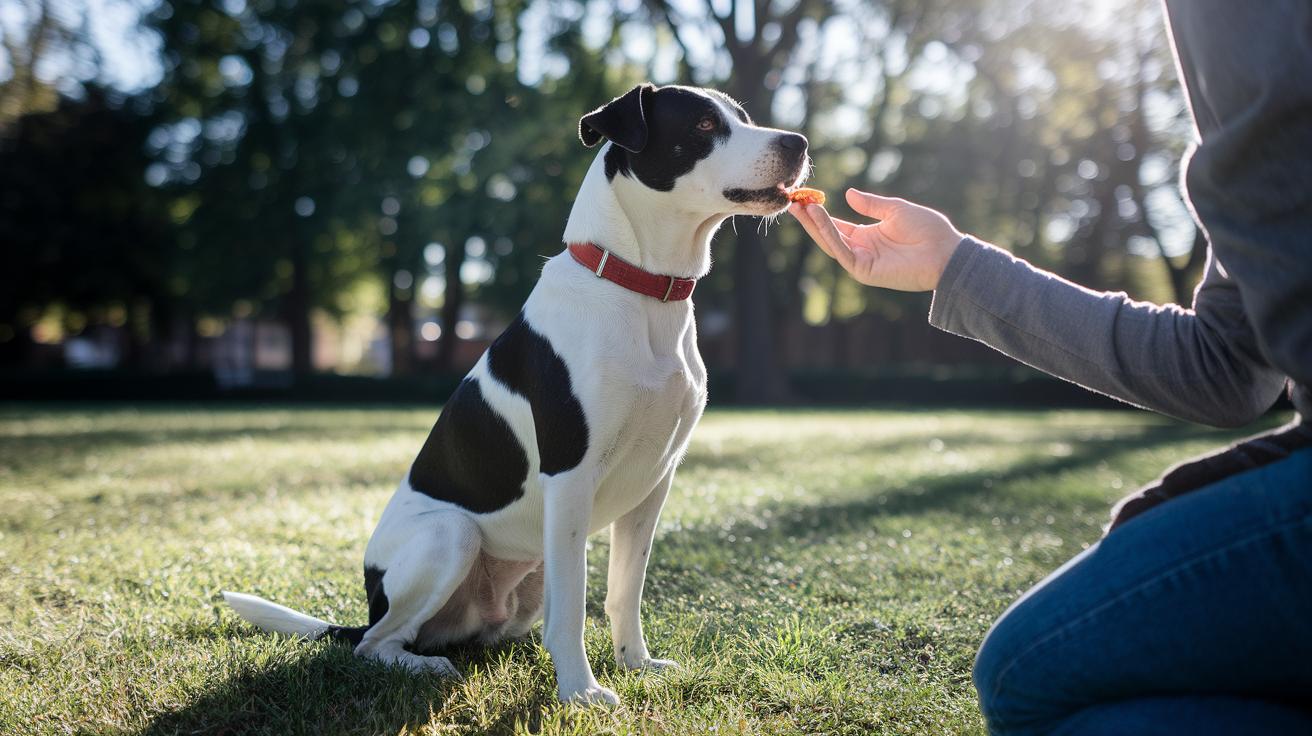
When you’re training your furry friend, sticking to the same words and actions every time makes all the difference. Every little treat, pat, or kind word should come right after they do something awesome, usually within a second, so your pup connects the dots. If there’s even a tiny delay, it might confuse them about what really earned that reward.
We all have those days where things don’t go as planned. Maybe you miss rewarding a good behavior or get a bit flustered by a small slip-up. Instead of punishing mistakes, try to brush them off and celebrate the good actions instead. This way, learning stays fun and your pup feels encouraged. Techniques like crate training with a positive twist can also give your pet a cozy, safe spot when things get a bit hectic.
Taking time to review your training routine can really help too. Think of it as making sure every family member is on the same page. Write down any recurring behaviors and adjust your approach to boost the good habits and trim away the mishaps.
| Common Mistake | Impact | Corrective Strategy |
|---|---|---|
| Delayed Reward | Dogs can’t connect action and reward | Offer treat right away |
| Mixed Commands | Creates confusion in your pup | Make sure everyone uses the same commands |
| Punishing Errors | Breaks trust and increases worry | Ignore errors and praise good behavior |
Integrating Daily Laser-Focused Reward Exercises into Your Routine
Set aside two or three short, five-minute training sessions every day. In each session, choose one simple drill, like linking a "sit" command with a fun treat or a quick walk break. This way, your pup gets a burst of positive energy that makes learning feel like play.
During each session, reward your friend right away when they perform the command. Later on, mix in some upbeat words like "yes" or "good boy/girl" so your dog learns that kind praise is just as rewarding. This gentle switch helps build solid habits over time.
Keep a little journal where you note the exercise, the date, and how well your pup did. Tracking these moments allows you to celebrate every tiny win and see clear progress. Just a few minutes of these focused drills each day can make training both joyful and effective for your dog.
Final Words
In the action, we've covered reward-driven training methods that build good habits, from treating basic obedience cues like sit and stay to exploring creative, advanced drills. We've also seen how to fine-tune techniques based on each dog's energy and personality. Consistent timing and daily practice make all the difference in achieving lasting results through positive reinforcement exercises for dogs. It's a rewarding approach that brings joy and lasting improvements to your furry companion.
FAQ
FAQ
What are positive reinforcement exercises for dogs at home?
Positive reinforcement exercises for dogs at home involve offering immediate rewards like treats, praise, or petting after your dog exhibits a good behavior, which helps build a fun and effective learning environment.
How does positive reinforcement training differ from correction and what is negative reinforcement?
Positive reinforcement training rewards desirable behavior, while correction often involves punishment for mistakes. Negative reinforcement, on the other hand, removes an unpleasant stimulus when your dog demonstrates a preferred behavior.
What are some examples of positive reinforcement in dog training?
Examples include giving treats, offering enthusiastic verbal praise, petting, or even a favorite toy immediately after your dog obeys a command, which helps build a clear link between behavior and reward.
How do you train a dog using positive reinforcement at home?
Training with positive reinforcement means you immediately reward your dog with treats, praise, or petting after a good action. This method creates trust and encourages your pet to repeat the desired behavior.
What is the 7 7 7 rule for dogs?
The 7 7 7 rule for dogs means engaging your pet for seven minutes of training, seven minutes of free play, and seven minutes of calm relaxation daily, offering a balanced approach to exercise and learning.
What are the 5 D’s of dog training?
The 5 D’s of dog training provide a guideline to manage unwanted behaviors by using distraction, disengagement, distance, diversion, and then redirecting your dog to a positive behavior with an immediate reward.
Where can I find positive reinforcement dog training resources like PDFs or classes near me?
You can search online for positive reinforcement dog training PDFs for detailed instructions and check local pet centers or trainer directories to find nearby classes that teach these rewarding training methods.