
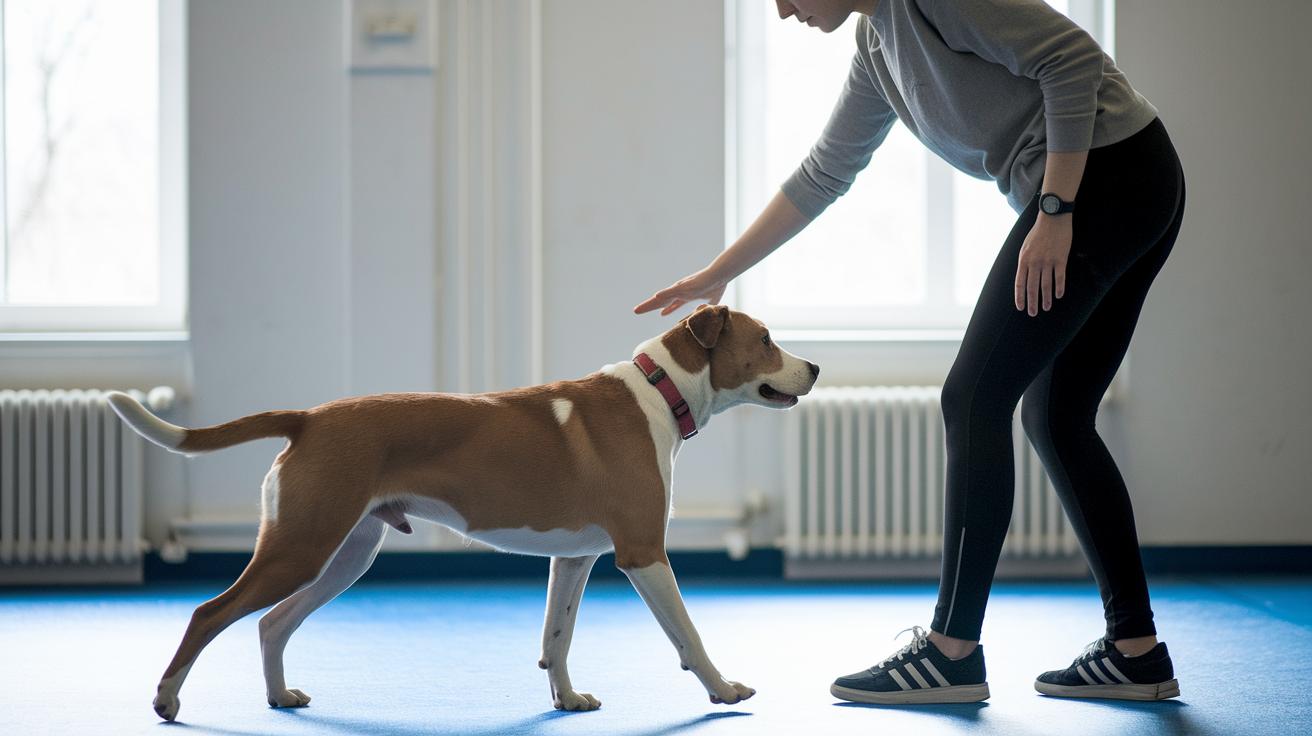
Ever wondered if you could chat with your pet without saying a word? Using body language in training can help you build a stronger bond and make learning quicker. A simple wave of your hand or a gentle lean tells your furry friend what you need without yelling or extra words. It’s like sharing a warm smile with a friend. These small, kind signals build trust and guide good behavior, making training fun and natural for both of you.
How Body Language Strengthens Positive Pet Training
Dogs easily pick up on clear, natural signals. A simple hand wave or a slight lean tells your pet what you mean without needing a lot of words. For example, a gently raised hand paired with a tasty treat can help your pup learn to sit more quickly. Imagine giving a friendly cue by leaning forward with a relaxed smile, it’s like inviting your pet to join in the fun.
Using the same gesture along with kind words and treats builds a strong connection. Each time you raise your hand for a sit and celebrate with praise or a treat, your companion learns that this action brings something really good. It’s a warm, positive loop that makes both learning and bonding feel natural.
Even small, silent cues like a nod or a soft glance can keep your pet focused during training. No need for complex commands, just clear, simple signals that speak volumes. This gentle approach makes training feel almost like a game, where every friendly gesture deepens the bond between you and your furry friend.
Reading Your Pet's Key Body Language Cues

Understanding your pet's body language helps you know exactly how they're feeling and whether they're ready for a little fun or a break. When you watch for these small signals, you'll know the perfect time to start a new trick or give them some space. For instance, a dog with a relaxed mouth is often excited to play or interact with you. And when you see a tail wagging at mid-height, it's a friendly invitation to give them praise. But if their tail is stiff and raised, your pet might be feeling unsure or on edge, so you might need to change your approach. Ears are a big clue too. Ears pointed forward usually mean your pet is focused on you, while ears pinned back can show fear or submission.
For our feline pals, a slow blink is like a gentle smile of trust. However, if a cat arches its back or flicks its tail, it could be a sign they're feeling defensive or a bit agitated. These quiet signals create a silent conversation that helps you tune in and respond with care during training sessions.
| Pet Signal | What It Means |
|---|---|
| Relaxed mouth (dog) | Eager to interact |
| Tail wag at mid-height (dog) | Shows friendly interest |
| Stiff, raised tail (dog) | Feeling alert or uncertain |
| Ears forward (dog) | Paying close attention |
| Ears pinned back (dog) | Indicates fear or submission |
| Slow blink (cat) | Conveys trust and affection |
| Arched back (cat) | Signals a defensive mood |
| Tail flick (cat) | Warns of agitation |
Implementing Gesture-Driven Body Language in Positive Pet Training
Using body language when training your pet can be both fun and effective. Start with a few easy hand signals, like a flat palm for "down" and a raised finger for "sit." Pair each gesture with a clear word and a tasty treat for a correct response. This way, your pet quickly connects the gesture with a happy reward, turning training into a delightful game.
Practice makes perfect. Run through each hand signal a few times during your training sessions. Keep an eye out for a quick, two-second response that shows your pet gets what you're asking. As your pet becomes more comfortable with the gesture and its reward, gradually skip the verbal cue and let your body language do all the talking.
Here's a simple step-by-step guide to help you master the process:
| Step | Action |
|---|---|
| 1 | Show a clear hand signal for a specific command. |
| 2 | Pair the signal with a verbal cue and a treat when your pet responds correctly. |
| 3 | Repeat the exercise 3-5 times per session, aiming for a response in about 2 seconds. |
| 4 | Slowly reduce the verbal cue as your pet learns to trust the gesture. |
| 5 | Reward only when your pet follows the silent signal within 3 seconds to encourage precision. |
This approach turns training into a fun, interactive bonding time for both you and your pet. Ever noticed how a simple hand wave can light up your pet's eyes? It's a charming way to build trust and make every session enjoyable.
Timing Pet Training with Silent Body Language Cues

Ever notice how your pet shows it’s ready to learn? When its mouth is relaxed, ears are perked up, and eyes stay focused on you, it’s giving you quiet hints that it’s time to start. Stand facing your furry friend and let your body speak for you. If you catch that soft look in its eyes, lean forward gently to signal that learning is about to begin.
During training, try using your body instead of words. Shift your weight back or drop to one knee for a quick pause. These small moves keep the session distraction-free and clearly show your pet what’s coming next.
Keep an eye out for little signals like a lip lick, a yawn, or a slight head turn, subtle clues that stress might be building. When these cues pop up, finish the session by standing tall and gently turning your body away. This quiet way of ending things builds trust and makes the experience comfortable for your pet.
Using these silent cues creates a calm space where both you and your pet can enjoy a focused, stress-free training session. Isn’t it amazing how a simple gesture can speak volumes?
Tailoring Body Movement Feedback in Positive Pet Training for Dogs and Cats
When training your dog, your body language speaks louder than words. A confident, open posture, imagine standing with a smile and a gentle lean forward, lets your dog know you’re excited to work with them. Keeping your legs slightly bent shows you’re relaxed and ready to play. This friendly stance helps your furry friend feel calm and eager to learn. And remember, it’s best not to loom over your dog; it might make them feel uncomfortable.
Cats read body signals in a softer way. When you’re with your feline friend, try approaching from the side instead of head-on. Lowering your body by kneeling or crouching can give your cat the feeling of a safe, non-threatening space. A gentle hand wave at chest level invites your cat to join in without startling them. These small changes in your body language go a long way to build trust and make training feel like a fun, shared adventure.
Taking time to use clear, friendly gestures means your pet will pick up on your excitement and care. Each little move you make, whether it’s a relaxed stance for your dog or a soft, inviting gesture for your cat, helps them learn and grow. Have you ever noticed how a slight shift in body language can change the mood of your training session? It’s almost like having a quiet conversation with your pet, where you both understand each other perfectly.
Measuring Positive Pet Training Success Through Body Language

Watch how your pet reacts to your silent cues, it’s a clear sign your training is on track. When your furry buddy starts following your gestures with fewer spoken commands, it means things are ticking in the right direction. You might notice that your pet responds in under 2 seconds to a simple hand raise, which shows they’re really catching on.
Take a moment during each session to really observe what's happening. Look for fewer signs of nervousness, like less lip licking or yawning, and more signs of confidence in their body language. It can help to jot down how many times your pet successfully follows a silent cue each week. This little record lets you see progress over time, and you can tweak your gestures, maybe a quicker motion or a bigger hand wave, to keep your pet relaxed and focused.
Here’s a quick list of steps to guide you:
- Notice if you need fewer verbal prompts.
- Check that your pet’s reaction time is under 2 seconds.
- Look for a drop in stress signals.
- Count the successful silent-cue responses each week.
Using nonverbal feedback in your training makes it so much easier to notice progress and fine-tune your approach for a smoother, stress-free experience.
Final Words
In the action, we explored clear steps to use body language in positive pet training to boost your pet’s confidence. You learned how nonverbal cues, from relaxed postures to simple hand signals, can turn training into a smooth, fun experience. The guide shared practical tips like matching gestures with rewards and reading subtle pet cues. Remember, every wagging tail and focused look speaks volumes. Enjoy creating an encouraging training environment that keeps our furry friends eager to learn.
FAQ
Frequently Asked Questions
How can I train your dog using body language?
Training your dog with body language means pairing clear gestures with rewards so your pet quickly understands what you expect. This method uses silent signals like hand raises and relaxed postures for effective learning.
How do you use body language in positive pet training?
Using body language in positive pet training lets your dog read your silent cues such as posture shifts and gentle hand signals, making it easier for them to follow instructions without relying heavily on verbal commands.
What are the 3 P’s of dog training?
The three P’s of dog training refer to patience, persistence, and positivity. These principles create a calm atmosphere that helps reinforce clear body language cues paired with rewarding moments.
Is being aware of animal body language important during cooperative care training sessions?
Awareness of animal body language plays a crucial role in cooperative care training. Noticing subtle cues like shifts in posture or eye contact allows you to adjust commands and maintain a smooth, supportive session.
How can you show positive body language in a virtual training environment?
Displaying positive body language virtually involves using deliberate facial expressions and clear hand signals on camera. This conveys warmth and confidence, helping maintain a strong connection with your pet even from afar.
What do dog body language signals look like with other dogs?
A friendly interaction between dogs might include relaxed postures, gentle tail wagging, and calm eye contact. These cues signal peace and interest, making it easier for your pet to socialize with other dogs.
How do you interpret dog body language when a dog is lying down?
When a dog is lying down with a relaxed stance and soft gaze, it usually signals comfort or submission. This body language shows that your dog feels safe and calm in its environment.
Where can I find detailed resources like a dog body language chart, pictures, PDFs, or books?
Many guides and downloadable resources are available that include visual charts, detailed pictures, and PDFs. These materials help decode your pet’s silent cues, making training more intuitive and informed.