
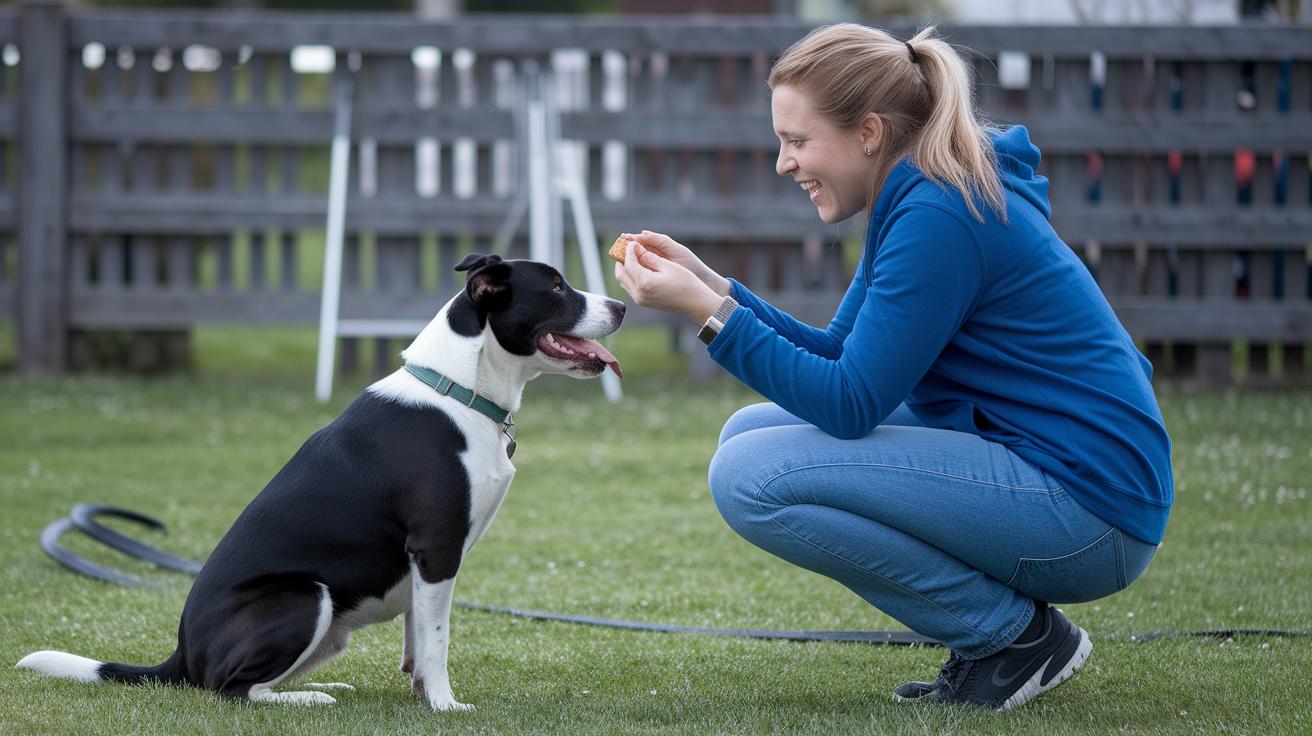
Ever thought a sweet word and a tasty treat might work better than a harsh scold? Positive training turns old scolding on its head by celebrating good ways instead of pointing out mistakes. When you offer gentle praise and little rewards, you're building a trusting bond with your pet while helping them choose better behaviors. Today, we'll share some simple, fun tips that make training a rewarding bonding time for both you and your furry buddy.
Key Concepts in Positive Training Tips for Pet Behavior Modification
Positive training tips for pet behavior modification center on understanding why your pet might be acting out rather than simply punishing them. Instead of using old-school methods that rely on penalty, this approach digs into the heart of the behavior, fear, anxiety, or stress might be at work. Imagine giving your pup a small treat right after they sit quietly; they start to see a clear link between a good action and a happy reward.
Rewarding good behavior with treats, kind words, favorite toys, or a game session makes training a fun and stress-free experience. When you communicate clearly, set a routine, and keep sessions short but sweet, you build trust with your pet. Picture your furry friend perking up when you give a command and then delighting in a burst of praise and a tasty treat immediately after. Sometimes results take time, but you’ll see progress with consistency and a lot of patience. And if things feel a bit overwhelming, don’t hesitate to ask a professional for tailored advice to help your pet shine and grow.
Reward-Based Strategies and Effective Reinforcement Tactics

When you're teaching your pet a new trick, rewards really make a difference. Picture your dog sitting quietly and then immediately getting a tasty treat, it's like a little celebration that says, "Good job!" Rewards help your pet connect the dots between a great behavior and a fun benefit. And every pet has its own spark; for some, a yummy nibble does the trick, while others light up for their favorite toy or a quick round of play.
Reward-based training is all about timing. When you catch your furry friend performing just the right move, a prompt reward works wonders. It’s like giving a high-five in the language your pet understands. This simple method not only shapes good behavior but also deepens the bond you share. Clear, immediate feedback, whether it’s treats, praise, toys, or a fun moment of play, builds your pet's confidence while keeping things positive.
The size of treats is important too. Small treats keep your pet excited about learning without adding extra pounds. Keep the rewards bite-sized and perfectly balanced with the training session, and your pet will stay eager to please.
For more detailed guidance, check out how to train your pet with positive reinforcement.
| Reward | Why It Works |
|---|---|
| Treats | Great for immediate rewards and reinforcing commands |
| Verbal Praise | Helps build confidence with warm, affectionate words |
| Favorite Toys | Perfect when play is your pet’s main motivator |
| Short Play Sessions | Merges learning with fun to keep your pet engaged |
| Clickers | Marks correct responses very clearly |
| Physical Affection | Reinforces a calm, relaxed mood while showing love |
Structuring Step-by-Step Behavior Modification Sessions for Pets
Begin by setting a clear goal for your pet. For instance, you might want to stop your dog from pulling on the leash during walks. This clear aim helps your pet understand which behavior to change, making training simpler for both of you.
Then, pick out rewards that truly excite your pet. Think about what lights up their eyes, maybe yummy treats, a favorite toy, or simply some kind words. When your pet does the right thing, give them a reward right away. This quick praise helps them connect the good behavior with a fun outcome.
Next, choose a quiet spot where your pet won’t be distracted. A calm, familiar area works best and even a little snack pouch can make grabbing treats easy. This consistency not only holds your pet’s attention but also builds a comforting routine.
Keep each training session short and fun. Try limiting sessions to about 5–10 minutes so your pet stays alert and happy. Focus on one step at a time and load the session with plenty of encouragement, even a little extra cheer can work wonders.
Finally, take a moment to review how things went. Notice what worked well and if something might need a bit of tweaking to suit your pet’s style better. Patience and gentle changes make all the difference on the road to lasting success.
Leveraging the Clicker Method for Animal Cues in Positive Training
What Is Clicker Training?
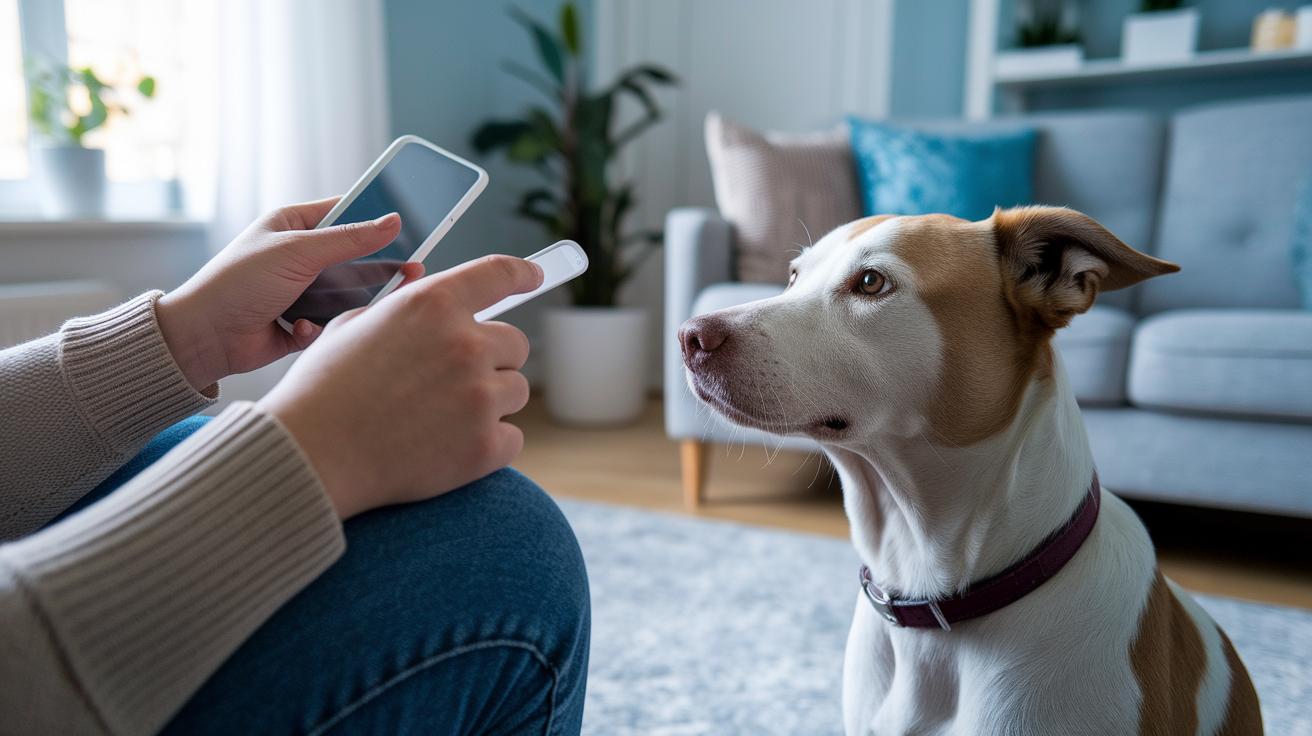
Clicker training is a fun way to communicate with your pet using a small handheld tool that makes a clear click sound. When your furry friend does something right, that click marks the exact moment of their good behavior. Pair the sound immediately with a treat or a bit of play, and soon your pet will connect the click with something enjoyable. If you’re curious to learn more about how this sound-based method boosts positive behavior, check out clicker training using positive reinforcement.
Setting Up Clicker Sessions
Start your training by picking a calm spot where your pet feels safe and relaxed. In this quiet place, click as soon as your pet shows the right action and follow up with something they love, maybe a little treat, a chewy bite, or a short burst of play. This simple, distraction-free setting helps your pet focus and see that the click is a promise of good things ahead. Pretty soon, they’ll know that a click means a bit of extra fun is coming their way.
Timing and Fading the Clicker
Timing is key when you’re using the clicker. Right from the start, click exactly at the moment your pet shows the desired behavior. As they get better and more consistent, let the click serve as a hint that a reward is on its way. Over time, you can slowly stop using the click as the behavior becomes a habit by itself. This gentle transition helps your pet understand the connection deeply, so they continue the good behavior even without the constant sound.
Addressing Common Pet Behavior Challenges Compassionately
When you’re working with your pet, it helps to address issues like aggression, separation anxiety, barking, and destructive chewing in a kind, understanding way. Instead of using harsh punishments, try setting up a consistent routine and gently guiding your pet away from unwanted behaviors. This approach helps your pet feel secure and supported rather than frightened. It’s all about using low-stress training practices that build trust and encourage little, positive changes over time.
Using gentle training methods really makes a difference. For example, if your dog shows signs of aggression, you can try distracting them with a safe chew toy and a calm, steady routine to keep things under control. When your pet struggles with being alone, you might start with short, confident sessions in their favorite quiet spot so they feel more at ease while you’re away. Clear, gentle communication paired with quick rewards can lead to better behavior without adding extra stress.
Sometimes, a bit of emotional coaching and natural calming aids can also help manage these challenges. By swapping out disruptive actions for more positive ones, you can see a drop in unwanted behaviors and a boost in your pet’s confidence. It all takes patience and consistency to help your furry friend move from stress to calm.
| Behavior | Positive Strategy | Outcome |
|---|---|---|
| Aggression | Use safe chew toys and keep routines calm | Less aggressive responses |
| Separation Anxiety | Gradually ease into comforting routines | More independence and ease |
| Excessive Barking | Offer distractions and clear verbal cues | A quieter, more focused pet |
| Destructive Chewing | Plan structured playtime with safe chew toys | Redirected energy with less damage |
These friendly strategies create a safe space for your pet to learn and blossom, one gentle step at a time.
Incorporating Interactive Play Reward Systems into Pet Behavior Modification

Interactive play can be a fun way to help change your pet's behavior. Imagine turning a game into a training session by adding a few simple rules. For example, you can have a little tug-of-war where your pet learns to wait for your signal before letting go of the toy. This not only helps with impulse control, but also makes you and your pet feel like a team. Ever thought about how a simple command like “On my count, release your grip” can create a fun routine full of cooperation?
Another idea is to play fetch with a twist. Add a few small obstacles in the mix so that your pet has to pause and figure out the challenge before grabbing the toy. This kind of game helps with following multi-step commands while keeping your pet busy both physically and mentally. Think about tossing a toy past a few hurdles, it’s a mini-adventure that sharpens both their mind and body.
One pet owner even shared how these fun games boosted her dog's recall skills. By switching from just treats to incorporating short tug-of-war sessions, her furry friend became more attentive and eager to learn. It’s all about creating a playful yet focused learning space.
| Game | Unique Benefit |
|---|---|
| Tug-of-War | Improves impulse control with wait-and-release cues |
| Fetch with Obstacles | Enhances multi-step command practice and agility |
Crafting a Comprehensive, Long-Term Behavior Modification Plan
Begin by setting clear, easy-to-follow training goals using the SMART method (Specific, Measurable, Achievable, Relevant, Time-bound). For example, decide that you want to cut down your dog's pulling during walks by 30% within a month. This gives you a solid, trackable target to work toward.
Pick a calm, familiar spot for training, somewhere without too many distractions. A quiet corner of your home where your pet feels comfortable can work wonders. A steady space helps your pet focus on learning and keeps sessions relaxed.
Keep your training sessions short and sweet, around 5 to 10 minutes each time. Jot down notes about what happens during each session. For instance, you might write, "Today was 8 minutes, and there was a clear drop in barking." This not only gives you a clear record but also helps you see what works best over time.
Lastly, check in on progress often and be ready to make changes if things aren’t working just right. Look at your notes to spot trends. If your pet seems stuck on a cue, consider switching up the training plan or setting a new, more realistic goal. This flexible approach ensures that both you and your pet keep moving forward together.
Expert Insights, Success Stories, and Scientific Support in Positive Behavior Modification
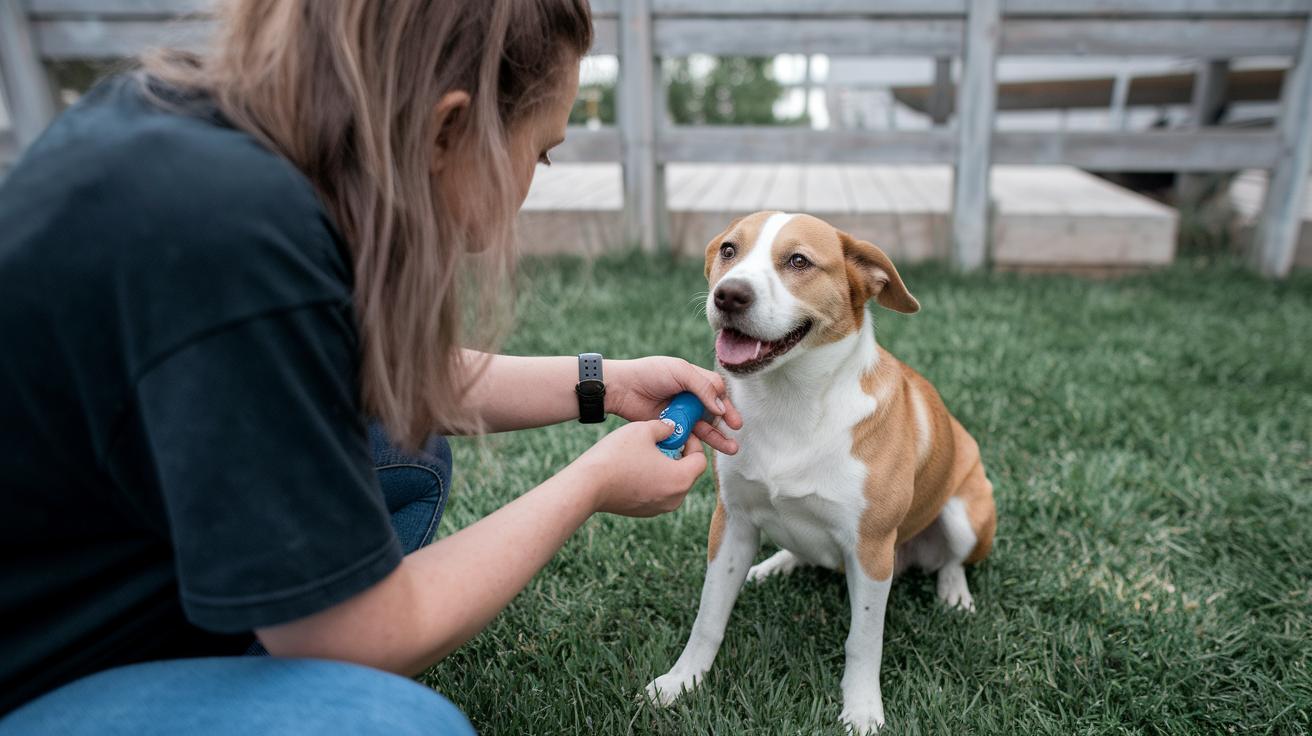
Experts say that using rewards consistently can cut unwanted behaviors by more than 70% in just a month. A veteran trainer shared, "When you give a treat or offer praise right after a good action, it sends a clear message: timing really matters." This shows how important it is to communicate quickly and clearly with our pets.
A heartwarming story comes from a local shelter where an anxious dog with separation issues slowly learned to feel more comfortable. Through daily, short training sessions focused on counterconditioning (a way to change negative habits by swapping them with positive ones), the dog started becoming calm and confident in only two months. Have you ever noticed how a bit of gentle guidance can slowly build trust and bring out the best in our pets?
Science backs up these real-life examples too. Studies show that using a clicker marker (a small tool that makes a quick sound to signal the right behavior) can boost learning by up to 50% because it gives an immediate signal that the pet did something right. Other research tells us that a structured, reward-focused training method not only changes behavior but also deepens the bond between pet and trainer, helping pets stick with new, positive habits. It really paints a picture of how simple, caring cues can nurture our pet’s overall well-being.
Both pet owners and trainers can learn a lot from these insights. With a bit of patience, the right rewards, and feedback given at just the right moment, even challenging behaviors can change. It reminds us that when we choose positive, kind training methods, we create lasting, joyful change for our furry friends.
Final Words
In the action, we've seen how positive training tips for pet behavior modification transform routine training into enjoyable, trust-building sessions. Reward-based methods, short sessions filled with clear praise, and the clicker technique create a supportive environment. We also explored compassionate fixes for common behavior challenges and fun, interactive play rewards. These tips help form lasting habits and precious bonds between you and your pet. Every small step counts toward a brighter, happier training experience.
FAQ
What are some free positive training tips for pet behavior modification at home?
Free positive training tips focus on reward-based methods like offering treats, praise, or play immediately after desired behaviors. These techniques work well at home to foster gentle, long-lasting behavior improvements.
How does behavior modification help dogs with anxiety?
Behavior modification for dogs with anxiety uses calm routines and positive reinforcement to ease fears and build confidence. This approach gently guides dogs to cope with stress while creating a secure environment.
What are some positive reinforcement dog training examples?
Positive reinforcement training examples include giving treats, verbal praise, or extra playtime when a dog sits, stays, or follows a command. This method builds confidence and deepens the bond between pet and owner.
How does dog training with positive reinforcement differ from correction?
Positive reinforcement dog training uses rewards to encourage desirable behavior, while correction-based training often relies on negative feedback. Reward-based methods focus on building trust and fostering lasting behavior change.
Where can I find behavior modification dog training near me?
To locate behavior modification dog training near you, search local pet care directories or consult your veterinarian for recommendations on professionals who use gentle, reward-focused training techniques.
Where can I find a positive reinforcement dog training PDF?
A positive reinforcement dog training PDF typically offers step-by-step guides, tips, and examples for reward-based training. Look on reputable pet care websites for downloadable resources that support your training efforts.