

Have you ever thought one training plan works for every pet? Think again. Each furry friend learns in their own special way. For example, a Border Collie might catch on to hand signals almost instantly, while a Golden Retriever lights up when it’s time for play.
In this post, we’re sharing how a training plan made just for your pet not only works better but also brings you closer together. Have you noticed how a little personal touch can turn a routine session into a fun game? Let’s explore how tailoring training to your pet’s quirks can make every moment more joyful.
Core Principles of Customizing Positive Pet Training for Different Breeds
Good pet training works best when you adjust your approach to match your pet’s unique traits. Every breed comes with its own story, personality, and how quickly they pick up new tricks (that is, how fast they learn). For example, Border Collies excel at hand signals (like their own secret language), while Golden Retrievers really light up when rewarded with a fun burst of play. Here's a surprising tip: matching your pet’s natural way of learning can double your training success!
Generic training plans just don’t hit the mark. Each pet deserves a plan that taps into what makes them special. Rewarding a playful pup with a favorite treat, kind words, or extra play not only helps them learn but also deepens the loving bond between you. Just picture the smile on your dog’s face, it says it all.
Start by noticing your pet’s energy levels and interests. Active breeds may need short, engaging drills with quick rewards, while calmer breeds might enjoy a slower-paced session that builds focus over time. Imagine kicking off with a lively game of fetch, then moving to basic commands, with every good response, a burst of praise or a tasty treat lights up the moment.
Keep training fun and interactive. Combining clear commands with lots of positive reinforcement lays the groundwork for lasting good behavior. With this personal, custom touch, training becomes a joyous experience for both you and your furry friend, making every little win a shared victory.
Evaluating Breed Temperament and Unique Learning Differences
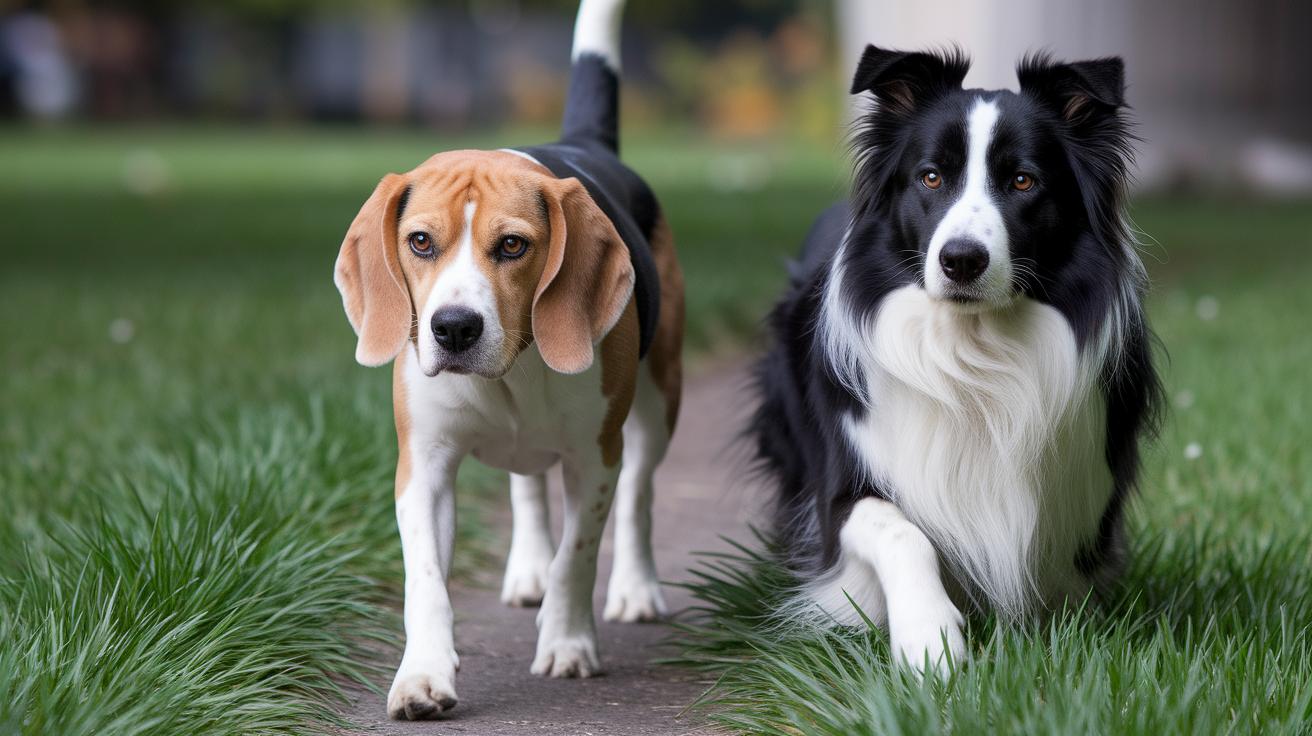
Understanding your pet’s personality is key to creating joyful training sessions. Start by noticing everyday energy, friendliness, and independence. Some doggies burst with playful energy, while others are more mellow. This can really affect how they pick up tricks.
Imagine watching a Beagle, its nose twitching as it follows a scent trail during a fun nose game. Now think about a Border Collie, a natural-born problem-solver who loves clever puzzles and hand-signal cues. Knowing these special traits not only helps you choose the right activities, but also makes training more enjoyable and productive.
Keep an eye on your furry friend’s daily behavior. Is your pup bouncing around with energy or more laid-back? Think about how they get along with others, do they thrive in a bustling park or feel most comfortable in a quiet spot? Also, try to spot any breed-specific traits. For example, some dogs might be great at coming when called in a wide open space, while others might need a bit more guidance on a leash in busy areas.
Take a moment to notice little differences. An apartment dog may need extra leash training because of limited outdoor space. Meanwhile, a country dog might really flourish with off-leash games in a vast field. Understanding these unique learning styles lays the foundation for a training plan that perfectly fits your pet’s personality and natural way of learning.
Tailoring Positive Reinforcement Methods to Breed Traits
Start by using clear cues and rewards that match your pet's natural spark. For example, mix in tasty kibble, a fun squeaky toy, or a warm, gentle word of praise to keep training exciting. When working with energetic breeds like Labs, timing is key. Picture using a clicker that makes a crisp sound right when your pup finishes a task, followed by an immediate reward, it really makes a difference.
For pups who can be a bit stubborn, break the training into small, clear steps. Take hounds, for instance. Divide tasks into short, engaging drills so their natural independence doesn't throw off the session. Use gentle signals rather than harsh corrections. This approach builds trust and creates a happy, relaxed learning space.
Consider these steps for a rewarding session:
- Watch how your pet reacts to different treats and adjust rewards as needed.
- Use a clicker for quick feedback, especially with dogs that respond well to a fast confirmation.
- Set the pace right: faster rewards for high-energy dogs and playful challenges for those who need a little extra engagement.
- Keep sessions brief and mix up physical play with mental challenges to hold their focus.
Keep trying different timing and reward types over several sessions. Happy pets learn best when training feels fun and friendly. A routine that fits each breed's energy turns learning into a warm, effective, and joyful experience.
Case Studies: Interactive Training Sessions for Popular Dog and Cat Breeds

Imagine a training session that feels more like play than work. One example is a Golden Retriever session where the dog gets to enjoy a fun fetch game. The trainer begins with a short warm-up, about 5 minutes of light jogging, and then moves on to an interactive game of fetch. Every time the Retriever brings the ball back, it earns a little treat and lots of praise. This fun approach not only helps improve the dog’s recall but also strengthens the special bond between pet and owner. Think of it as playing and learning all at once.
Now, let’s chat about energetic dogs like Jack Russell Terriers. Their training usually includes short agility drills that really keep them moving. The session is broken into three rounds of 10-minute circuits. Each round is filled with short sprints, mini hurdles, and quick turns. Here’s a simple table to show you how the session unfolds:
| Activity | Duration | Focus |
|---|---|---|
| Warm-up jog | 5 minutes | Letting off steam |
| Agility circuits | 10 minutes per round | Speed and focus |
| Cool down | 5 minutes | Relaxing |
Then there’s the case of Tabby cats. They have their own way of learning through interactive sessions. For instance, a trainer might use a clicker along with a tasty tuna treat to teach a "come" command. This session runs for about 15 minutes. Every time the cat responds, it hears a click, quickly linking the action to the reward. Small, frequent sessions with sensory cues and yummy treats create a secure and trusting learning environment.
Each of these examples shows how tailoring training sessions to a pet’s natural style, whether through playful activities or clear, gentle cues, can make a big difference. It’s all about having fun and building that special connection between you and your furry friend.
Adapting Environment-Focused Training for Canine and Feline Needs
Start by creating areas that match your pet’s natural habits. Inside your home, set up a cozy crate-game zone, perfect for little pups or those who get anxious, where a snug crate in a quiet corner offers a safe haven. Imagine your pet playing fun, interactive games that help melt away stress. In open spaces, let your energetic dog run, jump, and learn commands freely without too many interruptions.
If you live in the city, carve out a special spot that cuts down on distractions like noisy streets and busy sidewalks. Think of a small backyard or a calm park area where your dog can practice commands on a short leash while enjoying a gentle breeze. And if you're in a rural setting, take advantage of extra space for off-leash play, letting your dog tap into its natural drive to explore and roam.
Now let’s talk about cat setups. Give your feline friend a high perch with a clicker station placed near a favorite window. This setup not only helps reinforce good behavior but also makes indoor adventures both fun and safe. For more neat ideas on cat training setups, you might check out this Positive Cat Training Methods guide.
By tweaking your space to match your pet's natural instincts, you’ll create a training environment that's fun, interactive, and full of joy.
Tracking Behavior Milestones and Reward Timing Optimization

Keep a training log or milestone chart to track how well your pet follows commands like sit, stay, and recall. A simple notebook list or digital note works well to capture daily wins and any spots that might need a bit more attention. For instance, note each time your pet nails a command and any moments they seem to pause or hesitate.
Try a simple four-week plan to see steady progress:
- Week 1: Focus on teaching that basic command with a reward every time your pet gets it right.
- Week 2: Start cutting back on treats, but keep giving lots of friendly verbal praise.
- Week 3: Add a special signal, like an extra cheerful compliment, to show your pet they’re moving toward needing fewer treats.
- Week 4: Switch to random, occasional rewards while leaning more on praise and fun playtime.
Write down each step and adjust your reward plan based on what you observe. Gradually fading the treats not only strengthens your bond but also helps your pet learn to do well without constant treats.
Keep a close watch on these milestones and fine-tune your approach so your pet keeps making progress in the long run.
Final Words
In the action of training, we dived into customizing positive pet training for different breeds. Each section showed how adjusting rewards and training methods to suit unique temperaments leads to more joyful pet experiences. We explored breed traits, interactive sessions, and environment tweaks that bring out the best in our furry friends. Every tip ties back to building strong bonds with pets, transforming everyday care into a fun, rewarding process. Here's to more happy moments and confident pet care decisions.
FAQ
Q: What are the 5 D’s of dog training?
A: The 5 D’s of dog training offer guiding principles like direction, demonstration, decision-making, discipline, and dedication. They help shape a clear, positive routine using rewards and praise in your training sessions.
Q: How to train a mixed breed?
A: Training a mixed breed means using clear, consistent cues shaped by its unique temperament. Focus on frequent rewards and playful reinforcement to build a strong, positive bond.
Q: What is the 3 second rule for dogs?
A: The 3 second rule for dogs means quickly rewarding or redirecting behavior within three seconds of occurrence. This prompt response helps your pet connect its actions with positive outcomes.
Q: What dog breed is hardest to train?
A: Some dog breeds, especially those with an independent streak like certain hounds, can be more challenging. They require extra patience and creative, rewarding drills to keep training fun and engaging.