

Ever wonder if a homemade meal could boost your dog's health? Picture a bowl loaded with lean chicken, crisp green beans, and a touch of salmon oil (a simple way to add omega-3s for a shiny coat). This isn’t your average dog food; it's a recipe that your vet supports for its balanced mix of proteins, fats, and essential nutrients. In our guide, you'll discover easy steps to whip up meals that are tasty and good for your pup’s overall well-being. Let's roll up our sleeves and treat our furry friend to some real, homemade love.
Vet Approved Homemade Dog Food Foundations
A vet-approved homemade dog food recipe relies on a true balance of proteins, fats, carbohydrates, vitamins, and minerals. Proteins help fix up muscles and keep them growing (think lean beef, chicken, turkey, egg, lamb, fish, rabbit, or even tofu). Fats add energy and a lovely depth of flavor, much like that cool splash of water on a warm day.
Using human-grade ingredients means you get top-notch quality and full control over your pet’s diet. Regular check-ups every 4 to 6 weeks help you notice any changes and make simple tweaks when needed. Even the best recipe needs your vet’s guidance to keep everything just right.
Imagine this: you start with lean chicken and crisp green beans, then mix in a drizzle of salmon oil for that omega-3 boost (omega-3s help support a shiny coat and healthy joints). Finally, throw in some well-measured brown rice. Each bite shows how much care you put into your pet’s well-being.
Vet Approved Homemade Dog Food Recipes: Happy Pups
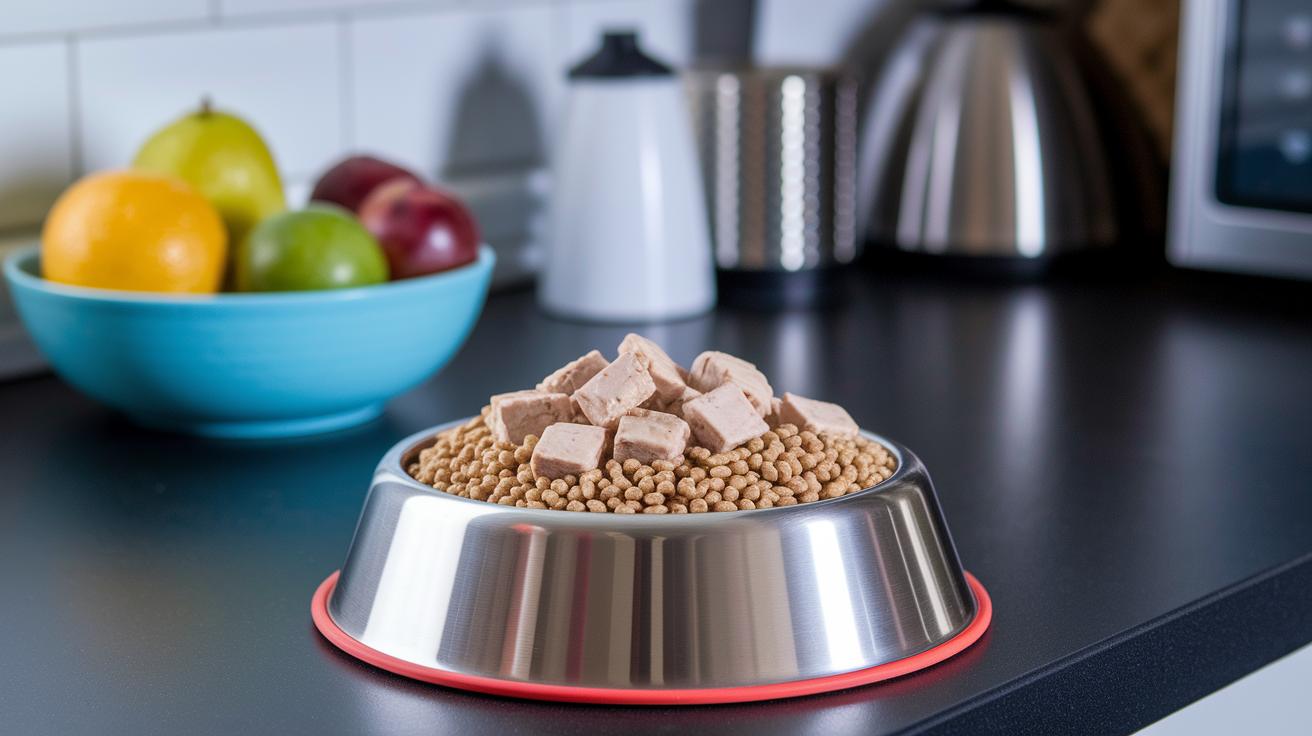
Step 1: Gather and Measure Ingredients
Start by measuring out one cup of a lean protein like ground beef or half a cup of cooked chicken, whatever your pup prefers. Use one teaspoon of salmon oil or vegetable oil per serving for some healthy fats. I always make sure to get my measurements right to keep the meal balanced.
Step 2: Cooking Proteins Safely
Carefully cook your protein choices, whether it’s chicken or beef, to a safe temperature of about 165°F so it’s firm yet tender. For example, fry small chicken pieces until they turn a light golden color, sealing in the flavor while keeping the meat soft and easy to digest.
Step 3: Preparing Carbohydrates and Vegetables
Next, cook half a cup of carbohydrates like brown rice or sweet potato either by boiling or steaming. At the same time, lightly steam a quarter cup each of veggies such as carrots, peas, and green beans to save their vitamins and crunch. Just imagine your furry friend enjoying the colorful mix!
Step 4: Combining Fats and Supplements
Drizzle a teaspoon of salmon oil over your mix to boost vitamin absorption. Then, stir in a vet-approved dose of supplements such as a pinch of eggshell powder (for calcium) and a bit of glucosamine for joint support. This small addition helps support your pup’s overall health.
Step 5: Final Assembly and Serving Tips
Mix all the ingredients in a large bowl until everything is evenly combined. Remember to let the food cool to room temperature before serving. A little tip from me: serve smaller, frequent portions to aid your pup’s digestion and keep their energy steady.
| Ingredient Category | Examples | Function |
|---|---|---|
| Proteins | Lean ground beef, cooked chicken, salmon, eggs, tofu | Helps build and repair muscles |
| Healthy Fats | Vegetable oil, salmon oil, raw sunflower seeds, wheat germ oil | Boosts vitamin absorption and provides energy |
| Carbohydrates | Brown rice, oats, sweet potato, pumpkin | Provides energy and aids digestion |
| Vegetables | Peas, carrots, green beans | Adds fiber, vitamins, and minerals |
| Supplements | Multivitamin mix, eggshell powder (for calcium), glucosamine | Supports strong bones and healthy joints |
Vet Tip: Always let the food cool completely before serving so your pup enjoys a safe and satisfying meal.
Vet Approved Homemade Dog Food Recipes: Chicken, Beef & Fish
We've put together three simple, vet-approved recipes that pet parents everywhere can trust. Each dish makes about 5 to 6 pounds of food with roughly 44 calories per ounce. The meat and carbs are cooked until they're soft and safe, then cooled to room temperature before you blend them into a balanced meal. Keep in mind, serving sizes should be roughly 2–3% of your dog's body weight each day.
Chicken & Rice Recipe
Start with 3 cups of cooked chicken, 2 cups of brown rice, and 1 cup of mixed veggies. First, cook the chicken until it's tender, then chop it into small, bite-sized pieces. Next, simmer the brown rice until it's soft and fluffy. Lightly steam the mixed vegetables so they keep their natural vitamins. Once everything has cooled, mix it all together gently. This recipe makes about 5 pounds of wholesome food.
Example: Picture tender chicken pieces mingling with nutty, fluffy rice and a burst of colorful veggies, creating a meal that's both heartwarming and healthy for your pup.
Beef & Broccoli Recipe
You'll need 2 pounds of lean ground beef, 1.5 cups of cooked rice, and 1 cup of broccoli. Begin by cooking the beef in a pan until it's safe and fully cooked. Steam the broccoli until it's just tender enough to keep a bit of crunch. Then, mix the beef with the soft rice and broccoli. This dish makes roughly 6 pounds of nutritious food that your dog will love.
Example: Imagine sizzling beef combined with soft rice and a hint of fresh, broccoli crunch, a recipe that turns every bite into a nourishing treat.
Fish & Sweet Potato Recipe
Gather 1 pound of cooked salmon, 2 cups of sweet potato, and 1 cup of peas. Bake the salmon until it flakes easily, boil the sweet potato until it's tender, and lightly cook the peas to preserve their goodness. Once cooled, stir all the ingredients together carefully. This recipe yields about 5.5 pounds of food packed with omega-3 fatty acids, which are great for a shiny coat and healthy joints.
Example: Think of the rich taste of salmon mingling with velvety, sweet potato and lively peas, creating a dish that's as delightful to the eyes as it is to the taste buds.
Safety, Portion Control & Meal Plans for Vet Approved Homemade Dog Food
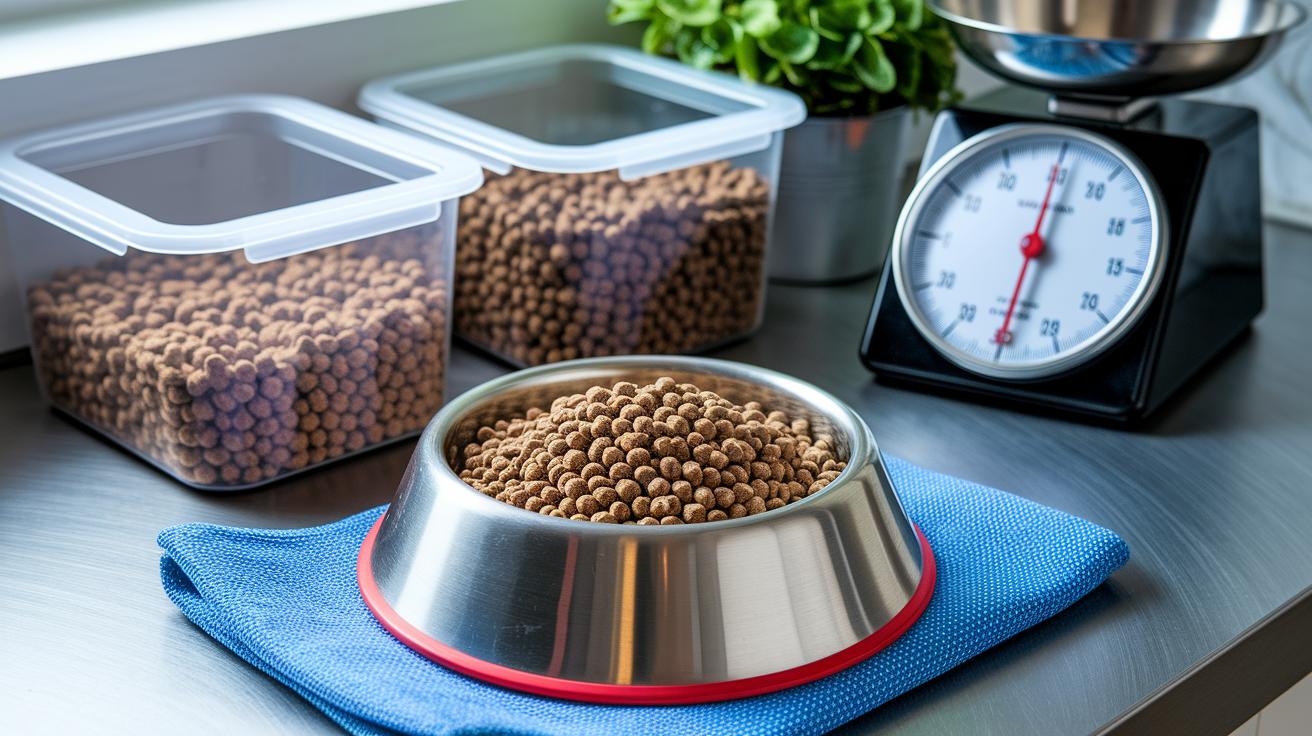
When making vet approved homemade dog food, it’s all about keeping things balanced and safe. A good rule of thumb is to serve your pup about 2–3% of their body weight in food each day, split over 2 or 3 meals. So if your dog weighs 50 pounds, you’d offer roughly 1 to 1.5 pounds of food over the day. This helps keep their energy steady and their tummy happy.
Cooking every ingredient well is key. Make sure you let the food cool to room temperature before serving. Think about that aromatic steam from freshly cooked chicken or beef, let it settle until it’s no longer steaming, then mix with soft, cool rice or sweet potato. This simple step keeps your pet’s meal safe and delicious.
Storing these meals the right way also matters. After cooking, put the food in a sealed container. You can keep it in the fridge for up to 5 days, or freeze it for about 3 months. This lets you prepare meals in bulk without any worries about safety or losing good nutrients.
If you’re considering a raw diet, be extra cautious. Organizations like the AVMA, FDA, and CDC warn against raw feeding because of the risks of bacterial contamination. Have a chat with your vet if you still want to explore raw options, they can give you advice tailored just for your dog.
And here’s a little bonus tip: try adding a dash of fish oil for omega-3 fatty acids (good fats that help keep your dog’s coat shiny) or a sprinkle of eggshell powder for extra calcium. Enjoy crafting meals that are as loving and balanced as the bond you share with your furry friend!
Special Needs Diets: Vet Approved Homemade Options for Puppies, Seniors & Sensitive Dogs
Puppies grow fast, so every bite counts. They need about 4% of their body weight in calories (that extra energy helps them play and grow). When you cook for your little one, mix in some extra calcium from eggshell powder and add DHA, which is great for brain development. A fun idea is to toss in a bit of chopped fruit or veggies with finely shredded chicken. It makes meal time feel like a mini celebration!
Older dogs enjoy meals that are gentle on their tummies. Stick with easily digestible proteins like boiled chicken or turkey and keep the fat low. Adding a small amount of glucosamine and a splash of omega-3 (from fish oil) can help support their joints, kind of like a soothing massage in every bite. It’s a simple way to show a little extra love to your senior companion.
If your dog has a sensitive stomach or allergies, go for a simple recipe. Use one protein source, such as turkey or lamb, and pair it with a basic carbohydrate like rice or potato to keep digestion running smoothly. Avoid common triggers like corn, wheat, and soy to help prevent discomfort. You might also check out this holistic treatment for pet allergies to learn more about caring for sensitive pups.
Cooking for your pet doesn't have to be a chore, experimenting with different recipes can be a fun adventure. Try making a big batch that you can adjust for puppies, seniors, and sensitive dogs so each one gets just what they need. And remember, regular check-ins with your vet can help fine-tune these recipes to keep your furry friend happy and healthy every day.
Raw vs Cooked Approaches in Vet Approved Homemade Dog Food

Raw diets, sometimes called BARF diets, try to echo the way our canine friends once ate in the wild. They can keep those natural enzymes intact (enzymes help break down food), which might support digestion and overall well-being. But raw feeding can also bring risks, like bacteria that might be harmful, especially for dogs with weaker immune systems. Think of it like taking cold meat straight from the fridge that hides potential dangers.
On the other hand, cooked meals can be a safer bet, particularly for dogs dealing with conditions like diabetes or immune issues. In these meals, ingredients such as lean proteins and low-GI carbohydrates, like sweet potato, work together to help keep blood sugar steady. Cooking the food thoroughly reduces the chance of nasty bacteria, so you can feel more at ease knowing each bite is safer.
When it comes to vegan homemade diets, a lot of planning is in order. These meals often need extra help from supplements like B12, taurine, and extra amino acids (the building blocks of protein) to hit all nutritional marks. Imagine mixing plant-based foods and then adding in these extras, almost like spicing up your favorite recipe just right.
No matter which meal plan you choose, talking with your veterinarian on a regular basis is key. Their advice ensures that your dog’s homemade meals truly support a balanced, healthy lifestyle.
Final Words
In the action, we explored how balanced meals can boost your pet's well-being. We broke down vet approved homemade dog food recipes, key ingredient roles, precise portion control, and adjustments for special needs. Each section offered practical ways to put together a nutritious, home-cooked diet that supports your pet’s health. Small tweaks and regular check-ins make a big difference in keeping your furry friend happy. Enjoy creating meals your pet will love while feeling confident in your care.
FAQ
What do vets recommend for homemade dog food?
Vets recommend recipes that mix lean proteins (like chicken or beef), healthy fats, carbs, and vegetables to supply complete nutrition. Regular vet check-ups help keep the meal plan on track.
What is the most important ingredient in homemade dog food?
The most important ingredient is a high-quality protein source (such as lean meat or tofu), which provides essential amino acids to support muscle health and overall vitality.
How do I make sure my homemade dog food has all nutrients?
To ensure complete nutrition, combine balanced portions of proteins, healthy fats, carbs, and veggies. Check evidence-based pet nutrition recommendations and work with your vet for personalized adjustments.
What are some vet approved homemade dog food recipes for different dog sizes and life stages?
There are tailored recipes for large dogs, small dogs, seniors, and puppies. Each recipe adjusts calorie counts, protein sources, and nutrient supplements to suit your pet’s specific needs.
Where can I find nutritionally complete homemade dog food recipes?
Nutritionally complete recipes are available in downloadable PDFs and online guides from trusted pet nutrition sources, offering verified formulas that address general needs and specific health concerns.
What is the best homemade food to feed a dog at home?
The best homemade food is one that balances lean proteins, wholesome carbs, and fresh vegetables to provide a safe, complete diet, customized to your dog’s size, age, and health requirements.
Are there vet approved recipes for dogs with specific health issues?
Yes, there are recipes designed for dogs with health challenges like sensitive stomachs or joint issues, often featuring single protein sources and added supplements such as glucosamine for extra joint support.