
Most households already have a money routine, even if it lives in memory rather than on paper. Bills get paid when they arrive, groceries appear on a rough schedule, and surprise costs are handled as they come. Changing that routine can feel exciting, yet a new system only helps when it fits the way your home actually runs from one week to the next.
Before you adopt a new approach, it pays to compare what you do now with what a different method would ask of you. The points below cover your current patterns, the features that matter most and the privacy questions that deserve attention. General information like this cannot tell you what to do with your savings, but it can sharpen the decisions you make at home.
Listing Your Current Spending Patterns
Start with a plain record of where the money goes over an ordinary stretch of time. Gather bank statements, card summaries and receipts from the kitchen drawer, then sort them into groups such as housing, food, transport and leisure. Many families discover that small recurring charges add up faster than the large bills they worry about most. Readers may also want to visit canadian-forex-brokers.com/.
Look for patterns rather than single purchases. A week of takeout, a monthly delivery subscription or a standing transfer to a shared account can reveal habits that the household never planned. Write these patterns down honestly, because any new method will be measured against what you actually do rather than what you hope to do.
Comparing Budgeting Methods
Budgeting methods differ in how much detail they expect. Some ask you to assign every dollar of income to a category, while others track a few fixed costs and leave the rest flexible. Consider how often you want to check progress, whether you prefer paper or a digital record, and how many people in the home must take part in the process.
You can also visit Money-plans.com for more reading. Those guides often describe how different approaches handle irregular expenses, shared accounts and changes in income. Comparing two or three methods side by side is usually more useful than trying to master one complicated system on the first attempt.
A simple spreadsheet, a notebook or a basic envelope system can each work well for certain households. The best choice is usually the one that people will open without being reminded. Some families also find that a monthly planning meeting gives everyone a chance to raise concerns before they turn into arguments.
Checking Privacy and Account Access
Any budgeting service that links to bank accounts needs careful review before you connect it. Check who can see your data, whether the company says it sells information and how easy it is to remove access later. Use strong, unique passwords and turn on two-step verification wherever it is offered.
For a related read on this site, see Planning Around Local Shop Hours on a Trip. Pay attention to the permissions you grant, because a tool that only needs to read balances should not hold the power to move money. Review those permissions every few months and remove anything you no longer use.
Watching for Hidden Subscriptions
Subscriptions often slip past a household budget because each one looks small on its own. Trial periods that convert to paid plans are a common source of surprises. Make a list of every recurring charge, including streaming services, storage plans, memberships and apps that renew automatically.
Once the list is complete, decide which charges still earn their place in your routine. Some households schedule a short review each season so that renewals do not catch them off guard. Cancelling an unused service is often easier than explaining a surprise charge later, and the savings in attention can be just as valuable as the money itself.
Testing a Method for a Few Weeks
Trial a new system for a few weeks before you commit fully. Keep the old records alongside it, so you can compare how the household feels about the new routine and how much time it takes. Small irritations, like entering the same grocery total twice, often show whether a method is sustainable over the long run.
Invite every adult who handles money to share feedback. A method that one person loves may frustrate another, and shared buy-in matters more than perfect categories. If the test shows the routine is too heavy, simplify it rather than abandoning the goal altogether.
Keep a short written note of what worked and what felt awkward during the trial period. Those notes make it easier to decide whether the method deserves a permanent place in the household. They also remind everyone that the goal is calmer money conversations rather than perfect records.
Keeping the Routine Flexible
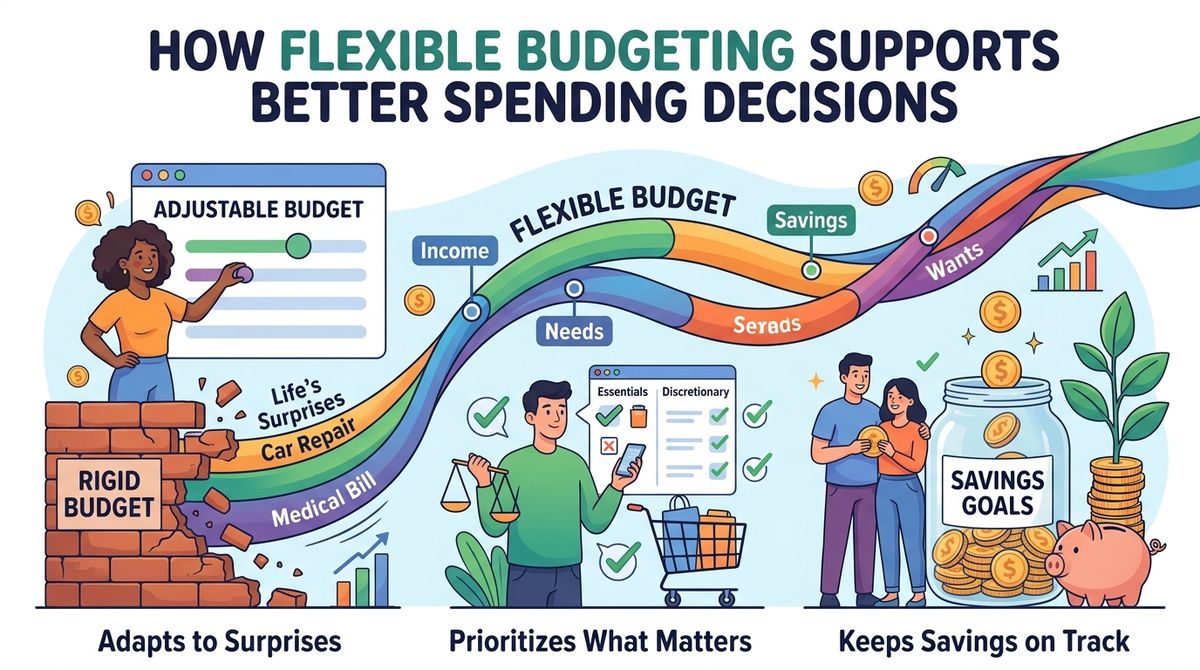
A household budget works best when it bends with real life. Seasonal costs, changes in work and new family needs will all require adjustments. Treat your method as a living routine, review it regularly and let it grow with your home rather than forcing your home to fit the method.