
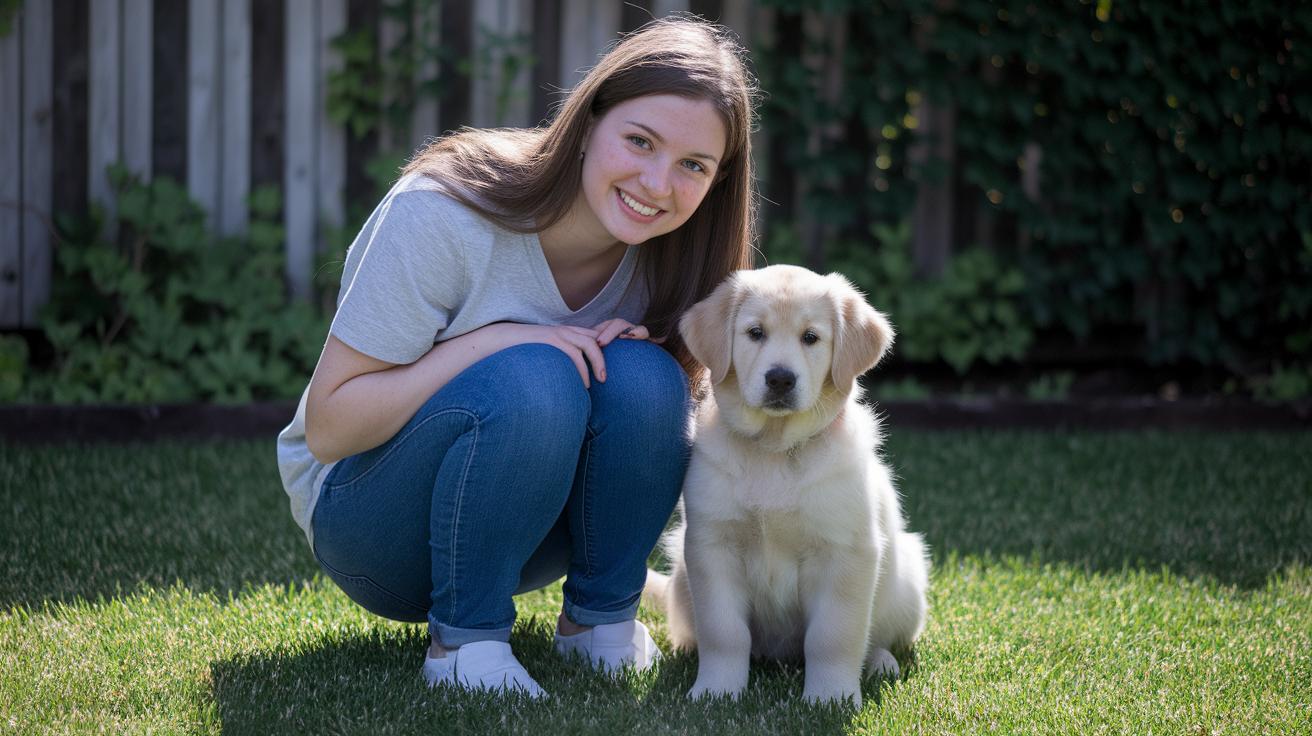
Is your new puppy already trying out your patience? From day one, a little training goes a long way in building a warm bond.
Imagine showing your tiny furball how to sit with gentle words and small, tasty rewards. These simple moments may seem small, but they lay the groundwork for a trusting relationship.
Even if you’re a busy first-time pet parent, fun and short training sessions can create good habits and build trust. In this guide, you’ll find easy tips to help your pup grow into a confident and loyal friend.
How to Train Your Puppy: Advice for First-Time Owners
Start teaching your puppy the basics as soon as they're 2 or 3 months old. Try simple words like "no" or "good" to signal what you mean. Imagine calling your pet, and when they come, handing over a tiny treat (like a small piece of cheese) as a reward. These little, steady steps help your puppy learn their name and build confidence.
Keep these early lessons as the solid base for more training. If you're new to puppy parenting, squeeze in short training sessions into your day, a few minutes of commands mixed with play and snuggles works great. Consider five to ten minutes at a time, especially after meals when your pup is alert. It’s a fun way to practice commands like "sit" and create happy routines.
Don’t skip early socialization either. While your puppy is calm, gently rub their ears, paws, and tail. These touches get them used to grooming and vet visits later on. It’s like a gentle preview of all the care they’ll need as they grow.
And remember, consistency is key. Use the same tone and order every time you give a command. With a bit of patience and plenty of rewards, your puppy will grow into a confident companion who knows just what you expect.
Puppy Training Advice for First-Time Owners: Happy Beginnings
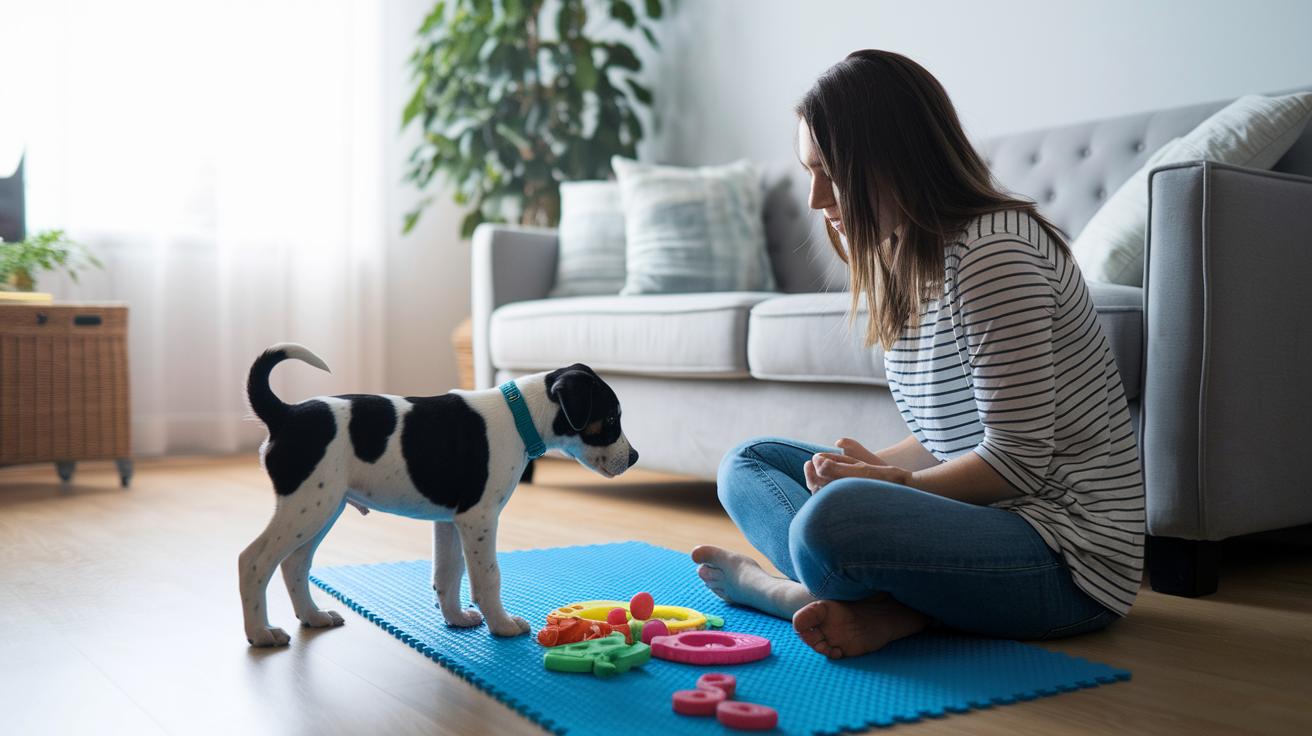
Setting up a clear daily routine can really make a difference with your new puppy. Experts find that sticking to set times for feeding, potty breaks, play, and training helps your little buddy form healthy habits. Short, focused sessions of five to ten minutes work best because puppies have a short attention span. It’s like sprinkling fun mini-lessons throughout your day.
Mix things up with a little variety in your schedule. For instance, you might start with breakfast paired with a quick session to practice simple commands, then give your pup a potty break. Have you ever noticed the sparkle in your puppy’s eyes when learning something new? That’s the joy of a good routine.
Here’s one idea for a daily plan:
| Time | Activity |
|---|---|
| Morning | Feeding and a short command session |
| Mid-Morning | Playtime and a bathroom break |
| Noon | Lunch with a gentle reminder session using treats |
| Afternoon | Nap, play, and another brief training exercise |
| Evening | Feeding, a final potty break, and cuddle time |
A consistent schedule helps your puppy know what to expect and makes training a fun, shared adventure. As you start noticing little wins, like longer focus during sessions, both you and your furry friend will feel more confident and happy every day.
Mastering Housebreaking: Potty Training Techniques for New Owners
Sticking to a steady routine is the secret sauce for helping your puppy learn where to go. Try matching their bathroom breaks with natural moments, right after meals, snooze time, or during fun play sessions, take your puppy out to their spot. This habit not only cuts down on indoor messes, but it also teaches them what’s expected. And hey, when they do it right, give them a quick “Good job!” and maybe a little treat. That warm nudge works wonders.
Right from the start, set some clear home rules. Use the same word or phrase every time you head outdoors, it might be as simple as “outside time.” Soon enough, your pup will know that the great outdoors is where relief happens. If an accident slips in indoors, don’t punish them. Instead, just clean it up lightly and stick with your routine. This calm approach keeps your little friend feeling safe and helps them learn without confusion.
Experts suggest keeping things positive with a gentle, reward-based method. So when your puppy successfully uses their favorite spot, offer some praise, a tasty treat, or even a burst of play. With patience and steady practice, your puppy will pick up on the routine and feel right at home with the new rules.
Introducing the Crate: Creating a Safe Haven for Your Puppy
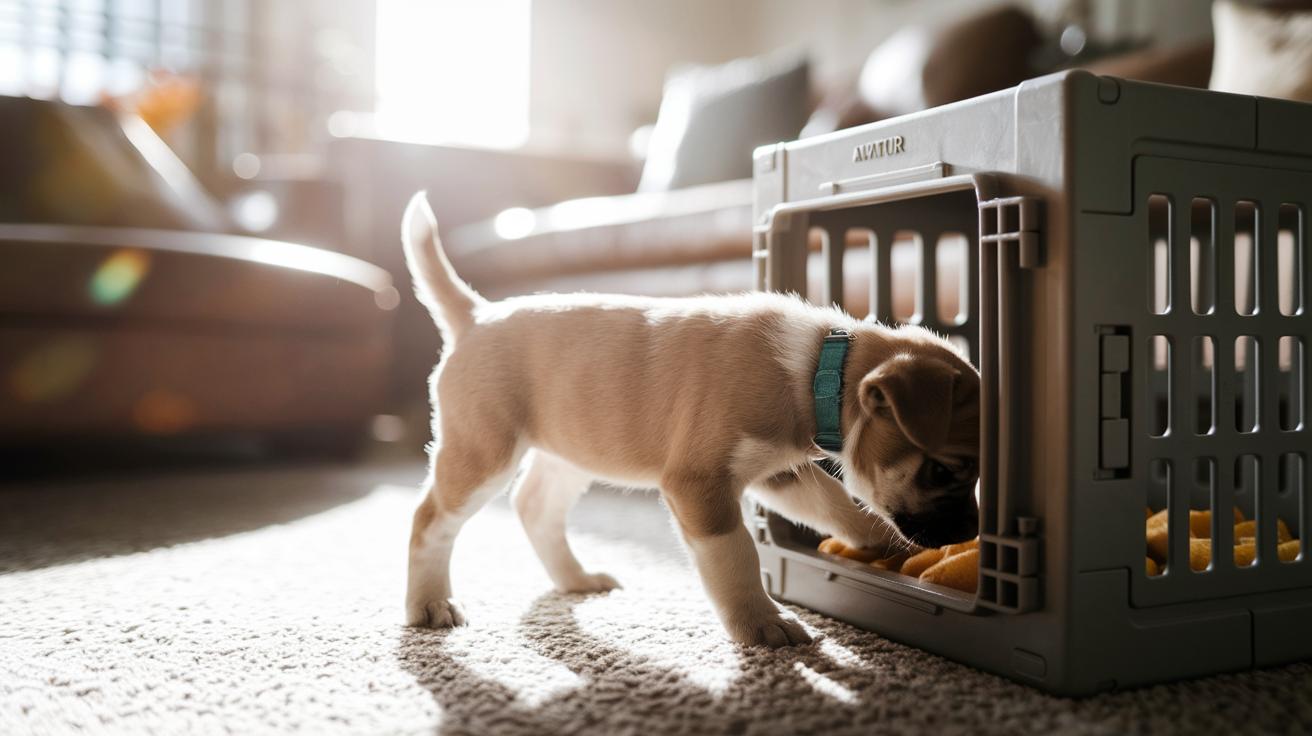
Getting your puppy used to a crate is about making a cozy, personal retreat. Think of it as a little den where your furry friend can relax and learn good habits. The crate helps with housebreaking and teaches your pup new behaviors, all without any harsh rules. Instead, invite your pup in by placing a favorite treat inside, like a small piece of chicken, and let them explore at their own pace.
Start with short sessions so your puppy quickly sees the crate as a calm spot for resting or playing. Just a few minutes at first can make a big difference. Imagine giving them a cheerful "good job" when they spend a little treat-filled time in their new safe space.
Be gentle and avoid any strong reactions. Experts say that punishing your puppy in the crate might make them feel anxious about the space. Instead, keep things light with gradual, treat-based introductions. Adding a soft blanket or a fun toy can make the crate even more inviting. With regular, brief sessions and lots of positive vibes, the crate will soon be a cherished part of your puppy's day, a true safe haven they’ll love.
Using Positive Reinforcement to Shape Desired Behaviors
Using rewards is a fun and simple way to show your puppy what behaviors are welcome. When your little buddy nails a command, give an instant reward, a yummy treat, a cheerful compliment, or even a short play session. Imagine your pup sitting nicely after a "sit" command and then getting a treat that makes its tail wag like crazy. This immediate joy not only reinforces the behavior but also deepens the special bond between you two.
Consistent cues work wonders. Stick to the same words and tone every time you ask for a command. Acting fast with a reward helps your pet understand what tickles your fancy. Instead of getting upset when mistakes happen, celebrate every little win; your puppy learns best when they're showered with positive vibes, not fear.
Building confidence through steady rewards is key. Start with tasty treats and slowly move to kind words like "Good job!" or a quick pat. As time goes by, these verbal nods become reminders of the fun moments you’ve shared. In short, turning good behavior into a celebration makes every training session a happy, bonding experience for both of you.
Leash Training Basics for Safe and Confident Puppy Walks
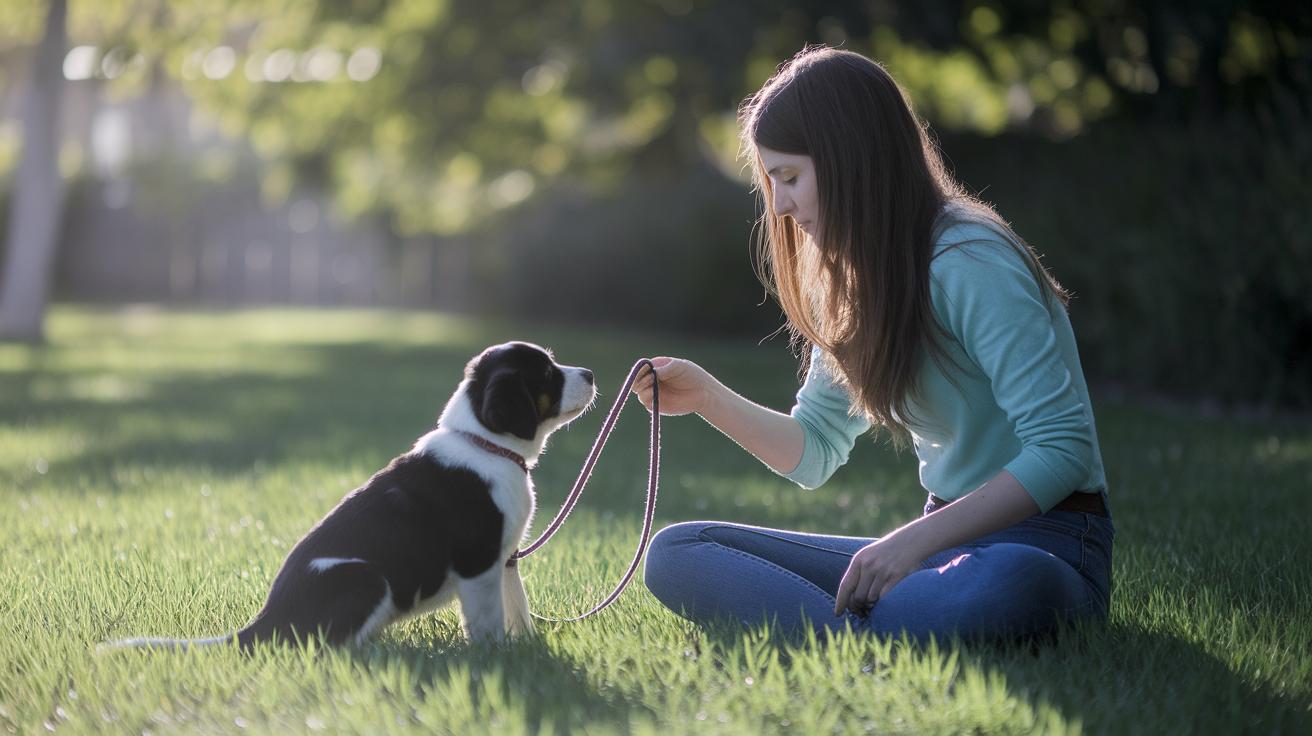
Start your puppy’s leash training in a familiar indoor spot where distractions are minimal. Keep the sessions short and upbeat, about five to ten minutes works well for a pup with a short attention span. This time helps your little buddy get cozy with their collar or harness, which should fit just right for both comfort and focus.
Practice loose-leash walking around your home by inviting your puppy to follow at their own pace. If they start to pull, just pause and call them back gently with a friendly, "Come on, let's go." This simple guidance builds trust and confidence before you venture out where there are more distractions.
Mix in some fun during your practice. Reward your pup with a small treat or soft praise when they stay by your side. This little boost reinforces good behavior. And remember, keeping the sessions short and regular is key to helping your puppy learn to walk safely and confidently on leash.
Early Socialization Tips for a Well-Adjusted Puppy
Getting your puppy to meet new faces and explore cozy spots between 8 and 16 weeks is really important. These gentle introductions, like a calm hello with a friendly neighbor in a quiet spot, boost your pup's confidence and help keep fears and unwanted behaviors at bay.
Keep these meet-ups short and sweet. Picture a quick walk on a less busy street or a short, calm visit to a nearby park. It’s like a burst of fun followed by a little chill-out time. This way, your puppy starts to see that new adventures can be both exciting and safe.
Organized playdates with other kind dogs work wonders too. Whether it’s a playful romp in a fenced yard or a casual game of chase, these sessions help your pup learn good manners, like not jumping too high or nipping too hard. Rewarding your little buddy with treats and kind words makes it all the more positive.
Watch for your pup’s signals and take it slow if they seem overwhelmed. Steady, gentle exposure is the secret to raising a happy, well-adjusted canine companion.
Tackling Common Puppy Challenges: Nipping, Jumping, and Chewing
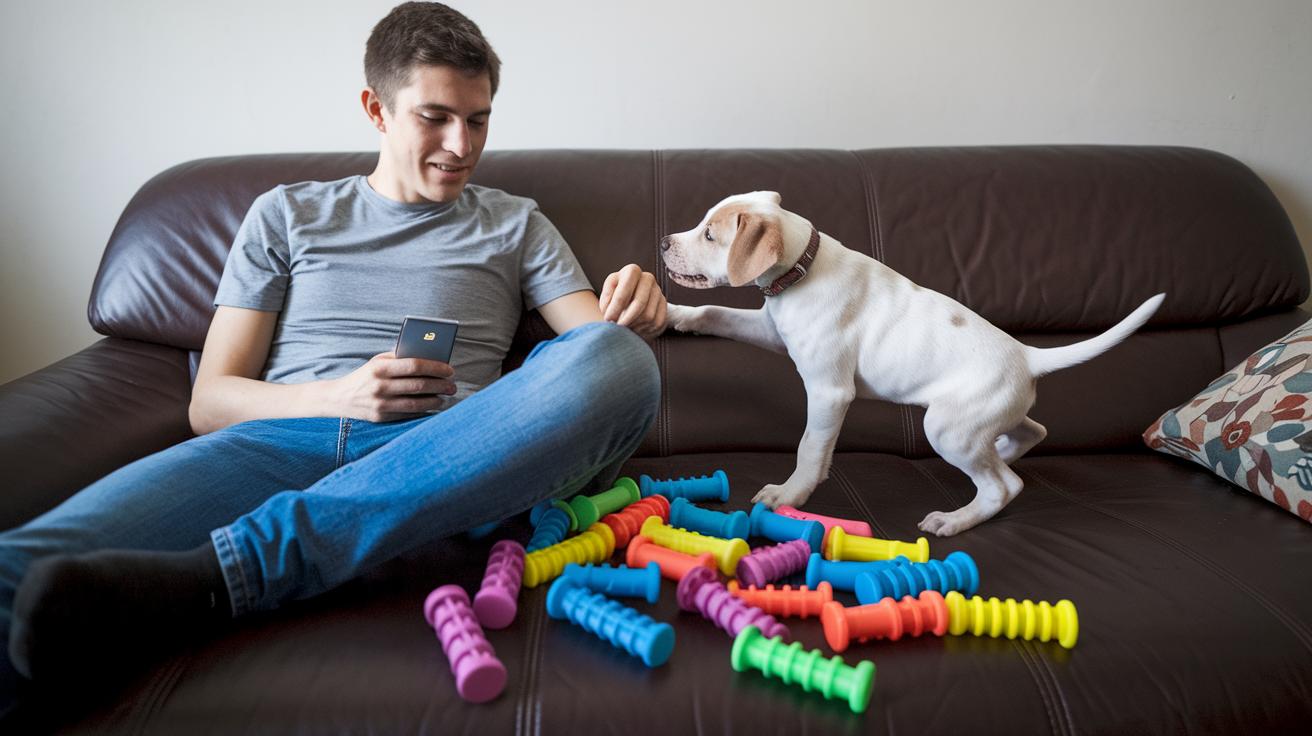
When your little buddy starts nipping or chewing, a calm, clear response goes a long way. Try turning training into a simple game that teaches gentle mouthing. For example, if your pup gets too rough during play, pause and say, "Ouch!" in a friendly but firm voice. That quick break helps remind them to be gentle.
For nipping, keep in mind that your hands and clothes aren’t chew toys. Instead, offer a chew toy when you see those teeth coming your way. Redirecting their attention like this shows them what’s okay to bite and stops unwanted habits before they start.
Jumping can be a bit tricky too. The secret is to give your pup attention only when all four paws are on the floor. Imagine your excited puppy bouncing up, and then you patiently waiting until every paw touches down before you offer a kind word or a treat. This simple rule goes a long way in teaching proper behavior.
When it comes to chewing on things like furniture or shoes, gently steer your puppy toward a safe chew alternative. If they keep on chewing the wrong thing, simply remove it without fuss. Doing this every time helps build a habit that both you and your pup can trust.
Step by step, each redirection makes training feel like a heart-to-heart conversation. Soon, your puppy will understand which actions lead to gentle, happy interactions, and you'll both enjoy those little moments even more.
Key Puppy Training Tools and Class Recommendations for First-Time Owners
When you bring home a new puppy, joining a class can really boost the training you do at home. Experts say that spending time in a friendly class helps your little buddy pick up key skills. Imagine an instructor showing you how a tiny treat can encourage a command. It makes training feel fun and easy.
In addition to classes, try mixing in video tutorials, simple checklists you can print out, and mobile apps. A video might show you the right way to reward your puppy after following a command (this builds their confidence), while a checklist reminds you of every training milestone. And a handy app that tracks progress can make every small win feel extra special.
These tools offer clear, step-by-step advice that makes learning smooth for first-time owners. They work like a practical guide, giving you support as you watch your puppy grow and learn. Ultimately, you and your furry friend can both enjoy the journey of learning together.
Final Words
In the action, you learned how to guide your puppy from simple cues to confident leash walks. Short practice sessions built daily routines that help with housebreaking, crate training, and socialization. Kids of ideas like rewarding your pet and gentle redirection make each training moment count. With clear puppy training advice for first-time owners, simple steps pave the way to a loving, well-behaved companion. Keep experimenting with these tips, and enjoy every wagging tail and joyful bark along the way.