
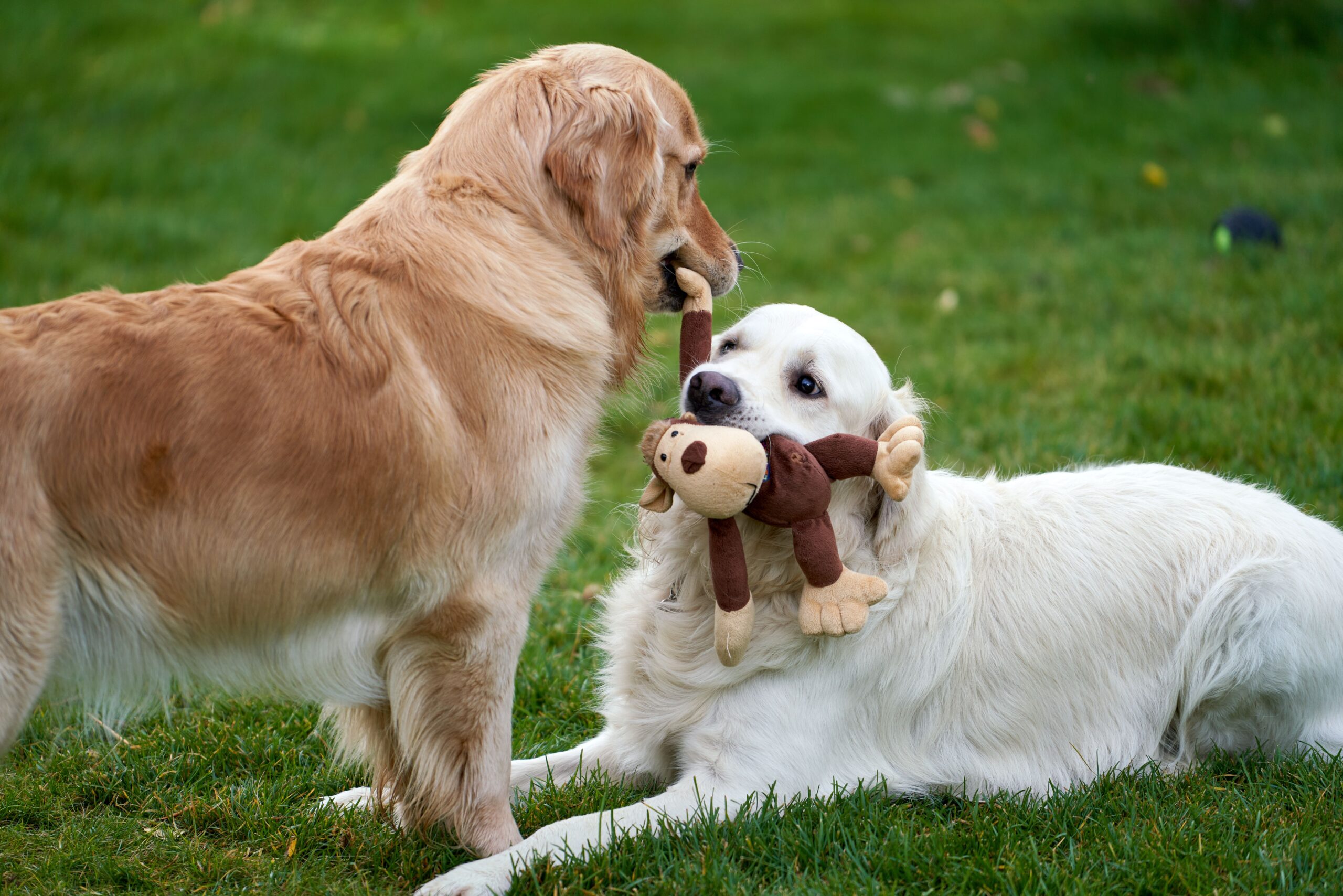
Pet product inventions are booming because the category sits at the intersection of a spending-willing audience and problems that are easy to see and simple to solve. Owners treat pets as family and buy accordingly, and many of the best-selling pet items started as one person’s fix for a daily annoyance: a feeder that stops a dog from eating too fast, a brush that catches loose fur, a toy that survives an aggressive chewer. The barrier to inventing in this space is low, and the appetite for clever solutions is high.
Why pet products favor independent inventors
Big companies design for broad appeal. Independent inventors, who often own the pet that inspired the idea, design for a specific frustration they live with. That specificity is an advantage in a category where buyers are searching for exactly the fix that solves their problem. An inventor who has watched their cat ignore ten toys knows precisely what the eleventh needs to do.
The products also demonstrate their value quickly. A pet accessory that solves a visible problem shows its worth in a short video or a single photo, which is why the category performs so well online and at retail alike. The gap between “I see the problem” and “I understand the solution” is small, and small gaps sell.
Design patents and the look of a product
Many pet inventions compete on form as much as function, which makes design protection relevant. A design patent protects the ornamental appearance of a product rather than how it works, and the United States Patent and Trademark Office grants tens of thousands of design patents each year according to its published statistics. For a pet product whose shape and look drive its appeal, that form of protection can matter as much as a utility patent.
What separates a licensed pet product from a garage idea
The pet aisle is crowded, and buyers at retail chains and established pet brands see many pitches. What moves an idea forward is presentation and readiness, not enthusiasm. A concept shown through clean renderings and a defined design reads as a real product a company can bring to market. A hand-built sample held together with glue reads as a hobby.
Enhance Innovations, a product development firm founded in 2010 in Champlin, Minnesota, approaches pet product concepts the same way it approaches any consumer product, working virtual-first with photorealistic renderings, a computer-aided design model, and product animation that show a buyer exactly what the finished item looks like. By keeping design, engineering, marketing, and licensing under one roof, the firm gives an inventor a single path from a rough pet-care idea toward a package a manufacturer or brand can evaluate.
Safety is part of the pitch
Pet products face real safety expectations, because a poorly designed item can injure an animal or fail in ways that trigger complaints and returns. The Consumer Product Safety Commission tracks recalls and hazards across consumer categories, and its recall database is a reminder that product safety is not optional. An inventor who designs with materials, durability, and choking or entanglement risks in mind builds a product a brand can defend, and a product a brand can defend is a product a brand will consider licensing.
The chew-and-swallow problem
Pet products get chewed, dropped, soaked, and dragged. A design that ignores how an animal actually treats an object will fail in the field even if it looks perfect on a screen. This is where engineering detail matters, choosing materials that behave under real use and shaping parts that do not break into hazards. Getting this right in the design stage is far cheaper than discovering it after a production run.
A realistic path for the pet inventor
The sequence mirrors any product category. Confirm the idea is new through a prior-art search. Protect the parts worth protecting, appearance through a design filing, function through a utility filing where it applies. Develop a manufacturable design with renderings and CAD. Then approach the pet brands and retailers, who license outside ideas regularly and evaluate them through professional materials. The Small Business Administration’s business guide is a useful starting point for the business side of turning a pet-care fix into a real venture.
Why the boom is likely to last
Pet ownership is broad and steady, owners keep spending on their animals, and the problems pets create are endless and specific. That is a durable formula for invention. The independent inventors who succeed treat their idea as a real product from the start, protect its look and function, and present it the way a brand expects to see it. The category rewards people who solve a genuine annoyance and then do the unglamorous work of making the solution real.