
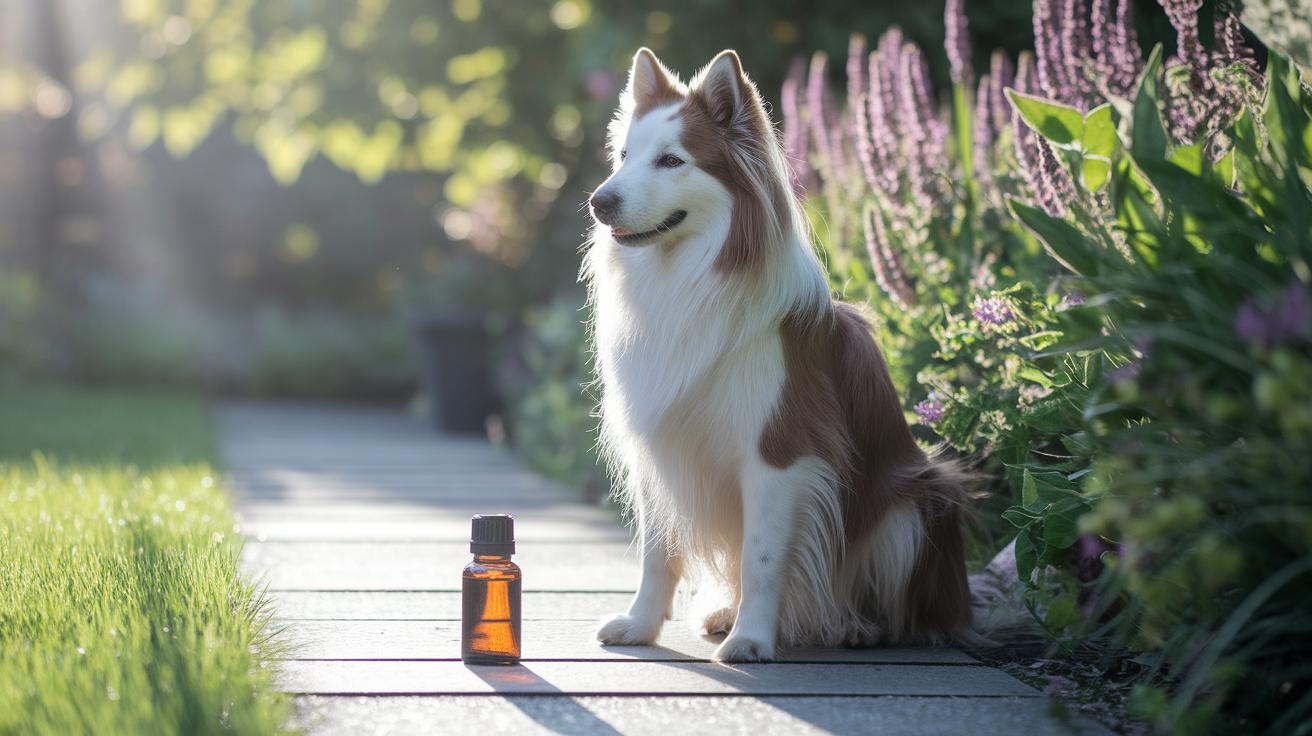
Ever wondered if that nice smell might actually be risky for your pet? It might sound surprising, but essential oils (natural plant extracts many use for a soothing vibe) can sometimes lead to drooling, coughing, or even breathing troubles. Lots of pet parents are shocked by how quickly a scent they love can turn harmful. In this chat, we'll go over smart ways to keep these natural aromas safe for your furry friend. You'll get simple tips so you can enjoy a fresh home without worrying about your pet's well-being.
Pet Aroma Safety Fundamentals with Essential Oils
Sometimes essential oils have lovely scents that help calm people, but they can be dangerous for our furry friends too. When you use a diffuser, these strong liquids might make your pet drool, cough, squint, or even breathe hard. Pets with breathing issues, like asthma, can get even sicker when they breathe in these oils. Cats are especially sensitive, just a tiny bit can lead to serious, harmful reactions. That’s why as pet parents, we need to be extra careful with natural scents that seem safe, because our beloved companions might react in unexpected ways.
- Store all essential oil bottles out of reach from your pet.
- Always mix oils with a carrier (like a basic oil) before using them; never put them directly on or near your pet.
- Don't diffuse oils in places where your pet spends most of its time.
- Watch your pet carefully for any signs of trouble, like coughing or labored breathing.
- If you think your pet has come into contact with essential oils, remove the source immediately.
If your pet starts acting strangely or shows any odd signs after being around these oils, act fast. Even small irritations can get worse quickly, especially if your pet already has health issues. If your furry friend seems uncomfortable, take them to a vet right away or call someone who knows about animal poison control. Remember, even if essential oils can make your home smell nice, your pet's safety always comes first. And, always check with your vet before trying out any new fragrance around your pet.
Understanding Essential Oil Toxicity for Pets
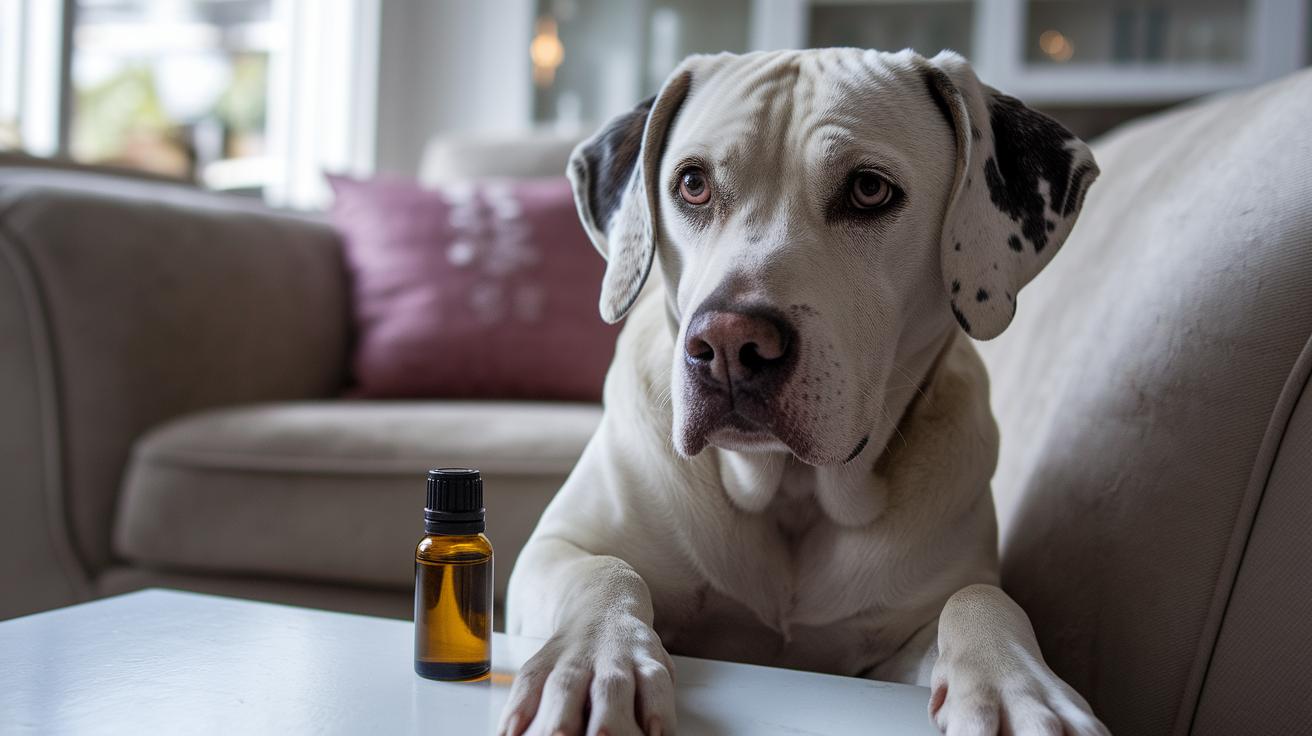
Have you ever noticed how a wagging tail can quickly turn droopy when something isn’t right? Some essential oils, like tea tree, wintergreen, and pine, can be risky for our furry friends. Even just a few drops of super-strong tea tree oil (around seven drops at full strength, for instance) can set off a toxic reaction.
Pets can come into contact with these oils in a few ways. They might soak it up through their skin, inhale it from a diffuser, or even lick it off their fur after coming into contact with the substance. Imagine your pet grooming itself after walking by an oily surface, unwittingly taking in something harmful.
At first, signs of exposure might be pretty subtle. Your pet could start drooling, licking its lips more than usual, or lose interest in mealtime. These early clues are like soft nudges reminding you that something isn’t quite right. Spotting these hints early makes it easier to remove the source and help your pet feel better sooner.
If things get worse, the symptoms can escalate really fast. Look out for things like constant vomiting (sometimes even with a bit of blood), shaky muscles, trouble breathing, or sudden seizures. Other signs such as heavy panting, muscle weakness, pale gums, or unusual changes in body temperature are also clear signals that your pet needs help immediately. When you see any of these issues, a quick visit to the vet could really make a difference.
Cat-Friendly Essential Oils: Best Practices and Warnings
Our feline friends are extra delicate when it comes to essential oils. They simply don’t have the liver enzymes necessary to break down many of the substances found in these oils. Even a small dab, whether swallowed or touched on the skin, can cause symptoms like vomiting, drooling, or feeling drowsy. Sometimes, a diffuser can even lead to breathing troubles or odd behaviors. It’s surprising how something as light as a mist can quickly turn into a danger for our cats.
When you’re adding scents to your home, stick to products that clearly say they’re safe for cats and always check with your vet first. Remember, just because an oil is okay for dogs doesn’t mean it’s safe for cats. A little extra care goes a long way; keep your oils weakly diluted and use only a light touch with fragrances to keep your kitty safe.
Place diffusers in spots where your cat doesn’t usually hang out, and keep a close eye on any changes. If you see signs like coughing, squinting, or any unusual shifts in behavior, turn off the diffuser right away and call your vet. This way, you can enjoy pleasant natural scents at home without putting your cat at risk.
Dog-Safe Essential Oils: Volatile Compound Advice

When you’re thinking about essential oils for your dog, it’s really important to know which ones might be unsafe and which could be okay if you use them right. Many pet parents have found that, with a vet’s guidance, a well-diluted drop or two of lavender or chamomile (oils known for their soft, calming scent) can be safe for dogs.
Some oils, however, can upset your pup and should be completely avoided. For example, tea tree, wintergreen, pine, eucalyptus, cinnamon, citrus, peppermint, and ylang-ylang can be risky. A little exposure might cause mild signs like extra drooling, lip licking, or some restlessness. But if you see more serious signs like muscle tremors, vomiting, unsteady steps, heavy panting, or a sudden change in body temperature, that means it’s time to call your veterinarian right away.
If you want to test a new essential oil around your pet, try doing these steps:
| Step | What to Do |
|---|---|
| 1 | Mix a 1% dilution with a carrier oil (like coconut or olive oil). |
| 2 | Give your dog a quick sniff test under your watchful eye. |
| 3 | Watch your buddy for 30 minutes for any signs of discomfort. |
| 4 | If you notice any problems, stop using the oil right away. |
Taking these easy steps can let you share the soothing benefits of essential oils with your dog, all while keeping your furry friend safe.
Diffuser Operation and Aroma Hazards Prevention with Essential Oils for Pets
Start by placing your diffuser where your pet can relax without worry. For example, try to keep it at least six feet away from your pet’s favorite resting spot or busy areas. This small gap helps create a safe bubble where your pet isn’t overwhelmed by the scent. Also, make sure the room has plenty of fresh air to lower oil levels in the air.
Keep your diffuser sessions light and brief. Limit each round to about 15 to 30 minutes, and stick to no more than two sessions each day. This keeps the oil mix gentle and prevents strong fumes that might bother your pet. Imagine a soft, calming mist filling the room instead of a heavy cloud, so your furry friend can always find a space free of extra scents.
If you see your pet acting restless or breathing harder than usual, turn off the diffuser right away. Wipe down nearby surfaces gently with a damp cloth to remove any extra oil that might cause irritation. This quick clean-up is like tidying a small spill before it turns into a bigger mess. Watching your pet closely while using a diffuser is a simple way to keep everyone safe and happy.
Safe Natural Scent Alternatives to Essential Oils in Pet Homes
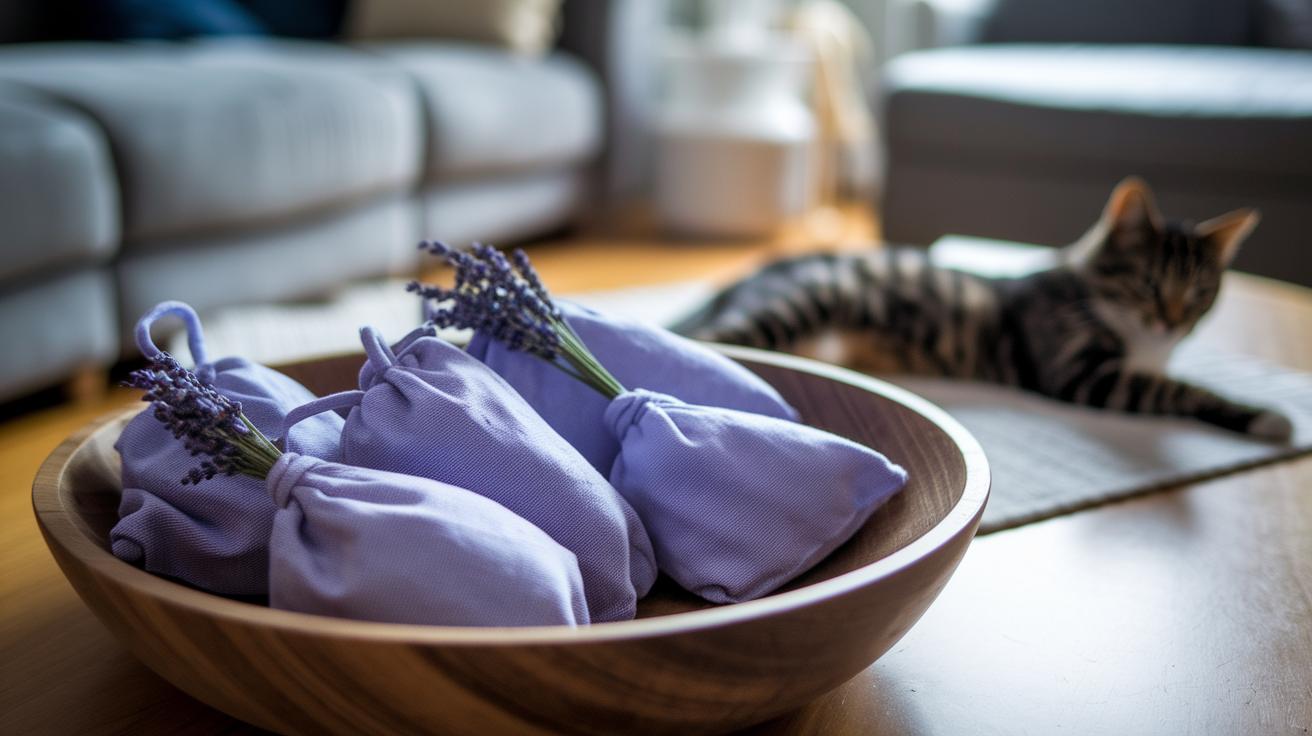
If you want your home to smell fresh without putting your pet at risk, try some safe, pet-friendly scent options. Unscented candles give a gentle glow and cozy feel without harsh chemicals. You can also simmer a pot with pet-safe herbs like chamomile (a calming herb) and rosemary (a savory, natural herb) to fill your kitchen or living room with a warm, inviting aroma.
Dried lavender sachets work great too. They add a subtle, soothing scent that helps set a relaxed mood for you and your pet. Another idea is to use a HEPA air purifier (a filter that cleans the air) or simply open a window to let in fresh air.
For extra safety, store any scented items in a locked cabinet, out of your pet's reach, and switch up the scents regularly. This little routine stops constant exposure to one fragrance and keeps your home feeling balanced and safe for your furry friend.
Final Words
In the action, this article broke down the basics of pet aroma safety, covering key risks and setting steps to use essential oils correctly around pets. It guided you through proper dilution, diffusion practices, and vital warnings for both cats and dogs.
The advice shows that with a little care, you can create a lovely, safe environment. Keep these tips in mind to make essential oils safety for pets a part of your routine and enjoy peace of mind.
FAQ
What essential oils are safe to diffuse around pets (dogs and cats)?
The safe oils must be used with care; for instance, diluted lavender or chamomile may work for dogs, but cats are extremely sensitive. Always check with your vet and closely monitor your pet’s reaction.
What essential oils are toxic to cats, and which ones might be safe?
The essential oils may be dangerous for cats, with some, like tea tree and citrus oils, posing risks. Only products explicitly labeled safe for feline use should be considered, and vet consultation is crucial.
Is lemon essential oil safe for dogs?
Lemon essential oil might irritate a dog’s skin and breathing. It is best used sparingly, highly diluted, and only under veterinary guidance to avoid any risk of discomfort or adverse reactions.
Are essential oils safe to use around pets?
Using essential oils around pets can trigger reactions like drooling, coughing, or labored breathing. They are best used cautiously and with proper monitoring, especially for animals with existing respiratory issues.
How do I safely operate an essential oil diffuser around my pets?
Safely operating a diffuser requires placing it in a well-ventilated area at least six feet from pets, limiting use to 15–30 minutes per session, and watching for any signs of distress to promptly shut it off.