

Ever wondered if the way you train your pet is really setting them up for success or causing stress? Many pet owners stick with quick fixes, not realizing that rewards can help create a happier, more confident pet.
When your furry friend gets a treat or a little extra cuddle after doing something good, they learn to repeat that behavior. In this post, we chat about why using rewards makes training a fun and gentle process, much better than relying on punishment.
Read on to see how positive reinforcement can lead to lasting success with your pet.
Understanding Positive Reinforcement Versus Punishment in Pet Training
Positive reinforcement is all about adding a reward when your pet does something right. When your dog sits or stays, you might give them a little snack, a toy, some playtime, or even a bit of extra cuddle time. This instant reward makes your dog excited to do the behavior again because they quickly learn that good actions really do bring good things. Have you ever noticed how a wagging tail can say it all? It’s like a happy cycle that builds your pet’s confidence and strengthens your bond together.
On the flip side, punishment uses something unpleasant to stop unwanted behavior. This might be a quick tug on the leash, a spray of water or citronella, or even harsher methods like a poke or collar correction. The idea is to scare your pet away from doing the bad behavior. But often, this can leave your dog confused or anxious instead of knowing what you really want them to do. It’s more about creating fear than teaching the right way.
When you put these methods side by side, the differences become clear. Positive reinforcement leads to a cycle of rewards and calm learning, making the whole training process less stressful for your pet. In contrast, punishment can cause stress and make your dog hesitant. In the end, using rewards tends to create a happy, eager learner, while punishments might only make your pet feel uneasy.
Behavioral Science of Rewards and Punishment in Pet Training

Training our pets involves four main methods. With positive reinforcement, you add something nice, a treat, a favorite toy, or kind words, when your pet does something good. Negative reinforcement means taking away something unpleasant when the right behavior happens. Then there’s positive punishment, where you add a mild uncomfortable feeling (like a gentle leash tug) to stop unwanted actions. Negative punishment involves removing something fun, like playtime or a tasty snack, so your pet learns what not to do.
Positive reinforcement is a friendly way to teach your dog new tricks. When you reward a pet with treats or praise right after they sit or come, it helps them learn without stress. Imagine a pup eagerly waiting for that treat, it makes training feel like a fun game. Using rewards builds trust, reduces anxiety, and creates clear routines that strengthen your bond.
On the other hand, punishment methods involve adding or taking away things to lower a behavior. A quick spritz of water or a firm voice might feel unpleasant and confuse your pet. Removing a favorite toy or a bit of playtime can also cause stress. These approaches sometimes leave pets unsure about what you really want from them, which can hurt the trust you share.
In short, using reward-based methods creates a clear and safe learning path. They encourage your pet to grow confident and happy, making every day a little brighter for both of you.
Implementing Positive Reinforcement in Pet Training Techniques
Positive reinforcement is a warm, simple way to help your pet learn what behaviors make you smile. By pairing a tasty treat or favorite toy with a clear word or gesture, your furry friend quickly gets the idea that good actions lead to good things. Before long, you might swap out constant treats for kind words, gentle pets, or extra snuggle sessions, making training feel like a fun game for both of you.
- Reward your pet with yummy, high-value treats when they do something great so they know exactly when they’ve impressed you.
- Use a clicker to mark right actions with a quick, distinct sound, creating a steady signal your pet can count on.
- Match each treat with simple verbal cues and hand gestures to make it crystal clear what you’re asking for.
- Gradually ease off the treats and replace them with heartfelt praise and cuddles, showing your pet that kind words are just as delightful.
- Keep things interesting by mixing rewards, think toys, a burst of playtime, or a short adventure in the yard.
- Make sure every family member follows the same routine so your pet enjoys a steady, predictable experience.
Using these friendly techniques turns every training session into a time of bonding and fun. Each reward shared at the perfect moment builds trust and deepens the connection you share with your pet. With a little patience, consistency, and lots of love, your buddy will happily learn new tricks while enjoying every step of the journey.
Consequences of Punishment in Pet Training

Recent studies show that harsh punishment can leave a pet feeling confused and misunderstood. Experts have noticed that dogs who are scolded harshly often hide accidents, which only makes it harder for both pet and owner to know what’s right. Imagine a little puppy that buries its mishaps after a loud scolding, leaving everyone frustrated and in a cycle of miscommunication.
New expert advice also points out that punishment can boost stress in pets, making them more anxious and even aggressive over time. In controlled tests, pets that received severe verbal or physical corrections had higher stress hormone levels and were more likely to show fear-driven aggression. Think about a dog that starts to growl or snap when approached after being punished, it’s a clear sign that harsh measures can raise stress.
Recent research suggests that treating all pets the same with one-size-fits-all punishment doesn’t work well at all. Experts agree that using positive reinforcement, tailored to each pet’s unique needs, leads to better, more lasting changes in behavior.
Case Studies Comparing Positive Reinforcement and Punishment Outcomes
Research shows that using rewards in pet training really makes a difference. Studies reveal that when you train your pet with treats, play, or praise, they can follow basic commands up to 90% of the time. In comparison, training that relies on punishment often results in only about 45% compliance. Plus, positive methods can cut stress signals in half and help lower aggression levels. This means that a reward-based approach not only builds a calm and confident pet but also makes training a fun, enjoyable experience for both of you.
| Training Scenario | Positive Reinforcement Outcome | Punishment Outcome |
|---|---|---|
| Basic Obedience | 90% compliance | 45% compliance |
| Housebreaking | 10% accidents | 70% accidents |
| Aggression Management | 60% reduction | 20% increase |
All in all, these results clearly show that positive reinforcement not only encourages the behaviors you want but also boosts your pet's overall well-being. When rewards are used, pets tend to be more confident and excited to learn, which leads to quicker results and less stress. On the other hand, punishment can bring about fear and confusion, making your pet more stressed and, sometimes, even more aggressive. By opting for reward-based methods, many pet owners notice fewer accidents and a significant drop in aggression. It's a kind, gentle approach that truly nurtures a safe and joyful learning environment for your beloved companion.
Expert Evidence on Humane Pet Training Methods
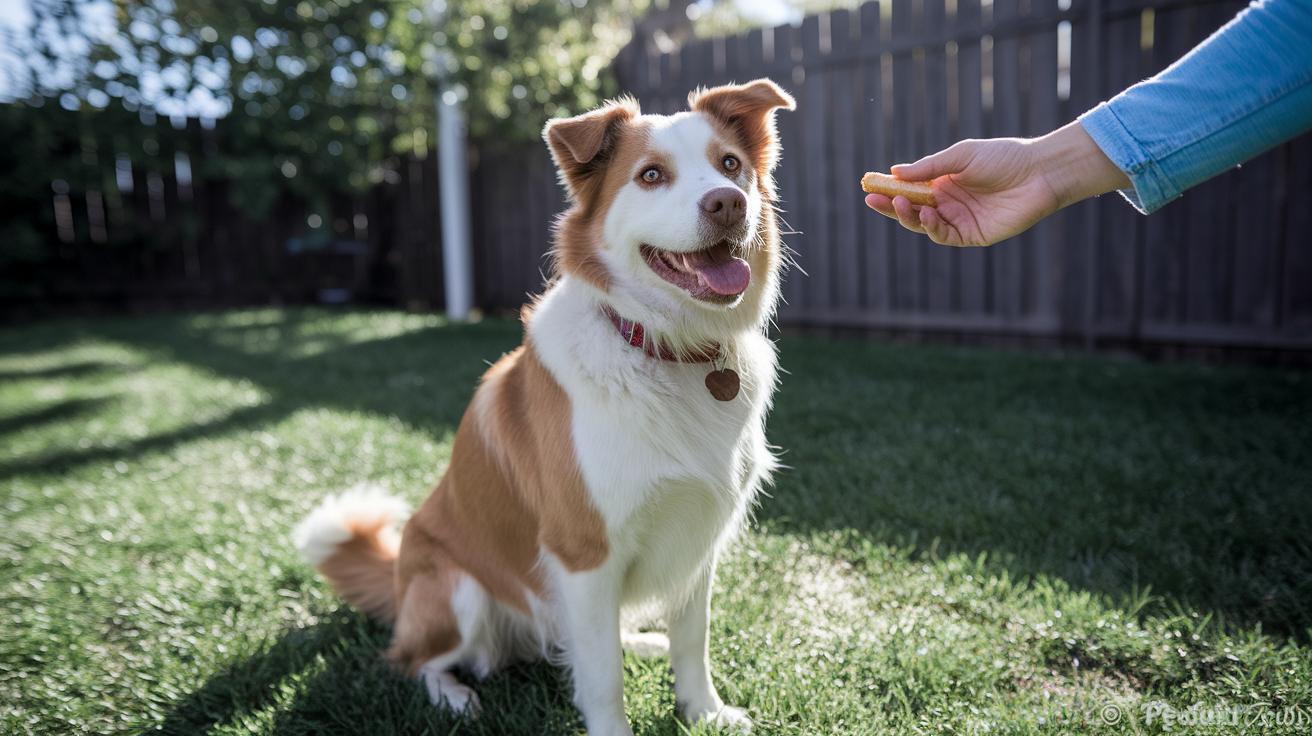
Recent studies from well-known research centers have found that if you reward your pet right away, it can cut their stress hormone levels by about 30%. Imagine watching your pup relax with a slower heartbeat as they respond to a bit of praise. In one trial, dogs showed a 30% drop in cortisol (the stress hormone that shoots up when they're anxious) when rewards came quickly. This drop shows a real boost in how calm they feel.
Veterinary behaviorists say that these timely rewards not only grab a dog’s attention but also help them settle down fast. One expert shared that if a dog calms down within seconds of hearing kind words, it’s a sure sign that this method builds trust and a sense of comfort.
For more research data and expert tips, visit pet expertise and fun facts about pet behavior.
Ethical and Long-Term Impacts of Positive Reinforcement Versus Punishment
Using positive reinforcement really shows your pet love and care. When you give treats, extra cuddles, or a fun play break, it helps ease your pet’s anxiety and makes them feel truly safe. Imagine your dog, tail wagging happily as you reach for its treat, excited for that special moment.
Over time, these gentle techniques boost your pet’s confidence and deepen the bond you share. Experts have found that a calm, friendly approach not only guides behavior but also builds a secure, long-lasting connection between you and your furry friend.
Final Words
In the action, this article explored how rewarding actions builds clear, kind guidance while highlighting why steep corrections can lead to misunderstanding and fear. We walked through the science behind reward-based techniques, shared actionable tips, and compared real-life outcomes to show how gentle methods raise confidence and positive behavior.
The evidence, including expert insights and case studies, underlines that positive reinforcement versus punishment in pet training truly sets the stage for a happier, healthier pet.
FAQ
What is the difference between positive reinforcement and punishment in pet training?
Positive reinforcement uses rewards like treats, toys, or praise to boost good behavior, while punishment applies unpleasant corrections to reduce unwanted actions. Studies show rewards build trust and reduce stress.
What does negative punishment in dog training look like?
Negative punishment involves taking away something the dog enjoys, such as play or treats, when misbehavior occurs. This removal gently decreases unwanted actions without adding discomfort.
How does positive reinforcement work in dog training?
Positive reinforcement rewards desired behavior through treats, toys, and affection. This method builds a strong bond and encourages your dog to repeat good actions by making training fun and supportive.
What is an example of positive punishment in animal training?
Positive punishment adds an unpleasant response—like a stern verbal correction or a quick spray of water—immediately after an unwanted behavior to reduce its occurrence, though it may also cause stress.
Is hitting your dog considered a crime?
Hitting your dog is illegal in many areas and strongly discouraged by experts. Physical harm can damage your pet’s trust, cause fear, and lead to further behavior issues.
How do positive punishment and negative reinforcement differ?
Positive punishment introduces an unpleasant element after a misdeed to reduce behavior, while negative reinforcement removes an aversive factor to encourage a desired behavior. Each affects learning in distinct ways.
Is positive reinforcement more effective than punishment for dogs?
Positive reinforcement is seen as more effective because it strengthens the bond between owner and pet and encourages learning without causing fear, unlike punishment that may confuse or stress your dog.
What are the four reinforcement types in dog training?
The four types include positive reinforcement (adding rewards), negative reinforcement (removing an aversive stimulus), positive punishment (adding an unpleasant stimulus), and negative punishment (removing something desirable).
Does Cesar Millan use positive reinforcement in his training methods?
Cesar Millan’s training approach blends various techniques; however, many experts note his methods rely more on corrective measures rather than strict positive reinforcement that solely focuses on adding rewards.