
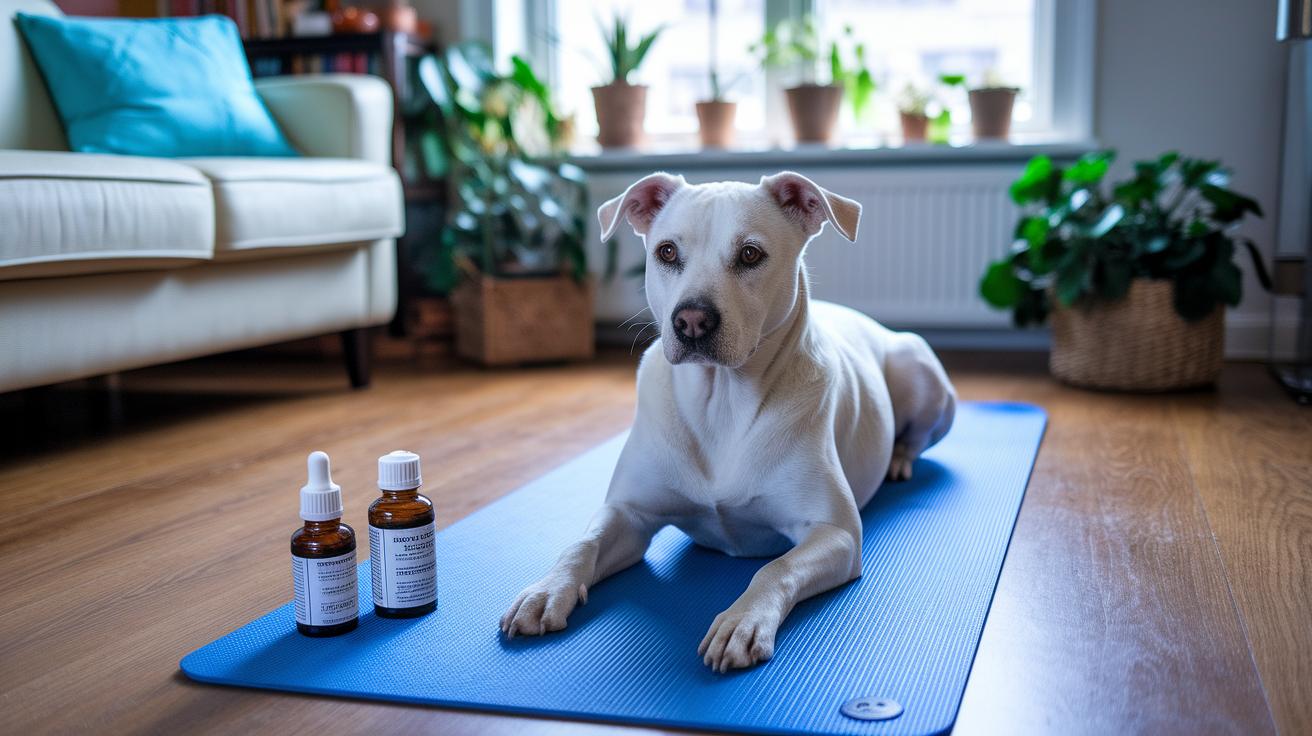
Ever wondered if a small change in your pet’s food could soothe an upset tummy? When your furry friend shows signs like throwing up or having bad breath, they might be asking for some natural help.
In this article, we explore two gentle, all-natural remedies that can ease digestive issues. We’ll share simple herbal and dietary changes that bring comfort and help balance your pet’s digestion. Stick around to see how a few natural ingredients and easy meal tweaks could lead to a happier, healthier buddy.
Addressing Pet Digestive Issues with Holistic Remedies
If your pet is showing signs like vomiting, diarrhea, constipation, itchy skin, or even bad breath, it might be their way of saying their tummy needs some extra care. Sometimes a sudden change in food, a rich, high-fat meal, or even stress can stir up trouble. They might also be dealing with infections from germs like parvovirus, salmonella, or campylobacter that upset their digestive balance.
Keep in mind that tiny parasites such as roundworms, tapeworms, and hookworms can also play a part in these tummy troubles. When you notice these signals early, it gives you a chance to try natural remedies that support your pet’s overall well-being.
Let’s dive into five types of remedies to help keep your pet’s digestion on track:
- Herbal: Try adding mild teas or diluted tinctures that gently soothe their gut.
- Dietary: Adjust their meals with balanced proteins and fiber (foods that help keep things moving smoothly) to build a stable digestive environment.
- Microbial: Probiotics (friendly bacteria that help improve digestion) can boost the natural balance in their tummy.
- Lifestyle: Simple changes, like reducing stress and setting up a clean feeding area, can make a world of difference.
- Professional: Always remember to consult your vet to ensure these remedies join forces with the care they already need.
Mixing these approaches can create a strong support system for your pet’s health. With just the right blend of herbal help, mindful meal tweaks, gut-friendly microbes, and lifestyle improvements, plus regular vet checkups, you’re well on your way to bringing lasting comfort to your furry friend’s tummy.
Herbal and Botanical Therapy for Pet Digestive Balance

Botanical therapy is a natural way to help your pet’s tummy feel better. These herbal mixtures work gently to ease problems like an upset stomach while making digestion smoother overall. Lots of pet parents love turning to nature to help clear the liver and calm a grumbling belly. I even heard from one friend that just a few drops of chamomile tincture settled her dog’s sensitive stomach right away.
| Herb | Primary Benefit | Typical Dosage | Form |
|---|---|---|---|
| Milk Thistle | Helps clean the liver and aid digestion | 10-20 mg per kg (always check with your vet) | Tincture or capsule |
| Chamomile | Calms an irritated tummy lining | Varies; usually mixed with water | Tincture or tea |
| Echinacea | Boosts the immune system | Small, diluted doses (ask your vet first) | Tincture drops |
Mixing these herbal tinctures calls for careful attention to dosage and timing. The idea behind homeopathy is that a very small, diluted dose can help target specific symptoms (this is what “like cures like” is all about). So, always check with your veterinarian before mixing these treatments to keep your pet safe. When done right, this gentle blend can offer a natural and nurturing way to keep your pet’s digestion on track.
Creating a Soothing Diet: Dietary Adjustments for Pet Digestion
Keeping your pet's meals balanced is the secret to a happy tummy. A diet that is rich in protein and low in carbohydrates helps fight off bad bacteria and calms any stomach irritation. When you serve meals filled with good proteins, healthy fats, essential vitamins, minerals, and fiber, you're giving your pet the right mix to keep their digestion running smoothly. This careful blend not only keeps their energy steady but also creates a soothing meal plan that supports a gentle balance in their gut.
Here are some ideas to try:
- Top protein choices: Offer lean meats like chicken, turkey, and fish. They provide high-quality protein without too much fat, which can help your pet keep their muscles strong and energy high.
- Fiber additions: Mix in natural sources such as pumpkin puree, green beans, or even a bit of prebiotic fiber. These foods help foster good gut bacteria.
- Hydration tips: Aim to give around 50 to 60 mL of water per kilogram of body weight every day. Keeping your pet well-hydrated helps their digestion move along smoothly.
- Foods to avoid: Try to limit meals with lots of processed carbohydrates and fats since these can upset your pet’s tummy by feeding harmful bacteria.
It’s important to change your pet’s meals slowly so they don’t get an upset stomach. Start by mixing a little of the new protein or fiber with their regular food. If you’re thinking about adding a supplement, you might look into natural options that enrich your pet’s diet even more. This gradual switch gives your pet’s tummy time to adjust, keeping their digestive system calm and happy every day.
Probiotic Protocol and Enzymatic Regimen for Gut Health

When your pet has been on antibiotics or faced some pesky germs, it's common for their tummy to feel a bit off. Multi-strain probiotics can help bring back balance after a rough patch. Typically, giving between 10 and 100 billion CFU each day for about 2 to 4 weeks does the trick. For example, a pet might feel better after antibiotics with a daily dose of around 50 billion CFU. It helps to choose a probiotic with different strains that work together (a bit like a team effort in your pet's belly). This simple boost can ease their digestive troubles and send them on the path to feeling good again.
Digestive enzymes work like little helpers breaking down food into bite-sized nutrients. Enzymes like amylase, lipase, and protease break apart carbs, fats, and proteins so your pet can absorb more goodness. You can find these in tablets or powder formats, usually with a dose of about 50 to 100 mg per meal. Many pet parents notice smoother digestion when they add these supplements, especially during a switch to a new diet or when occasional tummy upsets occur. Sometimes, a little prebiotic like inulin or FOS (about 1 gram per 10 lb of your pet’s weight) is added to feed the good bacteria, making the whole process work even better.
For more challenging cases, a process called fecal microbiota transplantation (FMT) might be considered. In FMT, a healthy pet’s complete mix of good bacteria is carefully transferred to your pet's gut. This procedure needs to be done by a vet because it involves careful screening and handling. FMT can be especially useful when standard probiotic methods just aren’t enough to re-establish the balance in your pet’s digestive tract. With the right veterinary guidance, it can be a powerful way to help your pet’s gut get back on track.
Lifestyle Measures and Environment for Digestive Support
Taking a daily walk for about 20–30 minutes not only gives your pet a chance to stretch its legs, it also helps keep their tummy moving smoothly. Imagine the soft patter of paws on a quiet sidewalk, it's a simple way to support healthy digestion. Keeping their feeding space clean is key too. Wiping down and disinfecting their bowls after each meal can stop pesky germs from gathering, much like tidying your own space to feel refreshed.
Stress can unsettle even the most laid-back pet. A regular routine both indoors and outdoors helps ease the strain on their tummy. Spending time outside introduces them to a mix of good microbes, which works a bit like natural training for their immune system. For more ideas on keeping your pet’s area healthy, check out sustainable pet care tips here (https://ribbon.co?p=5149), and if you’re curious how a pet's environment affects its health, take a peek at this helpful guide (https://ribbon.co?p=5176).
Safety Guidelines and Veterinary Consultation for Holistic Pet Care

Regular check-ups every 6 to 12 months can really boost your pet's overall health. A gut health test done by your vet, a simple stool sample comparison of your pet's microbes with those of other healthy pets, can catch tiny imbalances before they grow into bigger issues. This test helps you figure out if the natural supplements or homeopathic aids (natural remedies that support your pet's body) you're considering are right for your furry friend. And if you're busy, a preventive care guide like the one at https://getpetsavvy.com?p=6828 is a handy way to schedule these visits and track your pet's progress.
When you visit your veterinarian, ask questions to make sure the supplements you're thinking of using are safe. For example:
- Is this supplement a good match for my pet's health and diet?
- Could any of these supplements affect medications they're already on or cause food allergies?
- How can I add a homeopathic aid into their routine without disrupting their usual treatments?
Also, be careful with antibiotics. They are sometimes needed but can lower the number of helpful microbes in your pet's tummy, so following up with probiotics (good bacteria that help with digestion) is often a wise move. Trust your vet to help create a natural mix that supports your pet's digestion and keeps them feeling their best.
Final Words
In the action, we tackled common tummy troubles by identifying symptoms and root causes while sharing easy tips to help your pet feel better. Small steps, from natural herbs and a soothing diet to a dose of probiotics and fun, active routines, were all put into play. We even touched on vet guidance to keep your furry friend safe. Embrace these holistic remedies for pet digestive issues and enjoy a happier, healthier pet every day.
FAQ
What are the symptoms of poor gut health in dogs?
The symptoms of poor gut health in dogs include vomiting, diarrhea, constipation, itchy skin, and bad breath, which can affect their overall energy and playfulness.
What causes poor gut health in dogs?
Poor gut health in dogs often stems from sudden changes in food, infections like parvovirus or salmonella, parasitic issues, stress, and high-fat diets.
How can I treat and cure poor gut health in dogs?
Treating poor gut health involves using holistic methods such as healthy dietary adjustments, herbal therapies, probiotics, and consulting a veterinarian to tailor the approach.
What are natural remedies for dog gut health and the best natural remedy?
Natural remedies include herbal treatments like milk thistle and chamomile, along with probiotics and balanced meals, which together support your dog’s digestive and immune systems.
What foods improve dog gut health?
Foods such as lean proteins, pumpkin puree, green beans, and other fiber-rich ingredients help nurture beneficial bacteria and boost overall digestion in dogs.
What home remedies can I use for an upset stomach and vomiting in dogs?
Home remedies like a bland diet, a little herbal chamomile tea, and probiotics can soothe an upset stomach and reduce vomiting, offering gentle relief for your pet.
How do you reset your dog’s digestive system?
Resetting a dog’s digestive system means gradually switching to a healthier diet, adding probiotics and herbal supplements, and keeping a consistent routine with regular exercise.