
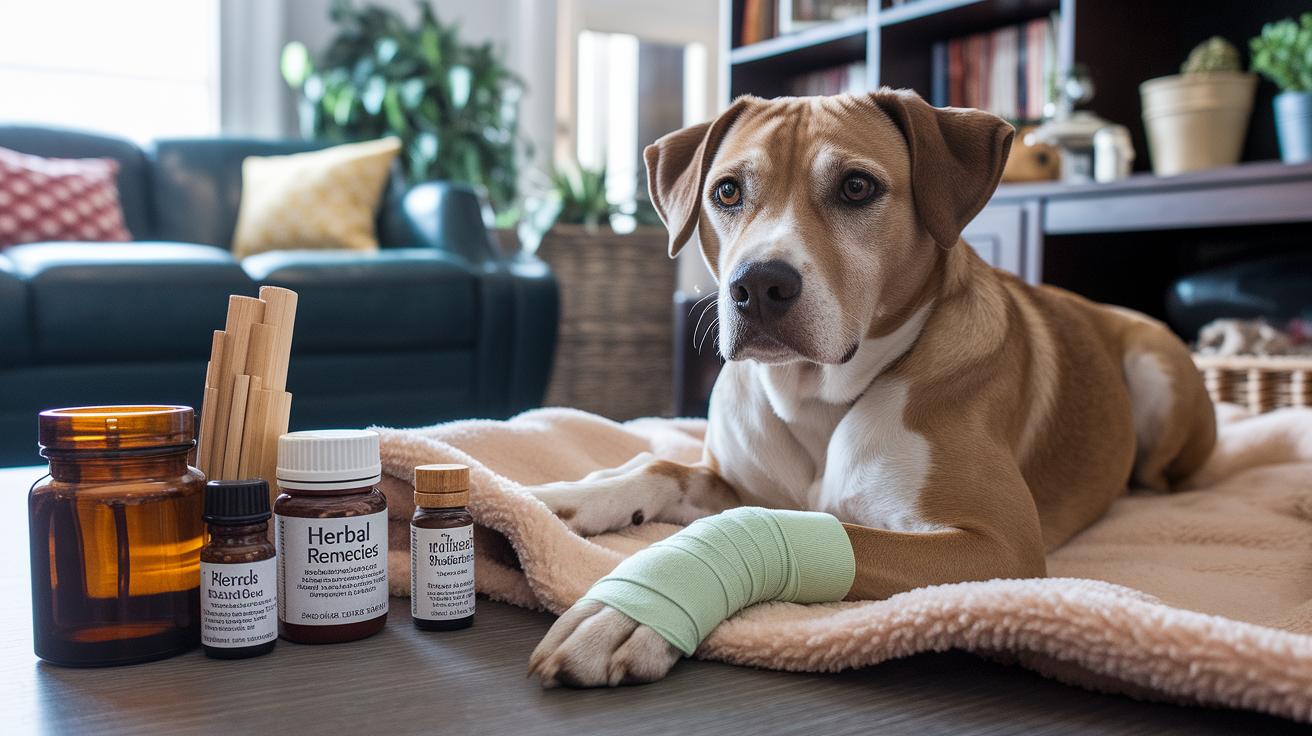
Have you ever wondered if natural remedies can help your pet feel better faster than regular medicine? It might sound a bit surprising, but lots of pet parents are now choosing gentle, drug-free care for tiny cuts and bruises. By mixing simple herbal treatments with meals packed with good proteins and fats (you know, the kind that help build strong muscles), our furry friends start healing their way. These natural tips work with your pet's own healing power, letting them recover in a safe and comfy way. Keep reading to learn how these down-to-earth remedies can really brighten your pet’s journey to getting better.
Essential Holistic Wound Healing Strategies for Pets
When our furry friends get a little hurt, natural healing helps them every step of the way. First, the bleeding stops quickly. Then, their body cleans out the area (inflammation) and grows fresh tissue (proliferation) before slowly remodeling the skin. Oxygen is key here because it helps cells make energy (ATP) which drives the healing process.
Holistic pet care combines gentle topical remedies, a nutrient-rich diet, and other natural therapies. Imagine using a mild herbal compress on your dog's small cut while feeding them meals full of protein, carbs, and healthy fats. This two-part method speeds up tissue repair and eases swelling, keeping your pet comfortable as they bounce back.
The heart of these techniques is natural, drug-free solutions. Organic care of your pet goes hand in hand with safe, natural treatments like herbal rinses or mineral-rich balms, all while you chat with your vet. This balanced approach not only helps heal the wound but also boosts your pet's overall mood and well-being.
Working together with pet care professionals ensures these natural methods are used safely. When you follow your vet's advice, you're tapping into a system that combines modern science with nature's own remedies. And here's a fun fact: oxygen is just as important in healing wounds as it is in powering your pet's playful leaps!
The Pet Wound Healing Process Explained

When your pet gets hurt, their body leaps into action with a four-step healing process. First comes the stage of hemostasis. This is when blood starts clotting and the tiny blood vessels narrow quickly, much like a natural bandage sealing a small cut on your pet’s leg.
Next, we enter the inflammation phase. Here, white blood cells act like a diligent cleaning crew, brushing away any bacteria and debris from the injury. This cleanup helps set the stage for smooth repair.
Then, the proliferation phase begins. Think of it like building with bricks, fibroblasts work hard to create new tissue. Your pet’s body uses workhorse nutrients like carbohydrates and proteins for energy and repair (and vitamin C helps in making collagen, the protein that strengthens new tissue). It’s a bit like putting together a nutritious meal that fuels renewal.
Finally, remodeling takes over. In this phase, collagen settles into place and scar tissue matures, gradually blending the healed spot with the rest of the skin. Keep in mind that things like age, stress, obesity, or certain medicines can slow down these steps. Isn't it remarkable how our furry friends’ bodies work so tirelessly to mend themselves?
Natural Topical Treatments in Holistic Pet Wound Care
When it comes to caring for your pet’s little cuts and scrapes, natural plant remedies can be a real lifesaver. Picture the soft, soothing touch of a gently brewed herbal tea made with calendula or chamomile (these are known for their calming effects) being used as a light spray, rinse, or compress. Even a splash of apple cider vinegar can offer a gentle coolness that comforts irritated skin while keeping those annoying parasites away.
Next, try adding a teaspoon of Willard Water Concentrate per quart of herbal tea to boost its healing power. It helps your herbal blend touch deeper layers of the wound. Mixing in a bit of unrefined sea salt, rich in natural minerals, can further support tissue repair. And if you want to add another layer of comfort, lightly dab on some aromatherapy hydrosols, these are basically essential oils diluted just right for even the most delicate pups or older dogs.
Coconut oil is another great helper. Its medium-chain fatty acids work hard to fend off bacteria, viruses, fungi, and pesky parasites. Just warm it up a bit when it’s solid from cooler weather so it spreads smoothly. For extra support with mending your pet’s connective tissue, EMT Gel offers a collagen boost, helping to strengthen the skin. And don’t overlook tree resin (pitch) from coniferous trees, which packs a natural antibacterial, antiviral, and antifungal punch to ward off infection.
- Herbal teas: Brewed calendula or chamomile tea can be used as a spray, rinse, or compress for a gentle clean.
- Apple cider vinegar: A light rinse soothes irritated areas while repelling unwanted parasites.
- Willard Water Concentrate: Add 1 teaspoon per quart to boost the natural healing properties of your herbal solutions.
- Unrefined sea salt: Sprinkle in some for an extra hit of minerals that support repair.
- Aromatherapy hydrosols: Use diluted essential oils for calming, healing benefits that are safe for sensitive pets.
- Coconut oil: Warm it up a bit for an easy-to-spread application that fights off harmful microbes.
- EMT Gel: Provides a collagen boost to help mend and strengthen connective tissue.
- Tree resin (pitch): Apply its natural antibacterial, antiviral, and antifungal benefits to protect wounds.
Internal Nutritional Support for Pet Wound Healing

When it comes to helping your pet recover from a wound, what they eat plays a big role. A well-rounded diet filled with easy-to-digest carbs, good proteins (that is, the full mix of nutrients), and essential fats gives them the support needed to fight inflammation and repair tissue. Adding some special supplements can give your furry friend an extra boost to kickstart collagen formation (the protein that holds skin together) and mend damaged areas.
Take zinc, for example. This mineral is a real champion when it comes to building collagen and speeding up healing. Then there's Seacure, a supplement made from deep-sea fermented fish powder. It delivers high-quality protein that your pet’s body can quickly use to rebuild and recover. Colostrum is another helpful option, it supports their immune system from the inside out and can even be dabbed on the skin to help with repair. And don’t forget Wobenzym, a popular enzyme blend from Germany that works best between meals to help reduce swelling, tenderness, and bruising.
| Supplement | Dose/Form | Primary Benefit |
|---|---|---|
| Zinc | As directed by your vet | Helps build collagen and repair tissue |
| Seacure | Chewable tabs or capsules (500 mg) | Provides quality protein for quick absorption |
| Colostrum | Powder or liquid supplement | Boosts immune function and supports skin repair |
| Wobenzym | As recommended between meals | Reduces swelling, tenderness, and bruising |
It’s also a good idea to watch your pet’s vitamin C intake. Without enough vitamin C, the activity of fibroblasts (cells that help mend the skin) can slow down, hindering collagen production. By including natural sources or a supplement, you give your pet that extra edge for a quicker recovery.
Integrative Therapies for Pet Wound Healing
Phytotherapy uses special herbs that help calm inflammation, fight off germs, and boost your pet’s natural defenses (think of it as a gentle herbal hug for your furry friend). You can use these herbs in creams or even as pills. It’s like nature’s little helper nudging your pet’s body to heal.
Acupuncture involves placing tiny, clean needles into chosen spots on your pet’s body. These sessions usually last about an hour at first, then shorter, 20-minute visits follow. It feels almost like a soothing press that eases muscle tightness and improves blood flow, making it easier for healing nutrients to reach the wound.
Physiotherapy is all about using gentle massage, moving the joints, and stretching to bring back movement and ease aches. Especially if your dog has joint troubles, like hip problems or arthritis, these simple techniques help tissues find the right spot again, making recovery feel much more comfortable.
Homeopathy uses tiny doses of natural substances that are prepared in a really diluted way. These little doses kickstart your pet’s own healing powers by calming pain, reducing swelling, and battling infection, all without strong side effects. It’s a soft nudge to the body’s own repair team.
Aromatherapy uses essential oils like lavender and chamomile mixed with a carrier oil. You can let your pet enjoy the calming smell or even a light dab on their skin if it’s safe. These scents help reduce stress and create a nice, peaceful mood that is perfect for healing. Just be sure to use them carefully since some pets react differently.
Osteopathy is a gentle practice that involves soft tissue work and specific moves to ease tension and help your pet move better. It’s especially good for puppies or older pets who need a caring touch to help keep their body’s balance while they heal.
Naturopathic care brings together the right kind of diet, preventive habits, and plans to boost your pet’s immune system. This well-rounded approach supports overall health and gives your pet the building blocks needed for quick and strong healing.
Natural Scar Prevention and Tissue Regeneration in Pet Wound Care
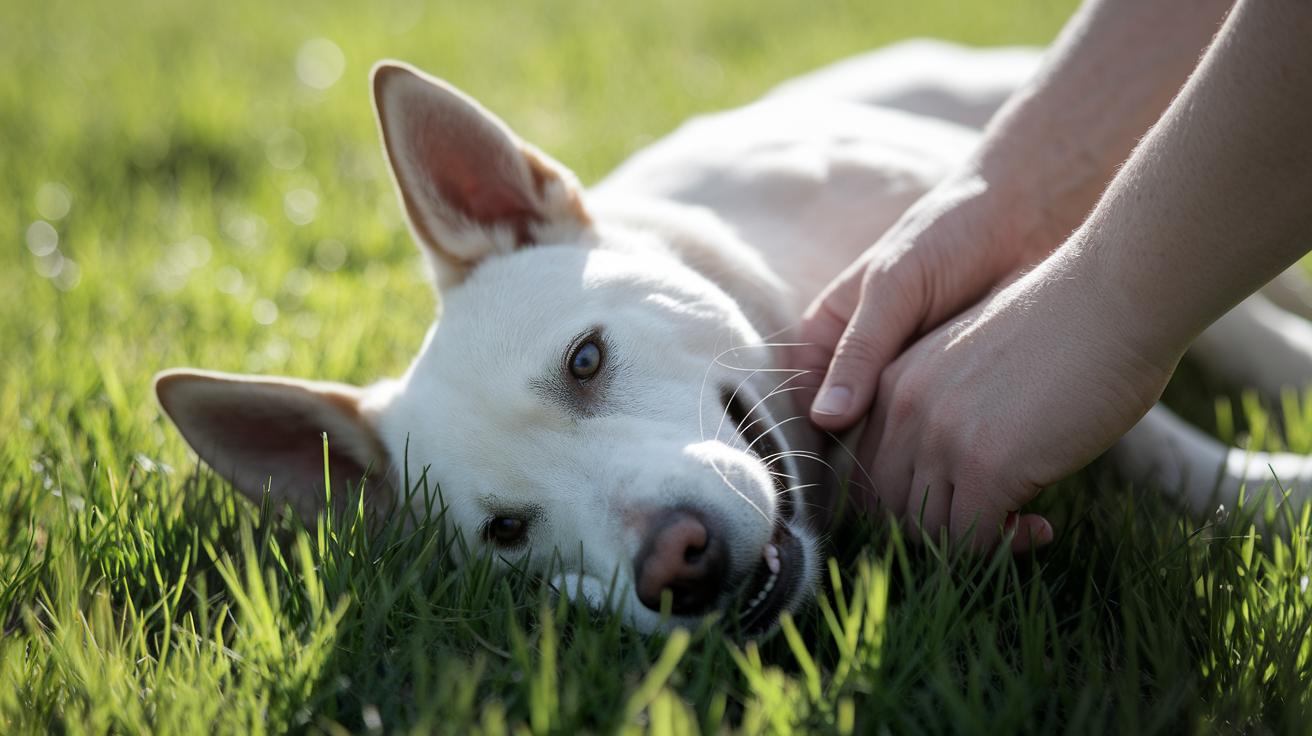
Imagine your furry friend soaking up a bit of sunshine while feeling the cool grass beneath their paws. This simple pleasure not only warms the heart but also improves blood flow and balances hormones, both of which support your pet's natural healing process.
Try using dressings made from natural ingredients, like algae-based membranes (a gentle plant-derived material). These dressings act as a protective barrier by locking in moisture and helping new tissue grow. By rotating a non-stick, toxin-free dressing every day, you can prevent it from clinging to the skin and causing irritation, which helps reduce scar formation.
Once the wound has closed, a tender massage can work wonders. Just a gentle rub helps align collagen (a key protein that gives skin its strength) and boosts flexibility, much like easing a sore muscle. At the same time, a low-impact leash walk offers a modest way to get the blood flowing without straining the healing area.
Picture a daily routine that blends natural outdoor time, careful dressing changes, and a little extra love. It’s all tailored to meet your pet’s unique healing needs, making recovery feel as natural and comforting as a sunny afternoon in the park.
Safety and Veterinary Guidance in Holistic Pet Wound Healing
When you're treating your pet naturally, safety is super important. Look closely at any wound for signs like redness, warmth, or a little discharge. These details can mean it’s time to adjust your care routine.
If you notice deep cuts or sharp punctures, don't wait. A quick visit to your vet can make all the difference, especially if stitches or other treatments are needed.
It’s a good idea to check with a holistic veterinarian before starting any home remedies or herbal treatments, especially if your pet is already on medications. Their advice helps blend natural methods with traditional care, so your pet stays happy and healthy.
Regular check-ups every three to six months can catch little issues before they grow. Plus, keeping things toxin-free with clean dressings helps your pet recover better. Stay in touch with your vet so you can tweak the care routine as your pet’s needs change.
Final Words
In the action, we've explored key ways to support pet wound recovery by blending natural topical treatments, nutritional support, and integrative therapies. We walked through each healing phase, from initial clot formation to tissue remodeling, while sharing organic, toxin-free tips.
Our breakdown brings each step into focus, offering practical insights and gentle, holistic approaches to pet wound healing. Together, these strategies help make care more meaningful and nurturing for your furry friend. Enjoy the confidence that comes with natural, mindful healing every day.
FAQ
How can I heal a dog wound fast at home or help my dog’s wound heal faster naturally?
Healing a dog wound fast at home means using clean, natural care with veterinary guidance. Simple steps include gently cleaning the wound, applying safe topical treatments, and following a holistic routine that supports rapid natural recovery.
What natural antiseptics can I use for dog wounds, including homemade options or baking soda?
Using natural antiseptics means preparing a gentle, homemade solution. Some pet parents use diluted baking soda, which can help reduce bacteria when used carefully and always followed by a veterinary check.
Can witch hazel be used on dogs’ open wounds?
Using witch hazel on dogs’ open wounds is not typically recommended. It may irritate sensitive tissue, so it’s better to opt for milder antiseptics and consult the vet for safe alternatives.
How should I clean a cut on my dog’s face?
Cleaning a cut on your dog’s face means using lukewarm water and a mild, pet-safe cleanser. Pat gently dry afterward and use a vet-approved topical soothe to reduce discomfort.
What are some key methods for managing dog wounds?
Managing dog wounds involves careful cleaning, applying natural topical treatments, and monitoring for infection signs. Regular checks and veterinary advice help keep the healing process on track.
How does manuka honey benefit dog wounds?
Using manuka honey for dog wounds means taking advantage of its natural antibacterial properties. It helps protect against infection and supports tissue healing when applied as directed by a vet.
What is the holistic approach to pet care?
Adopting a holistic approach to pet care means integrating natural remedies, nutritional support, and alternative therapies with standard veterinary oversight for overall wellness and healing.
Can I apply coconut oil on my dog’s open wound?
Using coconut oil on your dog’s open wound means applying a gentle, natural remedy. It may help reduce bacteria, but it should be used with caution and under the guidance of a veterinarian.
What are the 4 stages of wound healing in animals, possibly with pictures?
Explaining the 4 stages of wound healing means recognizing hemostasis, inflammation, proliferation, and remodeling. Visual guides often display these stages to help pet parents understand how recovery progresses naturally.