
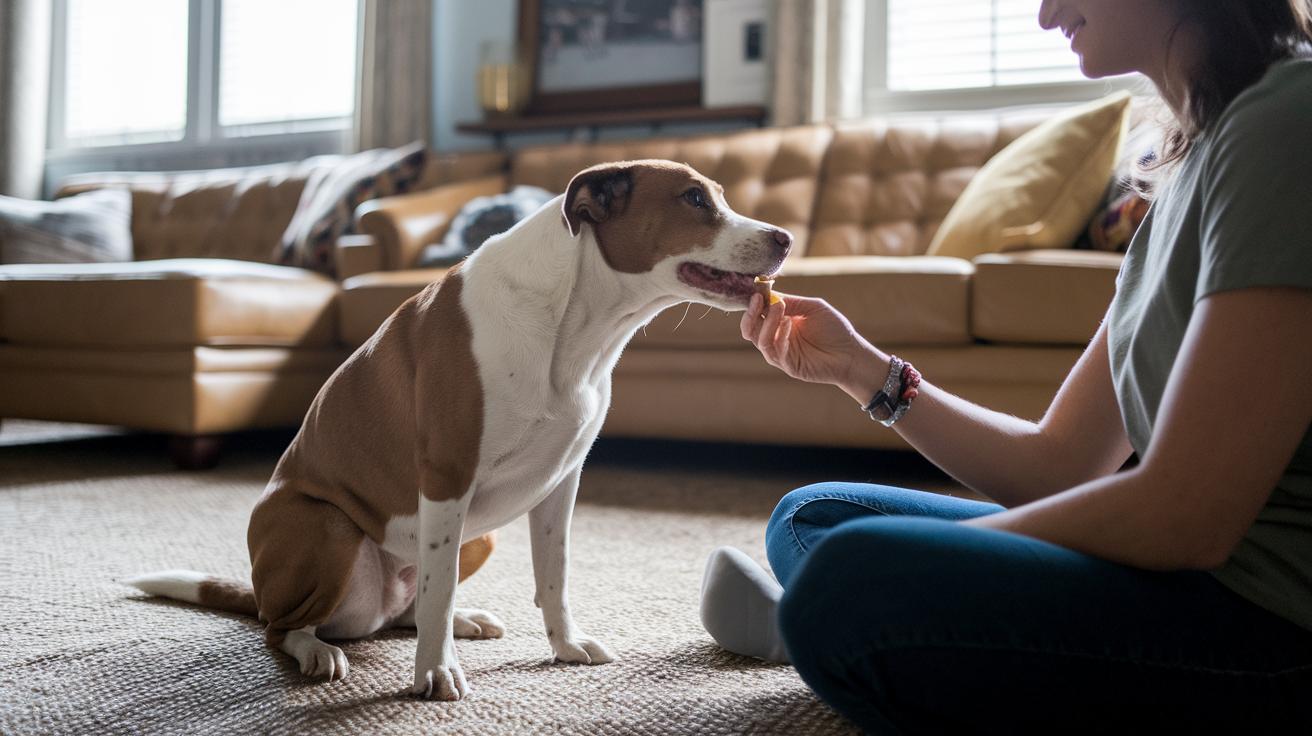
Ever wonder if giving treats for good behavior really works? Studies and simple daily moments show that a quick kind word or a tasty snack does more than any punishment ever could.
When your pet does something right and you praise them immediately, it builds trust and strengthens the bond between you. This little burst of celebration helps guide your pet to make better choices, turning training into a fun, loving experience for both of you.
It’s amazing how a simple reward can light up your furry friend’s day and bring out the very best in them.
How Positive Reinforcement Fosters Effective Behavior Correction in Pets
Positive reinforcement is all about celebrating good behavior in our furry friends. When your pet does something right, a little burst of happy praise, a tasty treat, or a gentle rub on the head goes a long way in showing them they nailed it. Think of it like this: if your dog sits quietly by your side and gets a quick pat along with a small snack, it learns that calm behavior means rewards, and it’ll be more likely to stick with that behavior.
Setting clear expectations makes a world of difference. When you reward your pet right after they get something right, they instantly understand what’s expected. Ever noticed how even a tiny treat can work wonders on obedience? It’s like hearing, "Great job!" that builds trust and makes your pet feel truly cared for.
This training method creates a calm atmosphere where pets feel secure and understood. With reliable rewards, your pet learns what to do while also feeling closer to you. Each training session turns into a sweet, bonding moment that reinforces how much you value them.
Key Benefits of Reward-Based Training for Behavior Modification in Pets

Reward-based training turns everyday sessions into special moments to bond with your pet. When you offer a quick treat, a gentle pet, or a warm "good job!" right away, it helps ease your pet's worries and takes away any fear of punishment.
Using kind, humane methods makes your home feel like a fun classroom where your pet loves to learn. This approach gives your pet a little mental workout, which keeps boredom at bay and stops them from chewing or digging on your favorite furniture. When everyone in the house uses the same signals, your pet learns that good choices always come with a reward.
Many pet parents have seen that these friendly training tips lead to better obedience, joy, and overall well-being. Want to explore more about these uplifting benefits? Visit the Benefits of Positive Reinforcement Training for Pets page.
Implementing Reward-Driven Behavior Correction: Step-by-Step Guide
Watch your pet closely to spot the behavior you want to encourage. For example, if you’d like your dog to sit quietly, note exactly when they do it. Then, choose a reward like a small treat or some kind words. I often say, "When my dog sits on cue, I offer a treat right away, and his eyes brighten up."
Right after your pet does the desired action, mark it clearly. You can say a quick "yes" or use a clicker sound. This immediate praise tells them, in plain language, that they did something right.
If you’re teaching a more complicated trick, break it down into easy steps. Reward each little improvement along the way. This way, you build up to the full behavior slowly and steadily.
When your pet takes an action you don’t like, offer a calm, neutral verbal cue like "uh-ah" to gently let them know it’s not what you expected. Keeping your tone light helps maintain a positive vibe during training.
If things need to be nipped in the bud, a firm "no" or a slightly raised "hey" can be used to interrupt the unwanted behavior. Just remember, it’s more like a gentle pause than a harsh stop, so keep the tone steady and kind.
Once your pet reliably shows the right behavior, try swapping out some treats for a bit of affection or playtime. This makes the training feel natural and keeps it fun for both of you.
Positive Reinforcement Techniques for Dogs vs Cats: Specific Strategies

Canine Strategies
Dogs really light up when they get a tasty treat or a cheerful "Good job!" Keep training sessions short, think about 5 minutes each, repeated a few times a day. For instance, if your dog sits on command, quickly offer a snack and some happy praise so they connect the good behavior with a fun reward. You might even spice things up with a quick game on the leash. Imagine a little tug-of-war that’s both playful and a smart way to build self-control.
- Give food treats and upbeat praise right after your dog gets it right.
- Keep sessions brisk (around 5 minutes) so your pup stays focused.
- Try simple leash games to mix fun with learning.
Feline Strategies
Cats have their own unique ways of loving rewards. They’ll appreciate a small treat, a few fun minutes with a toy, or a gentle pet on the head. Their training bursts are usually super short, around 2 minutes, especially when they’re alert at meal times. For example, if your cat uses the litter box properly, a tiny treat or a soft scratch behind the ears can go a long way. A quick clicker sound also works great to mark the moment, clearly saying, "Yes, you got it!"
- Offer small treats, a brief play session, or gentle petting.
- Keep training sessions short (about 2 minutes) to match their focus.
- Use a clicker sound to mark correct behavior right away.
Incorporating Clicker Training and Verbal Cues in Positive Correction
The clicker acts like a little cheerleader for your pet, it marks the exact moment they do something right. Pair the click with a treat right away to build a clear link between the sound and the reward. Try it out: when your dog sits, click and then offer a small treat. This quick pairing really helps them get it.
Verbal cues, like a soft "uh-ah," "no," or "hey," gently interrupt undesired behaviors. These cues back up the clicker, giving your pet clear, calm signals without causing any fear.
For more on using these markers with rewards, check out the method here: Clicker Training Using Positive Reinforcement.
Structuring Reward Schedules: Timing, Consistency & Incentive Systems

Reward timing plays a big role in training. When you give a reward immediately, within one second, it tells your pet you love what they did. A quick treat or praise makes the action memorable. Start out by rewarding every correct move. For example, if your cat sits quietly, offer a treat right away. That simple step builds a strong link between what they do and the reward.
As your pet grows comfortable with the routine, shift to a variable schedule. Instead of rewarding each time, try giving a treat every second to fourth correct response. This mix-up keeps your pet excited and less hooked on constant treats, so they keep up the good behavior even when a treat isn’t given every single time. And remember, everyone in the family should use the same cues and rewards to avoid confusing your furry friend.
| Phase | Reward Schedule | Goal |
|---|---|---|
| Introduction | Continuous (100%) | Build clear association |
| Shaping | Every 2–3 responses | Reinforce approximations |
| Maintenance | Variable (50–70%) | Reduce dependency |
Sticking to a set schedule helps your pet learn and stay motivated for the long run. A reliable reward system not only encourages repeat behavior but also builds trust and creates a positive, supportive learning space for both you and your pet.
Positive Reinforcement vs Punitive Methods in Pet Behavior Correction
Positive reinforcement works by handing out little rewards like treats, kind words, or a soft pat when your pet behaves well. This way, they quickly learn the connection between what they did and the positive result. Imagine saying, "Good job!" right after your pet sits calmly, a warm, brief moment that builds trust and encourages them to do it again.
On the other hand, punishments can leave your pet confused. When you scold harshly, your furry friend might hide mistakes instead of understanding what’s right. Picture your pet trembling or avoiding you because they aren’t sure what went wrong. That worry can block the way they learn properly.
Reward-based training not only brings consistent obedience but also strengthens the bond you share. With these gentle methods, your pet feels safe and knows exactly what is expected without the cloud of fear. This kind, steady approach helps them thrive in an environment filled with care and understanding.
Real-World Case Studies & Community Insights on Positive Reinforcement

Pet parents are finding that reward-based training really works wonders. One pet owner shared, "When I used the verbal cue 'uh-ah' along with a treat, my dog's unwanted behavior vanished very quickly." It's a simple switch from harsh corrections to calm, neutral words that really makes a difference.
Many owners notice that pairing a quick word with a tasty reward helps fix behavior issues faster. For example, one friend used a firm but gentle tone, saying "hey" in a raised voice (but not shouting), to interrupt misbehavior. Then, they followed it up with kind praise, which not only stopped the unwanted action but also deepened their bond with their pet.
Here are some key insights from the community:
- Faster behavior improvements when using neutral corrections.
- More engagement during training sessions.
- Less overall time needed for training compared to using punishment.
These real-life stories show that positive reinforcement gives pets a clear path to learn the right actions. It’s a gentle, effective way to guide our furry friends, proving time and again that reward-driven strategies truly work.
Final Words
In the action, the post explored how a reward-based method makes training fun and clear for pets. We broke down techniques from using treats to consistent cues that create trust and reduce stress. The guide walked through steps that work for both dogs and cats while highlighting real-life tips that every pet parent can try at home. Embracing the approach of positive reinforcement for behavior correction in pets can lead to enduring habits, happier pets, and more heartfelt connections.
FAQ
What is positive reinforcement in pet behavior?
The explanation of positive reinforcement in pet behavior involves rewarding good actions with treats, praise, or play, ultimately building trust, reducing anxiety, and encouraging pets to repeat desired behaviors.
What are some positive reinforcement examples for pet training?
The examples include giving a dog a treat for sitting on command or offering a cat a small toy and gentle petting when it performs a trick, reinforcing desirable actions.
How do positive reinforcement and punitive methods compare in pet training?
The comparison shows positive reinforcement rewards correct behavior with praise and treats to build confidence, while punitive methods often result in fear and stress that hinder learning.
What methods work best for correcting problem behaviors using positive reinforcement?
The methods involve marking correct behavior instantly with a treat or affection and using a calm, neutral cue to interrupt unwanted actions, consistently guiding pets toward better habits.
How can positive reinforcement help with behavior modification in dogs with anxiety?
The approach helps anxious dogs by rewarding calm, controlled behavior, which reduces stress and builds confidence through consistent, supportive praise and rewards during training sessions.
Where can I find local positive reinforcement training resources and documents?
The search for local positive reinforcement training includes nearby classes or trainers, and many online resources offer downloadable documents that explain reward-based techniques in detail.