

Have you ever thought that the things around your home might be affecting your pet? Every room they explore could hide tiny chemicals that slowly wear down their natural defenses. In our busy homes, it’s easy to overlook these hidden risks.
That’s why looking at your home in a complete way (thinking about every little detail) is so important when it comes to cutting down on toxins. By choosing safer household products and even tweaking what you feed your pet, you can create a fresher, cleaner environment for your furry buddy.
Imagine making a few small changes every day, each one adding up to big improvements in your pet's overall health. Isn’t it nice to know that simple steps can help keep your best friend feeling lively and loved?
Holistic Framework for Pet Environmental Toxin Reduction
Every day, our furry friends come into contact with chemicals from many sources. Whether it's the fresh scent of new paint, adhesives used in home projects, or outdoor chemicals like weed killers and common pet treatments, there's a mix of toxins they face regularly. When their immune system gets overloaded, even small amounts of these substances can lead to skin irritations or more serious health risks.
A great way to start is by taking a closer look at your home. Check if new paint dries quickly and choose products that are low in chemicals (low-VOC means fewer harmful vapors). These simple steps can create a cleaner, safer environment that feels just right for your pet. And then, why not opt for all-natural cleaning? Using plant-based cleaners can lessen the buildup of extra toxins on surfaces your pet loves to explore.
Don’t forget about what your pet eats, too. A balanced, high-quality diet packed with whole-food ingredients boosts your pet’s natural defenses. This kind of food supports key functions like the liver and immune system, which help fight off toxin effects. You might also try a gentle pet massage or even a bit of coconut oil, which can assist the body’s natural detox process and make your pet feel extra cared for.
This all-in-one approach, checking for hazards, choosing safer products, feeding well, and adding some gentle therapies, can really lower your pet's toxic load. By taking these steps, you're helping pave the way for a healthier, happier life for your beloved companion.
Assessing and Minimizing Indoor Toxins for Pets
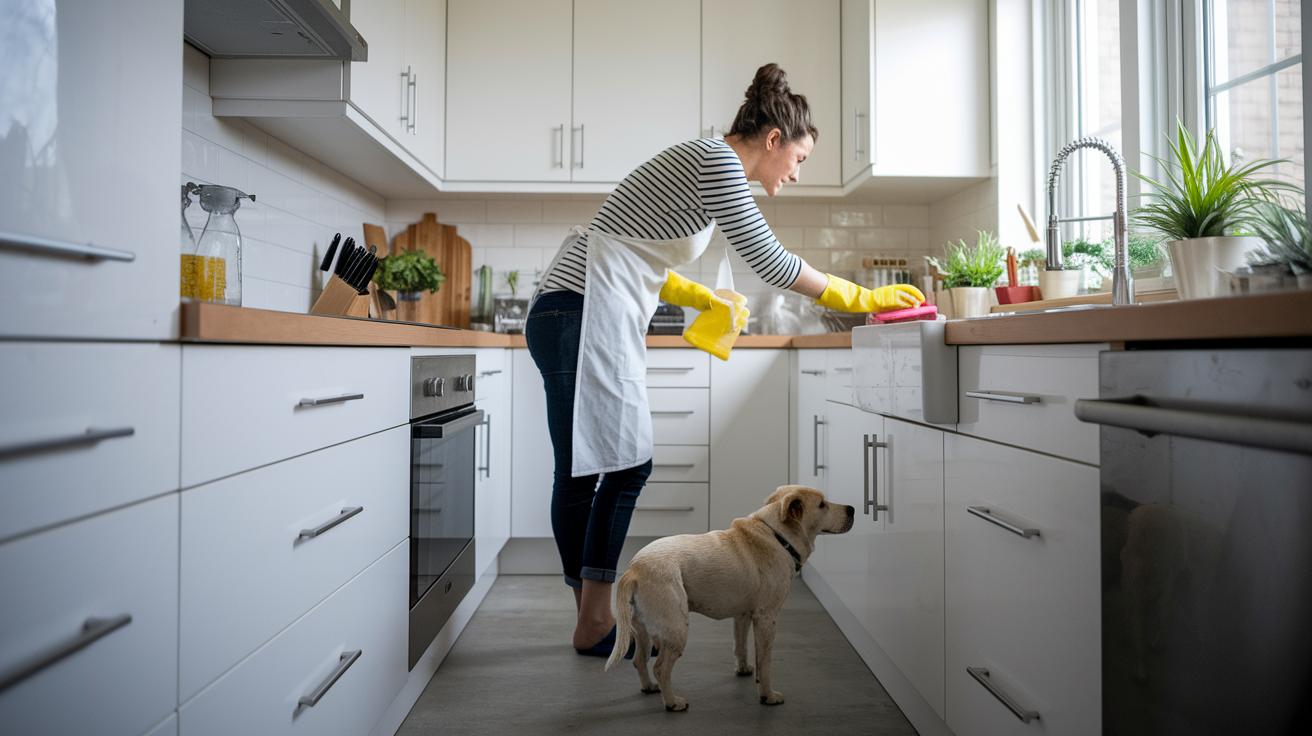
Indoor spaces can hide hazards that affect your pet’s health. You know that fresh paint often smells strong? Even after it seems dry, it can release chemicals that might bother your pet’s breathing. Always check the drying times and opt for low-VOC products (which have fewer harmful chemicals) to keep your home safe.
Electronics can also be a hidden culprit. They emit low-level electromagnetic fields, and over time, these might subtly impact your pet’s immune system. It’s a good idea to add this to your list of things to consider when assessing your indoor environment.
Good ventilation is key. Opening your windows for about 15 to 30 minutes each day helps reduce the level of indoor toxins. And when you’re cleaning, think about using alternatives like a vinegar and water mix or castile soap; they’re gentle on your pet while cutting down on harsh chemicals.
Keep an eye on your furry friend. If you notice sneezing, watery eyes, or coughing, these might be signs that something’s off. Small adjustments can make a big difference, ensuring that your home stays a safe and healthy haven for your pet.
Holistic All-Natural Cleaning Methods to Reduce Pet Toxins
Keeping your pet’s favorite spots safe can be simple and fun with natural cleaning methods. Using gentle ingredients like vinegar, baking soda, and castile soap means no harsh chemicals that might irritate fur or upset a tummy. It’s an easy way to protect both your home and your furry friend.
Mixing up these non-toxic solutions can feel like a fun little experiment. For example, stir together white vinegar and water in a 1:1 mix to help neutralize odors and break down stubborn minerals. Add a few drops of castile soap to boost cleaning power on floors and dishes, no harmful residue left behind. Even hydrogen peroxide, when used properly, turns into basic water and oxygen, making it a great choice for disinfecting surfaces naturally.
Below is a handy guide on five plant-based cleaning helpers along with some quick tips:
| Cleaning Agent | How to Use It |
|---|---|
| White vinegar | Mix with water (1:1) to neutralize odors and dissolve mineral buildup |
| Baking soda | Sprinkle on surfaces, let sit, then scrub gently to clean and absorb moisture |
| Castile soap | Add a few drops to warm water for a gentle clean on floors and dishes |
| Lemon essential oil | Combine with vinegar to boost antimicrobial power and add a fresh scent |
| Hydrogen peroxide | Use in low concentrations to disinfect surfaces; it naturally becomes water and oxygen |
These friendly, all-natural cleaning options help leave toys, bedding, and every corner of your home free of synthetic compounds. Enjoy the process and feel great knowing your fur baby is safe and sound!
Toxin-Free Dietary Planning for Holistic Pet Detox
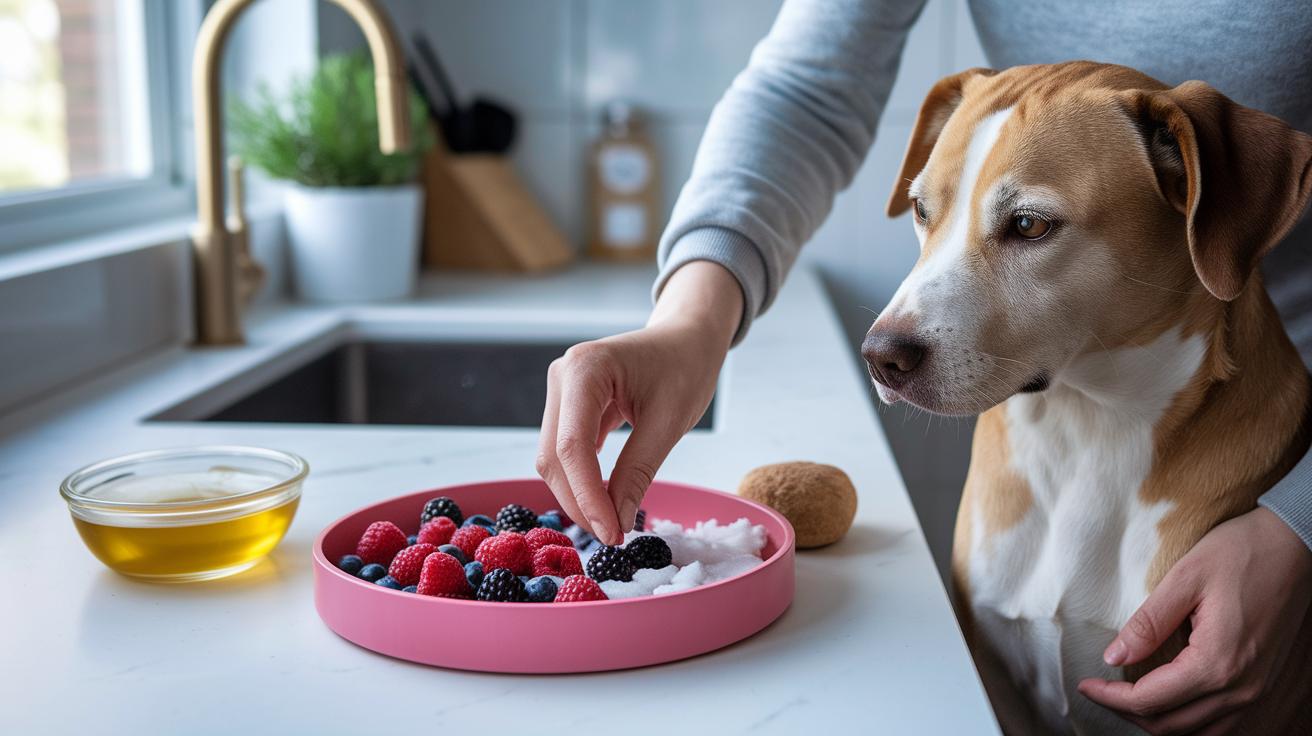
A toxin-free diet is all about helping your pet's natural detox powers shine. When you feed your fur buddy high-quality foods, you’re not only lowering chemical residues but also giving their liver and immune system a friendly boost. Think whole-food treats like plump blueberries, lean proteins, and even organ meats (those nutrient-packed goodies that help keep things running smoothly). And let’s not forget coconut oil. This gem is full of medium-chain triglycerides (healthy fats that support liver detox and fight oxidative stress), and just a little goes a long way, about 1 teaspoon for every 10 pounds of your pet’s weight. Start slow and see how your pet does.
Diet planning for detox can be fun and useful. Mixing in nutrient-rich foods and a few smart supplements can help clear out unwanted chemicals while keeping your pet's gut balanced and happy. Imagine preparing a meal for your pet: a mix of fresh foods that ease the liver's workload and add a boost of energy and vitality. Isn’t it nice knowing you’re doing your best for your furry friend?
Below is a quick guide to help you plan toxin-free meals:
| Food or Supplement | Detox Benefit | Serving Guideline |
|---|---|---|
| Blueberries | Antioxidants that fight free radicals | 1/4 cup daily |
| Lean Proteins (Chicken/Turkey) | Helps repair muscles and supports detox paths | About 25-30% of the meal |
| Organ Meats (Liver) | Loaded with vitamins to aid liver function | 1-2 tablespoons per meal |
| Coconut Oil | Boosts liver detox and promotes gut health | 1 teaspoon per 10 pounds daily |
| Probiotics | Helps balance the gut for toxin elimination | Follow the manufacturer’s dosage |
By mixing these nutritious choices into your pet’s meals, you create a detox-friendly plan that supports their overall well-being and keeps them feeling vibrant.
Outdoor Holistic Toxin Reduction Practices for Pets
When your pet plays outside, they might bump into chemicals that can be harmful. For instance, weed killers with glyphosate have been linked to a much higher risk of serious illnesses in dogs, and lawns treated with herbicides might add to the chance of bladder issues. Even freshly cut grass can hide mold spores that upset your pet’s tummy, and things like broken glass or sharp bits can cause injuries.
One smart way to protect your pet is by switching to organic lawn care. Instead of using strong pesticides, try natural pest repellents like cedar oil or diatomaceous earth (a natural powder from tiny fossilized plants) that steer pests away without affecting your pet. You could also set up a special play area that stays clear of treated spots, so your furry friend gets a safe space to romp around.
For example, instead of spraying chemicals all over your yard, limit these treatments to a few spots. Keep a separate, untreated patch where your pet can explore freely. This way, you create an outdoor area that lets your pet enjoy nature safely while you also care for the environment.
Integrative Veterinary and Holistic Therapies to Support Pet Detoxification
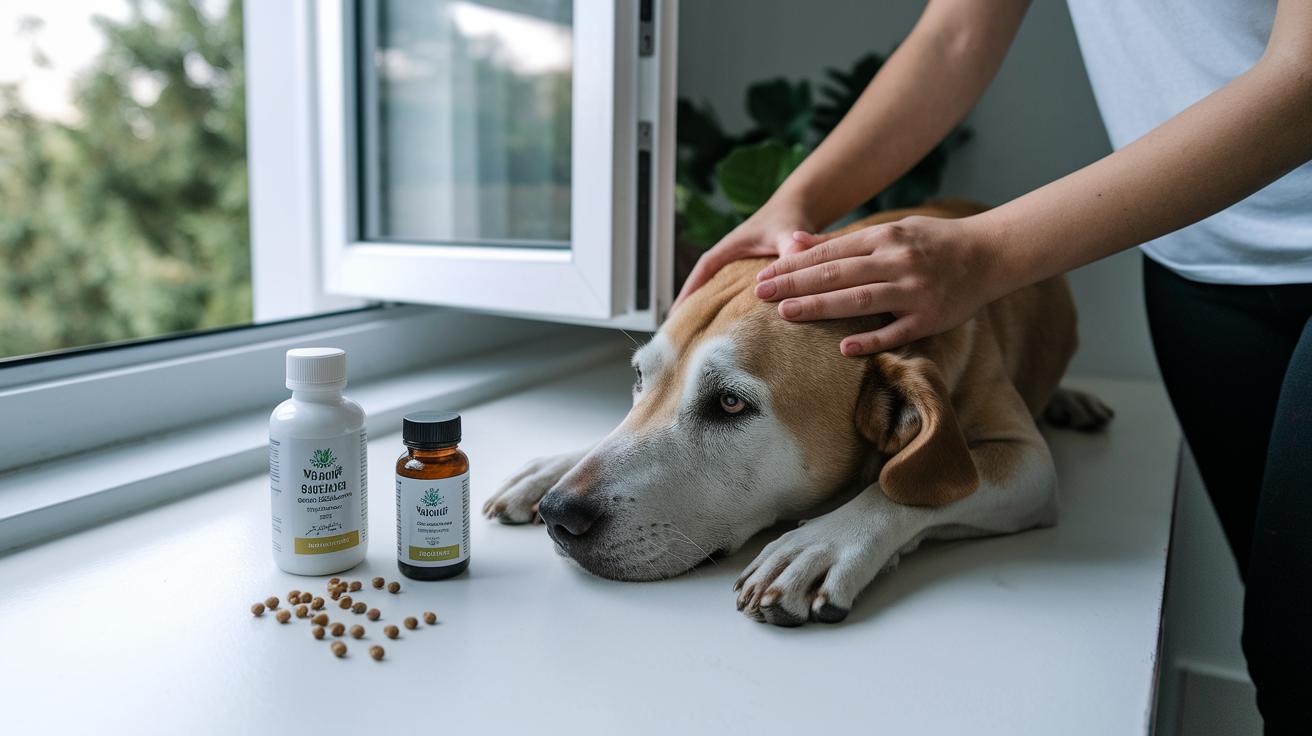
More and more, pet parents are exploring natural ways to help their furry friends detox. Vets are blending traditional care with holistic ideas to boost your pet's overall well-being.
Many experts now suggest using supplements like milk thistle (a natural herb that helps your pet's liver break down and get rid of toxins) alongside probiotics to keep the gut balanced. These natural aids work together to strengthen your pet’s defenses and help counter any damage from harmful free radicals with antioxidant blends.
Coconut oil is another favorite. Research shows it can help the liver manage fats better, ease oxidative stress, and even support a healthy gut with its medium-chain fatty acids. Adding just a little, about 1 teaspoon for every 10 pounds of body weight, might be just the boost your pet's detox process needs.
Alternative therapies such as acupuncture, gentle massage, and even aromatherapy can also play a supporting role. Imagine your pet enjoying a soothing massage that improves blood flow and helps clear out toxins naturally. Always check in with your vet before trying these out to ensure they fit smoothly into your pet’s overall health care plan.
For extra tips on how to mix in these supplements and dietary changes, a guide on holistic pet nutrition can be a great resource.
Establishing Routine Maintenance for Sustainable Pet Toxin Reduction
Keeping your home safe for your furry friend starts with a simple routine. Every day, open your windows for 15–30 minutes to let fresh air in. This little habit helps clear out up to 50% of harmful compounds, making your space feel lighter and fresher.
Next, set aside time each week for natural cleaning. Wash pet beds, toys, and floors using plant-based cleaners. For example, mix castile soap with water to wash surfaces gently, so no harsh chemicals build up over time.
Every few months, take a closer look at your home. Check product labels for low levels of chemicals and even test your air to see how it’s doing. While you’re at it, rotate pet bedding and clean those hidden spots where dust and residues often linger.
Here's a quick checklist:
| Daily | Weekly | Quarterly |
|---|---|---|
| Open windows for 15–30 minutes | Clean with eco-friendly, plant-based solutions | Review product labels and check indoor air quality |
| Wash pet items like bedding and toys | Rotate pet bedding and clean hidden areas |
These easy steps help keep your home low in toxins, ensuring a safe and loving environment for your pet. Have you noticed how a breath of fresh air can uplift your mood, and your pet’s too?
Final Words
In the action, we explored a clear plan for reducing toxins around pets. We covered smart indoor assessments and natural cleaning methods, as well as toxin-free diets and gentle therapies. These steps create safer spaces both indoors and outdoors while supporting your pet’s well-being. Taking small actions each day can help build a healthier home environment. Embracing holistic pet environmental toxin reduction makes a real difference, offering lasting benefits that keep your companion happy and thriving.
FAQ
What is a holistic framework for pet environmental toxin reduction?
The holistic framework for pet toxin reduction combines hazard assessments, non-toxic product alternatives, toxin-free dietary planning, and integrative therapies to lower chemical exposure and support long-term pet wellness.
How can I assess and minimize indoor toxins for my pet?
The indoor toxin assessment involves checking for VOCs from paints and adhesives, choosing low-VOC materials, and monitoring air quality, which creates a cleaner living space for your pet.
What all-natural cleaning methods help reduce pet toxins?
The all-natural cleaning approach uses agents like white vinegar, baking soda, castile soap, lemon essential oil, and hydrogen peroxide to clean surfaces gently and safely, protecting your pet from harsh chemicals.
How does toxin-free dietary planning support my pet’s detox process?
The toxin-free dietary plan uses whole-food ingredients and supplements, such as MCT-rich coconut oil, blueberries, lean proteins, and organ meats, to support liver function and reduce synthetic additive exposure.
How can I create a toxin-reduced outdoor space for my pet?
The outdoor toxin reduction strategy involves using organic lawn care practices, natural pest repellents like cedar oil, and crafting designated pet-safe play areas to minimize exposure to harmful chemicals.
What integrative veterinary therapies support pet detoxification?
The integrative veterinary approach recommends supplements like milk thistle, probiotics, and coconut oil, along with gentle therapies such as massage and acupressure, to bolster liver health and facilitate toxin elimination.
How should I maintain a sustainable low-toxin environment for my pet?
The sustainable maintenance routine includes daily ventilation, weekly natural cleaning sessions, quarterly toxin assessments, and regular washing of pet bedding and toys to consistently reduce chemical buildup.