

Have you noticed your pet’s face light up when they learn something new? It’s like watching pure joy in action. Rewarding your furry friend with tasty treats, warm words, or a happy clicker sound shows them they’re on the right track. When you give a reward right away, they understand what made you smile and try to repeat it. This simple, fun approach turns training into a playful moment that deepens your bond. Isn’t it amazing how little rewards can create big smiles?
Core Positive Reinforcement Training Techniques for Pet Discipline
Force-free training is all about giving your pet a treat when they do something right instead of scolding them. It’s like giving a high-five with food, praise, or a fun clicker sound. When your pet sees that good behavior gets rewarded quickly, they learn faster and feel loved.
Think of it this way: the moment your furry friend follows a cue, offer a reward immediately. That quick reward makes them want to repeat the behavior because it feels so good. It’s like when you get a smile from someone, suddenly, you do it more often.
The trick to this training method is to practice every day, even if the progress is slow at first. Short sessions are perfect because they turn training into a fun little game rather than a long, tiring chore. And hey, even if it feels like baby steps, these little training moments build a strong bond between you and your pet.
- Pick the behavior you want to see more of.
- Say a clear word or phrase each time.
- Reward your pet right away with a treat, kind words, or that satisfying clicker sound.
- Stick to using the same cue every time.
- Slowly add more steps to the behavior before you cut back on rewards.
Remember, having the right gear can make a big difference. Keep some small, soft treats in a handy clip-on pouch so you’re ready to reward your pet instantly. A clicker or even a few kind words can act as a marker to show your pet they did something great. Try to train in a quiet spot with few distractions, using a standard leash or collar. With these tools and a little practice, you’ll soon see improved behavior and share even more joyful moments with your pet.
Behavior Modification for Positive Pet Discipline with Reward-Based Training

Reward-based training builds good behavior by celebrating successes right away. When your pet follows a command, you can say, "Good job, buddy!" while offering a treat, praise, or even a quick play session. This fast reward helps your pet connect the action with a fun outcome, making every moment feel safe and predictable.
When everyone in your home uses the same words and signals, your pet understands exactly what you mean. A handy trick is the "Learn to Earn" rule, your pet earns their meal only after nailing a cue. This clear and consistent approach keeps signals simple, so there’s never any mixed-up message.
Mixed signals can leave your pet confused about what behavior is expected. If rewards are given here and there or different family members use different cues, your furry friend might not catch on. Staying consistent with noticeable rewards reinforces the right actions every time.
Take one example: a timid dog who was unsure about new commands started learning to sit on cue thanks to plenty of kind, timely rewards. With regular practice, each successful sit built more trust and confidence, transforming little wins into great strides in behavior.
Clicker Training and Command Frameworks for Positive Pet Discipline
Clicker training uses a unique sound to celebrate your pet’s good behavior right away. It’s a fun and clear way to let your furry friend know they’ve done something right, just like a little high-five that sparks joy.
Setting Up Clicker Communication
First, gather your tools: a small clicker, a treat pouch, a flat collar or harness, and a six-foot leash. In a quiet spot, “charge” the clicker by clicking and then giving a treat immediately. For instance, when your pet’s eyes meet yours, click and reward them. This helps them connect that happy sound with a tasty treat, making learning feel like a playful reward.
Developing Command Frameworks
Now, add clear verbal cues and simple hand signals to the mix. Stick to one specific word for each action so your pet knows what you mean. As your pet’s confidence grows, you can slowly drop the clicker sound and rely more on your words and gestures. This steady approach turns training into an easy, enjoyable journey that deepens your bond and makes learning new commands a breeze.
By linking each right behavior with an instant click and treat, clicker training becomes a trusted way to nurture positive discipline. It not only teaches clear commands but also strengthens the special connection between you and your pet, setting the stage for even more fun, advanced skills in the future.
Consistent Pet Discipline Strategies for Obedience Skill Development

Keep your training sessions short and sweet. Try 5 to 10 minutes so your pet stays focused. Also, make sure everyone at home uses the same word or gesture and gives rewards at the same time to keep things clear.
Think about using a simple log or even an app to track progress. Write down the dates, behaviors, and rewards you see. For example, you might note, "Fido mastered 'sit' consistently in just 5 sessions." This helps you celebrate those wins and decide when to gently up the challenge.
As your pet gets comfortable with each command, mix things up in small ways. These little changes not only keep the training fun but also help your pet learn new signals along the way.
Ethical Considerations in Humane Instruction Approaches to Pet Discipline
Research shows that a relaxed pet learns so much better. When you choose stress-free methods, your pet’s stress hormone (called cortisol) drops, and you both feel closer. Imagine how your furry friend’s eyes brighten when they sense you’re calm and caring.
Using gentle methods instead of shock collars or choke chains creates a peaceful space where trust grows naturally. I once noticed that a calm pet is ready for a bonding moment rather than feeling scared or anxious. Every training session then becomes a chance to share a quiet, understanding moment with your pet.
Sometimes, a soft "no" or "stop" is all it takes to steer your pet away from unwanted actions without any harshness. These mild verbal nudges help them understand what’s expected without hurting their feelings, making the learning experience kind and clear.
It also helps to use safe gear, like a well-fitting flat collar and a regular leash, that supports this kind of gentle training. And if your pet struggles with more complex actions, think about getting help from a certified trainer or joining a small group class. This way, your pet gets personalized, kind guidance in a friendly setting.
Adapting Pet Discipline Training Techniques to Various Species
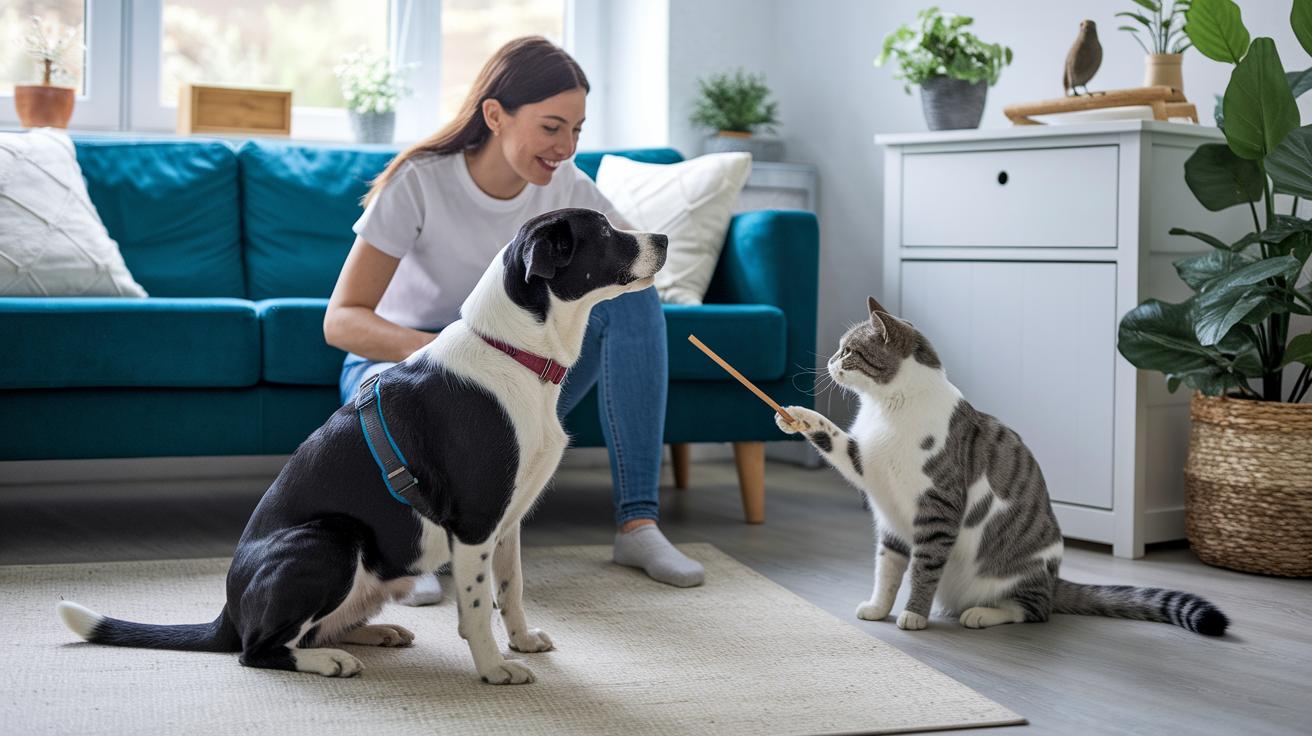
Every pet learns in its own unique way, so matching your training methods to their natural style really brings out the best in them. Dogs, for example, love fun, gentle methods that use clear rewards. Whether they're a playful pup or a wise old friend, short, interactive sessions with tasty treats, kind praise, or a little click from a clicker work wonders.
Cats, curious by nature, enjoy a mix of play and training. A clicker or even a target stick can be a fun way to shape their behavior, making learning both calm and rewarding. And for our smaller furry friends, gentle handling along with a few yummy treats helps them feel safe and excited to learn new things.
| Pet Species | Recommended Techniques | Ideal Rewards |
|---|---|---|
| Dog | Gentle, force-free methods and short sessions with clicker training | Small soft treats, warm praise, playful moments |
| Cat | Clicker training, treat-based rewards, target stick guidance | Tasty treats, affectionate petting, kind words |
| Small Mammal | Soft handling and positive touch training | Food rewards and quiet, reassuring praise |
| Bird | Target training and learning through social cues | Seed-and-nut treats along with encouraging words |
Birds also enjoy clear target training and have a knack for learning by watching their peers. Watching others can actually boost their own learning and help create a lively, connected atmosphere at home. Tailoring your approach for each type of pet builds a delightful and caring training space where every pet feels loved and ready to learn.
Final Words
In the action, we dove into core training techniques for positive pet discipline, from using rewards and clickers to keeping daily sessions short and fun. We examined how gentle behavior modification boosts trust and improves obedience. Simple steps, practical equipment, and a stress-free approach make a world of difference across species. Consistent practice earns both treats and smiles. Here’s to training techniques for positive pet discipline that create lasting bonds and make every pet moment a joy.
FAQ
What training techniques can I use for positive pet discipline at home?
The training techniques for positive pet discipline at home use rewards like treats, praise, or a clicker immediately after a desired behavior to build trust and encourage good habits.
What are some positive reinforcement dog training examples?
Positive reinforcement dog training examples include giving a small treat or verbal praise right after a dog sits or comes when called to encourage repeating the behavior.
How does positive reinforcement dog training differ from correction?
The positive reinforcement method rewards good behavior immediately, while correction methods use negative feedback that may harm the bond between you and your dog.
Where can I find positive reinforcement dog training near me or in a PDF?
You can search locally for trainers offering positive reinforcement dog training sessions or look online for downloadable PDF guides that detail reward-based training techniques.
What positive reinforcement dog training psychology principles are behind these methods?
The positive reinforcement dog training psychology is built on operant conditioning, where an immediate reward after a correct action strengthens the behavior and enhances the pet bond.
What do the 5 D’s of dog training refer to?
The 5 D’s outline a framework for managing behavior by detecting triggers, distracting the pet, directing focus to the right action, demonstrating the desired behavior, and delivering rewards.
What is the positive training method for dogs?
The positive training method for dogs relies on rewarding desired actions with treats or praise, avoiding negative corrections, and building a trusting, enjoyable learning environment.
What is the 1/2/3 dog training method?
The 1/2/3 dog training method involves a simple three-step process of prompting the behavior, reinforcing it immediately with a reward, and repeating the cycle consistently.
Can you give an example of positive reinforcement in animal training?
An example of positive reinforcement in animal training is rewarding a cat with a treat after it uses a scratching post, reinforcing the desired behavior without using punishment.