
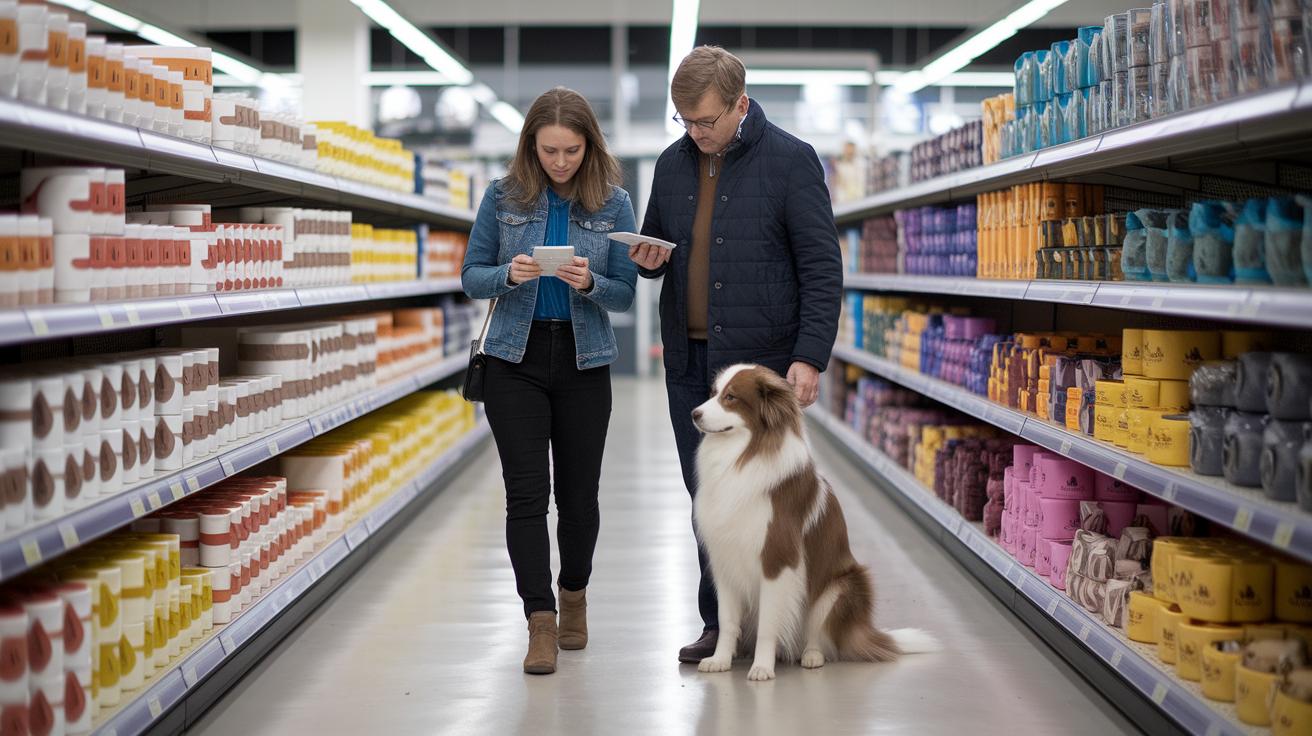
Have you ever thought about how your pet’s toy could be kinder to our planet?
Imagine your playful pup chasing after a toy made from recycled materials while knowing it was created under fair working conditions. It isn’t just a passing trend, it’s a mindful choice that supports our pets, our community, and nature itself.
In this chat, I’ll explain how picking eco-friendly and fair products means giving our furry friends extra care while making our world a bit healthier for everyone.
ethical pet product sourcing explained: Fresh and Fair
Ethical pet product sourcing means picking pet items in a way that respects our planet, people, and our furry companions. The pet market is growing fast, and today more pet parents are choosing items that are both safe and kind to nature. Imagine a dog whose tail is wagging a little extra after playing with a toy made from recycled materials. It’s a simple reminder that thoughtful choices can make pets and communities happier.
At its heart, ethical sourcing has three main parts. First, it means using earth-friendly methods that cut down on waste and harmful chemicals. Next, it ensures fair labor practices so that everyone making our pet products works in good conditions. Lastly, it involves using sustainable materials like recycled plastics, natural fibers, or organic ingredients (for example, organic catnip) to keep things safe and top quality.
These practices benefit both animals and the brands that make these items. Ethical sourcing keeps pets safe by avoiding toxic substances and encourages a more natural way of living. It also builds trust because companies that share transparent sourcing stories show their commitment to the planet. When pet parents know a product is made with care, it feels like a win for everyone involved.
Criteria for Responsible Pet Product Sourcing
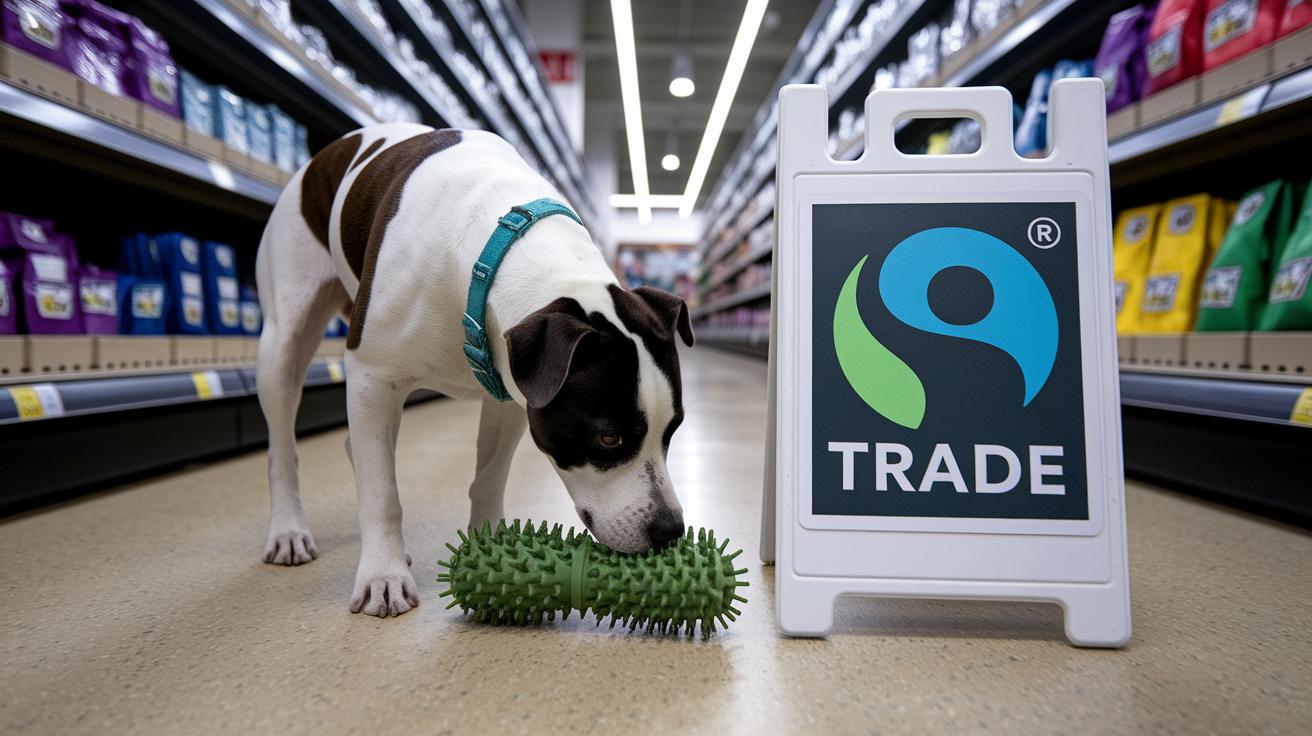
When you start choosing pet products, it all begins with setting clear rules. These guidelines help us pick items that are safe for our pets and kind to our planet. They ensure that materials are free from harmful chemicals (those pesky substances that can hurt our pets) and are made with real care. When suppliers opt for recycled materials like hemp and recycled rubber (rubber made from old tires), it not only cuts down on waste but also lightens the load on our environment. In other words, good material choices let our pets play safely while we take steps toward a greener world.
- Sustainable material sourcing
- Fair labor and manufacturing practices
- Material safety and non-toxicity
- Life cycle and durability analysis
- Supply chain traceability
- Eco-friendly packaging and minimal waste
By sticking to these criteria, pet stores big and small can better understand the true worth of each product. This thoughtful approach leads to buying responsibly and builds a supply chain that cares for both the animals and our planet. It means products last longer, create less waste, and keep our beloved companions safe, an ethical win for everyone.
Leveraging Certifications in Ethical Pet Product Sourcing
Certifications are a great way to know that pet products are made with care for both our furry friends and the planet. They help you quickly spot items built on strong ethical values and sustainable practices that every pet parent appreciates. When you see a trusted label like Fair Trade or USDA Organic, you get a glimpse of the thoughtful production methods used. For example, Ethical Pet proudly shares factory audits and measures its ecological footprint, giving you a clear picture of its commitment.
Key Certification Types
- Fair Trade – Shows products are crafted with fair labor practices and sustainable sourcing.
- GOTS – Confirms that organic textiles follow strict guidelines for both environmental care and worker safety.
- B Corp – Looks at a company's overall positive impact on society and nature.
- USDA Organic – Makes sure ingredients meet organic standards, free from harsh chemicals.
How to Interpret Certification Labels
- Check the logos for authenticity and any visible audit marks.
- Look at the dates to ensure the certification is current.
- Read the audit reports to see how transparent the production process is.
- Understand what each certification stands for to be sure it makes a real impact.
Using certified products isn’t just about ticking boxes, it’s about showing genuine care for our planet and pets. When retailers choose these items, they signal a true commitment to ethical practices and honesty. This way, every purchase reassures pet parents that they are making safer, sustainable choices for their beloved companions.
Evaluating and Auditing Suppliers for Ethical Pet Products

Picking the right suppliers is a must when it comes to making pet products that are ethical and kind to our furry friends. Working with partners who truly care means you can trust that every item, from a playful chew toy to a cozy pet bed, is made with good practices. It’s all about catching any issues early on so they don’t affect the final quality, and that builds trust with pet parents like you and me.
On-site and Remote Audits
- Regular visits help you see the working conditions firsthand and check that production is done right.
- Planned remote audits, often backed by trusted, independent experts, give you a clear, unbiased look at the process.
- Routine risk checks help spot any potential hiccups before they become big problems.
Technology for Supply Chain Traceability
- Blockchain tracking creates a clear and unchangeable record of where each product comes from (think of it like a digital diary that can’t be altered).
- RFID tagging offers constant monitoring and quick checks to know exactly where a product is at any time.
- Digital tracking systems give you real-time updates, showing every step of your product’s journey from start to finish.
When you weave these audit insights into your buying decisions, you support suppliers who genuinely prove their commitment to ethical practices. For example, pet shops looking for sustainable options for dogs can check out their available choices, while those seeking eco-friendly cat supplies can find trusted products too. This honest, careful approach helps build a reliable network that pet parents can truly believe in.
Real-World Examples of Ethical Pet Product Sourcing
In our first case, we meet a dog toy brand that makes its products only from recycled stuff like felt, hemp, and recycled rubber. They start off by gathering used materials after we've tossed them and team up with neighborhood recyclers to cut down on waste. They even add certification labels (for example, USDA Organic on their organic catnip accessories) to show that their claims are real. Regular checks also tell them that these toys waste less material and last longer, keeping our playful pups safe and happy.
Next, we have a cat accessory company that uses organic fabrics for their pet beds and feeding bowls. They keep things open by doing regular checks to prove where every part of the product comes from. Sharing sustainability reports and life cycle details has really clicked with pet parents, who love knowing that each product is made with the environment in mind. One customer even said that seeing the factory audits made her feel confident about her cat’s new cozy bed.
These real-world examples show that choosing the right materials and being open about how products are made can lead to long-lasting, eco-friendly items that build trust between brands and pet owners.
Final Words
In the action, we covered ethical pet product sourcing explained by outlining core principles, responsible criteria, and certification processes.
We broke down eco-friendly methods, fair labor practices, and audit insights to help pet parents make wise choices. Real-world examples showed how safe, sustainable materials and transparent supply chains boost trust.
Feel good knowing every step you take promotes happier pets and a healthier planet.
FAQ
In your own words, what is ethical sourcing and why is it important to organizations?
Ethical sourcing means choosing suppliers that use sustainable, fair, and animal-friendly methods. It’s important because it builds trust, supports social responsibility, and strengthens brand integrity.
What does it mean if a product is ethically sourced and what is the concept behind it?
Ethically sourced products are made using sustainable practices, safe materials, and fair labor. This concept ensures that every step from production to delivery cares for the environment and animal welfare.
How do sustainability and ethical sourcing relate to one another?
Sustainability and ethical sourcing work together by promoting eco-friendly production methods and renewable practices. They both aim to protect natural resources and support responsible labor and animal care.
What is an ethical supplier in the context of pet products?
An ethical supplier is a partner who uses fair labor practices and eco-smart production methods. They commit to animal welfare and responsible sourcing, helping maintain high-quality and trustworthy pet products.
What does ethical sourcing for animals mean?
Ethical sourcing for animals focuses on production methods that respect animal welfare. This approach ensures that ingredients and processes are humane, safe, and free from any harmful practices.
What does it mean if a product is unethically sourced?
Unethically sourced products come from supply chains using practices that harm the environment, compromise animal welfare, or rely on unfair labor. Such products often risk damaging consumer trust and brand reputation.
What are some risks of ethical sourcing?
Risks of ethical sourcing include higher costs, limited supplier availability, and transparency challenges. These issues can affect production speed and market competitiveness, despite the overall benefits for society and the environment.