
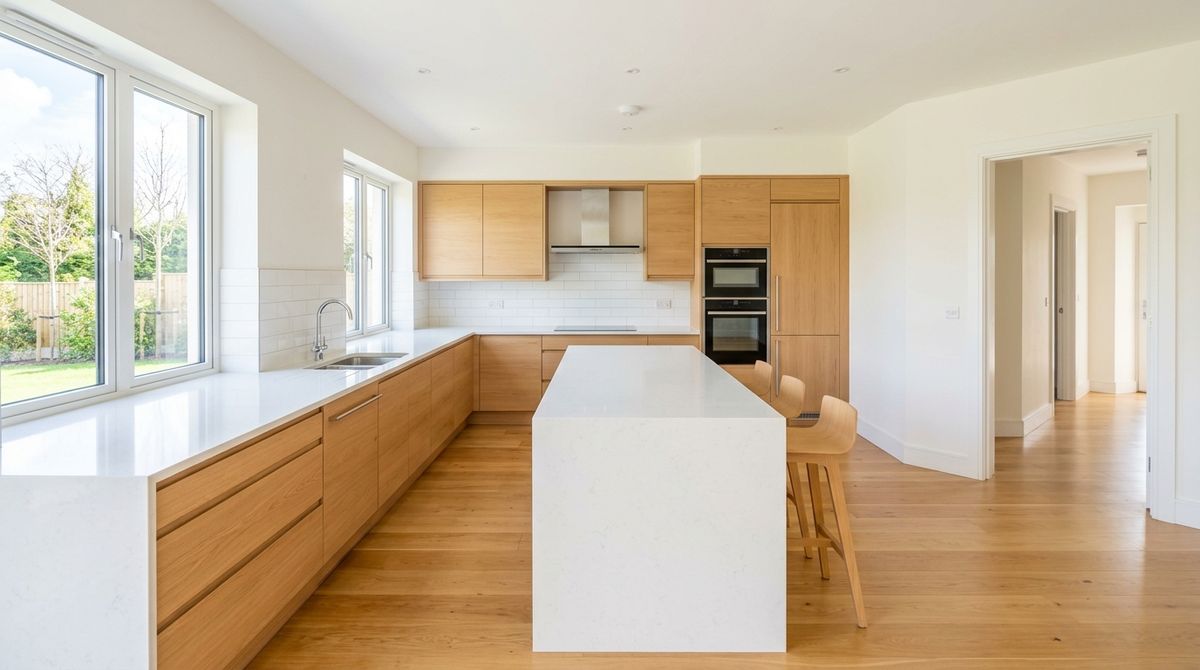
Home cooks who have spent years at the stove often stop measuring every ingredient. They adjust salt by tasting, judge heat by the sound of a pan and know when a sauce needs a splash of acid. These instincts are rarely written down, yet they make everyday meals more flexible and less stressful. This article describes the kitchen habits that experienced cooks rely on, and it explains why they work across many styles of food. The ideas are general observations about home cooking rather than strict recipes.
Most of these habits build gradually, one meal at a time. They do not require expensive equipment or formal training, only attention and a willingness to adjust. A cook who develops them tends to waste less food and feel more confident when plans change. The points below can be tried in any kitchen, whether small or large. Start with the habit that feels most natural and let the others follow as your confidence grows.
Taste as You Go and Adjust in Small Steps
Tasting throughout the cooking process is one of the most reliable habits in a home kitchen. A cook who waits until the end often discovers that the dish needs more salt, more acid or more time. Small adjustments made early are easier to control than large corrections made in a rush. Experienced cooks taste with a clean spoon each time, which keeps flavors honest. The habit turns cooking into a conversation with the food rather than a rigid set of steps.
Add seasoning in small pinches, stir, and taste again before adding more. Remember that flavors often soften or intensify as food rests, so a slight under-seasoning can be a sensible starting point. Keep a few basic tools handy, such as a lemon, a bowl of salt and a sturdy wooden spoon. Readers may also want to visit How to Fix my Printer. Write brief notes after each meal so you can recall what worked.
Season in Layers Rather Than All at Once
Layering seasoning means adding flavor at several stages instead of dumping everything in at once. Onions softened gently in fat build a sweet foundation, while spices bloomed briefly in oil add warmth. Salt added early helps food absorb moisture, and finishing herbs or citrus at the end lift the whole dish. Experienced cooks think of each stage as a chance to shape the final character of the meal. Layering rewards patience and steady attention.
A simple approach is to season the aromatics, then the main ingredient, then the finished dish. You can also visit mashboxx.com for more reading. Resist the urge to rely only on heat or sauce to hide flat flavor. Instead, adjust salt, acid and texture until each bite feels complete. Once the rhythm becomes familiar, the process feels almost effortless.
Let Leftovers Guide Tomorrow’s Menu
Leftovers are not a failure when they become the starting point for the next meal. Experienced home cooks look in the refrigerator before planning anything new, noticing vegetables that need using and grains that could become a fresh bowl. Turning yesterday’s roast into a soup or a sandwich saves money and reduces waste. The habit also encourages creative combinations that might never appear on a printed menu. Think of leftovers as an ingredient rather than a problem. For a related read on this site, see Tidying Legal Paperwork at Home Before Starting Fresh.
Store cooked food in shallow containers so it cools quickly and stays safe to eat. Label containers with the contents and the day they were prepared, so nothing is forgotten at the back of the shelf. Keep a small list of pantry staples that pair well with almost anything. A little planning turns a random fridge into a useful week of dinners.
Clean as You Cook to Keep the Pace Calm
A tidy workspace makes every other habit easier to practice. Experienced cooks wash small bowls, wipe counters and put away tools while sauces simmer. This quiet rhythm prevents the sink from becoming a mountain at the end of the meal. It also keeps the cook focused on flavor rather than clutter. Clean as you go is less a rule than a way of protecting the mood of the kitchen.
Keep a damp cloth nearby, and keep the cutting board clear of finished ingredients to avoid mix-ups. Store knives in a safe place so they are not lost under a pile of towels. Place used utensils in a dedicated bowl to reduce trips to the sink. Turn the handles of hot pans inward to avoid accidents when children are nearby. Calm, orderly habits make cooking feel like a pleasure rather than an emergency.
Confidence Grows From Ordinary Meals
Most kitchen instincts come from repetition rather than from dramatic lessons. Tasting often, seasoning in layers, respecting leftovers and cleaning as you go all add up to steady improvement. A cook who practices these habits tends to adapt easily when an ingredient is missing or a guest arrives early. The stove becomes a place of experimentation rather than anxiety. Keep cooking, keep noticing and let the instincts sharpen naturally over time. Invite a friend to cook with you once in a while, because talking through each choice out loud reveals instincts you did not know you had.