
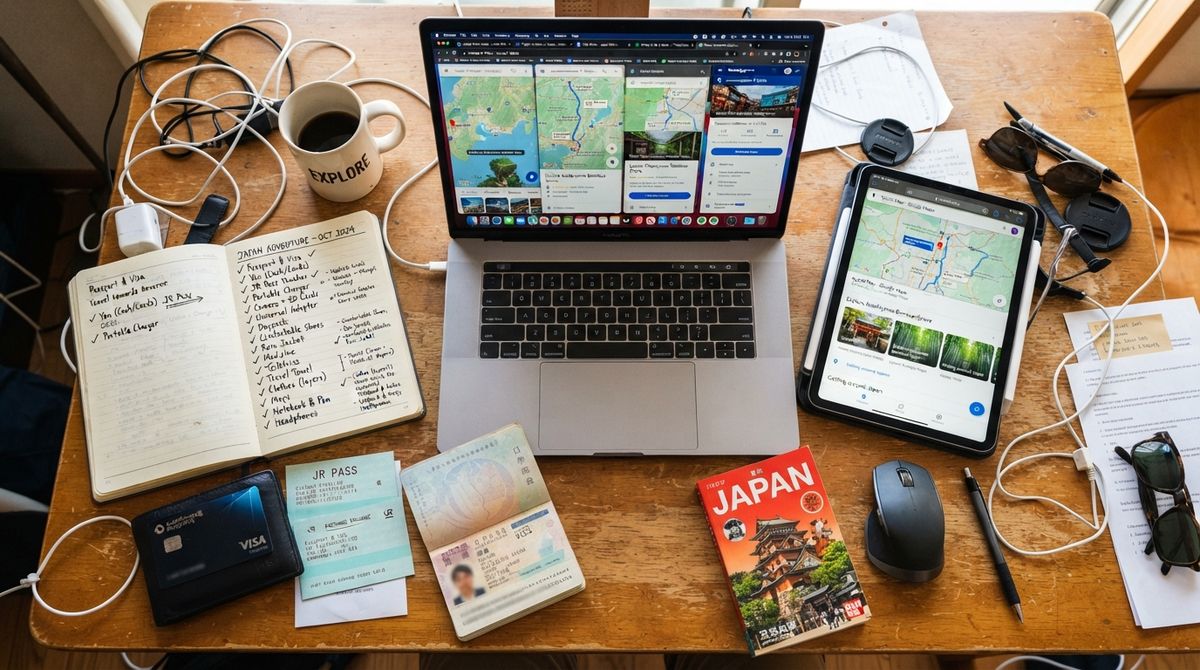
Coming home after time away is a good moment to take stock of how the trip went. Bags are still half full, chargers are scattered across the hallway, and the shelves may have gaps nobody noticed before leaving. A calm homecoming routine turns that clutter into useful information about what to keep, what to replace and what to pack differently next time. Vaping accessories and other small electronics deserve the same care as clothes and toiletries, because they tend to hide in pockets, zipped pouches and forgotten corners of the luggage.
Unpacking in a Set Order
Start by placing everything on a clean surface instead of lifting items straight out of the bag. This lets you see the clutter as a whole, which makes it easier to spot duplicate pouches, empty containers and cables that never left the house. Work through the bag in layers, beginning with dirty laundry and finishing with the small compartment where devices usually hide. A consistent order means nothing is left behind on the floor of a hotel closet or the back seat of a car.
Keep a plain notepad near the entrance during this step. Write down anything that ran low, broke or felt awkward to carry, because those notes become the basis of your next packing list. Many travelers find the most useful lessons are small ones, such as a strap that snagged or a lid that never sealed properly. Capturing them while the trip is still fresh saves a lot of guesswork later on. Readers may also want to visit TechRegar.
Sorting Devices and Vape Gear Separately
Devices deserve their own tray so batteries, chargers and holders are checked together. Look for frayed cables, swollen cases or any sign of heat damage, and set those items aside for proper recycling rather than tossing them into a general bin. Store spare batteries in their original cases or in separate pouches so they cannot touch metal objects. This is general household advice, and the manufacturer’s instructions always take priority over anything written here.
Vape accessories often include replacement parts that run out faster than expected. Count what remains, note the items that were used up and decide whether to restock now or wait until the next purchase makes sense. Rules around carrying these products differ from one place to another, so check the current guidance for your destination and your airline before the next departure. A short reminder written inside the drawer can save a last-minute search. You can also visit primrose-soft.com for more reading.
Refreshing the Shelves at Home
Once the bags are empty, turn to the shelves that absorbed the trip. Pantry items opened on the road may need using first, and toiletries that came back half used can move into a travel-size container for the next outing. Wipe down the surfaces where bags rested, since dust and grit collect in corners quickly. A brief dusting also gives you a chance to see which items have quietly become unnecessary. For a related read on this site, see Household Money Habits: A Simple Look Back and.
Think about where things live, not only where they fit. If the travel pouch keeps ending up on the wrong shelf, move it to a spot near the door so it is grabbed on the way out. Simple labels or a color scheme make it easier for everyone in the household to return things correctly. Small adjustments like these prevent the scramble that usually happens right before the next trip begins.
Looking Back at What Worked
Compare this trip with the plan you made before leaving. Note which clothes were worn and which stayed folded, which gadgets were charged and which sat unused, and where time was lost waiting for something that was not packed. Patterns tend to appear when several trips are compared side by side. Write one line for each category rather than a long essay, so the notes are quick to read later.
Many readers also keep a few general notes on packing, which can help test new ideas without buying extra gear. Use what you learn to cut the number of items you carry, since a lighter bag usually means less to unpack at the end. Keep these notes with your packing list so the lessons travel with you next time. Old habits fade faster when the reminders are easy to find.
Planning the Next Trip Now
Planning while the details are fresh makes the next departure far easier. Create a simple template with sections for clothing, devices, toiletries, documents and the small items that often get forgotten. Fill it in using your homecoming notes, removing anything that did not earn its place and adding anything you wished you had. Store the template in a folder where it can be copied in a few seconds.
Choose a fixed home for each travel category, so restocking after the next trip becomes a matter of moving items back rather than hunting for them. Some households keep one bag permanently packed with basics, while others prefer to rebuild the list each time. Either approach works well as long as it is written down and reviewed regularly. A list that stays current is worth more than a perfect one that goes stale.
Unpacking carefully and reviewing honestly turns a tiring return into a clear plan for the next departure. The shelves look tidier, the devices stay in better condition and the next packing list tends to be shorter and more accurate. Taking an hour for this routine often makes the difference between a relaxed start and a rushed one. Keep the notes, trust the process and let each trip improve the one that follows.