
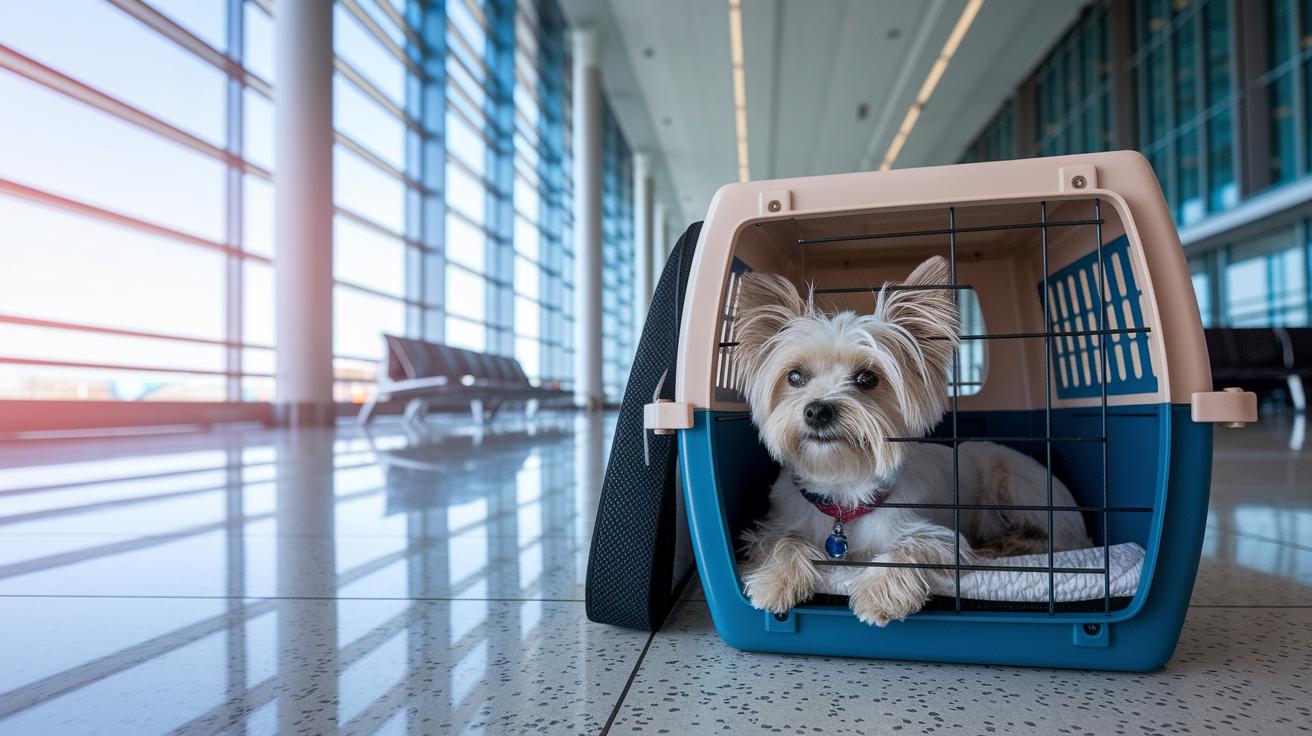
Ever wondered if your pet carrier could make your flight a breeze? The right airline-approved carrier for your 30-lb dog isn’t just a box, it’s about keeping your buddy comfy and safe, no matter where you are headed.
We tried out a bunch of options to see how well they hold your furry friend snug (that means secure and cozy) while still meeting all the airline rules. Next, you'll discover which carrier turns travel worries into a joyful adventure for you and your beloved companion.
Top Airline-Approved Pet Carriers for 30lb Dogs
Traveling with your 30lb buddy means picking the right carrier is a must. We checked for how comfy, tough, stylish, and easy-to-clean each carrier is, plus how well they work on a plane. This list of five carriers gives you plenty of choices, from soft carriers that snugly fit under the seat to hard-sided crates built for extra rugged trips. Think of the Sherpa carrier as that reliable friend who’s always there, much like your dog’s bright, excited greeting when you come home.
Below is a handy table comparing each model’s size, capacity, cost, and special features:
| Model | Dimensions (L×W×H) | Capacity | Price | Standout Features |
|---|---|---|---|---|
| Sherpa Soft-Sided Carrier | 17.5″ × 11″ × 10″ | Up to 30lb | Mid-range | Reliable, affordable; optional wheeled version |
| Petsfit Expandable Carrier | 16″ × 10″ × 9″ (expandable) | Up to 30lb | Moderate | Lightweight, expandable design ideal for under-seat placement |
| Gunner G1 Kennel Intermediate | 20″ × 14″ × 16″ | 30lb | Higher | Hard-sided and robust, perfect for cargo travel |
| Petmate Aspen Pet Porter | 18″ × 11″ × 11″ | 30lb | Affordable | Meets FAA standards with a safe, straightforward design |
| Dagne Dover Kyoto Carrier | 18″ × 12″ × 10″ | Up to 30lb | Premium | Sleek style, durable feel, and super easy to clean |
Each carrier lets your pet stand up, turn around, and lie down comfortably while you fly. Isn't it great knowing your furry pal can travel in comfort?
Cabin Size & Weight Compliance for 30lb Dog Carriers
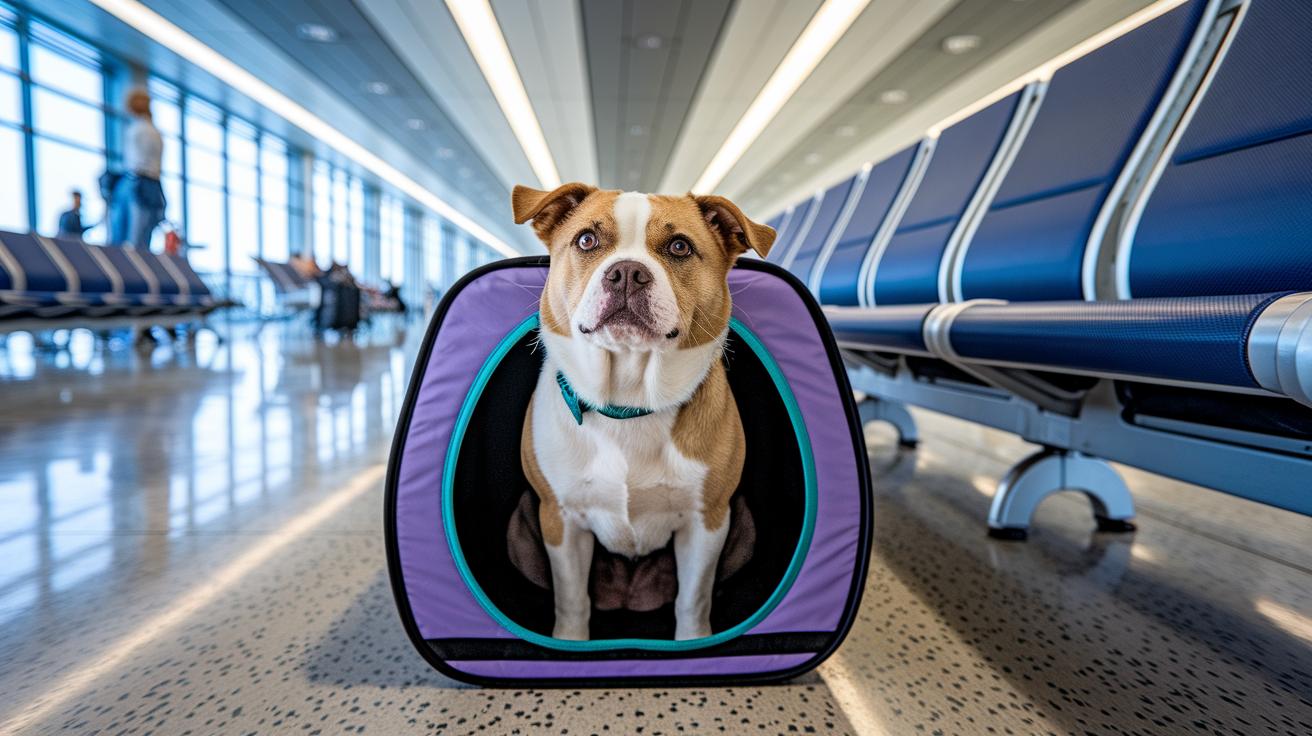
When you're flying with your 30lb buddy, it's important to choose a pet carrier that meets the size and weight rules set by most U.S. airlines. These guidelines make sure your furry friend can stand up, turn around, and lie down with ease, all while staying snug and safe during the flight. Picking the right carrier means it fits neatly under your seat and still gives your pet room to move, which really helps keep them calm.
Below is a handy guide to the under-seat dimensions and the maximum total weight (pet plus carrier) for several popular airlines:
| Airline | Dimensions (L×W×H) | Max Total Weight |
|---|---|---|
| American Airlines | 18 in × 11 in × 11 in | 25 lb |
| Delta Air Lines | 18 in × 11 in × 11 in | 20 lb |
| United Airlines | 17 in × 12.5 in × 9.5 in | 25 lb |
| Southwest Airlines | 17.5 in × 15 in × 8.75 in | 25 lb |
| JetBlue Airways | 18 in × 14 in × 8 in | 25 lb |
Remember, these guidelines give you a quick snapshot for matching the right carrier with airline rules. Always double-check the latest pet policies with your airline (and IATA guidelines, too) before you book your flight. Safe travels to you and your furry friend!
Soft-Sided vs Hard-Sided Carriers for In-Cabin 30lb Dogs
Soft-sided carriers have fabric walls that gently bend to fit neatly under an airplane seat. They often come with extra space that can expand when needed and feature plenty of mesh windows so your pet can see the world outside while staying cool and comfy. Picture a carrier that almost hugs your dog, giving them a safe space to relax while still letting them peek out, much like the Sherpa or Petsfit designs. They’re light, usually weighing around 5-8 lb, and can easily be stowed in overhead compartments.
Hard-sided crates, like the Gunner G1 or Petmate Aspen, offer a firmer space that looks after your pet with a solid shell. They’re great for travels where extra protection is needed, especially if your pet is flying as cargo. However, they must strictly meet airline size limits, and their sturdy build and snap-in hardware typically add extra weight, somewhere between 15-25 lb. Cleaning these is a bit different too; you might need to remove a tray from a plastic case, while soft-sided ones are often cleaned with a quick wipe of the nylon surface.
- Soft carriers feature zippered doors for easy and quick access.
- Hard carriers use sturdy metal-bar doors for a secure closure.
How to Measure Your 30lb Dog for the Perfect Cabin Carrier
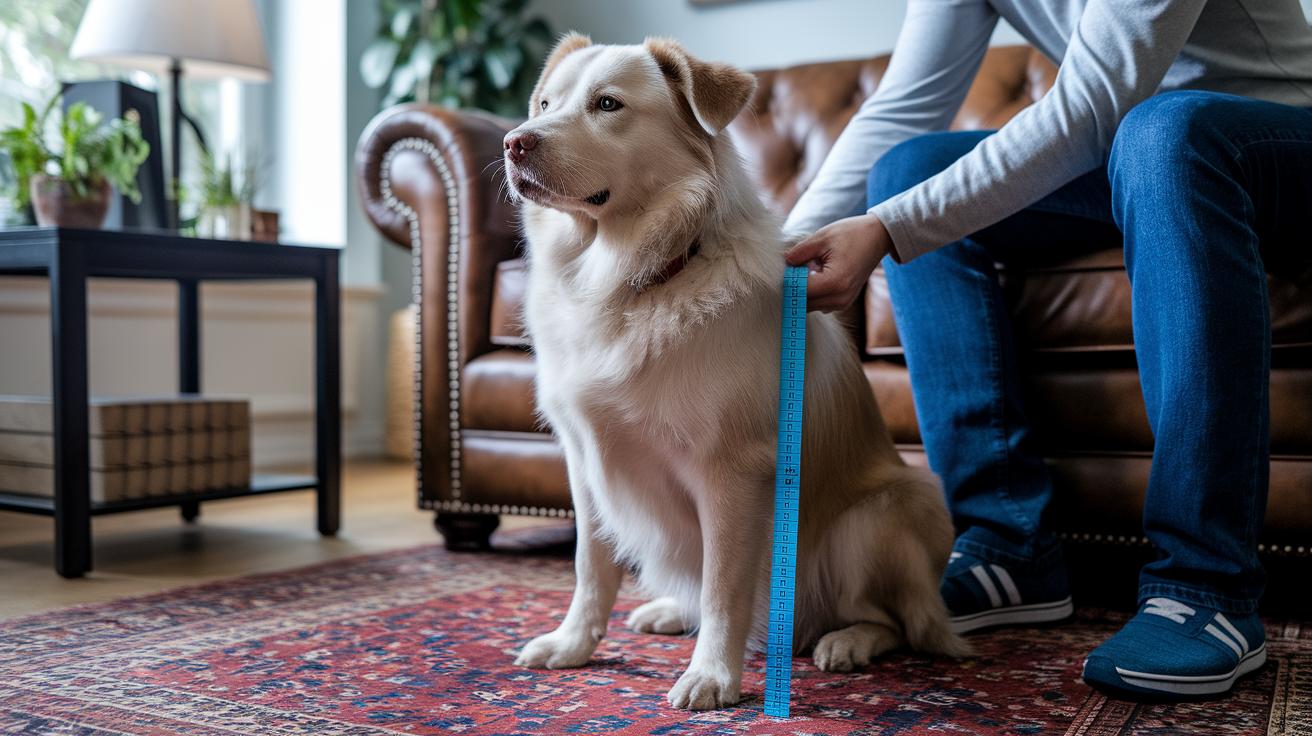
First, put your dog on a regular household scale to find out their weight. This is important because many carriers fit pets up to 25lb. Since your dog weighs 30lb, you want a carrier that’s built for a “large-medium” dog.
Next, measure your pup’s body at three spots. Start by checking the distance from the tip of the nose to the base of the tail. Imagine your dog lying down and picture that length as your starting number. Then, measure across the widest part of the shoulders – think of the broad, cozy area where they wag their tail. Finally, stand your dog up naturally and measure from the floor to the top of the head or to the tip of the ear.
After you have these numbers, add an extra 2 to 3 inches to each measurement. This little bit of extra space helps your pet turn around, curl up, and feel comfy during travel. Now, compare these adjusted dimensions with the carrier’s details. Make sure the carrier fits under the seat and gives your buddy enough room to relax and feel secure.
Don’t forget to check the carrier’s spec sheet and match it with your measurements. This way, you know your pet’s travel container meets flight standards while keeping them safe and cozy.
Steps to Acclimate Your 30lb Dog to an Airline-Approved Carrier
Start your travel prep about 3 to 4 weeks before you hit the road. Pick out a carrier that feels just right for your pup and set it up in a busy part of your home, like near the living room door where your dog often wanders by. It’s like introducing a shiny new toy that suddenly feels familiar. Toss in some treats, a favorite toy, and a soft blanket that smells like home.
Next, turn meal times into moments of comfort. Feed your dog right inside the carrier so that fun food time becomes linked with a cozy spot. When your buddy starts enjoying meals there, take a short, 5 to 10 minute drive with the carrier safely secured. Gradually, you can stretch these drives to 30 or even 60 minutes. Every time your dog stays calm, offer praise or a little treat to let them know they’re doing great. Practice zipping the carrier partly and then fully, always giving a cheerful word or treat if your dog remains relaxed.
Remember, experts say that dogs can stay safely inside an in-cabin carrier for about 6 to 8 hours, but don’t forget to plan a bathroom break every 6 hours on longer flights. Taking these small, thoughtful steps will help make travel day a calm, enjoyable adventure for both you and your furry friend.
Alternatives When Your Dog Exceeds Cabin Weight Limits
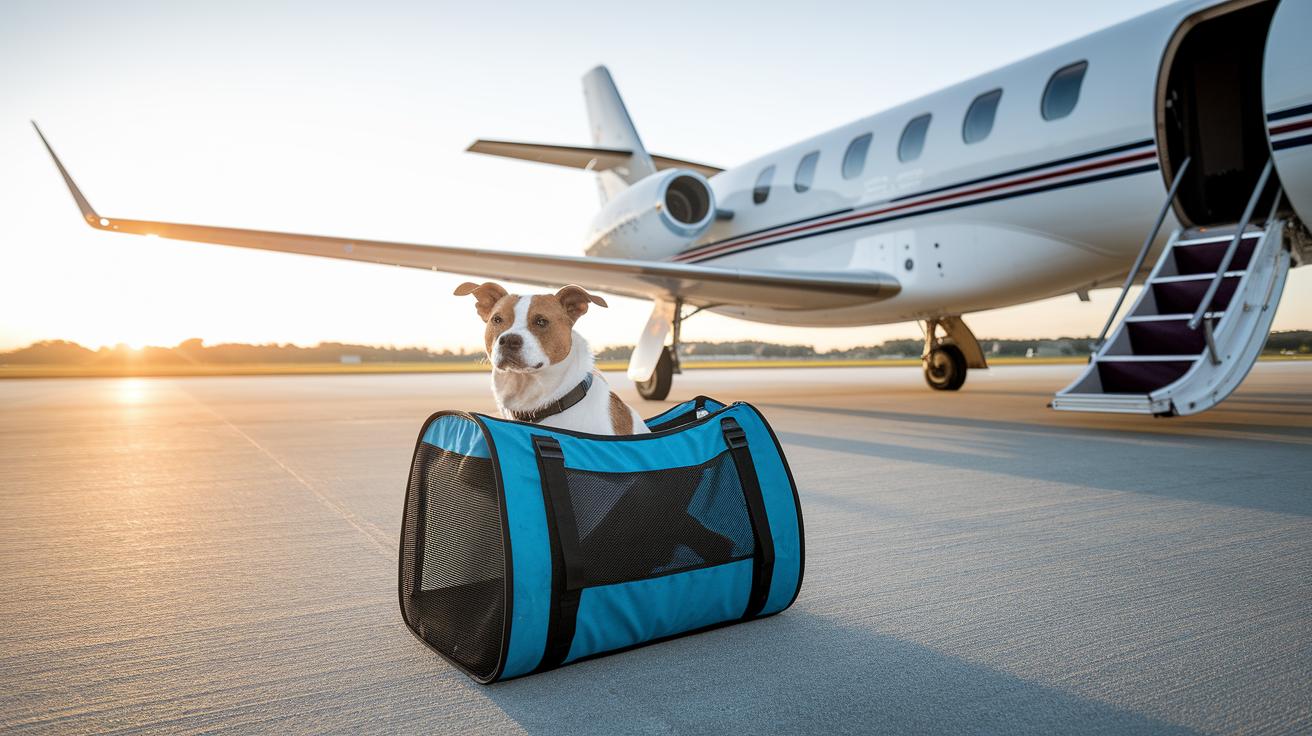
Sometimes your furry pal, weighing around 30 pounds with their carrier, is just a bit over the cabin limit of about 25 pounds. It can be a bit frustrating, right? But don’t worry, there are still plenty of ways to travel with your beloved companion.
One great option is to try semi-private flights like JSX, which operate in hubs such as Burbank, Dallas, and Miami. These flights have friendlier size rules and can usually accommodate your pet for roughly $300 to $400 each way. Imagine the relaxed vibe of a smaller flight, with plenty of room for your pup to feel comfortable and safe.
Another path to consider is using cargo transport services like Delta Pet First or United PetSafe. These services require your pet to travel in a hard-sided kennel that meets IATA crate standards (that is, a leak-proof plastic shell with proper ventilation on three sides). While the structure adds an extra layer of protection, you can expect costs to range from around $200 to $500 one-way.
Before you book any flight, remember to secure a USDA or airline-issued health certificate within 10 days of your travel, a little extra step to ensure everything goes smoothly.
| Option | Cost & Details |
|---|---|
| Semi-private flights | JSX in key cities; approx. $300–$400 per leg |
| Cargo services | Delta Pet First, United PetSafe; approx. $200–$500 one-way with IATA-compliant kennels |
These choices give you flexible travel options when cabin limits can’t be met. It’s all about keeping your pet’s safety and comfort in mind while still enjoying your adventures together. Have you ever had to plan around travel restrictions with your furry friend? It’s nice to know there’s always a way to make things work.
Final Words
In the action, we covered everything from picking the right design to measuring your furry friend accurately. We talked about soft-sided versus hard-sided carriers and even shared tips on easing your pet into travel mode. Every section helped you zero in on the perfect option, including details for an airline approved pet carrier for 30lb dog. Enjoy the ease and peace of mind that comes with smart travel choices, so you both can take off feeling safe, happy, and ready for new, fun experiences.
FAQ
What are some top airline-approved pet carriers for in-cabin travel for medium dogs?
The top options include soft-sided models like the Sherpa or Petsfit, and hard-sided choices like the Gunner G1. They are designed to meet under-seat dimensions while allowing your dog to stand, turn, and lie comfortably.
How can I fly with my 30lb dog?
Flying with a 30lb dog means using an approved carrier that lets your pet stand, turn, and lie down. Book your pet’s ticket and review each airline’s policies before your trip to keep travel smooth.
What size dog fits in an airline-approved carrier, and can a 25lb dog fit under an airplane seat?
An airline-approved carrier must allow a dog to stand, turn, and lie down. Many under-seat carriers are made for dogs around 25lb, though some designs also work for larger dogs when their dimensions are met.
How do I know if my pet carrier is TSA approved?
A TSA-approved pet carrier meets specific size and design guidelines. Look for proper labeling and check its dimensions against airline standards to confirm that it is ready for travel.