
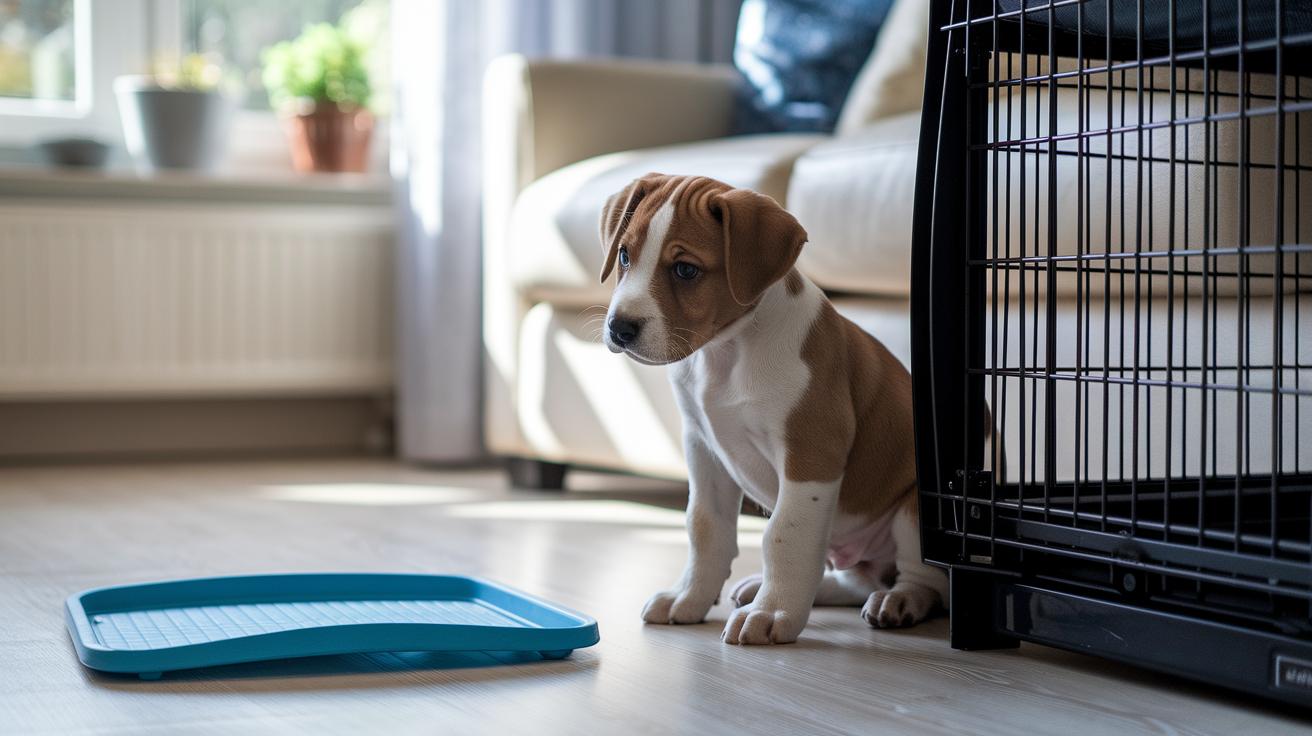
Have you ever thought about whether a small crate works better than a pad for house training your puppy? Many pet parents share this question over coffee and chats.
Crate training fits right into your pup’s natural desire for a neat and comfy space. Imagine a little den where your puppy feels safe, it often speeds up the training process.
On the other hand, pad training is easy and clean, but it might take your furry friend a little longer to learn the outdoor routine. It’s a bit of a trade-off between convenience and pace.
So, let’s break it down together. Think about your pup’s needs and your routine, and choose the method that feels like the best fit for both of you.
Crate training vs pad training for house training!
Crate training works with your puppy's natural urge for a snug little den. When you choose a crate that gives just enough space to stand, turn, and lie down, and add an adjustable divider for when your pup grows, it quickly learns that its cozy space should be kept clean. Many pet parents even toss in a washable dog pad or soft bedding so it feels extra comfy. Treats and toys make it all the more fun, helping your puppy see its crate as a safe, happy spot. Keeping a routine is really important; try not to crate your furry friend for more than three hours at a stretch. Feeding inside the crate and gently closing the door, like moving a bowl from near the door to deeper inside, helps your pup settle in and learn faster.
Pad training, on the other hand, depends on using indoor absorbent mats for potty time. Pads are super convenient and easy to clean, but sometimes they can make the training process take a bit longer. Your little one might get puzzled when it comes time to switch from the pad to going outside. Typically, you might see success when a puppy goes 4 to 8 weeks without accidents, but with pad training, that goal might be slower to reach.
In short, crate training usually shows quicker, more dependable results by tapping right into your puppy’s natural habits. While pad training is handy and simple at first, it might need a bit more time before your pup is comfortable eliminating outdoors.
Benefits of crate training for house training
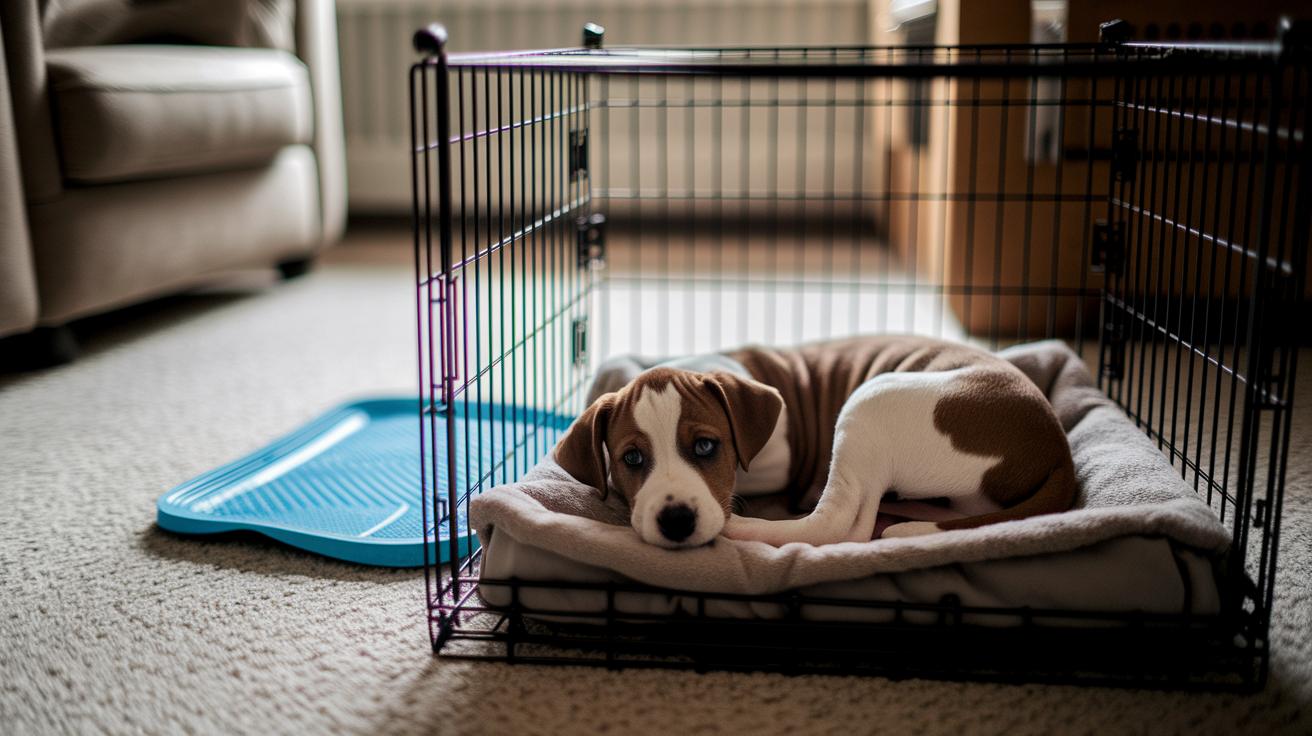
Crate training plays into your pup's natural urge to keep its own little space neat, while also setting up a reliable daily routine that helps avoid mishaps.
-
Den security and natural cleanliness
Imagine your puppy cozying up in its crate, feeling safe and naturally drawn to keep the space tidy, like a little den just for it. -
Routine building with reduced accidents
Picture planning set meal and potty times that give your pup a steady rhythm, helping it understand when it's time to chow down and when to take a break. -
Stress management and easy observation
Keep crate sessions under three hours to stay on top of any odd behavior and make sure your pet stays relaxed and happy. -
Portability and convenience
Think of a crate that’s easy to take along on trips and can adjust to changes at home, making day-to-day life simpler for both of you.
Indoor pad training for house training: key advantages
Indoor pad training is a smart, easy way for pet parents to handle potty breaks at home. Puppy pads, sometimes called potty pads or even newspapers, are very handy. They are leakproof, can be washed in a machine (which makes cleaning simple), and work well in both a crate and an open space. Imagine placing a pad in a quiet corner of your living room so your pup knows it is the special spot for doing its business.
The perks go beyond just convenience. By placing the pad in a low-traffic area every time, your pup soon learns that it is the key spot for going potty. This is really useful when the weather is not great or when time is short for outdoor trips. With the pad in place, your pet can stick to a steady schedule that fits your busy life.
Cleaning becomes much simpler, too. The absorbent material quickly traps messes and often comes with odor control features to keep the air smelling fresh. Just remember that the durability of each pad may differ by brand, so you might need to replace them more often to keep the area clean.
All in all, indoor pad training is a low-stress, effective way to build consistent potty habits for your furry friend.
Crate vs pad training: Fresh insights on choosing training methods
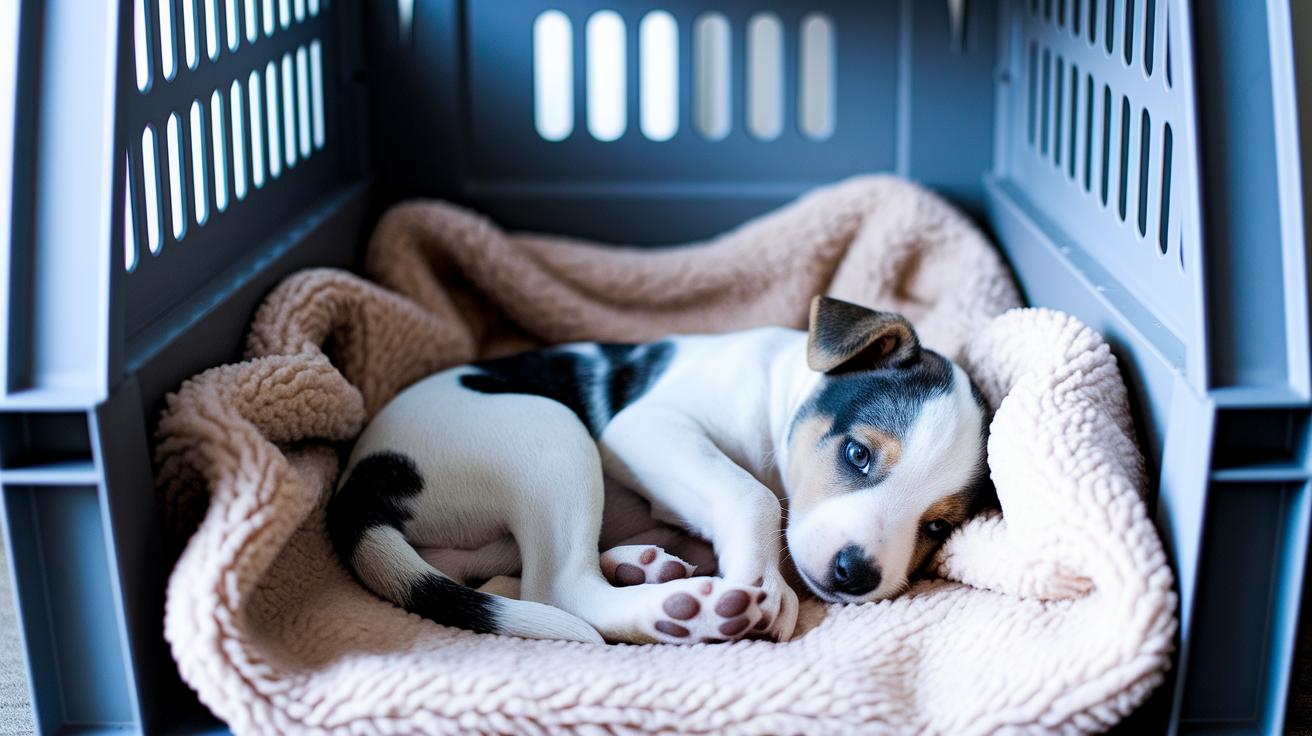
Picking the right training style for your pup really comes down to their unique personality and your everyday schedule rather than just costs. Many pet parents have noticed that one method can click better with a particular temperament. Trainer Sarah M. once said, "A timid pup might feel more secure in a cozy crate, while an energetic one could thrive with the freedom that pad training offers." Imagine a playful pup finding a quiet, safe spot in a crate during a busy evening, it makes all the difference.
Real-life stories back this up too. One pet parent mentioned how her spirited terrier did great with crate training during hectic workdays, while a neighbor's laid-back basset found true freedom with pad training at home. These little nuggets of insight can help you decide which approach fits your family best.
| Criteria | Crate Training | Pad Training |
|---|---|---|
| Lifestyle Fit | Ideal for structured daily routines | Better suited for a flexible indoor schedule |
| Temperament Support | Provides a snug, den-like space for sensitive pups | Allows extra room for active, outgoing dogs |
| Accident Control | Helps set clear boundaries to cut down accidents | Demands extra care to manage occasional mishaps indoors |
| Cost Consideration | One-time investment with hardly any extra fees | Needs ongoing spending on fresh pads |
| Supervision Needs | Calls for regular, consistent training with lots of praise | Requires less constant oversight but needs routine reinforcement |
Behavioral impacts of crate training and pad training
Crate training works by leaning into your puppy's natural wish to keep its space neat and tidy. It builds confidence by giving your pup a safe, cozy spot that rewards cleanliness. Imagine your puppy curling up in its little den after a treat. That happy moment not only lifts its spirits but also gently guides it to do its business outside. Recent studies suggest that a steady routine in a controlled space can ease anxiety and gradually boost good behavior.
Pad training, on the other hand, sets up a special indoor spot for doing its business. This can be handy if you can’t always go outside. But, it might also make your pup rely too much on the pad. For example, a puppy used to the comforts of an indoor pad might find it tricky to adjust to going outdoors. Recent observations show that this kind of reliance can cause a few bumps when moving to a full outdoor routine, which might temporarily spike stress.
Both methods need a routine, quick rewards like treats, and lots of patience. Think about offering a treat as your pup gets things right with either method. In the end, both approaches are about raising a happy, confident puppy, balancing short-term ease and long-term good habits.
Cost considerations: crate setups vs pad systems
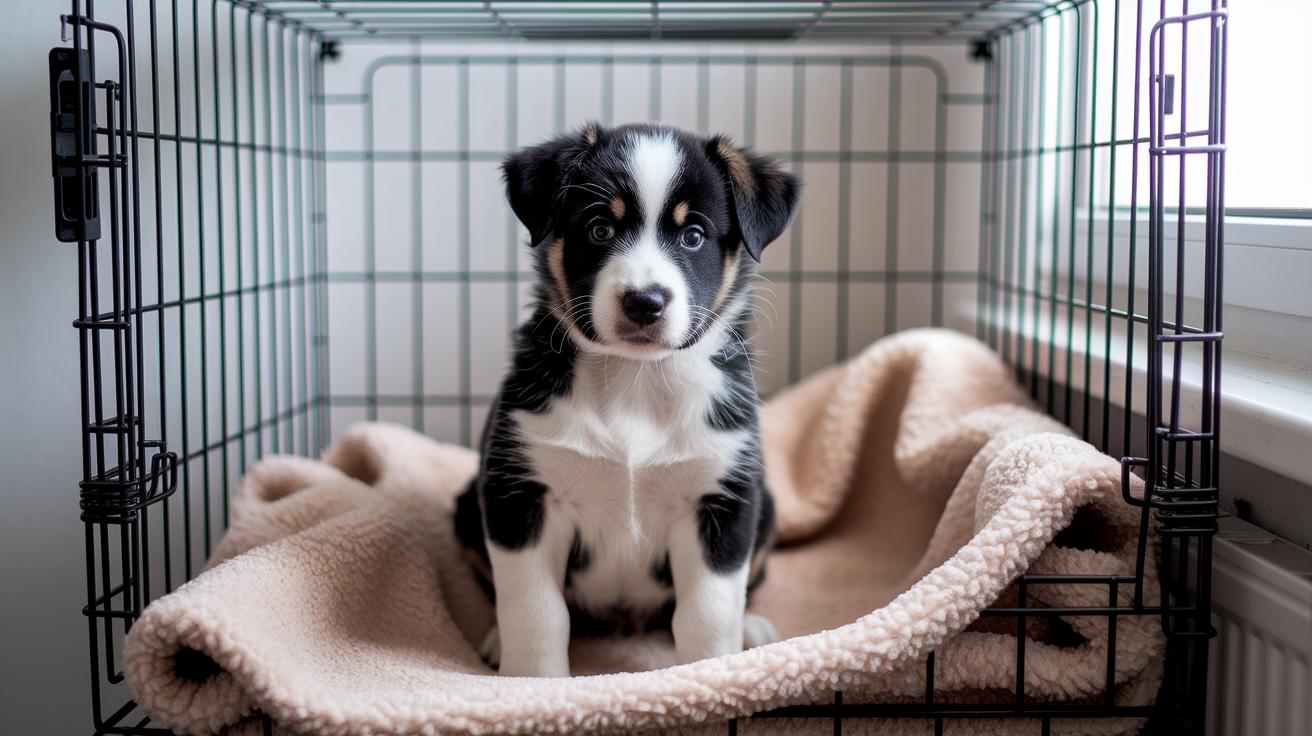
When you’re choosing between a crate setup and using pads, it’s really about balancing that one-time cost against ongoing expenses. Basic wire crates usually run you about $30 to $60. If you need a sturdier or travel-friendly option, you might end up paying around $200 or more. Plus, add in a crate divider or a washable mat for another $10 to $40. Although it might seem like a bigger spending upfront, it can really pay off in the long run as your pup settles into their own safe nook.
Now, think about those absorbent pads. Each pad might cost between $0.50 and $2, and a pack of 20 can set you back roughly $15 to $30. But remember, you’ll be replacing pads often and picking up extra cleaning supplies to keep things fresh and hygienic. These monthly costs can quickly add up, especially when you’re busy training an energetic puppy.
For many pet parents, investing in a solid crate setup just once often proves to be more budget-friendly over time compared to the constant expenses of pad training.
Large dog travel crate is a handy resource if you’re after a strong, travel-ready option.
Practical tips for successful crate and pad training
Mealtime is a great chance to show your puppy the crate as a snug, safe space. Start by feeding your pup in the crate with the bowl placed right by the entrance. Then, slowly slide the bowl further in to create a cozy feel, like inviting them into a little den, all while pairing it with a favorite treat, chew toy, or bone.
After each meal, quickly bring your puppy over to their chosen elimination spot, whether that's on a crate pad or a designated puppy pad. This quick move helps them learn that finishing a meal means it's time for a potty break. When they succeed, give them a tiny treat or lots of cheerful praise right away.
Stick to a regular schedule for feeding, crating, and potty breaks. A steady routine builds trust and keeps training fun. As your puppy grows and begins to master the process, adjust the crate or pad setup to match their needs. This step-by-step routine, sprinkled with warm rewards, lays the groundwork for confident, happy house training.
Choosing the best method: factors to consider for your pet
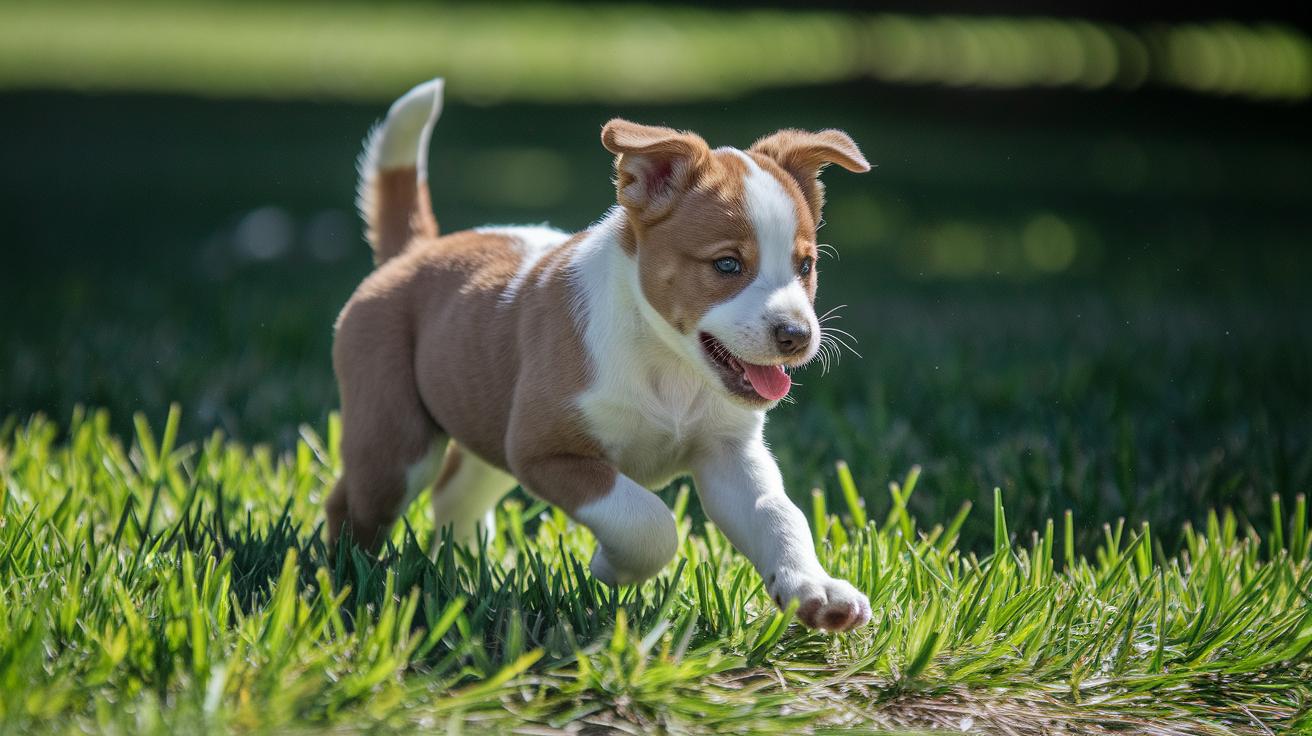
When deciding between crate training and pad training, think about what makes your furry friend special and how your daily life fits in. Every pup is unique. Maybe your little buddy is full of energy and benefits from regular outdoor breaks that come with a crate routine. But if you live in a snug apartment or outdoor time is hard to come by, pad training, or a mix of both, might be a better fit.
Before picking a method, consider these points:
-
Age, size, breed, and energy level
Picture a lively young pup that needs regular play and exercise; crate training can help create a steady routine. -
Living situation
Imagine living in an apartment where stepping out frequently is tricky. Pad training offers a handy indoor solution until outdoor habits can be built. -
Daily schedule and travel needs
Think about busy days when you’re often on the go. A crate provides a portable, safe space, but pads might need extra attention when you’re traveling. -
Long-term goals
Decide if you want to quickly shape outdoor habits or prefer easing into them with a gradual, mixed approach.
In the end, by weighing these factors, you can choose a method that grows with your pet and works for your lifestyle. Enjoy the journey of finding what makes your pup feel at home.
Final Words
In the action, crate training vs pad training for house training shows clear strengths and challenges. The guide explains how a snug crate taps into a pet’s natural den instinct, while indoor pads bring easy cleanup for those with limited outdoor space. Both methods need regular routines, positive praise, and a bit of patience. Each option comes with its own pace and cost, so keep real-life needs in mind. Enjoy the process and celebrate every small win along the way.