
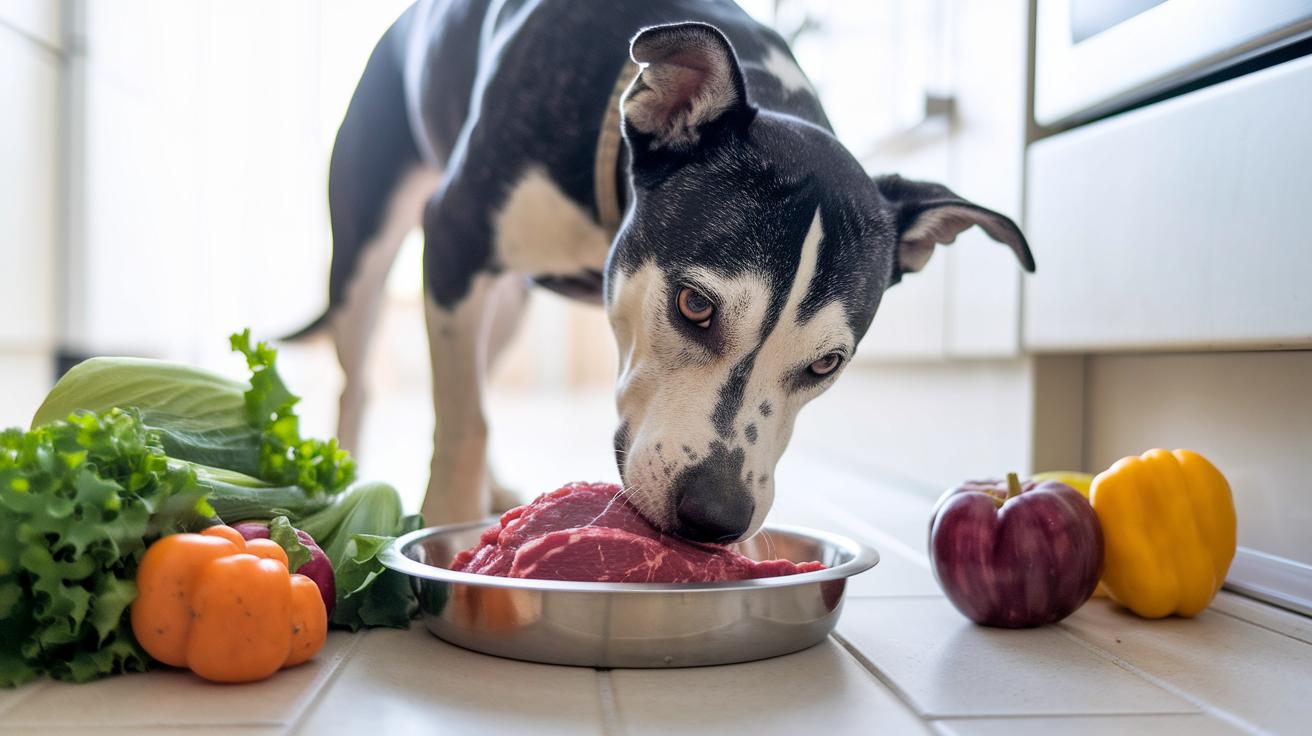
Have you ever wondered why many pet parents love feeding their pets raw food? Switching your pet’s meals to resemble what they’d eat in the wild can make them feel more energetic and happy. In this guide, we share easy, step-by-step tips to help you slowly mix in fresh, high-quality ingredients with your pet’s regular food. Get set to enjoy some warm, expert advice on turning raw feeding into a smooth, rewarding adventure for both you and your furry friend.
How to Safely Start Raw Feeding Your Pet
Start by gathering fresh, quality ingredients like raw meats, bones, fruits, and vegetables that mimic what pets would eat in the wild. Experts suggest going for an 80:10:10 mix, which means 80% protein, 10% fats, and 10% veggies – a simple formula that helps keep your pet naturally energized.
Begin slowly. Mix a small amount of raw food into your pet’s regular meals so they can get used to the new taste and texture. Over a week or so, gradually increase the raw portion. For example, if your pet normally eats processed food, start with 25% raw content and slowly move to 100% raw as they adjust. Have you ever watched your pet’s reaction to a yummy new treat? It’s a little celebration in every meal.
When it comes to dogs, keep portions in mind. Adult dogs typically eat about 2–3% of their ideal body weight each day, while puppies might need 2–3% of their expected adult weight or even around 5–10% of what they weigh right now. It helps to track how much you’re serving and watch for any changes in digestion or behavior.
Keep your prep area spotless and use separate tools for raw feeding. Consistency in the process, much like slowly welcoming a new friend into your home, can really make the transition smoother. Enjoy the process of introducing this natural diet to your beloved pet!
Balancing Nutrients in Your Pet’s Raw Feeding Plan
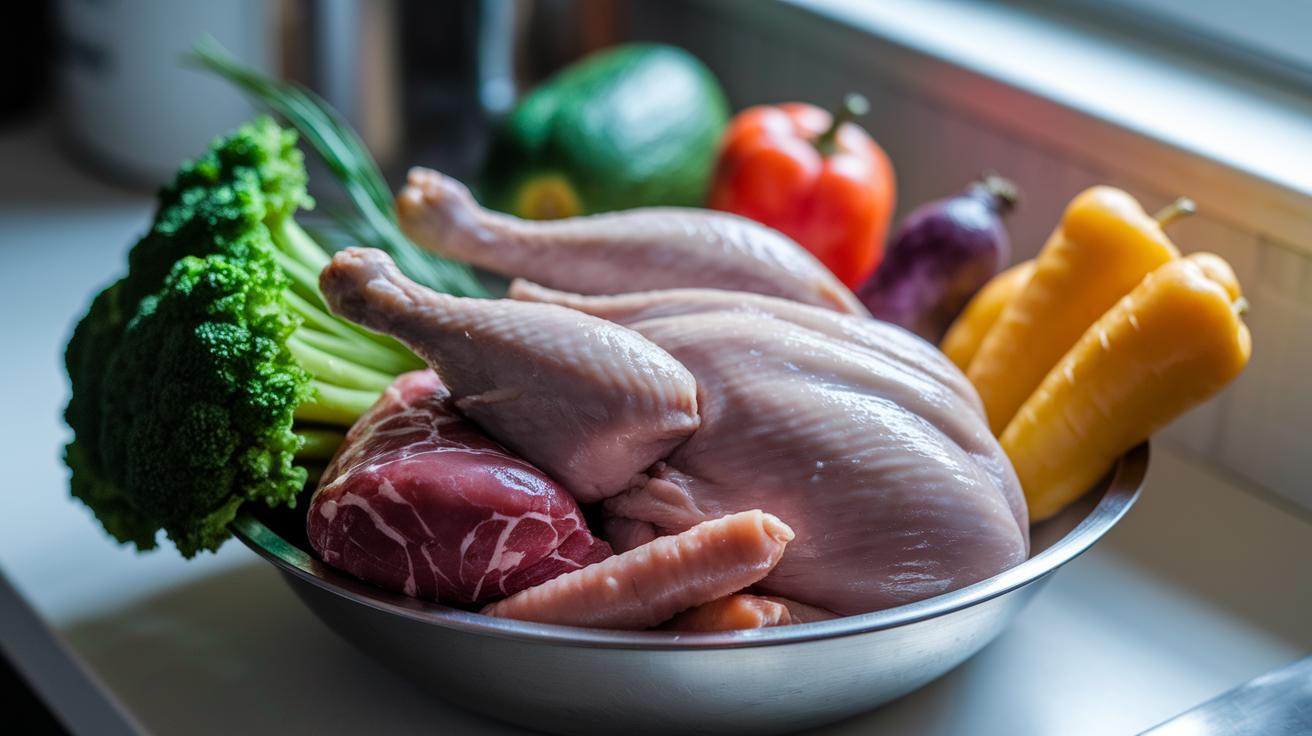
A good raw diet starts with balanced nutrients. When planning your pet’s meals, aim for about 80% protein, 10% natural fats, and 10% fruits and vegetables. Lean, quality meats fuel your pet’s energy and help build strong muscles, while a dash of healthy fats, kept between 10% and 20%, keeps their coat shiny and skin smooth without adding extra calories.
Bones play a key role too. Try to include 12% to 15% of meaty bones in the total diet. Meaty bones, like chicken necks or wings, bring in calcium and phosphorus (minerals that strengthen bones and support overall health) naturally. It’s a bit like adding the perfect pinch of seasoning that takes a dish from good to great.
Even though raw diets offer plenty of natural benefits, they can sometimes miss out on a few essential nutrients. Often, six key nutrients might be lacking. To cover these gaps, mix in ingredients like organ meats and fresh vegetables. This way, your pet enjoys a nutrient-rich meal that keeps their body in balance and thriving.
Ingredient Selection and Nutrient Balance for Raw Feeding Your Pet
Start by using the very best ingredients to create a balanced raw meal for your pet. Keep organ meats at about 5% to 20% of the mix. For example, using 10% liver supplies vitamins B and C, plus copper and folate, while adding heart meat gives your furry friend taurine (a key nutrient that boosts overall health).
Meaty bones should form roughly 12% to 15% of the recipe. They bring in natural calcium and minerals, which help build strong bones and keep teeth clean, a crunchy little helper that works its magic inside.
Mix in lean proteins, like chicken, to lay down a nutrient-rich base. Chicken offers vitamins such as B3 and B12, along with important minerals like selenium, zinc, magnesium, and phosphorus, plus biotin. This protein powerhouse supports your pet’s overall wellbeing.
Don't forget to add some plant-based goodies like vegetables. They introduce fiber, polyphenols, and antioxidants, much like topping off your meal with a vibrant, fresh salad.
| Ingredient | Percentage/Usage | Nutrient Benefits |
|---|---|---|
| Organ Meats | 5%–20% (liver ~10%) | Vitamins B & C, copper, folate, taurine |
| Meaty Bones | 12%–15% | Calcium, natural minerals, dental support |
| Lean Proteins (e.g. chicken) | Part of the protein mix | Vitamins B3, B12, selenium, zinc, magnesium, phosphorus, biotin |
| Plant Ingredients | Added for variety | Fiber, polyphenols, antioxidants |
Mix these ingredients with care to craft meals that are rich in essential nutrients and tailor-made for your pet's unique needs. Enjoy the process and trust your instincts, each meal is a little act of love for your furry friend.
Ensuring Food Safety in Raw Feeding Your Pet
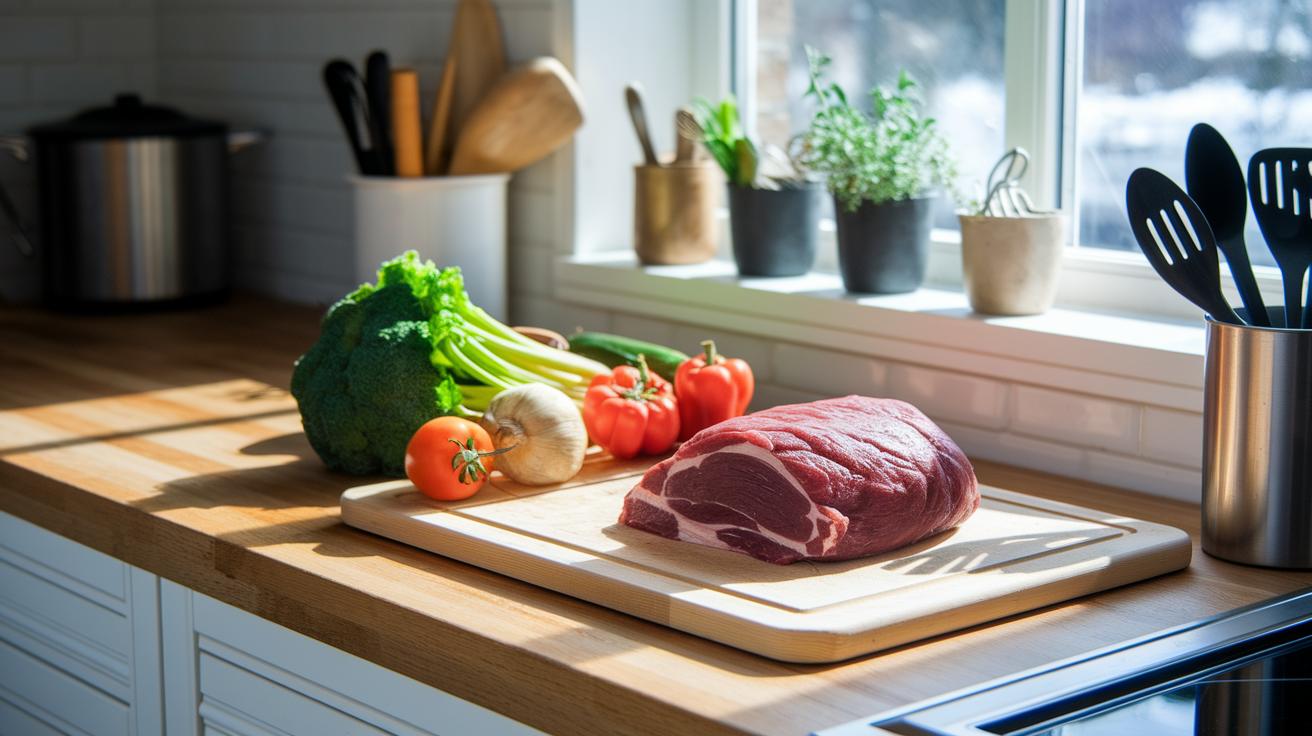
When you're preparing raw meals for your pet, a clean space is key. Experts say a tidy prep area makes all the difference. Wipe down your surfaces, towels and tools before you start and right after you finish. For example, rinse your cutting board, knives and bowls straight away so pesky germs don’t stick around.
Using separate utensils for raw meat is a smart move. Keep one set just for handling raw proteins and another for fruits and veggies. This simple trick really cuts down on the chance of mixing up harmful bacteria.
Proper storage is just as important. Store your raw food in the freezer or in a fridge set to 40°F or lower. When you’re ready to serve, thaw it slowly in the refrigerator. Imagine opening your fridge and getting that cool, refreshing feel, your pet will love that safe treat every time.
It also helps to check each ingredient carefully. Avoid risky items like raw pork or extra-fatty cuts that might cause health issues. Instead, always make sure every component is top quality before it goes into your pet’s bowl.
These easy steps, whether it’s a quick clean-up or using separate tools, go a long way in protecting your furry friend from foodborne bugs. It’s all about taking small, mindful actions to keep them happy and healthy.
Expert Veterinary Insights on Raw Feeding Your Pet
Many vets believe that a balanced raw diet can truly help your pet thrive. They explain that a carefully planned raw meal gives your furry friend steady minerals, which support overall health. For example, a daily serving of calcium and phosphorus from meaty bones works like a natural boost, imagine tiny building blocks creating strong, healthy bones.
Experts also point out that little nutrients like vitamin D (important for healthy bones) and manganese (which helps many body functions) are must-haves. Without these micronutrients, pets might run into unexpected health bumps later on.
If your pet has allergies or special health needs, chatting with your vet is a great idea. Together, you can create a raw feeding plan that fits your pet perfectly. Adding some extra digestive aids, like specially made enzymes, with a well-balanced raw diet can even help your pet absorb nutrients better. Trusting in your veterinarian’s advice means your pet’s switch to a natural diet can be as smooth and healthy as possible.
Customizing Raw Feeding for Dogs vs Cats
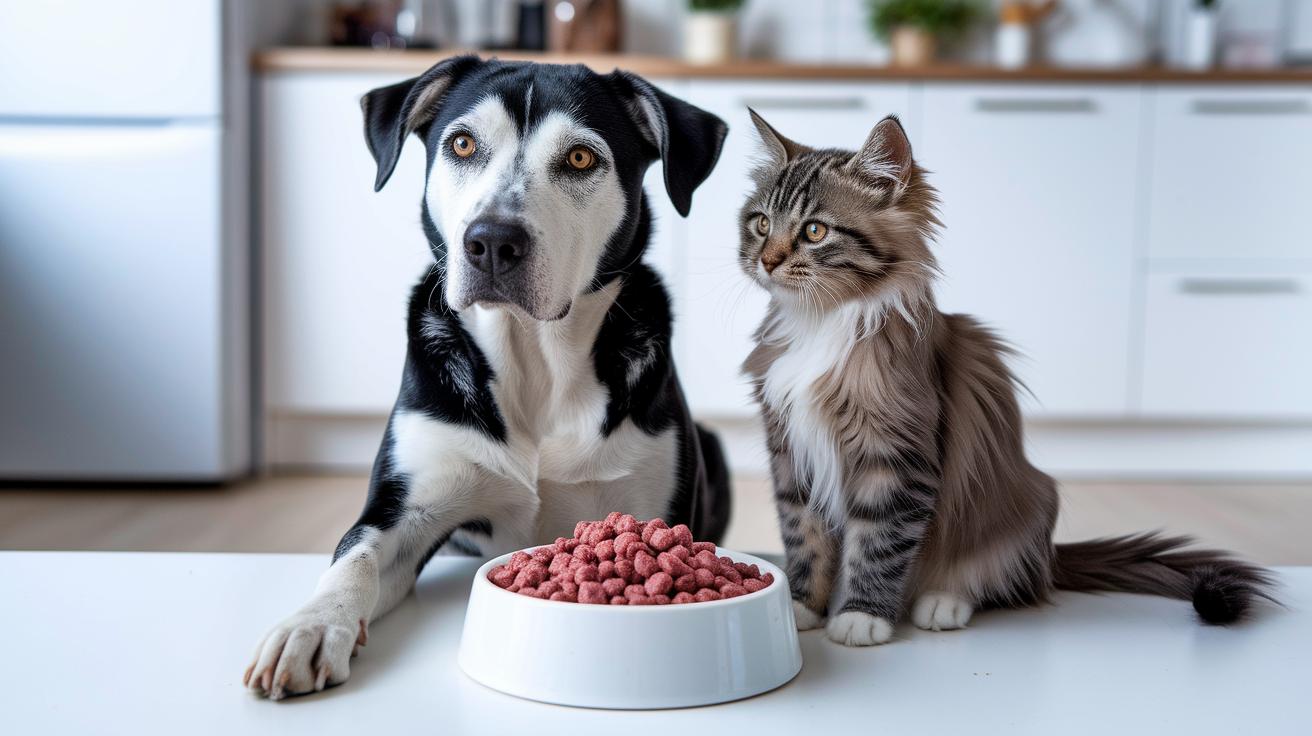
When planning a raw diet, remember that dogs and cats have distinct nutritional needs. Dogs generally do best when they eat about 2–3% of their ideal body weight every day. For puppies, their growing bodies might need a little extra, about 2–3% of their future adult weight or even up to 5–10% of what they weigh right now. This helps them get plenty of protein to build strong muscles, and about 10–20% fat supports a shiny coat and healthy skin. Plus, a pinch of 12–15% meaty bones adds vital minerals (think of it as adding a crunchy treat to their meal).
Cats have a different story. They need more high-quality protein, especially from ingredients rich in taurine (an essential amino acid for cats). Their bodies can’t make vitamin A or arachidonic acid on their own, so they have to get those from their food. Also, keeping a balanced omega-6 to omega-3 fat ratio is key to reducing inflammation and supporting healthy skin. In short, their meals should focus on top-quality proteins and all the vitamins that keep them active and joyful.
| Pet Type | Daily Feed % | Key Nutrient Needs |
|---|---|---|
| Adult Dog | 2–3% BW | Balanced protein; 10–20% fat; 12–15% bone |
| Puppy | 2–3% of adult weight, or 5–10% current | Extra calories; gradual nutrient boost |
| Adult Cat | 3–4% BW | High-quality protein; plenty of taurine; preformed vitamin A |
| Kitten | 4–5% BW | Rich in fat, DHA (a fatty acid for brain health), and calcium |
Tailoring each meal with these needs in mind will help your pet stay happy, healthy, and full of pep. Have you ever noticed how a good meal can make your furry friend’s tail wag a little faster? Enjoy these moments, they're all part of the rewarding journey of raw feeding.
Overcoming Challenges in Raw Feeding Your Pet
Starting a raw feeding plan can feel a bit bumpy at first. Sometimes your pet might miss a few key nutrients if their meals aren't varied enough. Have you ever noticed your pet seeming a little low on energy? That might be a hint that some vitamins need a boost.
Many folks assume raw diets are automatically safer. But the truth is, even raw meals need a thoughtful mix. Skipping extra supplements or switching proteins too quickly can leave those essential nutrients out. Rotating different protein sources helps cover all bases and even lowers the chance of allergies from too much of one meat.
Cost can be a pinch, too. Sure, premium meat might seem expensive at first. Yet, by exploring budget-friendly options and mixing up the proteins, you can keep your pet’s meals balanced without stretching your wallet too thin.
If your pet struggles with protein allergies, take it slow. Gradually introducing new proteins can make a big difference. Keep an eye on little clues, like a shiny coat or smooth digestion, to know when you’re on the right track.
- Rotate proteins to fill in nutrient gaps
- Add extra vitamins and minerals when needed
- Look for affordable meat options
These friendly steps can ease the shift to raw, whole foods while keeping meals flavorful, balanced, and kind to your budget.
Advanced Strategies for Raw Feeding Your Pet
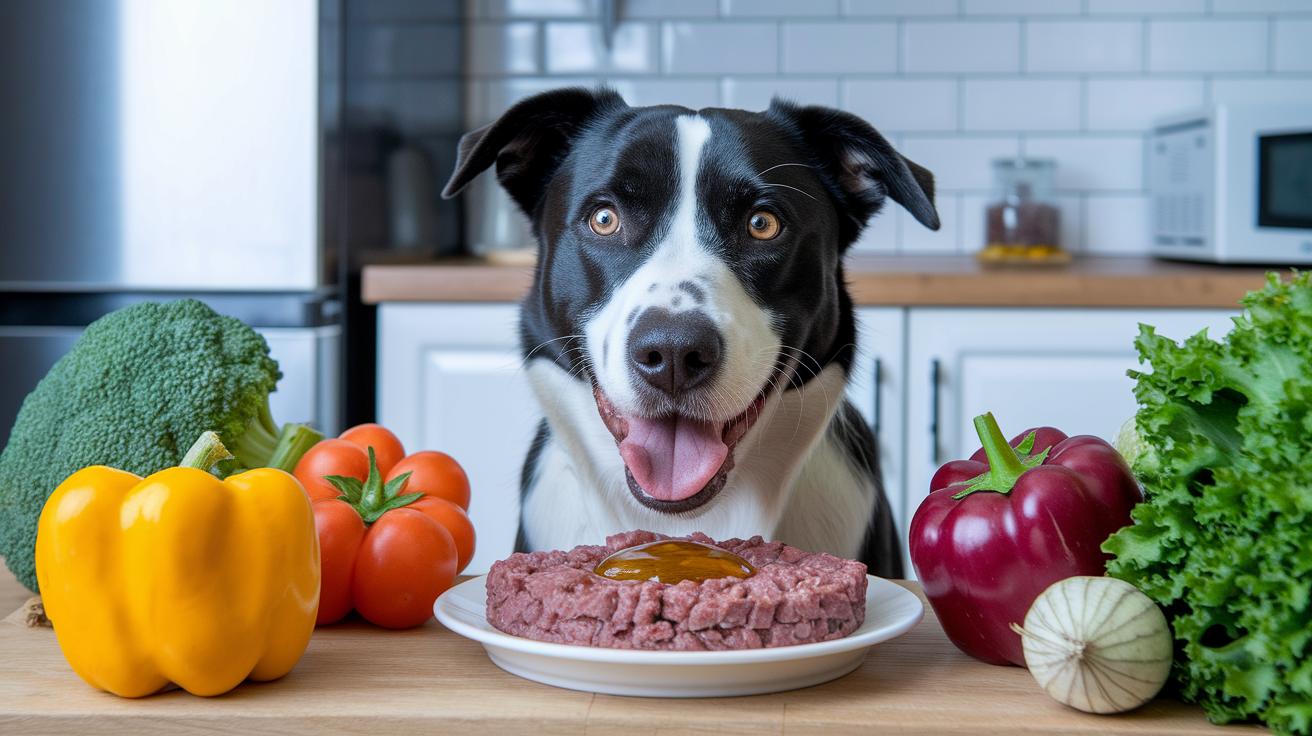
Boost your pet’s natural diet by adding smart supplements that work perfectly with their raw meals. For example, digestive enzymes help your pet soak up nutrients better, like little helpers breaking down food to create extra energy, similar to a chef getting ingredients ready for a tasty dish.
Try adding fish oils next. These oils are loaded with EPA and DHA (important fats that help with inflammation) so your pet’s coat stays silky and shiny. It’s like sprinkling a secret spice that not only adds flavor but also nourishes from within.
Another neat trick is to toss in some raw meaty bones into their meals. These bones act like natural dental tools. When your pet chews on them, it cleans their teeth and massages their gums, sort of like an automatic toothbrush with no extra effort needed.
Don't forget to balance vitamin D and calcium levels, too. Think of vitamin D as a warm beam of sunlight energizing your pet’s bones while calcium builds a strong frame. Over time, mixing these elements into your raw feeding routine can fine-tune their diet for long-term health.
Take it slow and try one change at a time. It’s a fun experiment that helps your furry friend enjoy meals that are both natural and thoughtfully boosted for their best wellbeing.
Final Words
In the action, our guide covered safe transitions to raw diets, nutrient balancing, key ingredients, and food safety protocols. We explored how to care for dogs and cats with clear portion guidelines and real-life tips to overcome common challenges.
We wrapped up with advanced strategies and expert veterinary insights. Enjoy these expert tips on raw feeding your pet and remember: a balanced raw meal plan can bring lasting health and a smile to your furry friend’s day.
FAQ
Expert tips on raw feeding your pet for dogs
Expert tips on raw feeding your pet for dogs guide a balanced transition using nutrient ratios (80:10:10 means protein:fat:carbs) and safe handling practices to support optimal health during dietary changes.
Why I stopped feeding raw
The decision to stop feeding raw often arises from challenges with balancing nutrients and ensuring safe preparation. Many pet owners share that inconsistencies in meal quality led them to change diets.
Raw food diet for dogs recipes
Raw food diet for dogs recipes rely on nutrient-rich ingredients and an 80:10:10 balance, combining lean meats, organ meats, meaty bones, fruits, and vegetables to create well-balanced, wholesome meals.
Dog raw food diet scientific research
Dog raw food diet scientific research indicates that balanced raw meals can boost digestion and energy. Studies highlight the importance of proper nutrient ratios and ingredient variety to meet dogs’ nutritional needs.
Raw dog food for beginners
Raw dog food for beginners advice stresses a gradual 7–10-day transition. Beginners should mix raw and current meals, monitor portions, and prioritize balanced nutrition for a smooth switch.
Raw diet killed my dog
“Raw diet killed my dog” reflects outcomes linked to improper preparation or nutrient imbalances. Such cases underscore the need for safe handling, professional guidance, and regular health monitoring during a raw diet transition.
80/10/10 raw dog food recipes
80/10/10 raw dog food recipes emphasize a mix of 80% lean protein, 10% fat, and 10% vegetables or fruits. This formula is designed to provide balanced nutrients while keeping fat levels in check.
Risks of feeding raw food to dogs
Risks of feeding raw food to dogs include bacterial contamination, nutritional imbalances, and foodborne illnesses. Following strict hygiene, proper storage, and balanced recipes helps decrease these risks and protect pet health.
What is the 80-10-10 rule for raw dog food?
The 80-10-10 rule for raw dog food means using 80% lean meat, 10% fat, and 10% vegetables or fruits. This guideline aims to balance essential nutrients, though adjustments may be needed for individual dogs.
Why do vets say not to feed raw?
Vets caution against raw feeding due to risks like bacterial contamination and imbalanced nutrients. Their advice stresses careful planning, rigorous hygiene, and ongoing health checks to help reduce potential hazards.
What is the 80/20 rule for dog food?
The 80/20 rule for dog food typically suggests an 80% lean meat to 20% bone ratio, ensuring sufficient calcium and minerals. Adjustments based on your dog’s age, size, and needs may be necessary.
What is the advice on raw feeding dogs?
Advice on raw feeding dogs recommends a gradual transition, precise portion control, and strict hygiene practices. Following expert tips and veterinary guidance helps ensure balanced nutrient intake and overall pet vitality.