
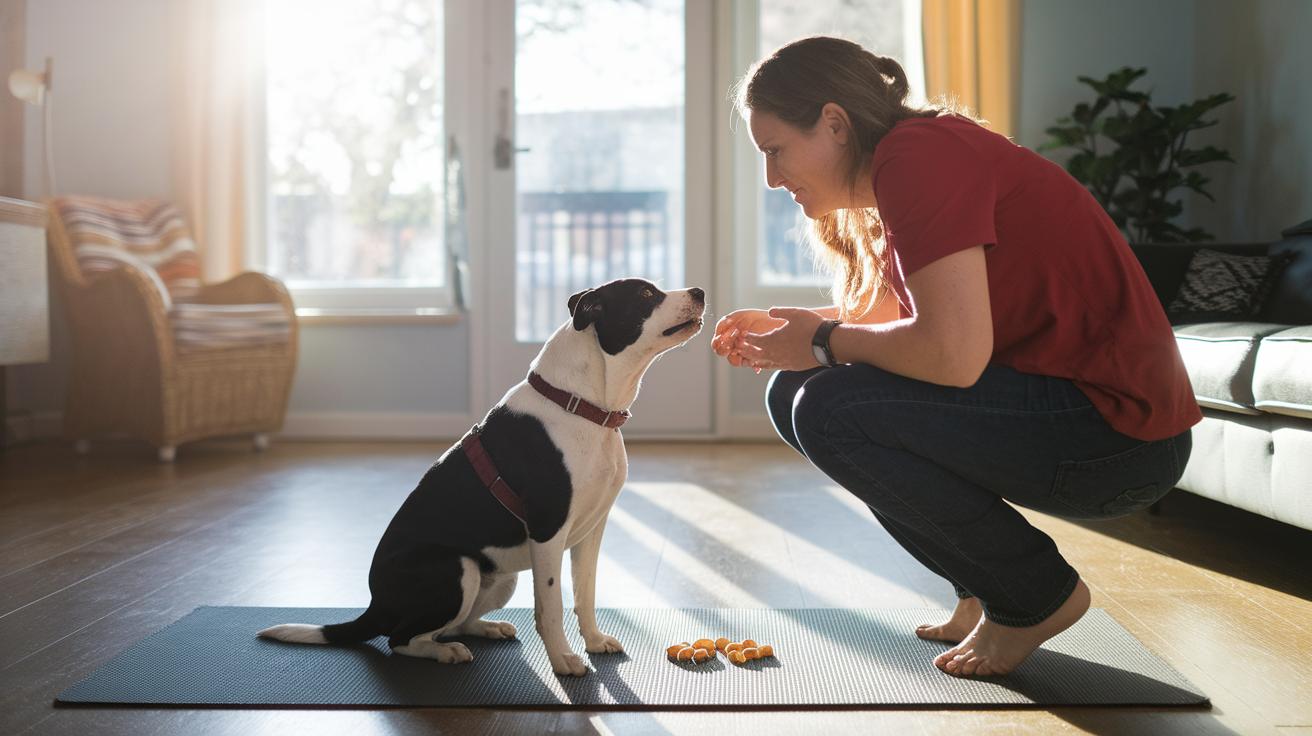
Ever wonder how a simple treat can spark your pet’s excitement? Picture a moment filled with gentle words, a few tasty treats, and a little cheer that makes your furry friend’s tail wag with joy.
In this post, I’m sharing five easy tips to create a cozy space where every little reward builds trust (that warm feeling when your pet knows they’re safe) and encourages learning. When your pet feels secure because of a steady routine, they naturally blossom into a more joyful and eager companion.
So, why not try a new approach? A slight change in how you train can turn each session into a fun and heartwarming adventure for both you and your pet.
Overview of a Positive Training Environment for Pets
Building a cheerful space for pet training is all about rewards and safety. Instead of scolding when things go wrong, give your pet a treat, a kind word, or some playful time whenever they do something right. This approach helps build trust and makes your furry friend feel loved. And when everyone at home uses the same reward tricks, your pet won’t get confused.
A steady daily routine also works wonders. Pets feel secure when their day has a familiar flow, regular mealtimes, walks, and fun play sessions with different toys and tasty treats. Think about how a puzzle toy not only slows down quick eaters but also wakes up their natural hunting feelings, all while keeping them active and sharp. Adding little changes keeps the day exciting without losing that comforting routine.
Sticking with rewards shows your pet the best way to behave. When you give treats, praise, or extra play after good behavior, it clearly points them in the right direction (kind of like a gentle pat on the head). This method boosts your pet’s confidence and creates a setting where they feel safe and valued. Every training session turns into a chance for fun and learning, paving the way for a lifelong, loving bond between you and your pet.
Optimizing Your Pet Training Environment’s Physical Setup

Start by making your training area feel like a cozy, safe retreat. Use strong fences, non-slip flooring, and remove any items that might hurt your pet. It helps to have a simple backup plan so everyone knows what to do if something unexpected happens. Picture your little pup happily exploring a yard that’s been carefully checked for safety, kind of like a fun, secure park.
Next, focus on comfort. Set up a room that is well-ventilated, brightly lit, and kept at a steady, cozy temperature. A space like this helps your pet relax during training sessions. Think of a room with open windows that let in a refreshing breeze, where every corner feels inviting and easy to enjoy. That calm atmosphere makes learning smooth and stress-free.
As your pet learns new tricks, begin in a quiet, distraction-free zone. This helps them pay attention to your commands without any interruptions. Then, slowly add gentle distractions, perhaps some soft background sounds or a small visual cue, to get them ready for busier environments. This gradual change makes training sessions more natural and engaging.
Lastly, be sure your space works for everyone. Add ramps and design sensory-friendly spots that cater to various needs. Keeping the area clean with regular washing and proper waste disposal makes a big difference too. For a touch of nature, try adding a few indoor plants or even a small grassy patch. If you’re looking for more ideas, check out some DIY projects for pet-friendly areas at https://ribbon.co?p=5450. This personalized setup will make both you and your pet feel right at home during training.
Implementing Reward Structures in Your Pet Training Environment
Reward-based learning is all about encouraging your pet with simple treats and toys while keeping things fun. Rotate different toys and treats so your furry friend stays excited during each training session. Puzzle toys, for example, mix feeding with a bit of brain exercise. When you add treat dispensers or clickers (small tools that mark a behavior), they let your pet know they’re doing great. This turns training into a heartwarming conversation between you and your pet.
| Reward Type | Best Use |
|---|---|
| Treats | Immediate behavior boost |
| Praise | Cheerful, verbal support |
| Toys | Fun playtime rewards |
| Clicker | Clear behavior signal |
Investing in good training tools also makes a big difference. Quality agility obstacles, training dummies, and treat pouches help keep training consistent and engaging. By planning out a reward schedule and using these tools thoughtfully, you create an environment that motivates your pet to learn new tricks. Every small reward, from a tasty treat to a kind word, builds a special bond, making training a delightful experience for both of you.
Designing Stress-Free Routines within Your Pet Training Environment

Start by setting aside clear blocks of time that mix indoor energy with outdoor calm. Picture your pet enjoying a lively session of play, tossing a ball or chasing a light, followed by a gentle walk where every rustle and chirp feels new and exciting. A typical morning might kick off with a short burst of fun indoors and then transition to a refreshing stroll in a quiet, leafy spot.
Try out different play ideas to make things fun and clear for your pet. One pet we know felt much more relaxed when their owner reviewed a few simple cues before moving into a game of fetch in an open space. This mix of quick reviews and playful chasing helps your furry friend feel both mentally engaged and totally at ease.
It also works well to connect an indoor challenge with an outdoor adventure. Imagine your pet solving a treat-filled puzzle toy in the living room, then getting out for a brisk walk that sparks natural curiosity and nimble moves. Switching between focused puzzles and relaxed exploring can keep your pet happily balanced throughout the day.
Finally, use familiar signs to mark the start of each activity. A gentle clap or a favorite phrase before playtime tells your pet that it’s time to move from one fun activity to the next. With consistent signals, your pet learns to expect that smooth, caring change between play and calm moments.
Case Studies: Success in Positive Training Environments for Pets
One real-life example shows a playful puppy picking up basic commands like sit and stay in only two weeks. The training happened in a secure backyard free from distractions. Using a clicker (a small tool that makes a clear sound to signal good behavior) and a revolving selection of tasty treats helped guide the puppy step by step. In that peaceful space, the pup could focus completely on learning, and every well-timed reward deepened the trust between pet and owner. It really shows that a calm, safe area with steady positive signals can spark quick progress and build a lasting bond.
Another story features a cat that had trouble with anxiety and started to improve in just ten days. The cat enjoyed puzzle feeders that mixed meal time with fun and mental challenges, and daily play sessions in a cozy, quiet corner helped it relax more. Eco-friendly, non-toxic toys and soft bedding also played a big part in creating a secure environment. Both examples remind us that when you use clear, reward-based methods in a caring setting, pets can overcome their challenges and truly thrive.
Final Words
In the action, this article highlighted key ways to make pet care fun and safe. We explored setting up secure training spaces, using rewards like treats and praise, and keeping routines consistent. These insights help reduce stress and boost pet confidence. If you’re ever wondering how to create a positive training environment for pets, remember that small, everyday steps work wonders. Enjoy the simple moments of progress with your pet, they truly make each day brighter.
FAQ
What are some positive reinforcement dog training examples?
Positive reinforcement dog training examples include using treats, praise, or play as rewards when your pet follows a command, reinforcing desired actions with kindness and building a strong bond.
How does positive reinforcement differ from correction in dog training?
Positive reinforcement rewards your pet for good behavior instead of punishing mistakes, while correction focuses on discouraging unwanted actions without supporting a trusting relationship.
How do I find positive reinforcement dog training near me?
To find nearby training, check local pet training centers and online directories that highlight reward-based methods, then visit their websites for class schedules and reviews.
How does negative reinforcement work in dog training?
Negative reinforcement involves taking away an unwanted stimulus when your dog performs the correct behavior, though many experts suggest positive methods for a kinder, trust-building experience.
Where can I find positive reinforcement dog training PDFs?
You can access PDF guides on reward-based dog training through trusted pet care websites and online libraries that offer downloadable resources with clear, practical methods.
How can I learn about positive reinforcement dog training on YouTube?
YouTube offers plenty of videos by expert trainers demonstrating reward-based techniques, making it easy to watch real-life examples and understand step-by-step methods.
What are the 5 D’s of dog training?
The 5 D’s of dog training aren’t universally defined; some experts focus on aspects like duration, distraction, distance, and clarity in commands to create structured, effective sessions.
What are the 3 P’s of dog training?
The 3 P’s of dog training typically mean Praise, Patience, and Persistence, which help create a nurturing and consistent learning environment for your pet’s growth.
What is the positive training method for dogs?
The positive training method rewards your dog with treats, praise, or play when they perform correctly, encouraging learning through kindness and reinforcing a trusting bond.
What is the 1/2/3 dog training method?
The 1/2/3 dog training method uses a simple three-step approach—cue, reward, and pause—to clearly mark and reinforce desired behavior, ensuring consistency and clarity in training.