

Have you noticed your pet pausing when something new pops up? It’s completely normal. You don’t have to force big changes overnight. With gentle words, yummy treats (those little bites they love), and joyful play sessions, you can help your furry friend feel safe and secure.
Imagine a simple plan that celebrates every tiny victory. A calm, everyday routine paired with patient encouragement can slowly turn fear into a warm sense of joy. It’s like watching a shy buddy bloom into a playful, confident companion. Isn't it heartwarming to think about?
Step-by-Step Plan to Train Shy Pets with Positive Methods
When your pet feels shy due to loud sounds, new places, or different textures underfoot, having a caring, clear plan can help them feel safe. This plan uses kind words, yummy treats, and playtime to build trust one small step at a time. Each little win adds up, paving the way for more confidence.
A steady routine, like regular meals, walks, and playful moments, helps your pet know what to expect. In truth, a slow and steady approach stops your furry friend from feeling overwhelmed. When you gently introduce new things, you let them explore without fear while building on rewards that shine a light on their brave moments.
- Create a safe spot by arranging a comfy area with their favorite toy or a piece of your clothing.
- Start with something soft and non-intimidating; for example, let your pet be close to a switched-off vacuum.
- Slowly bring in very mild new things, keeping each session short and calm.
- Immediately cheer for any calm behavior with treats, kind words, or a fun play session.
- Keep a regular schedule for meals, walks, and play to give your pet a sense of security.
- Make sure the treats or praise come right when your pet is calm. It helps them connect the dots between their peaceful behavior and positive rewards.
Patience and gentle love go a long way when building trust. Watch for little signs like a soft tail wag or slower breaths to guide your pace. Keep sessions short and simple, and always celebrate every tiny step forward. With this friendly, step-by-step plan, even the most timid pets can grow into joyful, confident companions.
Understanding Shy Pet Behavior and Assessing Anxiety Triggers
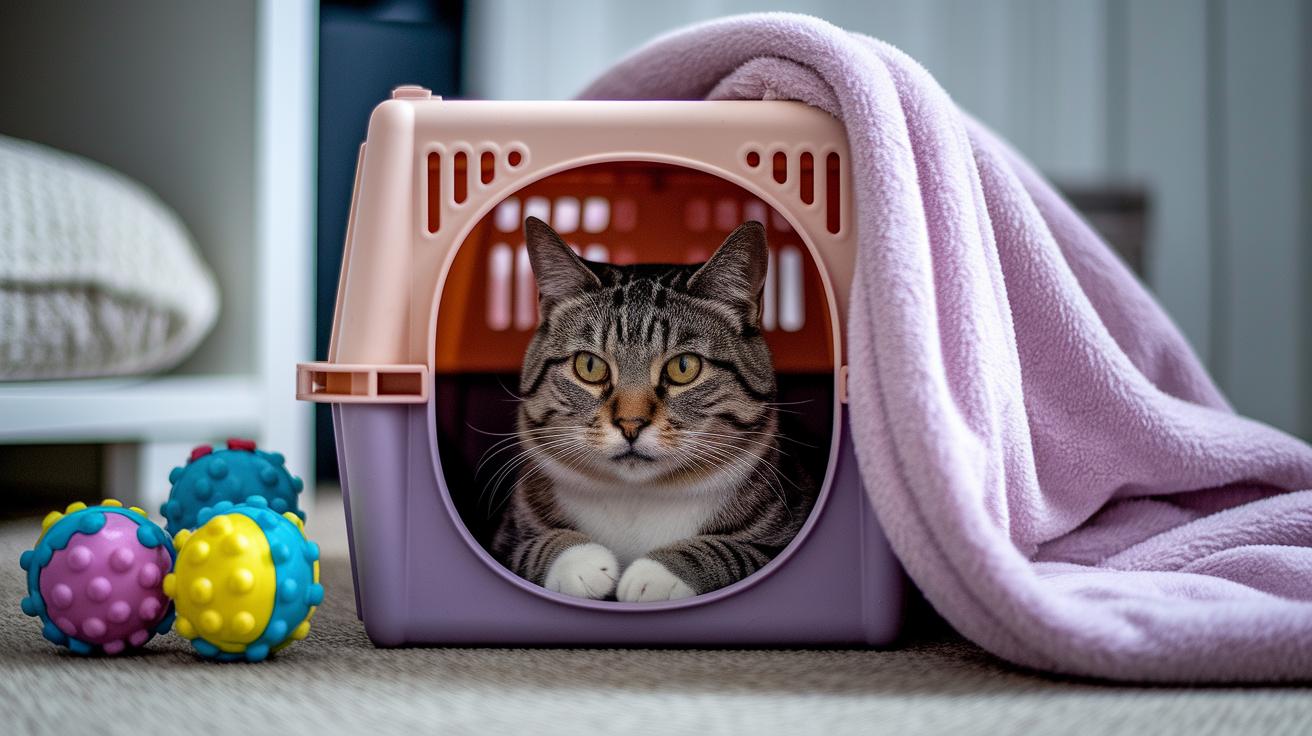
Watch your pet when they seem shy. Taking a moment to notice what sets them off can really help. Jot down little details that show when they get stressed, and you might pick up a pattern. It lets you know the moments when you can ease your pet into new places or situations.
Your own calm vibes make a big difference. When you stay relaxed, your pet feels safe and mirrors that ease. Spotting these clues not only helps you figure out what might be scaring them but also helps you plan a slower, safer way to introduce new things. It’s all about taking small, confident steps together.
Common Anxiety Triggers
Pets can get disturbed by loud sounds, odd objects, new surfaces beneath their paws, or even other animals. For example, a sudden door slam might send your pet ducking for cover. Even a tiny change in their usual space can shift their mood.
Recognizing Body Language
Keep an eye out for signs like a tucked tail, shaking, or heavy panting. If your pet starts pacing or shrinks away when meeting new people, it’s a clear sign they’re not comfortable. These little signals tell you when it might be time to slow down and try a gentler approach.
Creating a Calm Environment for Training Shy Pets
A calm training zone creates a safe space where your pet feels secure. Shy pets benefit from a little hideaway, a spot where they can escape noisy disruptions and unfamiliar activity. Think of a quiet room, a snug crate, or even a corner stocked with favorite toys, a beloved blanket, or something that smells like you. Using gentle, comfort-focused training methods in this special area helps ease anxiety and sets the stage for stress-free learning.
Keeping a regular daily routine is also important. When meal times, walks, and play sessions happen at the same time each day, your pet senses a steady rhythm, which helps reduce stress. You might also try using extra calming tools, such as pheromone diffusers, soothing collars, or anxiety wraps (all of these use scents or gentle pressure to help relax your pet). For more ideas on setting up a pet-friendly space, check out ways to optimize your pet’s indoor environment.
| Environment Element | Benefit |
|---|---|
| Crate setup | Offers a safe retreat that feels personal |
| Comfort items | Boost familiarity and help soothe nerves |
| Routine schedule | Creates stability, easing overall anxiety |
| Calming aids | Provides extra support with gentle scents or pressure |
When you design your pet’s environment with care, it can mean smoother training sessions. With surroundings that mirror the calm you want during training, your pet can focus more easily on learning and build confidence every day.
Gradual Exposure for Shy Pets through Positive Methods
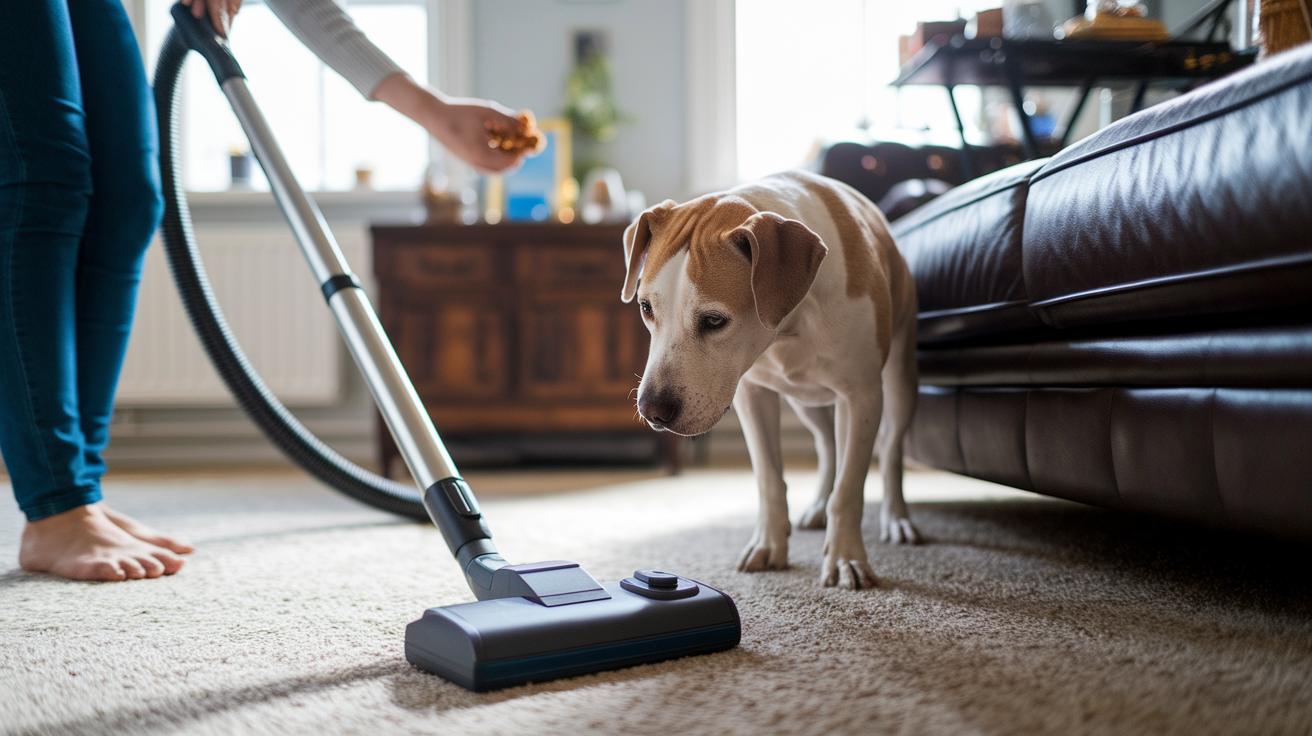
Gradual exposure therapy is all about building your pet’s confidence by gently introducing things that might seem scary at first. Start with a setup where nothing startling happens, like keeping the vacuum off, so your pet can simply watch without stress. This calm beginning shows your pet that new sounds or objects aren’t dangerous. For example, when Fido sees a silent, inactive vacuum, he can take it all in without feeling scared.
Next, go step by step, watching your pet’s body language to know when to move forward. Begin with the quiet object, then add a little element like a soft, low noise. Along the way, give your pet treats and kind words for staying calm. Only increase the stimulus once you see your pet relaxing. If your pet remains calm when hearing a gentle hum, it’s okay to slowly extend the exposure.
Keep an eye on your pet’s signals during the process. A relaxed tail and steady breathing mean your pet is coping well, while trembling or trying to hide are signs that things might be too much. If you sense stress, it’s best to pause and go back to an easier step. Rewarding these small moments of calm builds trust and helps ease their fears over time.
Reward-Based Training Fundamentals for Confident Shy Pets
Reward-based training is all about connecting calm actions with immediate rewards. It shows your pet that good behavior brings happy results. Think of it like this: if your pet sits quietly during a walk, giving them a treat or kind words right away tells them, "Great job!"
Timing is everything. When you see your pet relax, offer a reward instantly so they link their calmness with something fun and tasty. For example, if your pet pauses before exploring a new area, a quick treat makes it clear that calm waiting is something to celebrate.
Mixing up rewards keeps things interesting. You might switch between a yummy treat, a favorite toy, or even a few kind words like, "Good job!" Imagine your pet's eyes lighting up as you hand them a little reward. This variety of treats, toys, and praise builds a warm, positive vibe that helps your pet grow more confident over time.
Sticking to a consistent reward routine is key. Keep your training sessions steady, and avoid giving rewards when your pet looks anxious. By consistently recognizing every calm gesture with quick, genuine praise, you'll help your pet learn to feel more secure and ready to face new challenges.
Gentle Correction and Counter-Conditioning for Shy Pets
Non-aversive training helps your pet feel safe by pairing anxious triggers with calm signals and rewards. This approach goes beyond simple exposure by using clear signals, like softly saying "easy", to let your pet know it’s time to relax. For example, if your pet becomes nervous when a sudden noise occurs, a gentle voice paired with a treat shows that calm behavior leads to something positive.
Adding little tactics can make a big difference. Try redirecting your pet’s attention with a consistent cue word and a short pause before giving a reward. One pet, who often froze at door sounds, learned to settle when hearing the word "calm" and got praise afterward. These focused cues build confidence and can be adjusted over time based on your pet's unique reactions.
Gentle Redirection Methods
Ease your pet’s anxiety by bringing in a favorite toy or familiar command when you notice signs of tension. For instance, if your pet starts trembling at a door sound, give a soft "sit" and gently lead them toward a treat. This kind of distraction helps them understand that staying calm brings rewards.
When to Seek Professional Support
If your pet’s nervous behavior sticks around or even gets worse despite gentle corrections, it’s a good idea to ask for extra help from a trainer or veterinarian. A behavior specialist can review your pet’s cues and suggest advanced strategies, like using a unique command or adjusting the reward timing. One pet owner noticed big improvements when using a repeated "settle" cue paired with consistent rewards.
Enrichment and Socialization to Encourage Brave Shy Pets
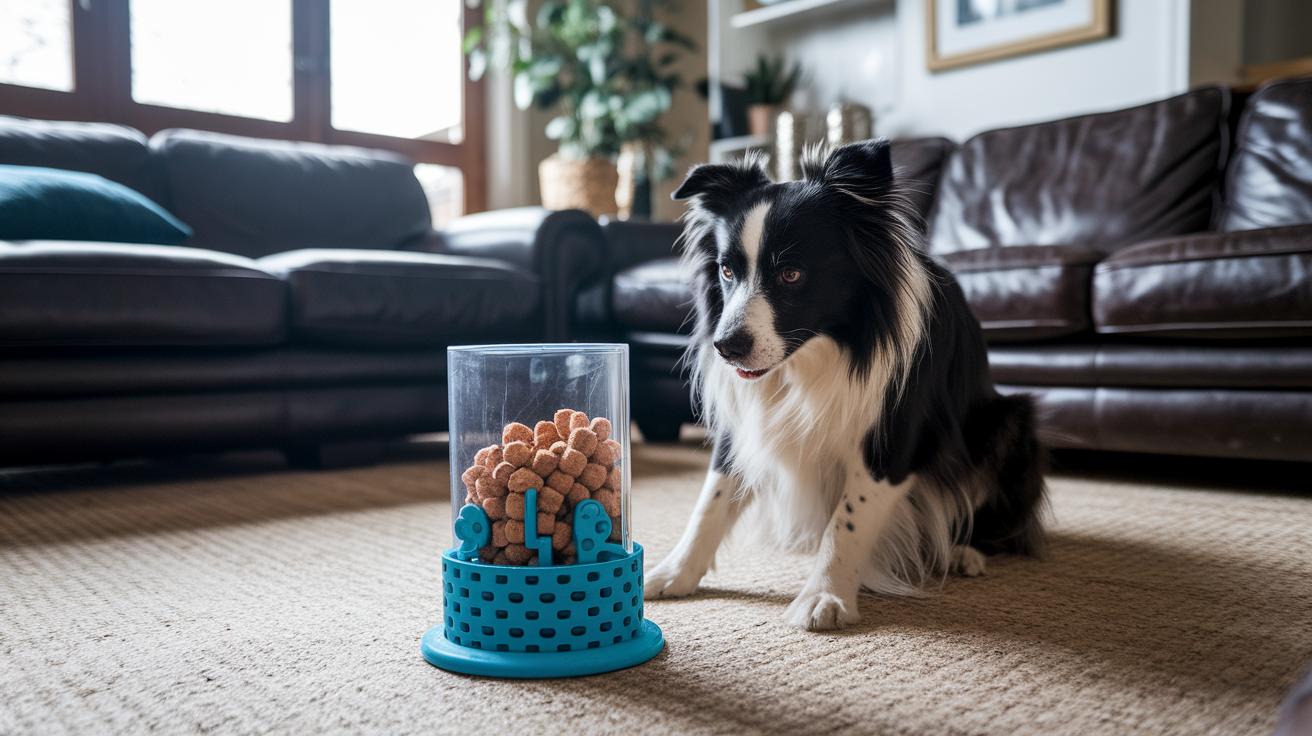
Giving your pet fun ways to think and new pals to meet really helps turn shyness into bravery. When you mix little mind-games and play into their day, you gently challenge them to be curious and overcome their worries. Try using puzzle feeders or fun toys; these not only keep their brain busy but show them that play means winning. Letting your pet explore safely from an early age builds confidence over time, and your calm presence makes them feel secure. This blend of brain play and exercise sets the stage for positive growth.
Cognitive Enrichment Activities
Mix in puzzles, sniff games, or easy problem-solving tasks into your pet's day. These activities tap into their natural instincts and let them think for themselves. For example, hide treats in a puzzle feeder so your pet has to work a little for the reward. This kind of challenge not only sparks their curiosity but also leaves them feeling proud and capable.
Low-Pressure Social Exercises
Give your pet a chance to meet new, friendly pals in a low-key way. Simple playdates with a relaxed companion or a calm hello to a familiar face can work wonders. These gentle meet-ups help them get used to new people in a controlled, supportive space, boosting their confidence with every happy encounter. Combining brain-teasers with chill social time shows your pet that trying new things can be fun, paving the way for a braver, more confident life.
Tracking Progress and Adapting Training for Shy Pets

Set easy-to-see goals that help you notice small wins along the way. For example, jot down when your pet seems a bit calmer or holds your gaze during training. You might aim for longer moments of chill time or fewer signs of stress. These little notes let you celebrate progress and tweak your plan with confidence.
Keep a simple training journal for every session. Write down details like a shaky paw, restless pacing, or the sparkle in your pet's eye after a tasty treat or kind word. This record helps you see patterns, so you can adjust each session to match your pet's pace and boost their confidence step by step.
Take a moment to review your notes in a calm, relaxed state. When you feel at ease, your pet feels it too. Celebrate every tiny improvement, a gentle tail wag, a slow, steady breath, even a moment of shared quiet. With regular care and a watchful eye on your journal, you'll build a trust-filled bond that nurtures progress every day.
Final Words
In the action, this guide walked you through a step-by-step plan that focuses on understanding behaviors, setting up calm zones, and gently exposing your pet to new challenges. It covered reward-based techniques, careful progress tracking, and non-aversive corrections to build trust. Using how to train shy pets with positive methods, you'll see small wins that boost your pet’s confidence. Keep at it, and every little step will brighten your pet's world and yours. Enjoy the process and celebrate the progress together.
FAQ
How to train shy pets with positive methods YouTube?
The YouTube guides demonstrate training shy pets using clear, positive steps like structured routines, reward-based techniques, and gentle exposure. They show how to build trust and ease anxiety effectively.
How to help a fearful dog gain confidence?
Helping a fearful dog gain confidence means creating a calm space with steady routines, rewarding calm behavior, and gradually exposing your dog to mild triggers. Your support and praise make a real difference.
My dog is scared of everything—what can I do?
When a dog is scared of everything, focus on comfort and patience. Build confidence with consistent routines, gentle exposure to triggers, and immediate rewards for even the smallest brave actions.
Why is my dog so shy and scared?
Your dog may be shy and scared because of past experiences or sudden changes in the environment. Recognizing triggers like loud sounds or new surfaces can help you tailor a soothing training plan.
How to train an anxious dog to walk?
Training an anxious dog to walk involves starting in quiet areas, rewarding calm behavior, and increasing exposure to busy settings step by step. This helps the dog feel safer on walks.
Which breeds tend to be shy?
Some dog breeds are naturally more reserved and may appear shy. These breeds often benefit from extra socialization, gentle training, and extra patience to help them grow more comfortable.
Can you train shyness out of a dog?
Yes, shyness in a dog can improve with patient, reward-based training and gradual exposure to new experiences. Consistency and gentle encouragement can help your dog overcome fear over time.
How to train a hypervigilant dog?
Training a hypervigilant dog means using calm, consistent techniques like redirection with toys or commands and rewarding calm moments. Gradually exposing the dog to mild stressors also helps lessen over-alert behavior.
How to teach your dog the “shy trick”?
Teaching a “shy trick” is about reinforcing calm behavior during anxious moments. Reward your dog with treats and praise when it takes a step back or shows a relaxed response in a stressful situation.
How to train your pet to be an emotional support animal?
Training your pet as an emotional support animal involves building confidence through consistent routines, gradual exposure to social situations, and rewarding calm, supportive behaviors that benefit both of you.