

Have you ever thought about turning your morning walk into a fun training session? You know, using simple daily routines to bond with your pet while teaching new tricks. Imagine this: while you’re enjoying breakfast together, your furry buddy learns to sit, and that ordinary moment becomes a playful lesson.
Each little command builds trust and encourages good behavior. It’s amazing how everyday tasks can turn into opportunities for love, learning, and joy. Next time, try mixing in a quick lesson during your pet’s routine, you might be surprised at how much fun it can be.
Achieving Positive Pet Training in Daily Life
Positive pet training is all about giving your furry friend little rewards for doing things right. When your pet sits or waits patiently, a small treat, a kind "good job," or a quick play session can make a big difference. Imagine offering a treat right after your dog waits for its meal, it’s a simple way to build trust and show them what you really like.
Daily routines are perfect for gentle training moments. For example, try using words like "sit" or "stay" before mealtime. Your pet will learn to wait calmly and enjoy every bite as a reward for following your command. And during walks, pausing for a "sit" command when things get busy helps mix training with everyday fun.
Playtime is another great chance to teach. While playing fetch or tug-of-war, you can sneak in commands like "drop it" or "come" and reward your pet instantly with a favorite toy or a warm compliment. Even when you’re busy with chores, asking your pet to stay or move to a spot adds little moments of learning into your day.
Experiment to see what your pet loves the most, maybe it’s a yummy, low-calorie treat, a gentle pat, or an extra bit of play. And if you ever notice tougher behavior, chatting with a pet expert can help guide you on a kind and caring path.
Integrating Positive Pet Training with Daily Routines Shines

Mixing a bit of positive training into mealtime can really make your daily routine more fun and rewarding. Imagine placing your pet’s bowl on the floor and then asking for a simple command like “sit.” Wait until your furry friend is calm before letting them dig in. This little pause helps build impulse control and creates a pattern where calm behavior means tasty rewards. It’s like watching your pet’s tail wag with excitement when they earn their meal.
Try following these simple steps to set up a fun feeding schedule:
- Serve a small portion of their meal along with a low-calorie treat.
- Ask your pet to “sit” or “stay” before you raise the bowl.
- See which reward, be it a treat, a playful moment, or a gentle word, lights up their face the most.
- Experiment with different treats and commands until you find the perfect mix that gets your pet excited.
- Keep the sessions short and steady, so eventually your pet will really link calm behavior with yummy rewards.
Using mealtime as a training moment not only teaches good manners but also builds discipline and patience. It’s a small change that turns everyday feeding into a fun, structured lesson for both you and your pet.
Reinforcing Positive Pet Training During Walks
Your daily walk is more than just a stroll; it's a fun chance to sneak in some training. Every step is an opportunity to guide your pet's focus and build great leash manners. If your dog starts to pull, just pause for a moment and wait until they settle down. This little break shows them that a calm pace really does bring rewards.
When you're near a busy spot like a crosswalk, try practicing simple commands. Imagine stopping together at the sidewalk and saying, "Sit, please." This short pause teaches your pet that your attention is top priority, more important than all the bustling pedestrians and passing cars. It’s amazing how these everyday moments can help shape solid obedience. For more insights on how street scenes shape training, check out this idea: impact of environmental factors on pet behaviour.
Keep things light and playful with quick command bursts like "stay" or "heel" as you walk along. Notice what sparks your pet's happiness, a gentle word, an affectionate pat, or even a tiny treat. Each bit of positive attention builds their confidence and makes it easier for your furry friend to listen, even when distractions are everywhere.
Turning Play Sessions into Positive Pet Training Moments
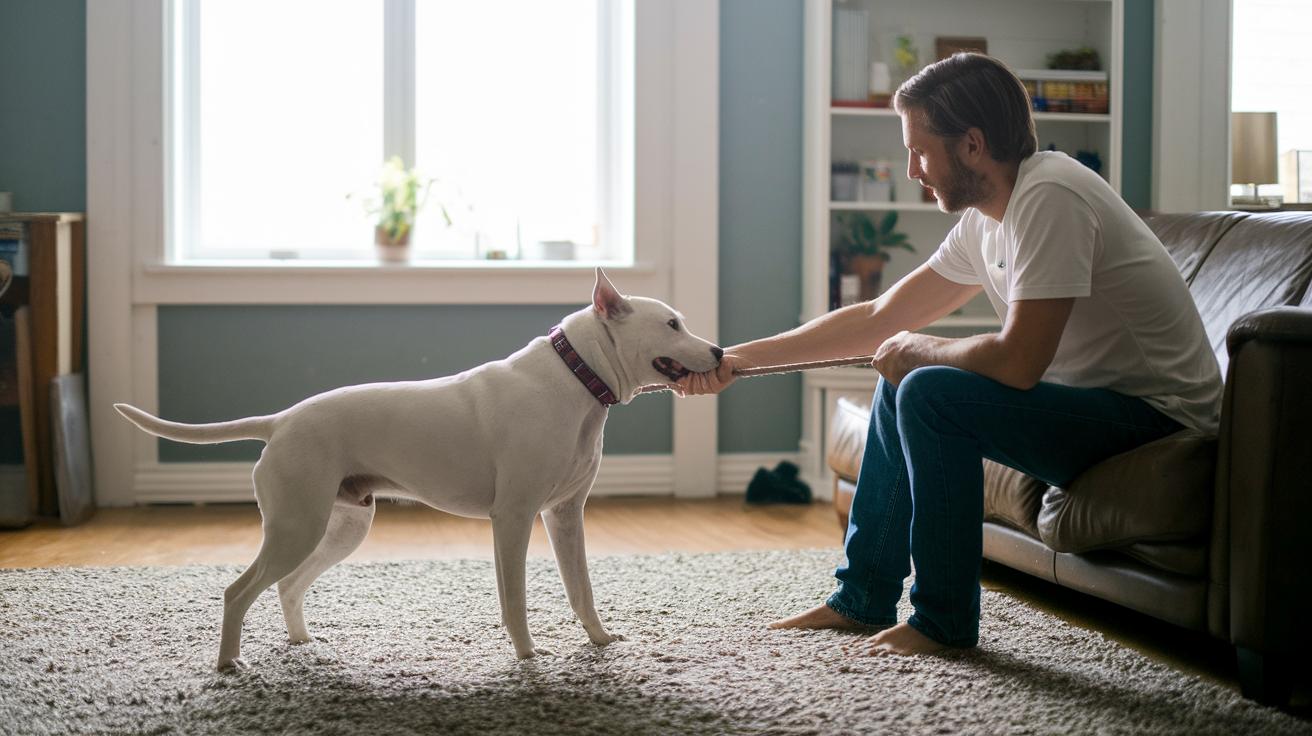
Turn an energetic play session into a fun training moment by slipping in a few quick commands. During tug-of-war, pause for a moment and ask for simple commands like "drop it" and "sit" before you jump back into the game. Offering a mix of rewards, whether it’s a burst of praise, that beloved toy, or a tasty treat, keeps your pet excited and focused, even in the heat of play.
Mix up your rewards to keep things interesting. For example, after your pet gets three commands right, hand over an unexpected treat or let them enjoy a brief play break. This change in reward type helps build their control and concentration, making training feel like a natural part of play.
Imagine a lively game of fetch where a quick command leads to an outpouring of praise and a delightful treat. It’s these little touches that make learning fun and boost your pet’s eagerness to follow along.
Leveraging Household Chores and Errands for Positive Pet Training
Everyday chores can become fun training moments with your pet. Picture this: as you load the dishwasher, take a pause. Ask your furry friend to "stay" or go to their special place before you start unloading. This little break makes manners a natural part of your daily routine.
Now, imagine turning a simple errand into social time. When you return home with groceries, have your pet sit patiently until you set the bags down. This quiet moment reinforces the "stay" command and encourages calm behavior. If your pet gets curious or distracted by sounds outside, gently say "leave it" to help them stay focused. It's a natural way to build obedience without extra effort.
Here's a quick guide to weave training into your chores:
| Tip | How to Do It |
|---|---|
| Start with a Command | Before beginning any task, ask your pet to perform a command like “place” when you bring in the mail. |
| Keep it Short | Use brief, repeated sessions during your routine to reinforce calm behavior. |
| Reward Often | Offer small treats, kind words, or a gentle petting after every successful command. |
Integrating training into everyday chores makes learning feel natural. Each little command brings you and your pet closer to a joyful, well-behaved companionship.
Designing Consistent Reward Systems for Daily Pet Training

Start your day with quick training sessions. Give your pet a treat, a kind word, or both immediately when they follow a command. It really feels like a mini celebration each time your pet obeys you. For example, if your dog sits on command, offer a reward right away so they understand what you’re looking for.
Have a regular schedule. This helps your pet build lasting habits. Try setting up training sessions like simple clicker bursts or a few verbal commands during specific hours, for instance, from 7 am to 7 pm on weekdays. Keeping sessions short means your pet stays focused and enjoys the training without getting overwhelmed.
Mix up the rewards to keep things exciting. Instead of always using food treats, add some praise, a favorite toy, or even a short play break. This variety is key, especially since too many food treats might affect your pet’s weight. Experiment with different rewards and see which ones light up your pet’s day. Think of it as giving a gentle pat or a mini play session after a successful command.
A steady reward routine not only builds good habits but also makes training a natural part of your everyday life. For more ideas on setting up your schedule, check out the House training schedule for busy pet owners at https://getpetsavvy.com?p=7097.
Troubleshooting Common Challenges in Positive Pet Training with Daily Routines
Sometimes your pet might seem a bit shy when learning new tricks, or they may get extra energetic when something distracting pops up. Changing the pace of your training can make a real difference. Picture asking your pet to sit before mealtime and noticing a little hesitation. It might be just their nature or even something from past experiences. In these moments, try mixing up the rewards. If a food treat feels like too much, swap it for a kind word or a short play session. Balancing treats with non-food rewards not only keeps your pet interested but also helps maintain a healthy balance.
Here are a few ideas you might consider:
- Slow down the training pace for pets who need extra time to learn new commands.
- Mix up your rewards by offering praise, a fun play session, or even a gentle cuddle.
- Chat with a pet expert if you think your pet’s behavior might be linked to genetics or past experiences.
Remember, gentle behavior changes show you care while guiding your pet toward better habits. Sometimes, a challenge means your furry friend might just need a bit more support. Options like private lessons, day school, or in-home sessions (like what Sit Now Stay offers) can be just the right fit to help your pet progress at their own pace. Each little bump in training is really a step toward a deeper bond and a happier pet.
Final Words
In the action, using everyday moments to teach your pet builds discipline and a joyful bond. Integrating positive pet training with daily routines, whether during meal prep, fun walks, or playful sessions, can help reinforce good habits effortlessly.
Simple reward systems and creative troubleshooting turn challenging moments into opportunities for growth. Enjoy each step as you shape a harmonious life with your cherished companion.
FAQ
What is the 3 3 3 rule for dog training?
The 3 3 3 rule for dog training means training your dog in three 3‑minute sessions each day using different rewards. This method keeps sessions short, enjoyable, and effective for learning commands.
What is the 10 10 10 rule for puppy training?
The 10 10 10 rule for puppy training means dedicating 10-minute sessions several times daily to teach new skills while giving ample breaks. This approach helps prevent overwhelm and builds steady learning habits.
What are the 5 D’s of dog training?
The 5 D’s of dog training refer to a step‑by‑step approach where you Decide on the goal, Define clear steps, Demonstrate the action, Deliver rewards or corrections, and Develop consistency in training.
How would you plan to integrate a service dog into your daily routine?
Integrating a service dog means blending training into daily routines like mealtime, walks, and errands. This creates a structured yet natural schedule that builds your service dog’s skills for everyday tasks.