
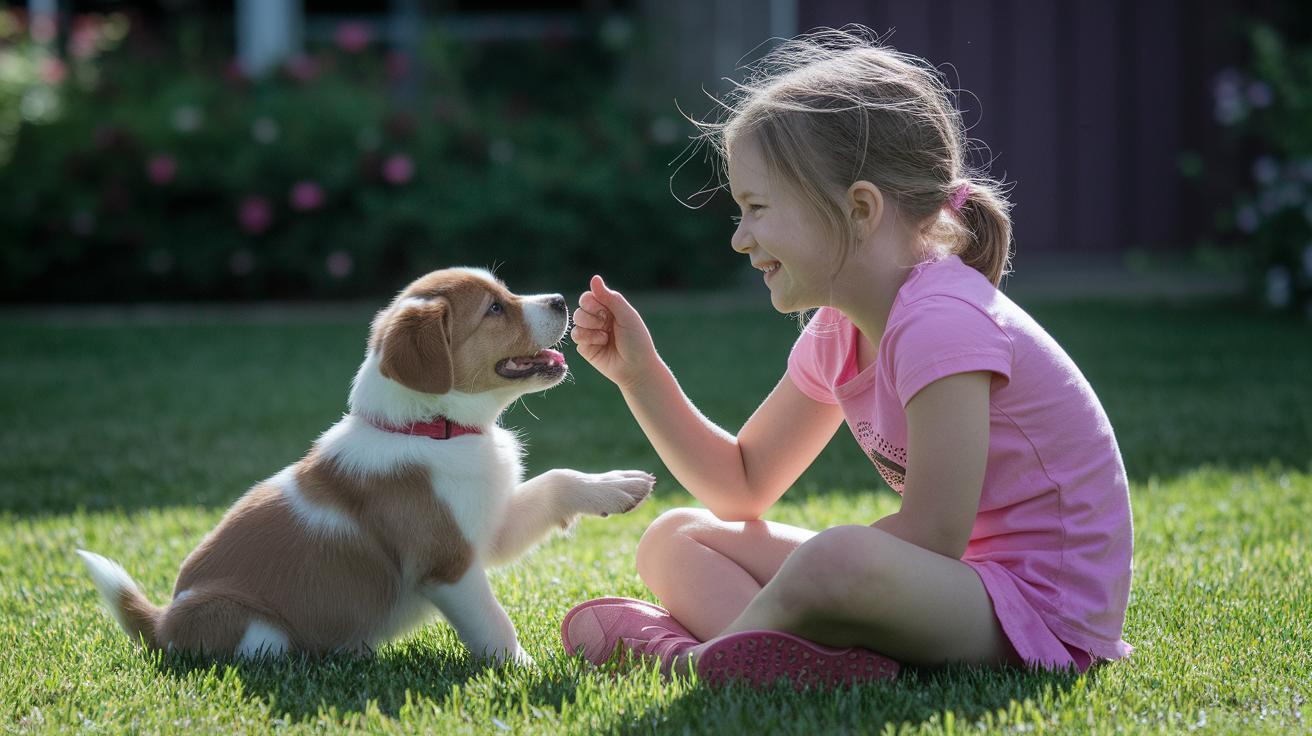
Ever wonder if your pet really understands the praise you give? Positive training turns learning into fun moments that build trust and brighten your day. Picture your dog sitting down and getting a treat right away, it’s like watching pure joy in action. In our blog, we share simple, science-backed methods that transform training into a game you both enjoy. With clear rewards and well-timed praise, you create a warm, caring bond that makes every session a little celebration.
How Motivation Techniques Transform Positive Pet Training
Positive training is all about using treats and praise right when your pet does something good. It’s a kind, science-backed way to build a warm bond between you and your furry friend. Imagine this: your dog sits on command and gets a small treat immediately. That quick reward helps your pet understand that sitting is a great thing to do. It’s like telling your pet, "Good job!" while picturing its tail wagging happily with every tasty bite.
This gentle approach rests on four simple ideas. First, see things from your pet’s side; after all, they have feelings too. Next, meet their needs by offering clear rewards like kibble, jerky, cheese, chicken, or even a dab of peanut butter. Then, stick to methods that use kindness to bring out the best in your pet. Finally, steer clear of punishments that might scare them. When your pet gets a treat right away, it not only learns faster but also feels like training is a fun game you both share. Picture your pet’s face lighting up every time it hears a command and sees that yummy treat, just like the strategies mentioned in the House training rewards and incentives guide.
Using these motivational tricks can work wonders. Every time your pet earns that treat, trust builds and little sessions turn into delightful moments of teamwork. Soon, you’ll notice better behavior and more joyful interactions during your everyday routines. It’s a simple, friendly way to help your pet grow and feel loved with every step.
Core Positive Reinforcement Strategies to Motivate Pets
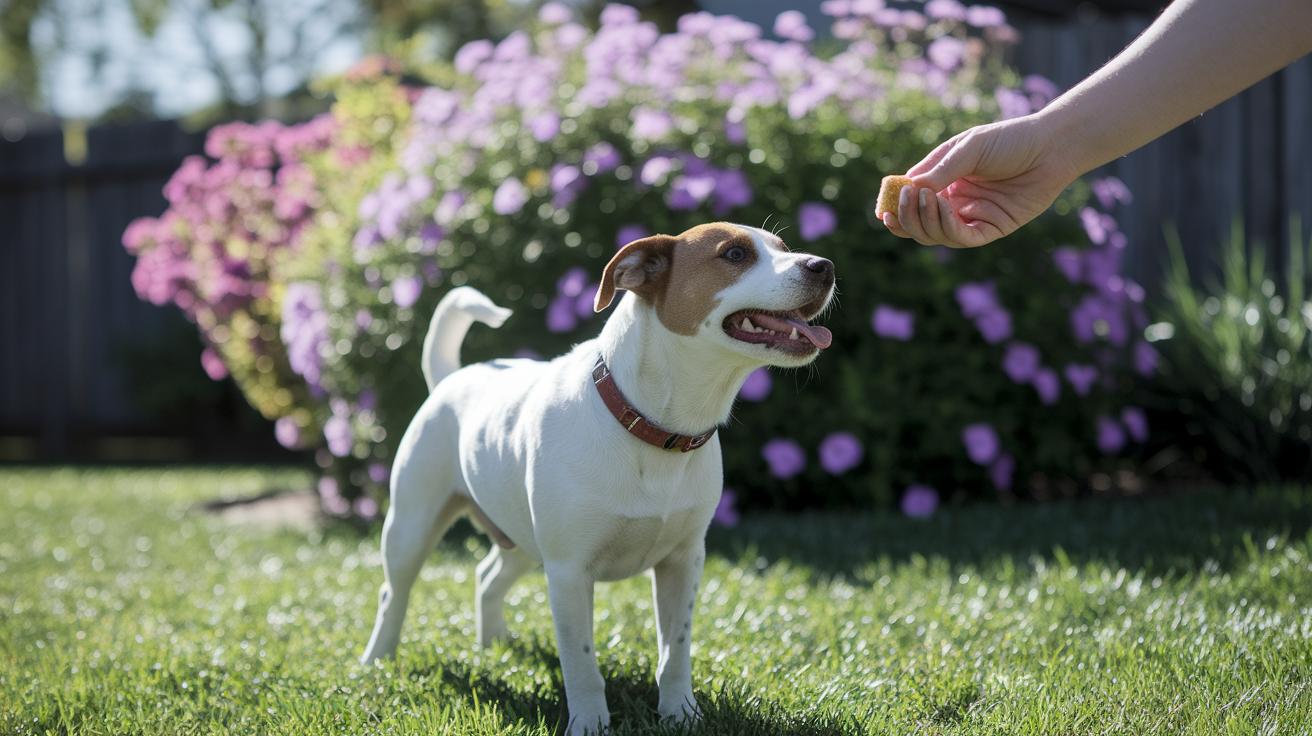
Picking the best rewards is super important. Many pets go wild for treats like kibble, jerky, cheese, chicken, or even a little peanut butter. When your pet sees a treat they love, their eyes light up and the connection between good behavior and rewards becomes clear.
Timing matters a lot, too. Give the treat right when your pet does what you asked for. This makes it easy for them to connect their action with the reward. A cheerful word or a friendly voice with the treat can bring extra joy and help everything click.
Mixing up treats with kind words and play keeps training fun and fresh. Switching between yummy snacks, heartfelt praise, and a quick game helps your pet stay alert and interested. This variety means every training session feels new and exciting.
Designing Reward Systems: Incentive-Based Positive Pet Training
Building a reward plan for your pet is a bit like creating a fun game. You set up a schedule that matches how they learn best while making training a joyful experience. A fixed ratio schedule rewards your pet after a set number of actions. This clear link between behavior and treat makes for strong, happy habits. And giving an immediate reward after a good job turns training into a mini celebration.
Other options include a variable ratio and a fixed interval plan. With a variable ratio schedule, your pet gets treats after an unpredictable number of actions, keeping things lively and mysterious. Then there’s the fixed interval schedule, where rewards come after a set time period, perfect for teaching newer or tougher tricks steadily over time. Tweaking how often and how strong the rewards are based on your pet’s reactions keeps things balanced and fun.
| Schedule Type | Description | Best Use |
|---|---|---|
| Fixed Ratio | Reward given after a set number of responses | Creating clear behavior links |
| Variable Ratio | Reward given after an unpredictable number | Keeping high engagement |
| Fixed Interval | Reward given after a set time period | Helping with long-term skills |
Tailoring Motivational Cues to Individual Pets in Positive Training

When it comes to positive training, using motivating signals is key. For our furry friends like dogs, simple verbal commands in a friendly tone work like magic. They perk up when you use steady hand signals or a marker, such as a clicker, along with an instant treat. Try saying "Sit" and rewarding them right away. These easy methods help them learn and remember.
Cats, on the other hand, love brief and fun prompts matched with a special treat. A swift hand motion or a lively voice grabs their attention quickly. When you keep these signals consistent, training feels more like a playful game than a boring task. It turns every lesson into a fun moment full of excitement.
Remember, every pet is different. Watch how your buddy reacts to various cues, even something as small as a change in your body language or a burst of energy. Tweak your signals to match their breed and mood. This little shared language builds trust and makes each training session both fun and effective.
Blending Play and Enrichment with Motivation Techniques
When you dive into interactive play like a game of fetch or a friendly tug-of-war, you can really see your pet's excitement come alive. Short sessions of five to ten minutes work best so they don't get bored or overly hyped. Picture tossing a ball and watching your pup dash away with pure joy. Every playful moment builds good habits and keeps their mind sharp.
Mixing in puzzle feeders or different types of toys adds another fun layer to training. These little challenges not only boost your pet's thinking but also make every session feel like a mini adventure. Imagine your furry friend looking curiously at a puzzle, trying to figure out the next step. It turns everyday practice into a delightful exploration full of rewards.
Switching up activities and adjusting how intense the play is can really strengthen the bond between you and your pet. Whether it's a sunny afternoon game of fetch or a cozy tug session at home, every change makes learning feel fresh and enjoyable. Together, you're creating a warm space where motivation and love grow side by side, turning each training moment into a shared celebration of progress.
Tracking Progress and Adjusting Motivational Techniques

Keeping track of your pet's training sessions can really make a difference. Write down the date, session length, the specific behavior you want to encourage, the type of treat or praise you used, and how well it went. Over time, these little notes help you see what gets that joyful wagging tail or eager purr.
Every couple of weeks, take a moment to go over your records. See which behaviors are getting better and which might need a little extra focus. If something seems to stall, try switching up the treat or tweaking how often you reward your pet. This way, the learning stays fresh and fun for both of you.
A clear review process makes adjusting your training routine much easier. Start by setting small, specific goals for each behavior. Then, as you notice progress, shape your training sessions to be more engaging and rewarding. This step-by-step approach builds on what already works while encouraging new skills.
Remember, training is a journey you and your pet share. With a bit of patience and a few adjustments along the way, you'll both learn and grow together. Isn't it wonderful to see your furry friend thrive with a little extra love and care?
Final Words
In the action, we dove into the science behind reward-based training and designing flexible reward systems. We discussed using gentle, timely rewards alongside clear pet cues to build trust and encourage better behavior.
Every section brought forward practical insights, from choosing high-value treats to perfecting motivational pet cues, that shape a rewarding training experience.
Using motivation techniques in positive pet training, each session turns into a fun way to strengthen the bond. Keep celebrating every small win and watch your pet grow in confidence and joy.
FAQ
What are motivation techniques in positive pet training on Reddit?
Motivation techniques in positive pet training on Reddit stress using rewards like treats or praise immediately, sharing real pet success stories that highlight a friendly, science-based approach to enhancing pet learning.
What are positive reinforcement dog training examples?
Positive reinforcement dog training examples include giving a treat, kind words, or a bit of play right after a pet follows a command, which helps create a strong link between actions and rewards.
How does dog training with positive reinforcement differ from correction?
Dog training with positive reinforcement rewards desired behaviors immediately, while correction aims to discourage unwanted actions. This method builds trust by focusing on rewarding good behavior over punitive measures.
What do dog motivational quotes offer?
Dog motivational quotes offer uplifting messages that inspire pet parents and trainers to stay patient and loving, reinforcing the joy and bond shared during training sessions.
What does positive reinforcement dog training psychology involve?
Positive reinforcement dog training psychology involves rewarding a pet right away for the correct behavior, which builds trust and encourages the pet’s natural desire to learn through positive outcomes.
What does positive reinforcement training mean?
Positive reinforcement training means rewarding your pet—for example with treats or praise—immediately after a correct behavior, helping them associate good actions with positive consequences.
What does positive reinforcement dog training near me imply?
Positive reinforcement dog training near me implies finding local classes or trainers who use reward-based methods to build trust and improve your dog’s behavior through immediate positive feedback.
How does negative reinforcement dog training work?
Negative reinforcement dog training works by removing an unpleasant stimulus when your pet displays the desired behavior, a method that can sometimes confuse pets compared to reward-based techniques.
What are the 5 D’s of dog training?
The 5 D’s of dog training refer to key principles that guide effective training, often highlighting discipline, demonstration, dedication, direction, and delight, though definitions may vary among trainers.
What is motivation in dog training?
Motivation in dog training means encouraging your pet to perform by using appealing rewards such as treats, praise, or play, which sparks their interest and eagerness to learn.
What are the 3 P’s of dog training?
The 3 P’s of dog training typically are positive reinforcement, patience, and persistence—all crucial qualities that help establish trust and consistency in your pet’s learning process.
What is an example of positive reinforcement in animal training?
An example of positive reinforcement is giving your pet a tasty treat immediately after obeying a command, which instantly reinforces the behavior and makes learning both fun and effective.