

Have you ever wondered if nature might help with your pet's constant itching and red skin? When your furry friend deals with eczema, it feels like nothing works. But sometimes, gentle home remedies can be just the trick.
For example, soothing creams and simple changes in your pet's diet can calm swelling (inflammation) and ease discomfort. Picture your pet enjoying a mild cream that leaves their skin feeling refreshed and cool.
This guide shares easy, chemical-free options that work with your pet's body, helping them feel comfortable and happy every day.
Natural Home Remedies for Pet Eczema Relief
Pet eczema can show up as constant itching, red patches, and irritated skin, making our furry friends very uncomfortable. When your pet keeps scratching, it can be heart-wrenching. Many pet parents try to avoid harsh chemicals and look for gentle, natural ways to ease those itchy symptoms.
There are several natural approaches you can try. Some treatments work by applying a soothing cream directly on the irritated skin, while adjustments in your pet’s diet can help strengthen their natural skin barrier. Even small tweaks at home, like using hypoallergenic cleaning products, can lower airborne irritants that may be worsening the problem. Regular, gentle baths with a mild cleanser can also be a calming ritual that helps keep your pet’s skin healthy.
Plant-based remedies, such as aloe vera gel and hempseed oil, offer a cool, calming relief. These natural options help fight germs and reduce swelling and itchiness, giving your pet a refreshing burst of comfort. Try introducing these slowly, and watch carefully to see how your pet reacts. And if the symptoms stick around or seem to worsen, chatting with your veterinarian is always a smart move.
Identifying Causes of Pet Eczema and Managing Natural Triggers
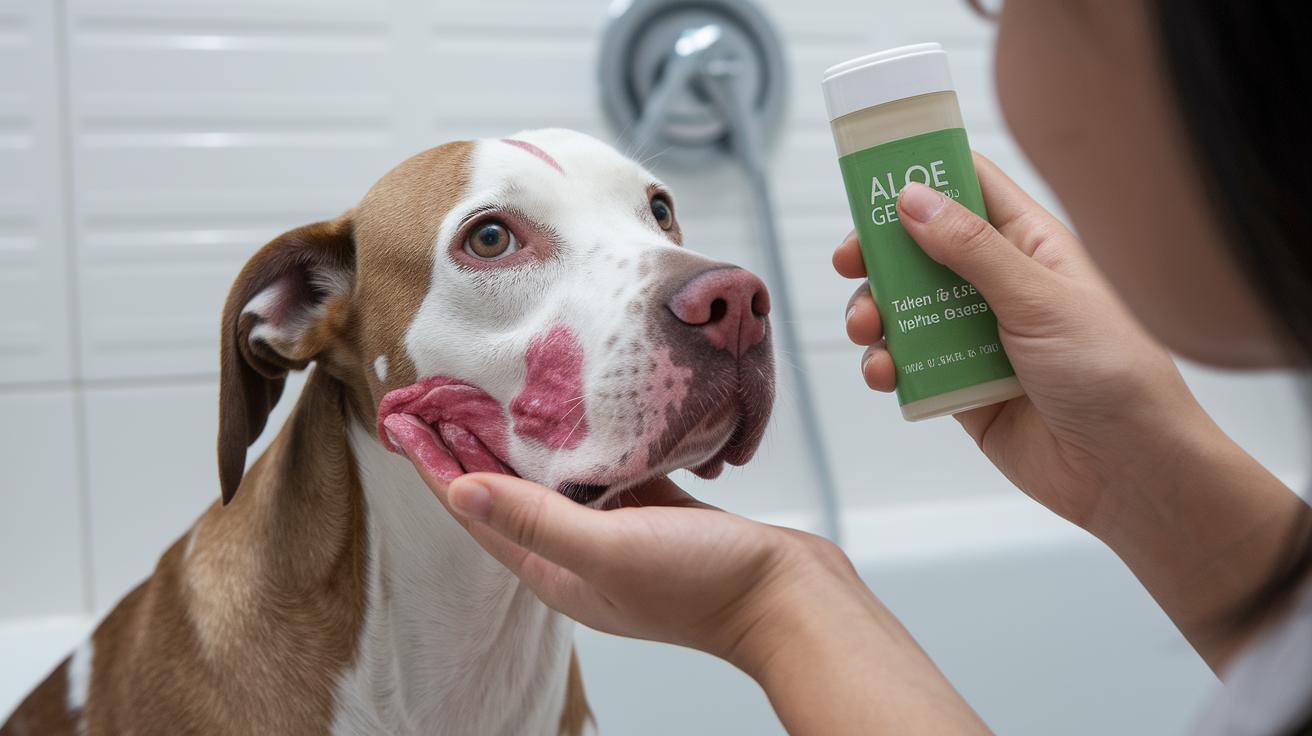
Canine skin allergies fall into three main groups: environmental, food-related, and flea-induced. If your pet shows signs of eczema, you might notice persistent itching, red skin, and even patches that feel warm or sore when you touch them. Imagine your dog constantly scratching its paws, it’s a clear hint that something in its surroundings might be upsetting them.
Certain breeds like Boxers, Bulldogs, Retrievers, German Shepherds, and Shih Tzus seem to have these issues more often. Seasonal shifts can make matters worse, too. For example, in drier months, allergens like pollen and dust mites become more active. Even everyday indoor irritants, such as household dust or pet dander, might add to the discomfort. That’s why many pet parents turn to natural ways to soothe their furry friend.
Sorting out food triggers means slowly adjusting your pet’s diet. Try removing one protein or ingredient at a time, and keep a close eye on any changes in behavior or skin texture. At the same time, check for signs like tiny red bumps or irritation near the base of the tail, these may indicate flea bites.
Identifying and steering clear of these triggers lays the groundwork for natural remedies. Once you determine whether the cause is something in the environment, a food ingredient, or fleas, you can tailor your approach. This targeted care can lead to a calmer, more comfortable pet.
Topical Plant-Based Treatments for Pet Eczema Relief
Topical treatments help soothe your pet's sore spots using gentle, natural botanicals. They calm irritated skin, ease inflammation, and bring back much-needed moisture. It's like giving your pet a little spa moment right where they need it most.
Aloe Vera Gel
Pure aloe vera gel is a favorite because it cools and calms irritated skin. Just dab a thin layer on the affected area, but first try it on a small spot to be safe. You'll notice an instant cooling feeling, much like a refreshing splash on a warm day.
Oatmeal Baths
A warm oatmeal bath can work wonders for smoothing out rough, itchy skin. Simply mix one cup of colloidal oatmeal (finely ground oatmeal that mixes well in water) into warm water and let your pet enjoy a 5–10 minute soak. Regular baths, about once a week, can keep their skin soft and comfortable.
Chamomile Compress
For a soothing touch, make a chamomile compress. Steep two tea bags in a quart of hot water and let it cool down. Then, soak a clean cloth in the chamomile water and gently press it on the irritated spots for 10–15 minutes. This easy method relieves itchiness while reducing mild swelling, thanks to nature's own antioxidants.
Coconut Oil Applications
Virgin coconut oil is loved for its antibacterial and moisturizing benefits. Rub a small amount into the affected skin until it's evenly spread. This not only hydrates but also creates a light barrier against further irritants.
Calendula Balm
Calendula balm makes caring for your pet’s skin simple. Apply it once or twice daily on the spots that need extra attention. It helps reduce swelling and supports the skin’s natural healing process, making it a comforting remedy.
| Treatment | Key Benefit | Application Frequency |
|---|---|---|
| Aloe Vera Gel | Cooling and calming | 2–3×/day |
| Oatmeal Baths | Restores moisture | Weekly |
| Chamomile Compress | Soothes and reduces swelling | 2–3×/week |
| Coconut Oil | Moisturizes and protects | Daily as needed |
| Calendula Balm | Supports healing and decreases inflammation | 1–2×/day |
Dietary Support and Supplement Strategies for Pet Eczema

Omega-3 Fatty Acids
Omega-3 fatty acids are little helpers that calm irritation and boost skin repair. They work to soothe your pet’s skin and keep their coat shiny and healthy. In simple terms, these special fats strengthen skin cells so they can better stand up to stress. A common tip is to aim for about 20–55 mg of omega-3 per pound of body weight each day. You can add these friendly fats with fish oil supplements or by including omega-rich foods like salmon in your pet's meals. Giving your pet these extra nutrients helps their skin bounce back and stay resilient.
Probiotics & Digestive Support
Probiotics are like friendly helpers in your pet’s tummy, keeping their gut happy and balanced. Tiny strains such as Lactobacillus and Bifidobacterium (good bacteria that support digestion) work to boost your pet's overall gut health. When their digestive system is balanced, eczema flare-ups can become less frequent and less intense. Probiotic supplements are often measured by CFU counts, which means each dose gives a strong boost to their gut. Introducing these supplements or probiotic-rich foods can ease inflammation and help reduce those uncomfortable, itchy patches.
Keeping your pet’s tummy in good shape really makes a difference. A happy gut supports a strong immune system, helping skin cells repair themselves. When the digestive system is thriving, irritants are less likely to trigger eczema symptoms. By caring for your pet’s internal health, you help build a natural shield that keeps their skin calm and comfortable.
Home Environment and Grooming Practices to Prevent Eczema Flare-Ups
Keeping your home calm and low in dust can really help a pet with eczema feel better. A tidy space cuts down on those tiny particles that set off flare-ups, letting your furry friend breathe easier. When surfaces are clean and free of debris, it means fewer allergens swirling around, which can soothe irritated skin. Even small actions, like dusting regularly and keeping clutter away, work wonders. Maintaining a cozy humidity level around 40 to 50 percent also helps your pet’s skin naturally fight off irritants.
Grooming is just as important when it comes to easing eczema symptoms. Being gentle when brushing or washing your pet stops allergens from sticking close to the skin. A mild, fragrance-free shampoo can keep buildup away without upsetting your pet’s sensitive coat. And a light, regular brushing not only keeps the fur neat, it also minimizes the chance for irritation. Choosing grooming tools from eco friendly pet supplies shows care for both your pet’s skin and the planet.
Here are some simple, helpful steps to reduce eczema flare-ups at home:
- Dust-mite-proof bedding with a weekly wash.
- Fragrance-free, pH-balanced shampoos made for sensitive skin.
- Regular, gentle brushing to remove loose fur and debris.
- Using HEPA filters and keeping an eye on humidity levels.
- Cleaning floors and furniture with allergen-free solutions.
Safety Precautions and When to Consult a Veterinarian for Pet Eczema
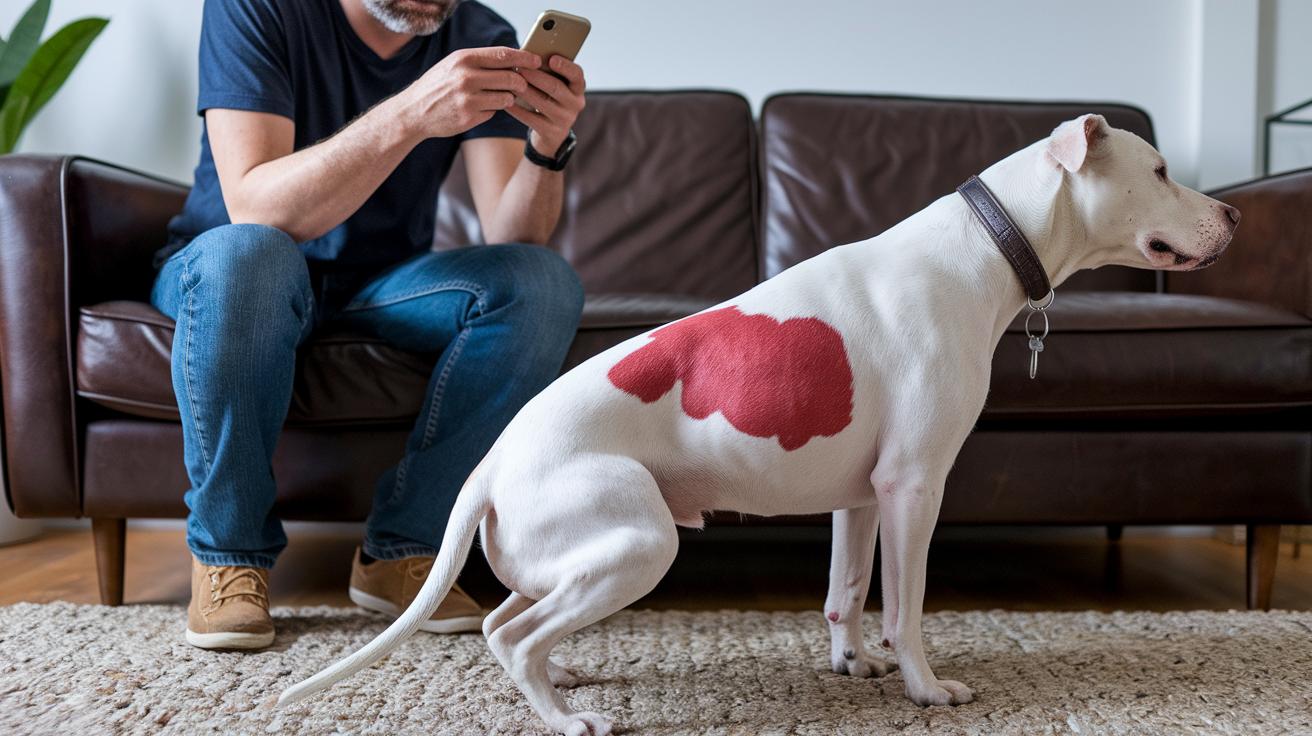
If your pet is scratching a lot and it starts to make raw wounds, infections, or blisters, it's a sign to call your vet right away. You might see red, swollen patches or even little drips on the skin. These could mean the irritation is more than just a small itch, so keep a close look on any changes and don't wait too long to get some help.
It can be tempting to try home remedies, but sometimes these can do more harm than good. Concentrated oils or recipes found online might irritate your pet’s skin or even be toxic. Avoid using pure essential oils or strong mixtures on your pet. Instead, stick to methods that have been tried and tested, so you know they’re safe and gentle.
If the skin problem keeps coming back or gets worse, it’s really important to talk to a vet. They can give you a proper diagnosis and recommend the right natural treatment and the correct amounts to use. Sometimes there are homeopathic options that work well for pets. Trust your veterinarian to guide you on the best, safest way to help your furry friend feel better.
Final Words
In the action, we explored natural ways to ease pet eczema, from soothing topical treatments like aloe vera gel and oatmeal baths to dietary supports like omega-3 fatty acids and probiotics. We also looked at practical home practices to cut down on allergens and when it’s time to check in with your vet.
These tips provide a caring roadmap for managing pesky skin irritations. Remember, natural remedies for pet eczema can make a big difference when used safely and thoughtfully. Enjoy brighter, itch-free days ahead!
FAQ
What natural home remedies can relieve a dog’s itching and skin allergies?
The natural home remedies to relieve a dog’s itching include using diluted aloe vera gel, oatmeal baths, and coconut oil applications. These treatments help soothe irritation and moisturize dry skin effectively.
How can I naturally treat dog skin disease and eczema at home?
The natural approach to treating dog skin issues involves gentle bathing with oatmeal, using diluted apple cider vinegar or coconut oil, and providing a balanced diet rich in omega fatty acids. These methods help reduce inflammation and calm irritation.
What is a good natural remedy for dog eczema that includes vinegar or coconut oil?
The natural remedy for dog eczema may involve a diluted vinegar rinse for its mild antiseptic effects, paired with coconut oil for its antibacterial and moisturizing benefits. Both help soothe and relieve itchy, inflamed skin.
How strong are natural antibiotics for dogs without vet advice?
The natural antibiotic options, like honey or turmeric, have antibacterial properties and may help with minor skin irritations. However, they should never replace professional care for serious infections or conditions.
How can I make a homemade anti-itch spray for my dog?
Making a homemade anti-itch spray can involve mixing diluted apple cider vinegar with water and a touch of aloe. This blend can soothe irritated skin, but always test on a small area and check with your vet first.
What should I do to help a sick dog at home naturally?
Helping a sick dog naturally involves offering gentle, nutritious food, plenty of water, and mild home remedies. Yet, it’s best to consult your veterinarian promptly for proper guidance to keep your furry friend safe.