

Have you ever wondered what secrets your pet's food label might hold? It can feel a bit puzzling sometimes. Many pet parents like us are unsure which ingredients help our fur babies stay healthy.
Think of a nutrition label as a simple map. It points out important details like what goes into the food, its name, and key nutritional facts (basic info about vitamins, minerals, and proteins). Knowing how to read these labels helps you see if the food is right for your pet’s age and playful lifestyle.
Stick around and join us on this journey. Soon enough, you'll become a confident pet nutrition detective who can give your four-legged friend the loving care they deserve.
Essential Components of a Pet Nutrition Label
When you’re choosing the best food for your pet, understanding the nutrition label makes a big difference. These labels are like simple road maps that show you if the food has the right mix of ingredients to keep your fur baby happy and healthy. They break down important details that help you decide if the food fits your pet’s age and lifestyle.
Take a quick look at what to check:
- Product name
- Ingredient list
- Guaranteed analysis
- Nutritional adequacy statement
- Calorie statement with feeding guide
If you’re in Canada, the labels also include both English and French text along with metric units. Later on, we’ll chat more about each part and share tips on comparing labels to ensure your pet gets a balanced diet. For more on creating a balanced meal plan, check out the optimal pet nutrition guide at https://getpetsavvy.com?p=6191.
Deciphering Ingredient Lists on Pet Nutrition Labels

When you read a pet food label, the ingredients are listed by weight before the food is cooked. This means that a water-rich ingredient like whole chicken might be at the top even though it offers less protein per bite than its dried version. It’s a bit like how the first tale in a pack might not always be the richest one.
Meals made from whole meats and dehydrated meals really differ. Dehydrated meals, such as chicken meal, pack a stronger protein punch because almost all the water is removed. In contrast, whole meats come with extra water, which can make the protein look lower than it really is. Recognizing this helps you spot quality proteins and steer clear of fillers that aren’t adding much nutrition.
- Look beyond the first ingredient
- Compare dehydrated meals to whole meats
- Identify common fillers
- Avoid ambiguous terms (like "meat by-product")
- Check for named protein sources ("chicken" vs "poultry")
- Note the presence of quality fats (for example, fish oil)
Using these tips, you can pick out pet foods that truly nourish your furry friend. Ever notice how a clear list makes choosing the right food so much easier?
Interpreting the Guaranteed Analysis on a Pet Nutrition Label
Understanding the guaranteed analysis on your pet food label is like having a friendly guide to your pet’s nutrition. It shows you the minimum and maximum amounts of key nutrients that help keep your furry friend healthy. For example, it tells you how much protein (that helps build muscles) and fat (a source of energy) are guaranteed, along with the highest levels of fiber (for smooth digestion) and moisture (for freshness) in the food. You might also see vitamins like A and B12 or minerals such as zinc, copper, and iron, all listed to help round out your pet’s diet. These details are carefully regulated by AAFCO so you can trust that the food really delivers on its promise. And while all-life-stage formulas are designed for growing puppies or kittens, and even nursing pets, they might offer more nutrients than an adult pet really needs.
| Nutrient | Min/Max % | Label Interpretation |
|---|---|---|
| Protein | Min % | Supports muscle growth and repair |
| Fat | Min % | Provides energy and essential fatty acids |
| Fiber | Max % | Helps with digestive health |
| Moisture | Max % | Enhances palatability and freshness |
You might also notice extra micronutrient listings alongside the main percentages. These additional vitamins and minerals play a big role in keeping your pet in tip-top shape. When the numbers seem unusually high or low, it could be a hint that the formula was adjusted for a specific growth stage or dietary need. Keeping an eye on these details helps you decide if the food is the right match for your pet’s age and daily activities.
Calculating Caloric Content and Feeding Guidelines on Pet Nutrition Labels

Getting your pet the right number of calories is a big part of keeping them healthy. When you work out these numbers, you’re making sure your furry friend gets the perfect amount of energy each day, based on its species, age, weight, and how active it is. Pet food labels often show the usable energy (that is, the energy your pet can actually get from the food) in kilocalories per gram or kilogram. Then, the feeding guidelines break that energy down into servings, like per cup for dry food or per can for wet food. This way, you can easily match portions to what your pet really needs.
Here’s a simple plan to help you:
- Find your pet’s daily calorie needs using a weight or life stage chart.
- Look for the kilocalories per cup (or per can) on the label.
- Convert your pet’s calorie needs into the right number of cups or cans.
- Adjust the amount for your pet’s activity level and any health concerns.
- Keep an eye on your pet’s weight and tweak portions as needed.
Keep in mind that different brands might define a “cup” a little differently by weight. So when you switch products, it’s smart to compare. Also, remember that the feeding guidelines for dry versus wet food can be quite different, so give each label a close read.
Recognizing Pet Nutrition Label Quality Seals and Regulatory Statements
When you check your pet’s food label, you'll notice nutritional adequacy statements that show if the food meets AAFCO's nutrient profiles. Sometimes you’ll see “formulated to meet,” which tells you experts have crunched the numbers. Other times, “tested to meet” means the food has been through feeding trials (real-life tests with pets) to ensure it performs well. This helps you feel confident that your furry friend is getting a balanced meal that supports their overall health.
In the United States, labels must stick to strict AAFCO rules. But over in Canada, labels come in both English and French, use metric units, and following AAFCO guidelines is optional. Knowing these regional twists can really help when you're hunting for trustworthy quality seals on your pet’s food.
Here are a few common seals to keep an eye out for:
- AAFCO Approved: Shows the food meets nutrient standards based on expert calculations.
- Feeding Trial Tested: Confirms the food was put to the real-world test with feeding trials.
- Nutritional Adequacy: Indicates the food follows all the guidelines for a specific stage in your pet’s life.
Expert Tips for Comparing Pet Nutrition Labels and Avoiding Misleading Claims
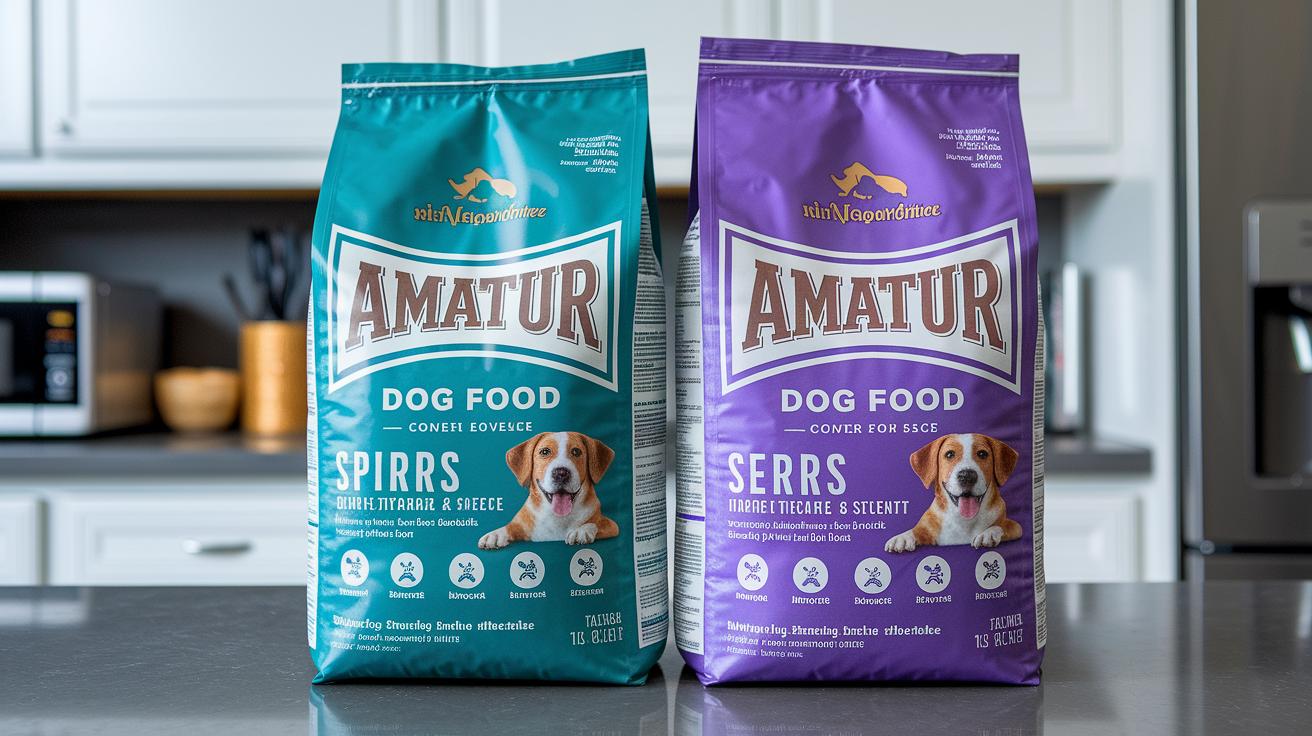
When you look at pet food labels side by side, you can spot small details that really affect your pet's health. You might find hidden sugars, low-quality fillers, or confusing words that hide the true nature of the food. This careful look not only shows the order of ingredients but also gives you a peek at the nutrient balance, making it easier to pick a food that truly supports your pet's well-being (fulfilling AAFCO guidelines).
Try these simple tips:
- Check out the first five ingredients to see what the main sources of protein and fillers are.
- Look at the protein and fat levels to make sure the food gives the energy your pet needs.
- Notice if the protein comes from named meals; these often mean better quality protein.
- Keep an eye on artificial additives and hidden sugars since they add calories without real benefits.
- Look for any note on feeding trials, it's a sign the food has been tested with real pets.
- Compare the calories per serving so you know you're getting equal portions across brands.
- Be cautious of vague words like "natural" or "premium" that may just be clever marketing.
Using these tips, you can break down labels with ease and make smart choices for your pet. Next time you shop, you'll feel more confident knowing you're giving your furry friend real, nourishing food.
Final Words
In the action of breaking down pet food labels, we’ve explored everything, from key components and ingredient lists to guaranteed analysis and feeding guidelines. We reviewed quality seals and compared products with practical, easy-to-follow tips. Each section offers clear steps to help you feel more confident with every choice you make. Use these insights when reading your pet nutrition label: how to read and understand it, and make decisions that boost your pet’s health and happiness. For further balanced diet tips, check out our optimal pet nutrition guide: https://getpetsavvy.com?p=6191.
FAQ
How do I read and understand a pet nutrition label?
The pet nutrition label shows key details like the product name, ingredient list, guaranteed analysis, nutritional adequacy statement, and calorie guide. This helps you decide if the food meets your pet’s needs.
What does the guaranteed analysis on pet food labels indicate?
The guaranteed analysis lists the minimum protein and fat percentages and the maximum fiber and moisture percentages. It gives you a baseline check for the nutrient content that supports your pet’s health.
How should I interpret the ingredient list on a pet food label?
The ingredient list arranges items by weight before cooking. Named protein sources suggest quality ingredients, while fillers like corn or wheat may offer less nutrition. Look for ingredients that boost protein density.
What is the 25 rule for pet food?
The 25 rule means that a quality pet food should have at least 25% of its ingredients come from named protein sources. This helps assure a balanced mix of nutrients for your pet’s overall health.
What are the basic pet food label requirements?
Pet food labels need to include a product name, an ingredient list, guaranteed analysis, nutritional adequacy statement, and calorie information. These elements work together to help you make informed choices.
Further reading on balanced diets: optimal pet nutrition guide