

Have you ever noticed how a kind word and a tasty treat can change your pet’s mood? Instead of scolding, why not reward your furry buddy for doing something right? It’s amazing to picture your pet’s eyes lighting up when they hear your gentle praise.
Using treats and kind words builds trust, eases stress, and fills your home with warmth. This approach not only helps them learn good behavior but also creates joyful moments that bring you closer together.
Try it out next time and see how a little love goes a long way.
Core Principles of Reward-Based Behavior Management for Pets
When we talk about positive behavior management, we mean cheering on your pet with a tasty treat, kind praise, or a favorite toy instead of scolding them. It’s all about gently steering them in the right direction, like when your puppy sits on command, and you respond right away with a little snack or a warm compliment. This way, your furry buddy learns what you love to see without any fear.
Using these reward-based methods comes with lots of emotional benefits for your pet. Imagine your pet’s eyes lighting up when they know they’ll soon get a treat or a loving pat. This builds trust, eases their stress, and swaps uncertainty with clear, happy outcomes. Have you ever seen your dog eagerly wag its tail, waiting for that pat or treat right after obeying a command? That joyful moment makes both of you feel connected and calm.
Starting training early, say, when your pet is about eight weeks old, can really set them up for success. It helps if everyone in the family uses the same simple commands like “sit,” “stay,” or “come.” That way, your pet won’t get confused. Consistent, kind, and gentle guidance makes your pet feel secure and ready to learn, while also strengthening the loving bond in your home.
Step-by-Step Positive Behavior Techniques for Common Pet Issues
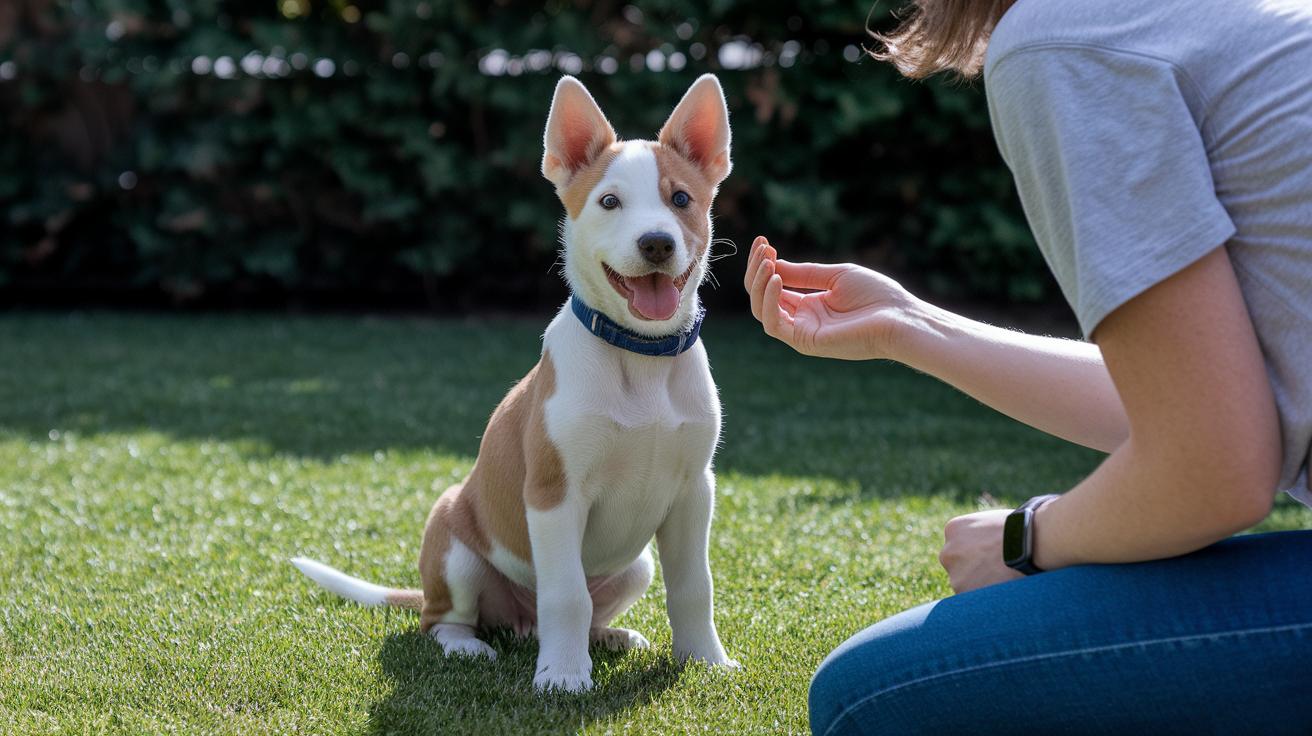
Clear, step-by-step instructions make training fun and effective for both you and your pet. When a puppy or kitten comes home, starting training right away helps them grow into a well-behaved and happy companion. Offering a tasty treat or kind praise right after a good behavior shows them they did well. Short sessions of 5 to 10 minutes several times a day keep things interesting and help your pet remember what to do.
- Pick a calm spot so your pet can focus.
- Begin with one simple command like "sit" or "come."
- Reward with an extra yummy treat or gentle praise right after they obey.
- Keep each session to about 5-to-10 minutes so your pet isn’t overwhelmed.
- Practice several times daily to build a steady routine.
- Ensure all family members use the same words and rewards so there’s no confusion.
- Gradually add new commands while reinforcing the old ones with timely rewards.
Being patient and consistent is really important. When everyone follows the same routine, training becomes a natural, enjoyable part of your everyday life.
Designing an Effective Reinforcement Schedule for Pets
Reinforcement schedules act like a trusted roadmap that guides your pet through learning new tricks. They help you figure out the perfect moment to offer a treat or a cheerful word to make your pet feel great. Continuous reinforcement means you reward every correct action, helping your pet learn quickly, though it might start to expect a treat all the time. Fixed-ratio schedules reward your pet after a set number of good responses, giving training a consistent, easy rhythm. Variable-ratio schedules keep things lively by mixing up when the rewards come, which helps the behavior stick for longer.
| Schedule Type | Description | Ideal Phase |
|---|---|---|
| Continuous | Treat every correct response | Learning initial behavior |
| Fixed-Ratio | Reward every few correct responses | Building consistency |
| Variable-Ratio | Mix up rewards randomly | Forming lasting habits |
When your pet begins to really nail the commands, it’s a sweet moment to shift from food rewards to words of praise or playful sessions. This change not only keeps them motivated but also deepens the special bond you share.
Building Trust and Reducing Stress in Positive Pet Training

A quiet spot with no distractions works wonders for learning. Open up the curtains so that natural light fills the room and keep background sounds to a minimum. Imagine a space where you only hear the soft hum of a fan and feel the gentle caress of warm sunlight. This kind of setting helps your pet feel secure and ready to learn.
Bringing in their favorite toys along with gentle praise fosters a loving bond and makes training enjoyable. Picture your dog dashing after a soft ball and immediately hearing kind words of encouragement. That little moment of reward builds your pet's confidence and trust without overwhelming them.
Keeping things consistent helps lower anxiety and forms positive habits. When everyone in the family uses the same words and rewards, your pet knows what's coming and feels cared for. Think of a training session where a steady tone and predictable steps gradually ease any tension, turning small successes into lasting peace.
Tailoring Behavior Modification Approaches to Individual Pets
Every pet has its own unique personality and learning style. When you’re planning training, think about what makes your furry friend special, like their breed traits, energy levels, or how they respond to different rewards. Some pets pick up new behaviors naturally, while others may need a little extra time and a training plan that fits them perfectly. It’s all about understanding and working with who they are.
Canine-Specific Positive Training Programs
Dogs often light up with a mix of tasty treats, a kind word, or even a favorite toy. For many pups, short, fun sessions that mix up rewards keep the training exciting and effective. You might find that a tasty treat works best when you’re playing in the yard, while gentle praise or a loving pet might be perfect during a quiet indoor moment. It’s fun to experiment a bit, see what makes your dog’s tail wag and use that to encourage good behavior.
Feline Reward Methods
Cats, on the other hand, usually enjoy a little clicker training and may be more motivated by small snacks or a playful toy. When you use a clicker to signal a good response and follow it up with a little reward, your cat will quickly learn what you’re asking for. This method, along with some gentle target training, helps build your kitty’s confidence while keeping training fun and low-key.
Watching how your pet reacts to these different approaches can help you tweak your strategy over time. Adjust what you do based on what your pet loves and understands best, so training always feels like a rewarding, happy time for both of you.
Monitoring Progress and Adjusting Positive Behavior Plans

Every day, jotting down your pet’s training activities, rewards, and new tricks is a simple way to see how they’re doing. You can even record short videos of your sessions to catch little changes that might slip by. This kind of note-taking works like a map, showing you patterns in your pet’s behavior over time. And when you notice even a small change, you can step in quickly so that tiny bumps don’t turn into bigger issues.
As your pet hits new milestones, it makes sense to mix up the rewards to keep things fun and fresh. Maybe switching a treat for some extra playtime or a heartfelt compliment will keep your furry friend motivated. Tweaking the type and timing of rewards based on your notes helps your pet learn better and stay excited about training. Keeping track of these adjustments and making small corrections along the way ensures that your training plan stays effective for both of you, and every training session feels like a joyful adventure.
Expert Insights and Success Stories in Positive Behavior Management for Pets
A trusted veterinary center has shared how gentle training builds trust and strengthens the bond between pets and their families. They explain that kind actions, like a soft word or a small treat during a session, work wonders. Warm training not only teaches your pet to follow commands but also creates a loving space where your furry friend feels understood and valued.
One pet parent shared how her little puppy grew more confident after only a few sessions of positive reinforcement. With each command like "sit" or "stay," her home filled with joyful energy. Another pet owner talked about her rescued cat, who went from being timid to displaying playful curiosity thanks to early socialization. These real-life stories show that reward-based methods can turn daily routines into special moments of joy and learning.
You can take these insights and create a loving training plan at home. Start by setting up a calm, supportive space where your pet feels safe. Celebrate small victories with praise, treats, or even a bit of play. Remember, consistency is key in building a lasting bond. Enjoy the journey of helping your pet learn and feel loved every day.
Final Words
In the action of using reward-based training, we explored methods from building trust with our pets to setting up clear reinforcement schedules. The post walked through defining key practices, step-by-step training techniques, designing smart reward systems, and tailoring approaches for our unique companions.
We also looked at practical progress tracking and expert success tips. All these strategies come together to make positive behavior management for pets a joyful, stress-free experience. Enjoy the rewarding moments with your furry friend!
FAQ
Frequently Asked Questions
Are free PDF resources available for positive behavior management for pets?
The free PDF resources on positive behavior management for pets give you a clear guide on using reward-based training to shape behavior, building trust with your pet through treats, praise, or toys.
What are the typical salary and education requirements for an animal behaviorist?
The animal behaviorist role usually demands a relevant degree or certification in animal behavior or psychology. Salaries vary widely, often ranging from about $35,000 to over $70,000 annually based on experience and location.
How does behavioral training help dogs with anxiety?
Behavioral training for dogs with anxiety uses gentle, reward-driven methods to build confidence and reduce stress, allowing your dog to replace anxious responses with calm, focused behaviors.
What does a pet behavior specialist do?
A pet behavior specialist evaluates and addresses your pet’s actions using kind, reward-based techniques, guiding you to understand triggers and strengthen the bond between you and your pet.
How can I find a dog behavioral therapist or behaviorist for anxiety?
Finding a dog behavioral therapist or behaviorist for anxiety involves checking local listings, seeking vet recommendations, and using online directories to locate certified professionals with positive client feedback.
What are the 4 F’s of dog behavior?
The 4 F’s of dog behavior describe natural reactions—fight, flight, freeze, and fawn—that explain how dogs respond when they feel stressed or scared.
What is the ABC method for dogs?
The ABC method for dogs stands for Antecedent, Behavior, and Consequence, helping you identify what triggers a behavior, what the behavior is, and the result, so you can plan a suitable reward strategy.
What is an example of positive reinforcement in animals?
An example of positive reinforcement is giving your pet a treat immediately after following a command, which builds confidence and motivates repeating the good behavior.
What are the 3 P’s of dog training?
The 3 P’s of dog training—practice, patience, and persistence—remind you to be consistent, calm, and steady in your efforts until your dog masters the commands.