

Have you ever noticed your pet brighten up at a kind word or a tasty treat? Experts say that using positive training turns a simple command into a fun, shared moment between you and your furry friend.
This kind of training means giving a treat or praise when your pet behaves well. It creates a happy link between the action and the reward. When you see the training from your pet’s point of view and keep sessions fun and short, you build lasting trust.
It all starts with a bit of understanding, plenty of kindness, and extra enthusiasm in every cue.
Expert-Approved Positive Pet Training Foundations
Positive pet training works with science-backed, force-free techniques that are all about operant conditioning. This means you reward good behaviors with treats or kind words while taking away something fun to discourage unwanted actions. For example, if your pup sits when you call, you might give a treat or a friendly “Great job, buddy!” right away to make the moment special.
There are four main ideas behind this approach. First, try to see things from your pet’s point of view; imagine the world as they do. Next, make sure all their basic needs are met, being fed, rested, and feeling safe makes a big difference. Then, focus on reward-based training where a treat, a bit of praise, or a quick play session follows a good action. Finally, avoid using fear or harsh methods so that the training stays fun and respectful. Together, these ideas help build a real bond between you and your pet.
Keeping training sessions short and regular is key. When you connect clear words or cues with a fun reward, your pet learns happily and confidently. Picture your furry friend lighting up each time their favorite treat appears, that glowing moment builds trust and cooperation over time.
By blending gentle techniques with daily care, expert-approved positive pet training shows us a kind and effective way to nurture lasting, joyful relationships.
Positive Pet Training with Reward Reinforcement Methods

When training your pet, R+ means giving your furry friend a treat or kind words right after they do something you like. This quick reward makes learning fun and clear, helping your pet understand exactly what behavior you are looking for. When you reward right on cue, your pet connects the action with a happy moment and feels excited to repeat it.
You can choose from a variety of rewards. Some pets love tasty food like regular kibble, jerky treats, cheese, cooked chicken, or even a little peanut butter. For pets that aren’t as food-motivated, a favorite toy or a short play session works wonderfully. A treat pouch is a handy tool to make sure your reward reaches your pet immediately. And a comfortable, well-fitting harness keeps them safe during every training session. It’s also smart to track treat amounts to avoid overfeeding.
Imagine your furry friend sitting perfectly on command and you quickly handing over a treat. That immediate connection feels like a tiny celebration, reinforcing their learning and building a joyful bond.
| Treat Option | Best For |
|---|---|
| Regular kibble | Everyday commands |
| Jerky-style treats | Quick, responsive behavior |
| Cheese | Celebrating a job well done |
| Cooked chicken | A lean, tasty reward |
| Peanut butter | Extra motivation |
Positive Behavior Modification Strategies for Pets
When it comes to guiding your pet, try using science-backed tips that focus on rewarding good habits and gently easing away the not-so-great ones. This method sticks with positive reinforcement (giving treats or kind words when they do something right) and a soft, calm way of removing attention when needed. By using these non-punitive techniques, you create a safe space where your pet can learn and grow naturally.
Start by noticing what sets off those unwanted behaviors. Then, build short, focused training sessions that slowly shape the actions you want through small steps. For example, rewarding a good "sit" can help stop jumping when your pet gets excited. A few simple tools, like a leash, a barrier, or even a brief timeout, can keep the process on track and help avoid setbacks. Here is a simple guide to get you started:
- Notice what triggers your pet’s unwanted actions
- Set up training sessions in a quiet, distraction-free space
- Give rewards (like a treat or praise) to reinforce the right behavior
- Calmly remove attention when unwanted behavior occurs as a gentle correction
- Keep an eye on progress and adjust your plan as your pet grows
Each step is built on careful watching and a lot of patient practice. When you stick with this laid-back, structured approach, your pet learns the right behaviors and grows to trust you as a caring friend. Over time, this method works well for pets of all ages and helps forge a lasting, joyful bond between you and your furry buddy.
Compassionate Positive Pet Training Tips from Experts

Let’s build on earlier advice by tuning into your pet’s quiet signals during upbeat, short training sessions. When your pet shows subtle signs, like a relaxed tail, a soft lick, or even a gentle yawn, it’s a friendly hint that it's time for a quick break. For example, when Bella’s tail slowed down its wag, it was her gentle way of asking for a moment to rest.
Why not add a playful twist? Try using a favorite toy or a yummy treat as a reward while you mix in warm praise. Here are a few ideas to keep things fun and engaging:
- Enjoy a quick burst of a mini game immediately after a correct response. Imagine tossing a toy for a brief moment and then rewarding your pet with a treat.
- Speak using a friendly tone and kind words to show your appreciation.
- Keep an eye out for little signals like a brief pause or subtle movement, and slow things down when you spot them.
- Limit sessions to around 5–10 minutes so they match your pet’s attention span and energy levels.
This mix of careful observation and playful rewards adds a special touch to everyday training, and helps you connect more deeply with your furry friend.
Consistent Routines in Positive Pet Training
A calm learning spot comes from keeping training sessions short and regular. Try spending 5-10 minutes at a time, two or three times a day. Using the same friendly cue every time, like a steady "sit," really helps your pet pick it up. And stick with the same gear, a flat nylon collar and a 6-foot leash, to send a clear message.
Start indoors where it’s quiet so your pet can focus entirely on you. Once your furry friend gets the hang of the cues inside, try moving the training outdoors or in a busier area. This gradual switch makes it easier for your pet to feel comfy and know what’s expected in any place.
Having training sessions at the same times each day, like during morning feeding or afternoon play, builds a routine your pet can count on. This steady schedule makes each session feel positive, fun, and relaxing.
Tailored Positive Pet Training Plans for Dogs and Cats

For Dogs
Start with a treat-based routine that builds good behavior one step at a time. Begin with the classic "sit" command using clear marker words or a clicker. Picture your dog sitting happily as you click and immediately hand over a small treat. That moment sparks their excitement to learn more. Next, introduce the "stay" command and gradually lengthen the interval with repeated, short sessions. When you practice loose-leash walking, choose a quiet space and use a flat nylon collar, a 6-foot leash, and a harness to help you guide safely. Keep a treat pouch handy so that every time your dog sits to say hello, you reward them. For greeting manners, break things into multiple short sessions with a "sit for attention" rule so your dog learns that calm behavior results in praise and good snacks instead of too much excitement.
For Cats
Shift gears to a plan that fits our feline friends perfectly. Use clicker training to introduce target-touch or recall skills. Start by clicking and offering a small treat or a kibble piece right after your cat touches a specific target, whether it's a stick or your hand. This step builds a fun connection. Encourage scratching on a proper post by rewarding visits there instead of using your furniture. Add in play with lures like a feather or a toy to inspire movement and build positive habits. Over several brief and focused sessions, your cat learns that gentle actions and targeted moves lead to treats. In this way, your cat grows more confident while keeping a harmonious home where natural behaviors are happily guided.
Innovative Positive Pet Training Tools and Techniques
Modern training has taken a fun twist with cool new tools that really keep your pet interested. These days, trainers use clickers and target sticks to mark actions right away. For example, a pet parent might say, "Click now, then treat!" This simple cue makes it clear what behavior you want and helps your pet learn in a gentle, playful way.
Interactive feeders and puzzle toys are also super helpful. They slow down mealtime and invite your pet to think a little harder to earn a treat. Plus, smartphone apps now track your pet's progress and send you reminders for training sessions, which is great for busy pet parents who want an easy way to keep tabs on their pet’s learning.
Agility and scent-work drills add even more fun by turning training into a game. Picture setting up a mini obstacle course in your backyard, where your pet zips through a tiny tunnel or sniffs out a hidden treat. This type of play reinforces simple commands while letting your pet burn off energy in a positive way.
Overall, these modern tools mix perfectly with reward-based training methods. They boost mental stimulation and add variety to your sessions, making training a low-stress, enjoyable experience for both you and your furry friend.
Monitoring Progress in Positive Pet Training
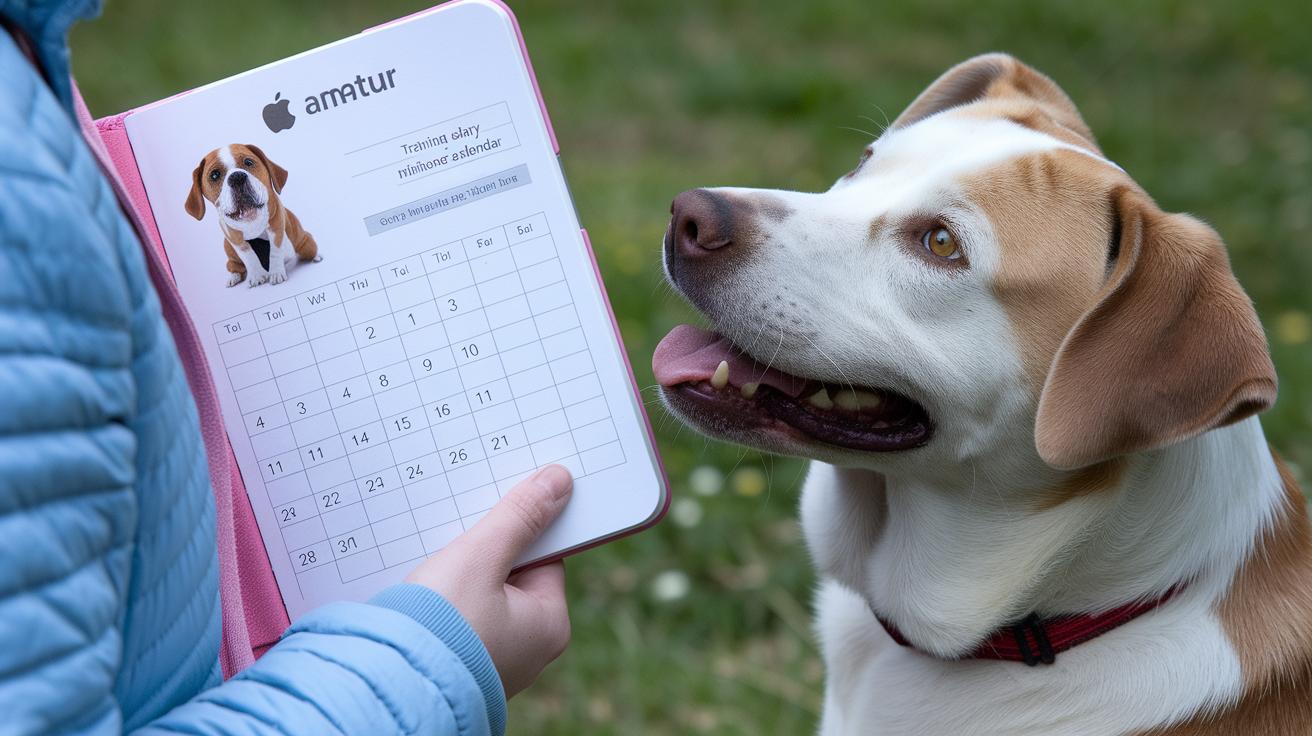
Keeping a training diary is super important for seeing how your pet is doing. Jot down the date, how long you spent training, and the specific behaviors your pet picked up during each session. This little log is like your personal report card and helps you set clear goals that are specific, measurable (you know, things you can actually track), realistic, and timely. Watching your pet hit each milestone not only shows you where they're shining but also hints at what you might want to tweak in your training plan.
For example, you could start by aiming for simple, measurable goals. Imagine getting your pet to sit on cue and hold that position for 5 seconds within a week. Next, try working on a loose-leash walk that lasts for 2 minutes over two weeks, and then move on to mastering a "stay" command for up to 10 seconds in about three weeks.
| Milestone | Target | Timeline |
|---|---|---|
| Sit on cue | 5-second hold | 1 week |
| Loose-leash walk | 2-minute walk | 2 weeks |
| Stay command | Hold for 10 seconds | 3 weeks |
Keeping track like this really helps you see the progress, fine-tune your methods, and celebrate all those little wins along the way.
Final Words
in the action, expert-backed training methods show how to gently shape your pet’s behavior with science-based techniques. We covered reward reinforcement practices, stress-free tips, and consistent routines that build a true bond with your furry friend. Our guide also highlighted tailored plans for dogs and cats, creative tools, and step-by-step progress tracking. All these ideas form some genuine positive pet training advice from experts that can help your pet thrive and brighten your home each day.
FAQ
Q: What do positive pet training advice from experts reviews say?
A: Positive pet training advice reviews emphasize science-based methods that focus on rewarding good behavior, encouraging clear communication, and fostering a strong bond between you and your pet.
Q: What does positive pet training advice from experts free offer?
A: Free expert pet training advice provides guidance on using reward reinforcement and gentle behavior modification to create enjoyable, low-stress training sessions for your pet.
Q: What are some dog training tips for beginners?
A: Dog training tips for beginners recommend short, fun sessions with tasty rewards, clear cues, and a calm environment to build your pup’s confidence and obedience.
Q: How do you train your dog to behave?
A: Training your dog to behave involves rewarding positive actions, using consistent verbal cues, and practicing every day to build a respectful and friendly relationship.
Q: How do you train a dog at home?
A: Home dog training works best with brief, daily sessions that start in a quiet space, gradually adding distractions while focusing on reward-based methods and clear commands.
Q: How can I find dog training near me?
A: Local dog training options are available through community centers, pet academies, or search tools that connect you with experts who use gentle, positive reinforcement techniques.
Q: What do dog training articles say about teaching obedience?
A: Dog training articles highlight that effective obedience comes from consistency, using clear, positive cues, and rewarding desired behaviors to build a lasting bond with your pet.