

Have you ever wondered if pet training can be a fun way to bond with your furry friend? When you use positive methods, every little step is celebrated with praise and treats (simple rewards that make them happy).
Imagine training like a game, where each correct move earns an instant reward. This approach builds trust and boosts your pet's confidence while turning every session into a joyful moment.
Soon, you’ll be celebrating small wins together, making training a rewarding adventure for both of you.
Getting Started with Positive Pet Training
Positive pet training is all about making learning fun for your furry friend by using treats, gentle petting, and kind words. Instead of punishment, you celebrate every little win. For example, when your pet sits nicely, reward them right away with a tasty treat.
This gentle method avoids yelling or shocks that might leave your pet confused or scared. Instead, it builds trust and confidence, making training a much more relaxed experience for both of you.
Rewarding good behavior does more than train commands – it deepens the bond you share with your pet. Techniques like clicker training help mark the right behavior, turning each session into a fun and rewarding time together. Ever noticed how a wagging tail can brighten your day? Each moment of praise and reward keeps your pet eager to learn and strengthens your happy connection.
Positive Reinforcement Step-by-Step Process

Step 1: Encourage the Desired Behavior
Keep a close eye on your pet and watch for that moment when they do something good. When you see it, grab one of their favorite toys or a yummy treat to nudge them in the right direction. Like if your dog looks up at you when you give a cue, that's a perfect time to cheer them on. This sets the scene for a fun and engaging session.
Step 2: Reward Immediately
Right when your pet shows the good behavior, give them a treat. A small, tasty reward right away makes it clear that their action was awesome. For more treat ideas, check out House training rewards and incentives. Rewarding quickly helps your pet link the good action to a positive experience.
Step 3: Practice Consistently
Repeat the action several times in short, daily rounds. Regular practice helps your pet understand what you want and builds their confidence. Each time they perform the behavior, the connection to the reward grows stronger, making learning feel natural and fun for both of you.
Step 4: Transition from Treats
When your pet is doing the trick every time, start swapping out treats for other rewards like lots of praise, petting, or even a favorite toy. This gentle change keeps them motivated and shows that your love and attention are the best rewards of all.
Core Commands in Positive Pet Training for Beginners
Begin with easy commands that build a solid base for fun, positive training. These signals help shape behavior, improve the conversation between you and your pet, and make your bond even stronger. Keeping sessions around five minutes keeps your furry friend interested and excited to learn new moves.
| Command | Purpose | Ideal Use |
|---|---|---|
| Sit | Helps manage behavior and feelings | Great for greetings or wait times |
| Touch | Guides positions and sets up fun tricks | Good for switching between commands or moving around |
| Give a Paw | Boosts your bond with a playful trick | Perfect for light, fun training sessions |
| High-five | Improves cue clarity and rewards friendly fun | Ideal during playtime and positive interactions |
| Lie Down | Builds obedience during longer practice sessions | Helps calm your pet in quiet settings |
| Spin | Adds a playful twist and visual fun | Perfect for keeping focus and excitement high |
Teaching these six simple commands opens the door to clear communication and a joyful training routine. Every command is made to be both fun and useful, so your pet picks up good manners while having a blast. Whether you're calming a hyper pup or simply wanting to share playful moments, these commands offer a warm and effective way to grow closer every day.
Implementing Clicker Techniques in Beginner Pet Training

Clicker Training for Dogs
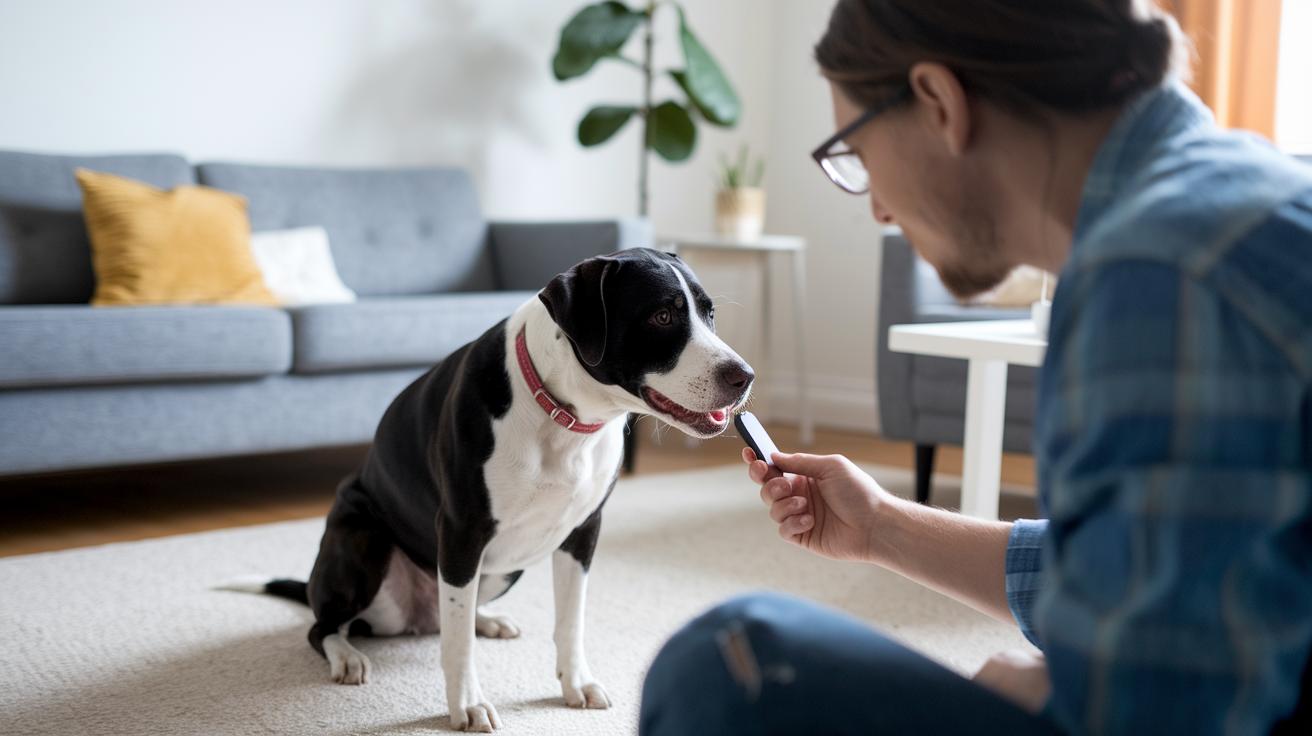
Clicker training is a fun and clear way to show your dog which behaviors you love. When your pup does something right, you give a quick click and then a treat right away. The click marks the exact moment they did something good, almost like saying, “Good job!” This clear signal makes it easier for your dog to know what you’re asking for, and it even helps build a stronger bond between you two. Using a trusty clicker and a treat pouch can really make your training sessions smoother. And if you’re in the market for great gear, check out amazon pet accessories.
Clicker Training for Cats
Cats can enjoy clicker training too, though they sometimes need a softer, gentler approach. Even a tiny, playful move can be celebrated with a click. Just like with dogs, the timing matters: click and then offer a treat immediately to help your cat understand the connection. This method turns learning into a little game that makes training fun and rewarding for your furry friend. By repeating this process, you help your cat feel comfortable and connected during every session.
Building a Trusting, Stress-Free Training Environment
Creating a calm place for training is a game changer when it comes to helping your pet feel safe and focused. A quiet room with few distractions lets your furry friend learn naturally while building trust with you. Keeping a regular setup, where your pet knows what to expect, can really ease anxiety and improve behavior. Ever notice how predictability makes your pet feel more secure? It all ties back to how our surroundings influence training success.
Using gentle tools and soothing treats makes a big difference too. Treats like CBD Edibites in fun flavors such as peanut butter or bacon can help calm your pet during a session. Add in a favorite toy and some soft background music, and you’ve created a space that comforts and encourages positive learning. It’s a simple way to turn training into a relaxed, enjoyable time.
Pay attention to your pet’s signs. A relaxed stance or a little head tilt means they’re comfortable, while pacing or tucked ears might signal stress. By watching these cues, you can tweak the environment or slow down the pace to better match your pet’s needs. This approach keeps every session light and stress-free.
Overcoming Common Challenges in Beginner Positive Pet Training
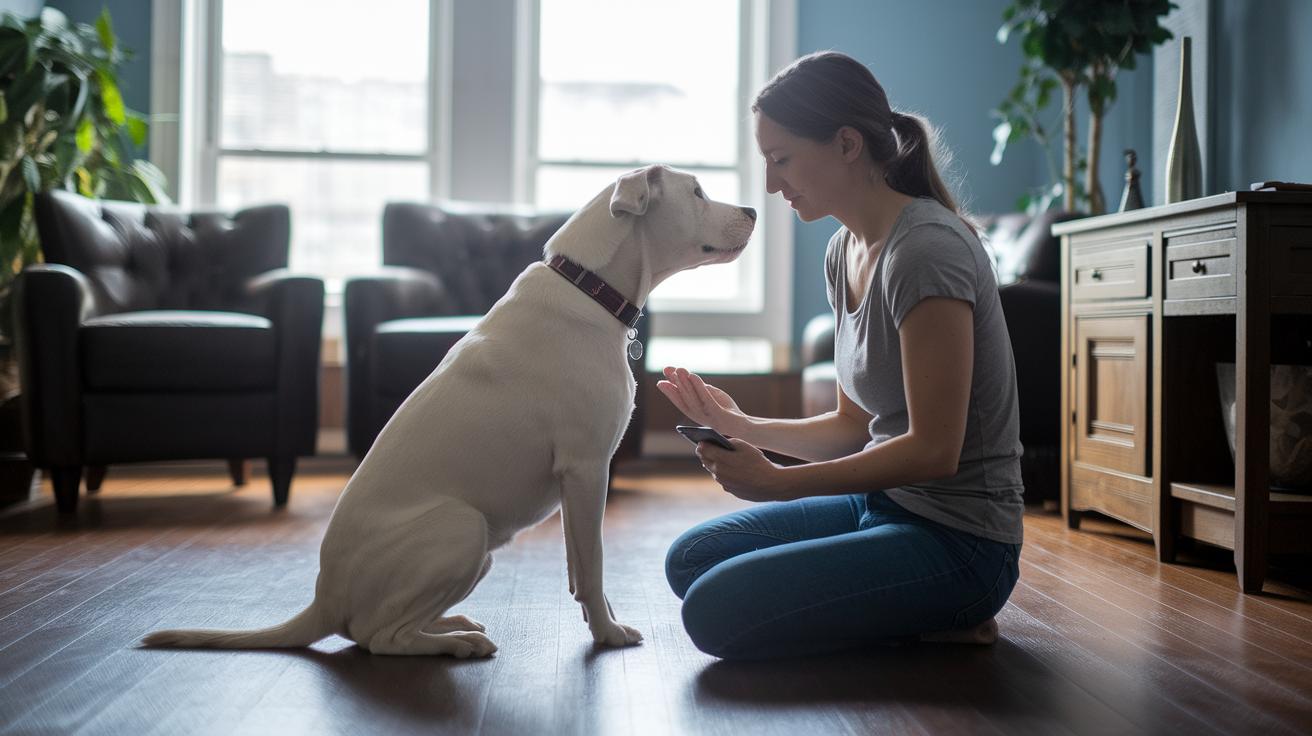
Short, 5-minute training sessions work great to keep your pet’s focus, though you might bump into a few common hurdles when you start out. Sometimes, mixed signals and a choppy routine leave your furry friend feeling a bit confused. But with patience and clear, gentle instructions, you can build a trusting bond, no harsh punishment needed. Regular practice with a few handy tools really makes a difference.
- Short attention span: Keep your sessions fun and brief. Throw in a playful break to hold your pet’s interest.
- Inconsistent cues: Always use the same clear signals so your pet isn’t left guessing.
- Environmental distractions: Pick a quiet, familiar spot that keeps interruptions to a minimum.
- Limited socialization: Arrange controlled play dates where your pet can meet others in a positive setting.
- Reliance on punishment: Focus on rewards and kind praise to celebrate good behavior.
- Irregular training schedule: Try using a House training progress tracker for puppies to keep a steady routine and watch your progress.
Regular, gentle training not only stops setbacks but also supports your pet in growing happier and more confident every day.
Tracking Progress and Celebrating Milestones in Positive Pet Training
Keeping track of your pet’s progress can be fun and simple. Start by noting easy-to-measure things like how often your pet follows a command, how long your practice sessions last, and little signals of stress or comfort you notice in their body language. These simple observations, like a wagging tail or a twitching ear, give you a clear picture of how well your pet is doing and help you tweak each session to match their pace.
Every small win deserves a little celebration. When your pet makes progress, reward them with extra playtime, a bit more petting, or even their favorite toy. Taking a moment to cheer on these improvements, whether it’s a quicker response or a calmer way of behaving, boosts their confidence and builds habits that will lead to even more success in training.
FAQs About Positive Pet Training for Beginners
Q1: How long should my training sessions be?
Keep your training sessions short, around 5 minutes. This helps keep your pet interested and makes each moment fun. For more handy tips on planning sessions, check out our session planning section.
Q2: What kinds of rewards work well?
Consider using tasty treats, a clear click sound, or a bit of friendly petting to celebrate good behavior. A simple "Good job!" at just the right moment can really make a difference. For more ideas on timing rewards, see our rewards section.
Q3: What should I do if my pet doesn't respond?
If your pet seems to ignore you, try cutting back on distractions and use simpler commands. This way, your pet can focus better. If you need more tips, our troubleshooting guidelines in the main text have got you covered.
Q4: How can I train a dog differently from a cat?
Dogs often love an interactive, playful approach, while cats usually do better with a gentler touch. We have separate sections for dog and cat training that dive deeper into matching the right techniques to each pet's personality.
Q5: How can I reduce stress during training?
Choose a quiet, familiar space and stick to a consistent routine to help create a calm learning environment. For more ideas on setting up a peaceful training space, take a look at our environment setup advice.
Final Words
In the action of using reward-based methods, we unpacked easy-to-follow steps, from clear commands and gentle reinforcements to clicker tips and creating calm training spaces. We shared real examples of how short, fun sessions build trust and strengthen bonds.
Small wins matter, and each focused moment encourages a more joyful training experience. With clear guidance and timely rewards, positive pet training for beginners can lead to a happy, trusting bond with your furry friend.
FAQ
What is the 10 10 10 rule for puppy training?
The 10 10 10 rule for puppy training signifies a balanced session of 10 minutes of exercise, 10 minutes of structured training, and 10 minutes of calm bonding to keep your puppy engaged without overwhelming them.
What is an example of positive reinforcement in dog training?
The example of positive reinforcement in dog training includes giving your dog a treat after they sit, which quickly rewards the behavior and encourages them to repeat it happily.
What are the 5 D’s of dog training?
The 5 D’s of dog training is a mnemonic often used to represent principles like direction, demonstration, distraction management, duration control, and consistency that guide a gentle training approach.
How to train your dog positively?
The approach to training your dog positively involves using treats, praise, and gentle guidance to reward good behavior, building a trusting, supportive environment that helps foster lasting good habits.
What is negative reinforcement dog training?
Negative reinforcement dog training involves removing an unpleasant stimulus when your dog exhibits a desired behavior, which can sometimes confuse and stress pets compared to more affirmative, reward-based methods.