

Ever wondered if your kitty might enjoy a little outdoor adventure? It may sound a bit unusual, but plenty of pet parents are teaching their cats to use a leash for some calm, shared moments.
With the right harness and a few yummy treats, you can turn a simple walk into a delightful bonding time. Picture the soft padded steps on the sidewalk and the gentle rustle of leaves as your furry friend explores at their own pace.
Start by letting your cat get comfortable with the harness at home. Then, take it slow with a short stroll around the yard or your quiet neighborhood. You might even notice a curious purr or a little wiggle in approval as they discover the world beyond your door.
Before you know it, these walks will become a cherished routine, bringing you both closer together. Have you ever seen the joy in a pet’s eyes on a sunny day? Give it a try and see the magic unfold.
Step-by-Step Guide to Training a Cat on a Leash
-
First, gather your gear. Think of this as putting together your pet’s little adventure kit. You’ll need a secure harness, a lightweight leash, a clicker (or any marker you fancy), some tasty treats, and a calm, quiet space for training.
-
Next, bring the harness indoors. Place it by your cat’s favorite nap spot so they can sniff it out and get curious. Give your furry friend time to get used to this new item before trying to put it on.
-
Now, gently put the harness on your cat. Choose one that can be adjusted and fits comfortably, snug but not too tight, just like a soft sweater on a cool day. This way, your cat stays safe and feels cozy.
-
Make the harness a positive thing. Pair it with treats and a clicker so that every time your cat behaves calmly with it on, they get a little reward. You know, it’s like saying, “Hey, this is fun!”
-
Start with short indoor walks. Let your cat roam around in a quiet room while the leash gently trails behind them. Keep these sessions short, about five minutes, so your pet can slowly build trust.
-
Then, try a safe outdoor spot. Choose a quiet yard or a small enclosed area, and take your cat on short walks for about five to ten minutes. It can be a whole new world of fun for them.
-
Finally, gradually extend the time and explore new places. Pay close attention to your cat’s signals, like a twitching tail or a low crouch. If they seem stressed, slow down and let things happen at their own pace.
Selecting and Fitting the Best Harness for Leash Training
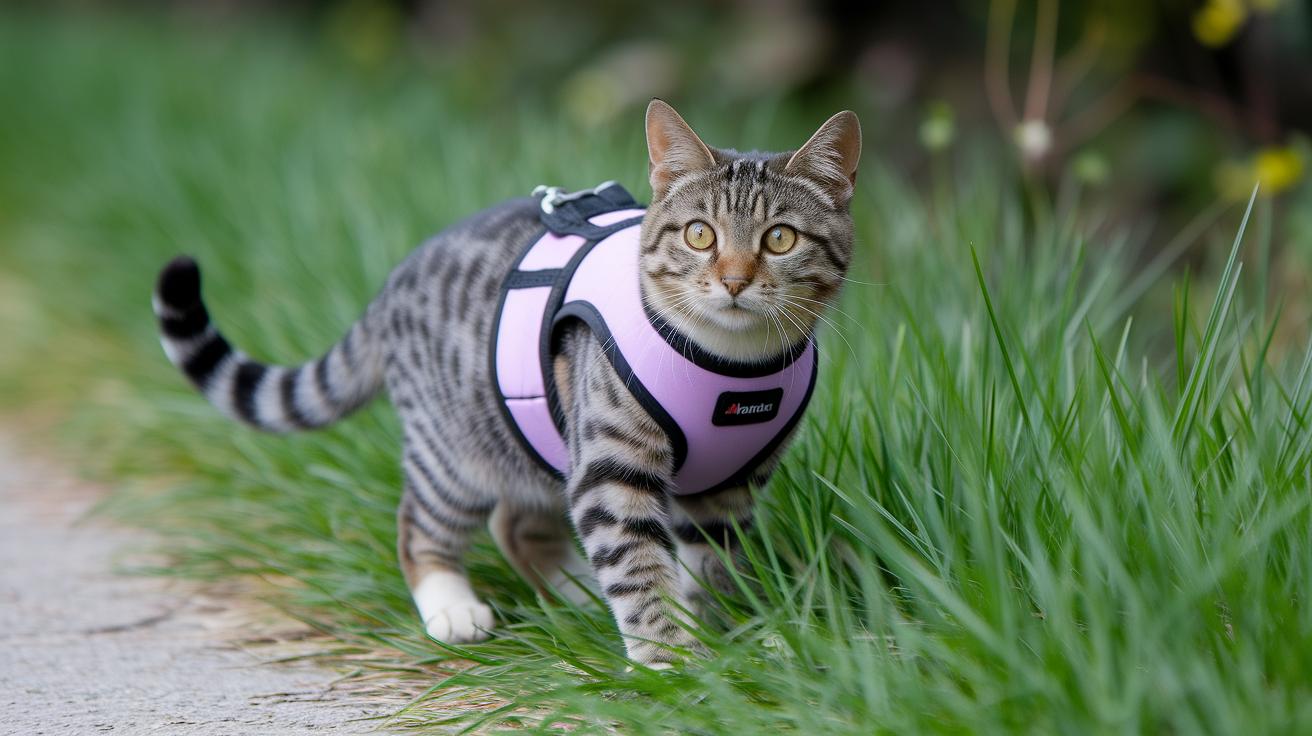
Finding a harness that fits your cat just right is key to making walks safe and fun. A snug and adjustable harness stops your cat from slipping out while keeping it comfy on every little adventure. Every design has its own cool benefits, so knowing which style matches your cat’s personality and body needs is a great place to start.
-
Vest style
This style wraps around more of your cat’s body for extra security. It’s easy to adjust, so even a kitten can wear one comfortably. Some even have reflective stitching for when the light is low.
Imagine your cat, snug in a mini vest, ready for a gentle stroll. -
H-style harness
The H-style has a clear, simple design. It adjusts quickly and feels lightweight while still keeping your cat secure. This is perfect if your furry friend loves exploring without extra bulk.
Picture a happy kitty, sporting an H-style harness, feeling safe and free. -
Figure-eight harness
This design fits closely and evenly around your cat’s body, giving a secure yet comfy hold. It works well whether your cat is a relaxed walker or an adventurous explorer.
Think of it as a friendly hug that keeps your feline secure.
These harness options, all with adjustable fits and secure clasps, help set up lots of happy outdoor moments with your cat.
Indoor Acclimation Techniques for Cat Leash Training
Start by setting up a calm space full of rewards. Imagine a quiet room with gentle sounds in the background and your favorite treats close at hand. Begin by making the harness seem like a fun new toy rather than something scary. A steady, friendly approach helps your cat see that this new accessory can bring both play and tasty treats.
-
Let your cat take a good sniff of the harness for about 3 to 5 minutes each day.
Example: Think of it like your kitty going on a mini adventure in a new area. -
Lay the harness gently over your cat’s shoulders for 2 to 3 minutes without fastening it.
Example: Picture your cat getting used to a soft, light wrap, much like a cozy, airy blanket. -
Secure the harness loosely for 1 to 2 minutes and let your pet relax into it.
Example: It's like giving a quick, gentle hug before a delicious treat comes next. -
Over the next week or two, slowly lengthen the time your cat wears the harness in little steps.
Example: Each day, add just one more minute until your cat feels comfortable and calm. -
Use a clicker or a little marker paired with treats in a quiet room to build happy vibes about the harness.
Example: Click, treat, and repeat until the harness feels just right for your furry friend.
Introducing the Leash: Transitioning Your Cat Outdoors

Let’s explore a gentle, friendly way to help your cat enjoy the outdoors. Start by picking a quiet spot where your cat can relax. Begin with short trips, around 5 to 10 minutes, and gradually add 2 or 3 extra minutes as your kitty becomes more comfortable. It's like slowly opening a window to let in a soft breeze rather than a sudden gust.
To keep things positive, introduce a fun reward during these outings. For instance, use a clicker to mark every little success. Think of each soft click as a little cheer for your cat’s bravery, turning hesitant moments into confident steps. This creative twist enriches the guide, giving your cat a smoother transition without feeling overwhelmed.
Troubleshooting Training Issues When Training a Cat on a Leash
Watch your kitty closely for signs of feeling overwhelmed. If you see your cat crouching, freezing, or widening its eyes, or if it starts mewing during a leash walk, it might be asking for a break. These little cues mean the situation is too much for now. When that happens, try keeping your training sessions short, just 1 or 2 minutes. For example, if your cat hesitates, pause and offer a tiny treat like a couple of small chicken pieces cut from the kitchen. Even a small adjustment, like loosening or tightening the harness by one or two fingers, can help keep your cat comfy and secure.
Not every cat will take to leash walking right away. In fact, about 10 to 20 percent might never fully warm up to wearing a harness. When you hit a roadblock, think about swapping out rewards or trying other outdoor fun that fits your kitty’s vibe. With a few tweaks and plenty of patience, you can ease your pet’s anxiety and help create more relaxed and joyful outings.
Expert Advice and Success Stories for Cat Leash Training
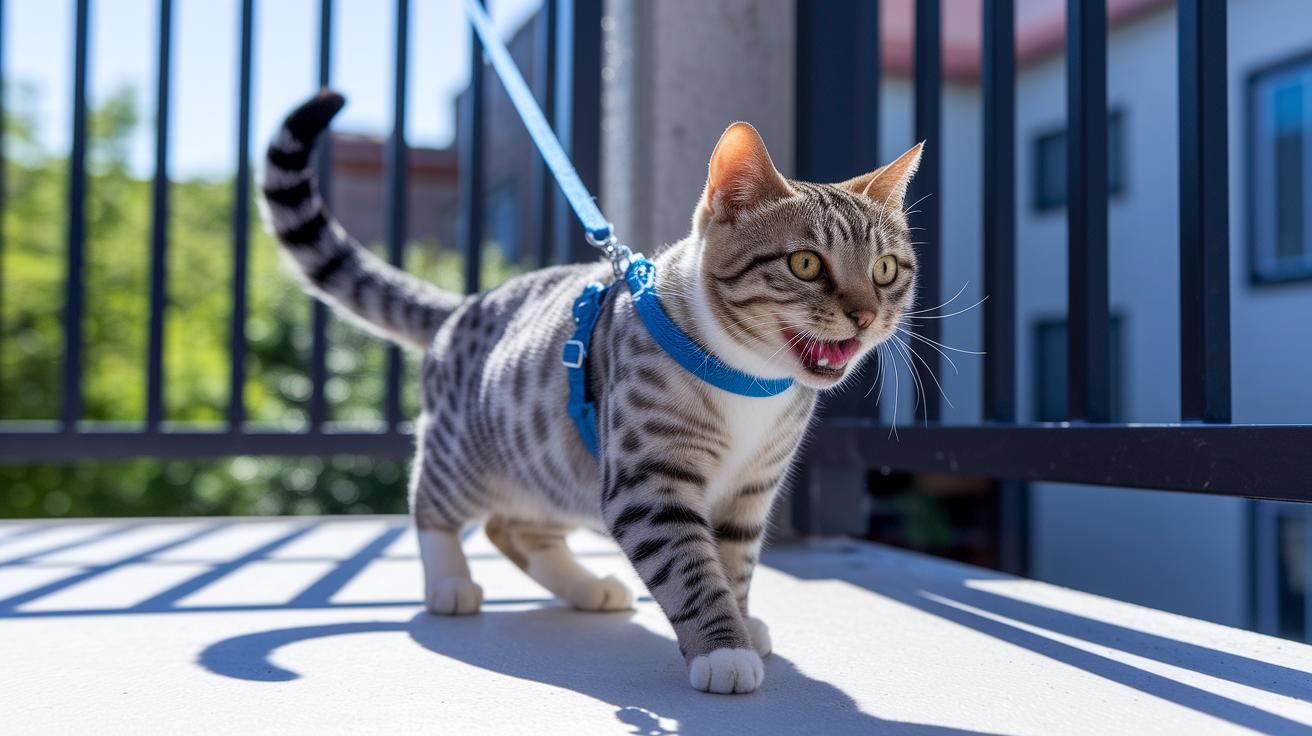
Veterinarians and behavior experts suggest holding three 10-minute training sessions each week. Keeping your routine steady builds your cat’s trust while turning each outing into a fun little adventure. They also advise mixing in some treats so your kitty remains excited and focused.
One heartwarming story tells of a cat that learned leash walks in just four weeks using clicker training. Every time the little feline made progress, a quick click and a yummy treat transformed hesitation into pure excitement. Just picture your cat strutting happily along, each step a small win.
Another pet took about two months to get comfortable but now enjoys daily balcony strolls. The owner stayed patient, adjusting the pace and celebrating every small breakthrough. These true tales remind us that with steady care and positive rewards, leash training can become a joyful experience for both you and your cat.
Training a Cat on a Leash: Happy Walks
Start by planning a weekly walking schedule that suits your cat’s natural rhythm. Try for two to three walks each week, each lasting about 10 to 15 minutes. A good time to go is after breakfast when you both feel fresh and ready for fun. These regular walks can help keep your cat at a healthy weight and offer a little mental boost as they explore the outdoors. And if your cat has lots of energy, even a quick five-minute stroll every day can do wonders. Imagine your cat waiting eagerly at the door, tail flicking happily as the next adventure draws near.
Keep all your essentials handy before heading out. Have a treat pouch, a leash clip, and a small, portable water bowl ready to go (you can check out more pet essentials at pet essentials). This gear helps make every outing smooth and fun. Stick to your routine, and your cat will soon see these walks as a time for enjoyment and security on each little outdoor journey.
Safety and Comfort Essentials for Leash Walks with Cats

Before you head out, take a moment to check your cat’s harness. Look closely at every clip and seam to be sure everything is secure. Think of it as your little safety check before a fun stroll.
Next, choose a quiet path or a calm park where your cat can feel safe. If it’s a hot day, limit their time in the sun to about 20 minutes. On a chilly day, keep it to just 5 minutes. A short break with a drink of water or a move to the shade goes a long way.
On your walk, watch for signs that your cat might be uneasy. A quick flick of the tail or a brief pause could mean it’s time to slow down or take a break. Keep a small bottle of water handy and gently wipe their paws if you've walked over gravel or salted areas. These little steps help ensure your furry pal stays comfortable and ready for more playful moments.
Final Words
In the action, we walked through the steps needed for cat leash training. We talked about picking the right harness, teaching your cat to feel comfy indoors, and easing into fun outdoor walks. We also covered what to do if your cat seems unsure and shared real success stories to encourage you. This step-by-step guide offers a clear way forward when training a cat on a leash. Keep things calm and steady, and soon you’ll both enjoy those outdoor moments together!
FAQ
How do I start leash training my cat, even if it’s your first time?
Starting leash training means slowly introducing your cat to a secure harness indoors with treats and short sessions. Gradual steps help your cat feel safe before moving outdoors.
Is walking a cat on a leash cruel?
Walking a cat on a leash is not cruel when done gently. It gives them mental stimulation and exercise, so long as you keep sessions short and stress-free.
What age is best for leash training a cat, and is it too late for older cats?
Kittens adapt quickly due to their small harness needs, though older cats can learn too. With patience and careful timing, any age can be a good time to start leash training.
How long does it take to leash train a cat?
Leash training can take a few weeks to several months. The pace depends on your cat’s comfort level and gradual exposure to new experiences.
Is leash training beneficial for cats?
Leash training provides mental enrichment and exercise. It can boost your cat’s confidence and offer a safe way to enjoy the outdoors.
Can a cat be trained to walk without a leash?
While cats might roam on their own, a leash keeps them safe and close by. Without a leash, they risk wandering off or facing hazards outside.
Should indoor cats go on walks outdoors?
Indoor cats can enjoy outdoor walks if introduced gradually. Short, calm outings in quiet spots help them safely explore new sights, smells, and sounds.