

Have you ever noticed how a soft word can work wonders with your pet? Gentle training that skips punishment fills our furry friends with real confidence. When you celebrate even the tiniest win, a wagging tail, a perked ear, it shows them there’s nothing to fear about learning.
Instead of letting stress rule their day, reward-based methods build trust and happiness. In this article, we chat about how using kind, clear cues instead of harsh discipline sparks joyful growth in your pet. Every training moment then turns into a little celebration of success.
Core Principles of Training Without Punishment for Pets
When you use punishments, your pet might feel stressed or confused. The idea behind punishment is to scare your pet into obeying, and that fear can slowly weaken your special bond. Instead, reward-based training is all about celebrating when your pet gets it right. Whether it’s a tasty treat, a kind word, or a favorite toy, these little rewards help your pet feel safe, happy, and understood.
Reward-based training shows that your pet isn’t being stubborn on purpose. Sometimes they miss a cue simply because they need a clearer signal or a cozier setting. When your pet growls or acts out, it might be their way of saying they have some unmet needs instead of trying to defy you. Methods like clicker training paired with rewards gently guide them toward good behavior and build trust day by day.
| Key Principles |
|---|
| Clear, simple cues |
| Precise timing of rewards |
| Consistent routines |
| Shaping behavior in small steps |
| Addressing emotional triggers |
| Choosing rewards over corrections |
| Optimizing the training environment |
These core ideas guide every force-free training session, showing that teaching with kindness really does work. Whether you’re trying out reward-based techniques or exploring other force-free methods, every moment with your pet can turn into a joyful step toward lasting, positive change.
Setting Up A Force-Free Learning Environment
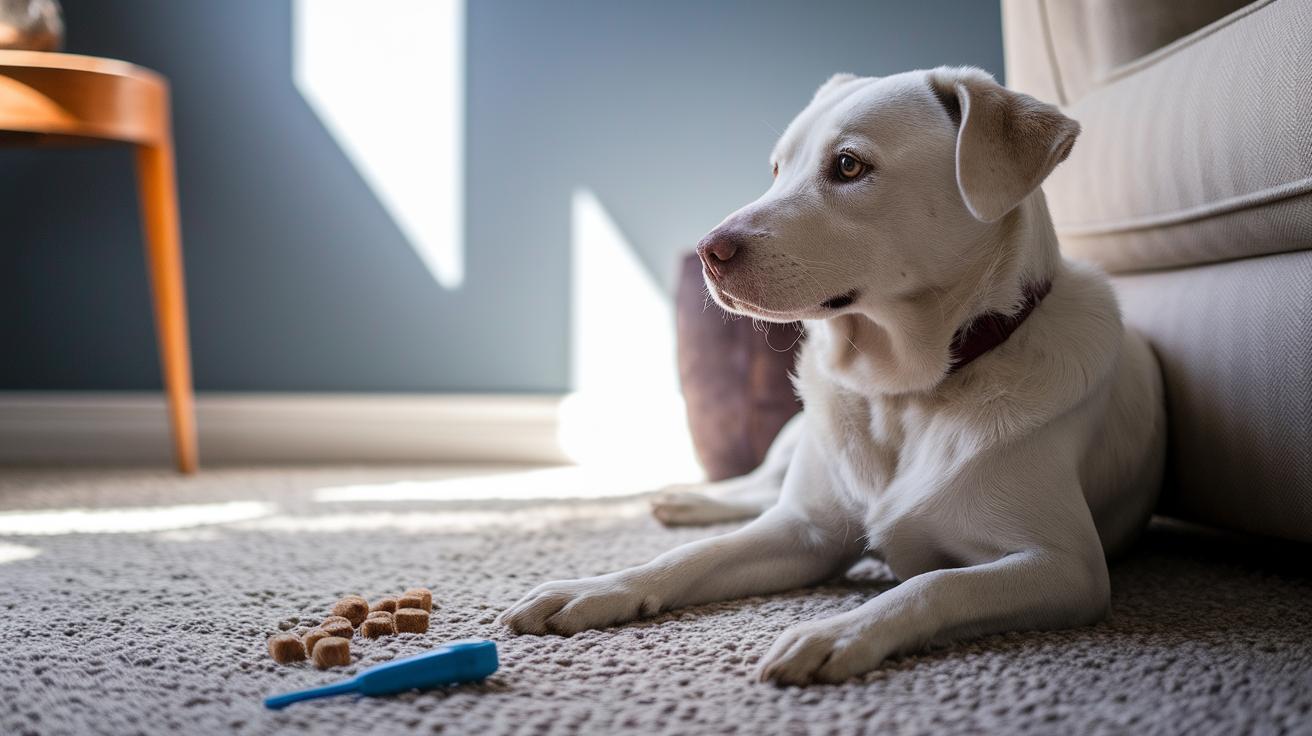
Creating a peaceful spot makes a big difference in your pet's stress-free learning. When your furry friend isn’t bombarded with distractions, they can really tune into the training. Choose a quiet area free from loud noises and interruptions, one that invites gentle, natural learning methods.
Pick a place in your home where your pet feels comfortable, a little room or a cozy corner works well. Keep training sessions short, around five minutes, so they stay engaged without feeling overwhelmed. Gather a mix of rewards like yummy treats or favorite toys to add fun. Use a consistent marker, like a clicker or a special word, to signal when it’s time to start or stop. This caring approach not only eases stress but also builds trust, making every session a happy time to learn.
This simple setup, with its calm space, brief sessions, and tasty rewards, lays the groundwork for humane pet training. By keeping things organized and stress-free, you help your pet enjoy learning in a joyful, effective way.
Effective Reward-Based Techniques for Pet Learning
Reward-based training is a friendly, gentle way to help your pet learn without feeling scared. You can use small treats, fun toys, affectionate words, or a quick play session. These rewards let your pet know exactly what behavior you love, and they help build a strong, loving bond between you. For example, when your pet makes eye contact while following a cue, a tiny treat or a cheerful “Good!” shows them right away that they did well. This kind of feedback not only speeds up learning but also lowers any signs of stress. It works by easing any underlying worries, turning training into a fun, relaxed moment rather than a hard task.
| Technique | Description | Practical Tip |
|---|---|---|
| Treat Reward | Small, soft treats that give instant joy. | Keep treats tiny so you can reward often. |
| Clicker Training | A short sound marking the moment your pet succeeds. | Click and then quickly offer a treat. |
| Toy Incentive | A brief play session that feels like a fun reward. | Use toys that really spark your pet’s interest. |
| Verbal Praise | A heartfelt “Good!” that makes your pet feel appreciated. | Keep your tone lively and warm. |
Mixing up these rewards keeps training fresh and exciting. When your pet wonders what surprise comes next, a favorite treat, a playful toy, or some kind words, it lessens any boredom and keeps their energy high. By swapping rewards regularly, you create different positive experiences that encourage great behavior. Each training session becomes a joyful, engaging lesson that strengthens the special connection you share with your pet.
Training Without Punishment for Pets Sparks Joyful Growth

Sometimes our pets act tough or seem on edge because they're really scared or unsure, not because they're trying to take charge. We can help by spotting what might be bothering them and using little rewards to celebrate calm moments. This way, you let your pet feel safe and grow at their own pace.
Handling Aggression
When your pet growls or stands very still, it might just be fear showing. Notice these small signals early on. If you can, gently move them away from what’s upsetting them and give a quick treat or kind word for a calm posture. It’s all about guiding them with care.
Managing Leash Pulling
A tight tug on the leash might seem like being stubborn, but it can mean your pet is either distracted or feeling uneasy. Try to catch the moment when the leash goes soft. Mark that moment with a little click or treat, then keep walking without any sudden jerks. This gentle approach helps them learn that a relaxed stroll is a happy one.
Overcoming Fear Responses
Pets often get jumpy or scared when faced with something new. Slowly introduce whatever is causing the fear with small, easy steps, pairing each step with a favorite treat. This method builds their confidence little by little, so they can handle new sights or sounds in the future.
Each of these tips is part of a kind approach that respects your pet’s feelings. When you see behaviors like aggression or pulling as calls for gentle help, you’re opening the door to a training experience filled with kindness, trust, and joyful growth.
Avoiding Pitfalls in Non-Punitive Pet Training
When training your pet gently, it’s all about using clear signals and rewards right when they do something good. If you wait too long to praise or if your cues are mixed up, your pet might get confused about what behavior earns that treat. This can lead to frustration and slow down their progress. Keeping your signals consistent builds trust and shows your pet exactly what you expect.
Even small slips, like a harsh tone or a sudden movement, can feel a lot like punishment. A raised voice or a quick gesture might make your pet anxious, which muddles the learning process. So pay attention to how you speak and move. This way, your pet feels safe, supported, and ready to learn without fear.
Relying on strict, one-size-fits-all methods ignores the fact that every pet learns at their own pace. Each pet sends subtle signals that hint at their unique needs. When you choose kind, positive training techniques, you give your pet room to learn in a stress-free way. This gentle, customized approach not only helps your pet thrive but also deepens the loving bond you share.
Benefits and Long-Term Outcomes of Kindness-Based Pet Training

Reward-based training is like a comforting hug for your pet. It eases stress signals they show day after day, helping them feel safe and at ease. You might notice your pet’s ears softly drooping or their body relaxing after a session, tiny signs that say, "I'm calm now." Even a small treat can work wonders, quietly soothing their tension while boosting their overall well-being.
Over time, these kind methods help build a deep bond between you and your furry friend. You might catch your dog giving you warm, soft eyes or wagging their tail with delight. Each training moment turns into a shared experience filled with trust and care, strengthening the special connection you both share.
Regular reward-based practice is like a steady stream of calm that reduces chronic stress. With every kind gesture, your pet not only learns to respond quickly but also shifts to a happier, more relaxed state. In everyday interactions, you’ll see improved cooperation and a noticeable drop in anxiety, making training sessions fun and full of confidence for both of you.
Final Words
In the action, we explored how using reward-based strategies and clear, simple cues helps your pet thrive. The article showed that training without punishment for pets brings out friendly, trusting behavior while easing everyday challenges.
We also discussed creating a calm, focused space where positive reinforcement builds lasting bonds. Keep these gentle, step-by-step techniques in mind as you support your pet’s growth, and celebrate every small win along the way.
FAQ
Q: Training without punishment for pets reddit
A: Training without punishment for pets on Reddit highlights community insights about using kind, reward-based methods instead of fear-based tactics. Pet owners share success stories and tips for positive reinforcement in a supportive space.
Q: Negative punishment dog training
A: Negative punishment dog training means discouraging unwanted behaviors by removing something pleasant when a misstep occurs. This approach helps guide your pet with clear signals rather than using forceful corrections.
Q: How to discipline a dog that doesn’t listen
A: How to discipline a dog that doesn’t listen involves using calm, reward-focused strategies instead of harsh punishments. Redirect your pet to the desired behavior and promptly praise them to build trust and better response.
Q: Dog training without treats book
A: Dog training without treats book refers to books that offer methods using alternatives like play, praise, or toys instead of relying solely on treats. They provide strategies to keep training fun and stress-free for your pet.
Q: Treat training vs non treat training
A: Treat training vs non treat training compares using food rewards with alternatives such as verbal praise, playtime, or affection. Using a mix sometimes boosts your pet’s engagement and helps maintain variety during learning.
Q: How to discipline a dog for peeing in the house
A: How to discipline a dog for peeing in the house means addressing it with a focus on reestablishing house training routines. Redirect your pet with calm guidance and reinforce preferred behaviors through positive attention.
Q: Four quadrants of dog training
A: The four quadrants of dog training express how actions can be reinforced either by adding or removing rewards or consequences. This concept illustrates that focusing on positive reinforcement is key to encouraging desirable pet behavior.
Q: Operant conditioning dog training
A: Operant conditioning dog training means shaping behavior through consequences. Reward desirable actions and remove incentives for unwanted behaviors so your pet learns by connecting their actions with consistent outcomes.
Q: How to train dogs without punishment?
A: How to train dogs without punishment involves applying reward-based techniques, clear cues, and supportive environments. This method encourages learning through positive reinforcement, building trust and a lasting bond with your pet.
Q: Why doesn’t punishment work in dog training?
A: Why punishment doesn’t work in dog training is because it often creates fear and stress. Reward-based methods encourage calm responsiveness, foster trust, and help your pet learn behaviors without fear or anxiety.
Q: What is the 123 method for dogs?
A: What the 123 method for dogs means is using simple, sequential steps—cue, action, reward—to shape behavior. This clear structure helps your pet quickly connect what’s expected with a satisfying reward.
Q: What is the 3 second rule in dog training?
A: What the 3 second rule in dog training means is giving your pet a brief window to respond to a cue before rewarding promptly. This quick feedback loop reinforces the connection between your pet’s actions and the positive outcome.