

Have you ever noticed how a fun game can sometimes be better than treats when training your pet? Playing together lights up their eyes and deepens the bond you share. Instead of always handing out food treats, using a favorite toy or game turns training into a joyful, shared adventure. Your pet learns to link words with actions naturally, and that makes each session both lively and unforgettable. In this post, we’re diving into how playful rewards can keep training fun and effective for both of you.
Core Steps for Reward-Based Pet Training with Play
Using play as a reward can turn training into a fun, shared moment for you and your pet. It’s not just about food treats; playful rewards build a strong bond, much like how a warm, playful hug can brighten a gloomy day.
-
Find your pet’s favorite game or toy
For example, if your dog loves chasing a ball, that ball becomes their favorite treat. -
Pair a clear word or signal with giving the toy
It’s like saying, "Good job!" right before you toss the ball, so your pet knows fun play is coming. -
Give 30–60 seconds of play right after a good response
This short burst of play turns each correct moment into a little celebration. -
Slowly use fewer food treats as play steps in
When your pet starts linking good behavior with fun play, let the food treats fade so play stays at the center.
Keep an eye on your pet’s body language. Notice if their ears perk up or their tail starts wagging, that’s their way of showing excitement. If they seem distracted or tired, try shortening the play or switching up the game. This way, both of you stay energized and enjoy every training moment.
Benefits of Play Based Positive Reinforcement in Pet Training
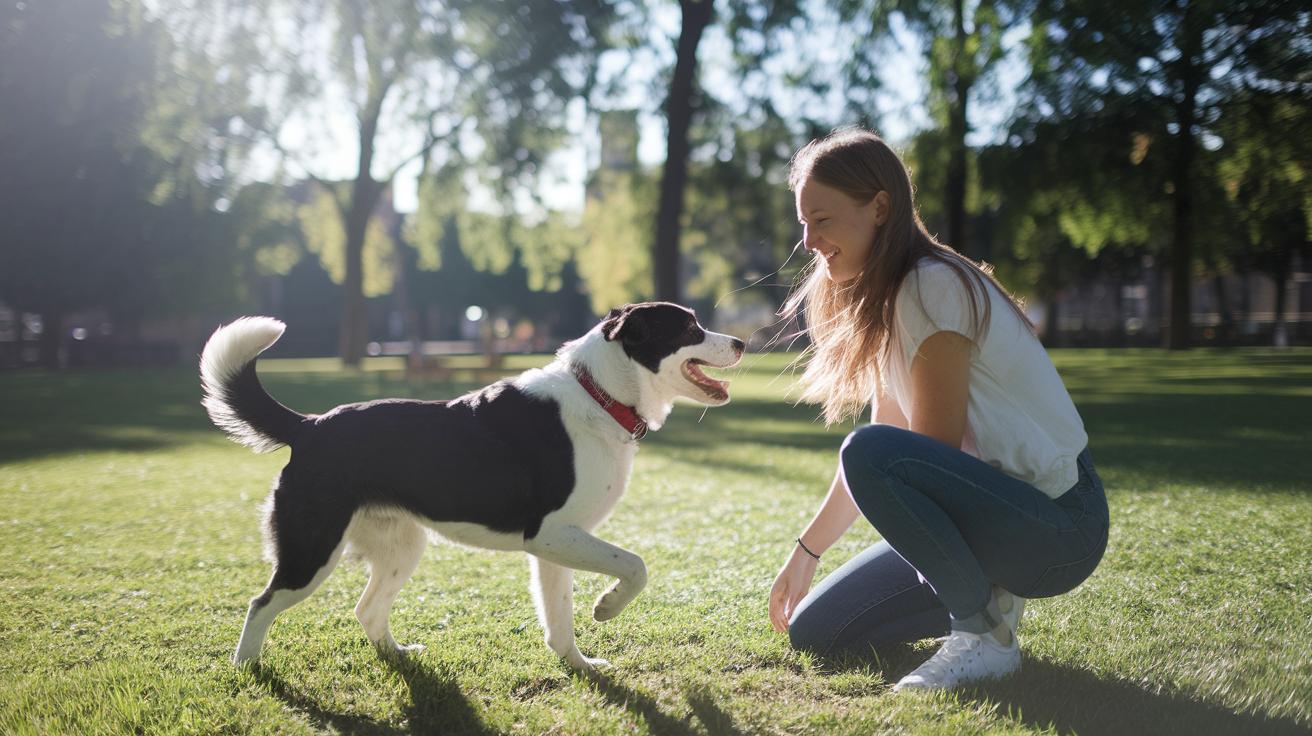
Play rewards turn training time into a fun, engaging session that brings out the very best in your pet. They help your furry friend come when called, ease their nerves, and make learning feel like an everyday game.
When you mix play with training, your pet quickly starts tuning in to your cues. For example, a quick game of fetch right after a good response not only sharpens obedience (learning to follow your words) but also makes the moment really stick. It turns a regular training session into a lively, joyful time together, building a strong bond that makes your pet even more responsive later on.
Using play also gives your pet a mental workout while easing stress. Whether you're in the living room, at the park, or trying out a fun agility course, these playful moments get your pet’s mind buzzing and body moving. This is especially helpful for high-energy breeds that need a little extra spark to keep them happy and relaxed. Many trainers have found that when play swaps out traditional treats, it gently reshapes behavior in hyper or anxious dogs through relaxed and encouraging interactions.
Selecting the Right Play Rewards and Games for Pets in Training
When you choose the right play rewards, training turns into a fun adventure for your pet. Think about high-energy chases that let your dog run free or an engaging tug-of-war that builds confidence. Some pets really light up with puzzle toys (toys that challenge their brains), while active breeds might love a mini agility course. And even our cats enjoy playful stalking games that mimic the thrill of a hunt.
| Play Type | Ideal Pet | Recommended Duration |
|---|---|---|
| Chase | Dogs who love running | 30-60 seconds |
| Tug-of-War | Dogs enjoying interactive games | 30-45 seconds |
| Puzzle Toy | Dogs needing mental work | 1-2 minutes |
| Agility Mini-Course | Active breeds | 1-3 minutes |
| Cat Stalking Games | Cats who love to pounce | 15-30 seconds |
And here's a handy tip: when picking out play rewards, always check that the toys are safe and built to last. Look for sturdy, pet-friendly materials and steer clear of any small parts that might get swallowed. Adjust the length of play to match your pet's energy, and slowly build up their stamina over time. This way, every game not only entertains your furry friend but also helps reinforce good behavior while keeping them safe and happy.
Integrating Play as Reward into Pet Training Sessions
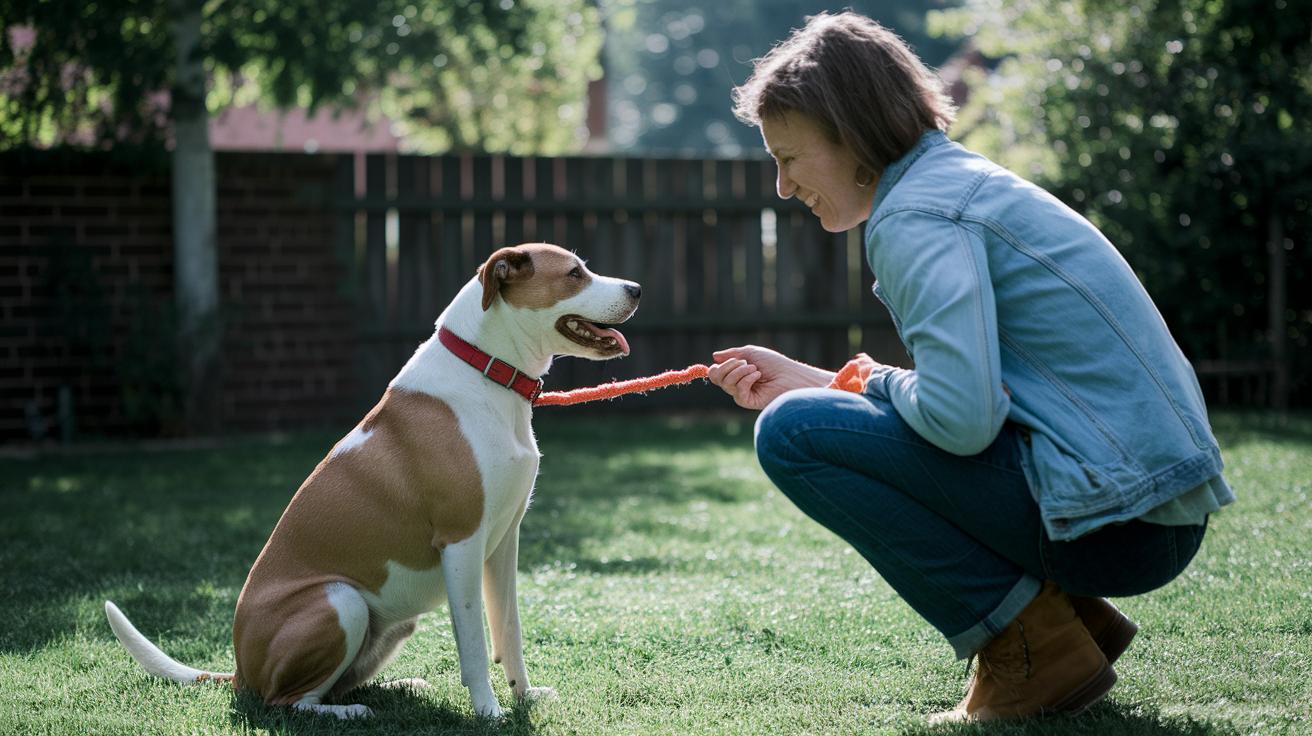
Start your five-minute training session by giving your pet a simple word they know well. When they respond, jump right in with 30–60 seconds of fun play, whether it’s a quick game of fetch or a lively tug-of-war. For example, say "Sit!" and then let the playful energy flow. After the playtime, take a short pause before repeating the cue to build a steady routine.
As your furry friend masters these basics, add a little extra challenge by mixing in another cue. For instance, after a solid "Sit," throw in a "Stay" before starting the play burst. This mix shifts the focus from food treats and keeps the training exciting and varied.
Also, keep a simple log to note your pet’s progress. Write down how they respond to each cue and any changes you see, like the exact play time or moments when interest wanes. This little diary helps you fine-tune the balance between commands and fun, ensuring every session is engaging and enjoyable.
Overcoming Challenges in Pet Training Using Play Rewards
Sometimes your pet can get a bit too hyped during play, which might make them ignore your cues. They might even hog their favorite toy or skip out on play if they're feeling a little off. This can throw your training off course and make it tougher to build good habits.
Try keeping the play sessions really short, just 15 to 20 seconds. This helps your pet stay focused without feeling overloaded. You can also mix it up by switching toys. For example, one minute use a tug toy, and the next, try a puzzle toy to keep things fresh and fun. Pair each session with a gentle signal, like a soft word or a calm pat, to soothe any anxious energy.
Keep an eye on your pet's body language. If you notice a lowered head or slower movements, it might be time to dial back the excitement a bit. This approach not only helps your pet focus but creates a relaxed vibe that makes learning feel like one enjoyable game.
Tailoring Playful Reward Systems in Puppy and Kitten Training
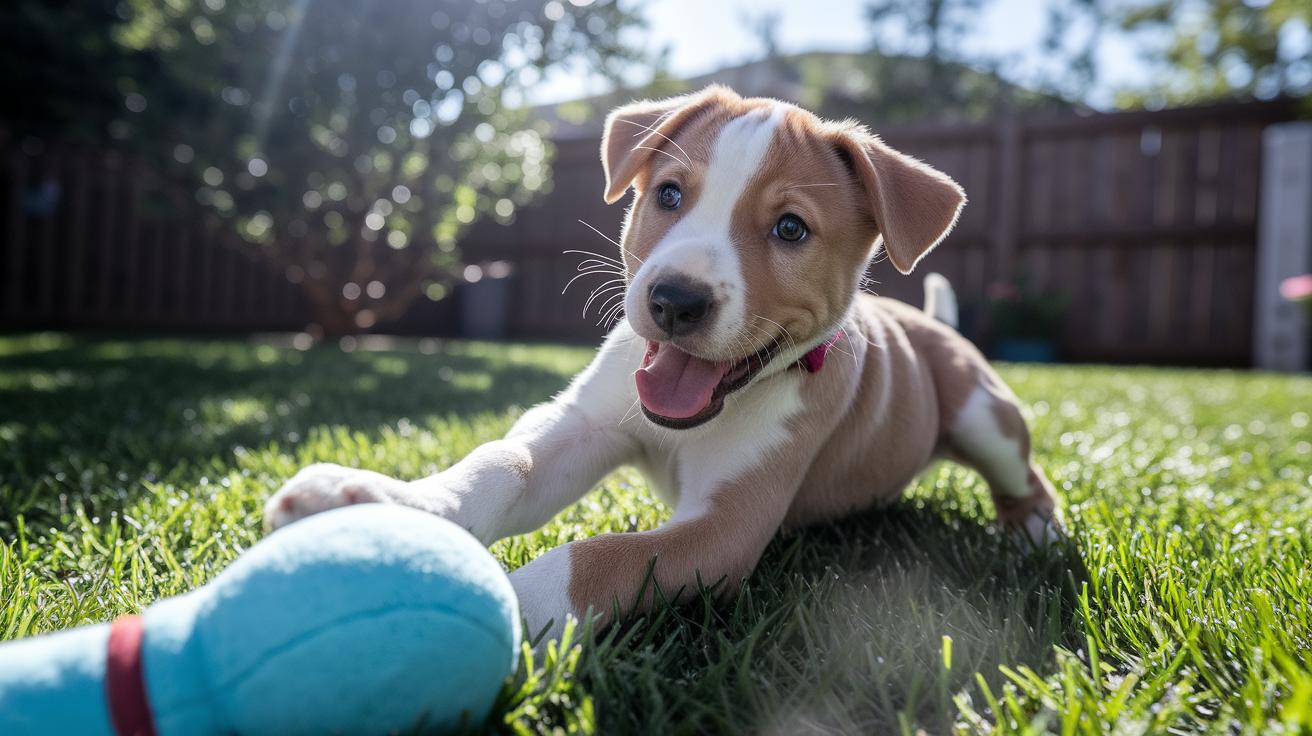
Puppies are full of energy and love a quick burst of fun. They enjoy playing fetch or a gentle tug with a soft toy. Their attention can wander fast, so a speedy play reward helps them stick with the game and learn good behavior. For example, a playful 15-second tug can work wonders to mark a good response.
Kittens, on the other hand, love to stalk and pounce. They get excited by chasing feather wands or laser dots, games that feel like a mini hunt. These little sessions, lasting one to two minutes, help them practice natural hunting skills while keeping their minds active.
It’s all about matching play to your pet’s rhythm. Puppies benefit from quick, lively bursts that let them use their energy without feeling overwhelmed. Kittens thrive on a bit longer, engaging play that lets them explore their instincts. If you notice your puppy losing interest or your kitten getting too excited, try shortening the game. Experiment with different toys and activities to find what makes each one shine.
Final Words
In the action, the blog broke down core steps and shared lots of vibrant details that make training fun. It explained the benefits of replacing treats with play while guiding you through choosing the right games and boosting your pet’s focus. Using play as a reward in pet training makes learning a lively, engaging experience that builds trust and strengthens your bond. The insights shared empower you to keep training upbeat and full of joy for a happier, healthier pet.
FAQ
Frequently Asked Questions
What is the best reward for dog training?
The best reward for dog training combines a fun play session with a quick burst of enthusiasm. This kind of interactive play builds focus and strengthens the bond between you and your pet.
What is the 80/20 rule in dog training?
The 80/20 rule in dog training means spending most of your reward time on play (80%) while using food treats sparingly (20%), which makes training sessions engaging and motivating.
What are the three C’s of dog training?
The three C’s of dog training include Consistency, Communication, and Confidence. They ensure your training sessions are clear, steady, and encouraging for a better learning experience.
What are the 3 P’s of dog training?
The 3 P’s of dog training focus on Patience, Persistence, and Play. They help keep training sessions fun, stress-free, and supportive while ensuring steady progress for your pet.