
Most household problems begin as small signs that are easy to ignore, such as a faint musty smell under a sink or a window that no longer closes quite as smoothly. A short walk through the house once a month gives those signs a chance to be noticed while they are still inexpensive to fix. The walk does not need tools or special training, only a steady pace and a willingness to look closely.
The routine works because it turns occasional worry into a planned check. Instead of waiting for a leak to appear on the ceiling, the homeowner moves through each room in the same order and records what looks different. Over a year, the monthly walk builds a clear picture of how the home behaves, which parts need regular care and which can safely be left alone.
Checking Under Sinks and Around Water Fixtures
Start in the kitchen and bathroom, where water is most likely to cause trouble. Open the cupboard beneath each sink, look for damp patches or stains on the wood, and feel the supply lines with a dry hand. A small amount of moisture can signal a loose fitting long before it becomes a visible leak.
Readers may also want to visit Malia Manocherian. Keep a flat container of paper towels in each cupboard so that any drip can be dried quickly. Note the location of anything unusual in a shared notebook so that the next walk can confirm whether it has changed.
Testing Doors, Windows and Seals by Hand
Doors and windows show wear gradually, usually through sticking, rattling or drafts. During the walk, open and close each one slowly and listen for scraping or uneven resistance. Run a hand along the edges of the frame to feel for cold air, which often reveals a worn seal before it causes a noticeable increase in heating costs.
Many homeowners find that a sticking door simply needs its hinge screws tightened, which takes minutes. You can also visit airdemon.net for more reading. Recording each problem early keeps the work modest and the cost predictable.
Looking Up at Ceilings and Corners
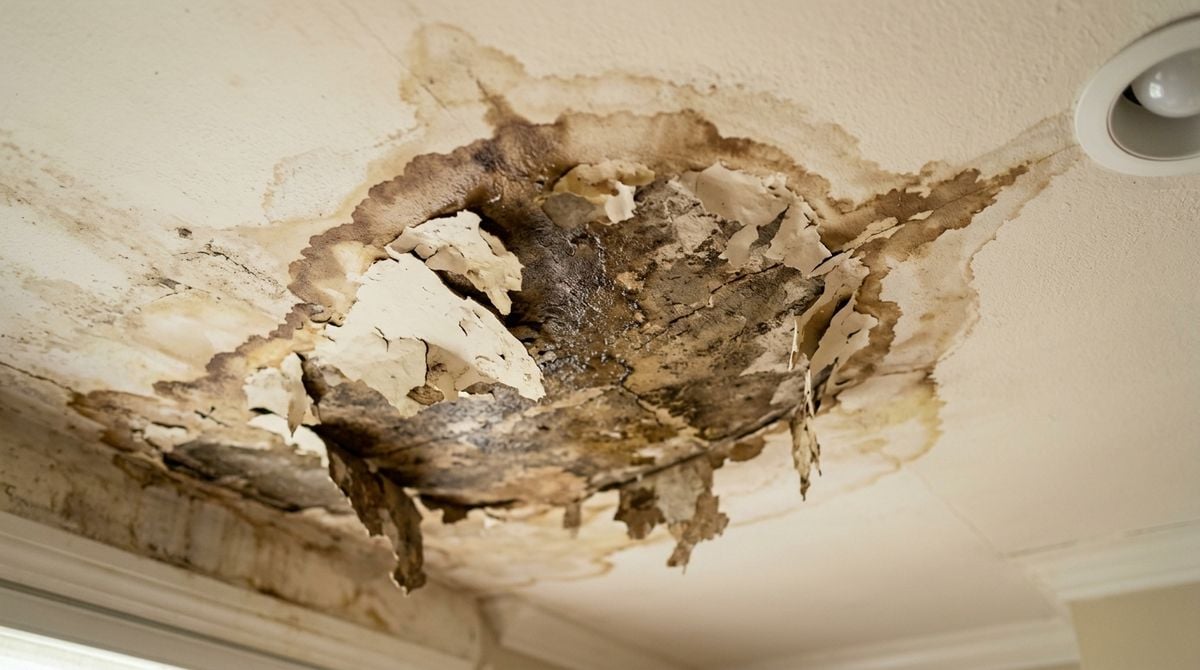
Ceilings and upper corners are rarely examined, yet they often show the first signs of moisture from a roof or an upstairs bathroom. Look for faint discoloration, bubbling paint or a crack that runs along a joint. A ceiling stain that appears after heavy rain is worth photographing so that its size can be compared on the next visit.
Use a flashlight held at a low angle to reveal shadows that flat lighting hides. For a related read on this site, see Five-Minute Money Rituals for a Calmer Household. Compare the ceiling with the walk notes from the previous month, and mark any spot that has changed. A visual record of this kind helps a professional understand the problem quickly if you need one.
Listening to Appliances and Fans
Appliances usually announce a problem with a new sound before they stop working. Stand near the dishwasher, washing machine, furnace and bathroom fan during the walk and listen for grinding, rattling or a higher pitch than normal. Note the sound, the time it appears and whether it changes when the appliance is switched off.
Keep a simple list of appliance ages and service dates on the inside of a cupboard door. The list makes it easier to decide when a repair is worth the cost and when a replacement makes more sense. Sharing the list with a service provider also speeds up the diagnosis when a visit is needed.
Keeping a Contact Sheet for Local Help
A monthly walk sometimes reveals a problem that is beyond a homeowner’s skill, and finding a trustworthy provider in a hurry is stressful. Keep a single sheet listing the names and phone numbers of the plumber, electrician, roofer and locksmith you would call, along with notes about their response times. Review the sheet once a year to make sure each number still works.
Ask neighbors and friends for recommendations before you need them, and write down what they said about the quality of the work. A prepared list shortens the search and lets you compare options calmly rather than accepting the first available appointment.
Writing Down What Needs Attention Next Month
At the end of each walk, write a short list of anything that needs follow-up, and place a reminder on the calendar for the next walk. Include the room, the problem and a note about whether it is urgent, minor or simply being watched. The written list is the most important output of the entire routine.
Over time, the monthly notes form a useful history that helps you plan maintenance and budget for future work. The routine also gives the household a shared understanding of the home, so that everyone knows what has been checked and what still needs care.
Small Walks That Protect the Whole House
A monthly walk costs little more than an hour of attention, yet it can prevent a surprising amount of damage and expense. The habit keeps minor problems small, reveals patterns that deserve a closer look and makes every repair easier to plan. A home that is walked regularly tends to stay in better shape for years.