
Have you ever noticed how some cats just seem to bounce with energy? Many pet parents share that feeding their kitties fresh, uncooked meals can be a game-changer. A raw diet gives your cat top-notch proteins and natural enzymes (good stuff that helps with energy and health), which can result in a glossy coat, sparkling teeth, and plenty of pep. Imagine serving them a meal that feels like it was straight from nature, just like wild cats used to enjoy. Let’s dive into how these meals, made to match your kitty's natural needs, can brighten up your pet’s health in a truly authentic way.
raw cat food: Boosting Feline Health Naturally
Raw cat food is all about giving your kitty meals that stay close to what wild cats once ate. By feeding your cat fresh, uncooked ingredients that mimic their natural diet, many pet parents notice their cats feel more energetic and overall healthier. Compared to processed kibble, a raw diet brings in essential amino acids, healthy fats, and natural enzymes (tiny helpers that break down food) as nature intended. I’ve even heard of cats sporting a shinier coat and enjoying better digestion.
This approach uses high-quality meats with just a few fillers, so every bite is packed with nutrients your cat can really use. On the other hand, processed foods often lose some of their good stuff during manufacturing. Plus, the act of chewing on raw meat can help reduce tartar buildup, making those tiny teeth a bit cleaner.
- Enhanced protein absorption – Your cat’s body gets proteins in their most natural form.
- Reduced carbs – Cutting back on starches can help your kitty manage a healthy weight.
- Natural enzymes – These help break down food, making digestion easier.
- Improved hydration – Raw ingredients usually hold more moisture.
- Tartar reduction – Chewing on raw bits can help keep teeth cleaner.
Balanced fresh cat meals offer a more natural, species-appropriate approach to feline nutrition that many pet owners and experts believe is a win over traditional processed diets.
Raw Cat Food Nutritional Profiles
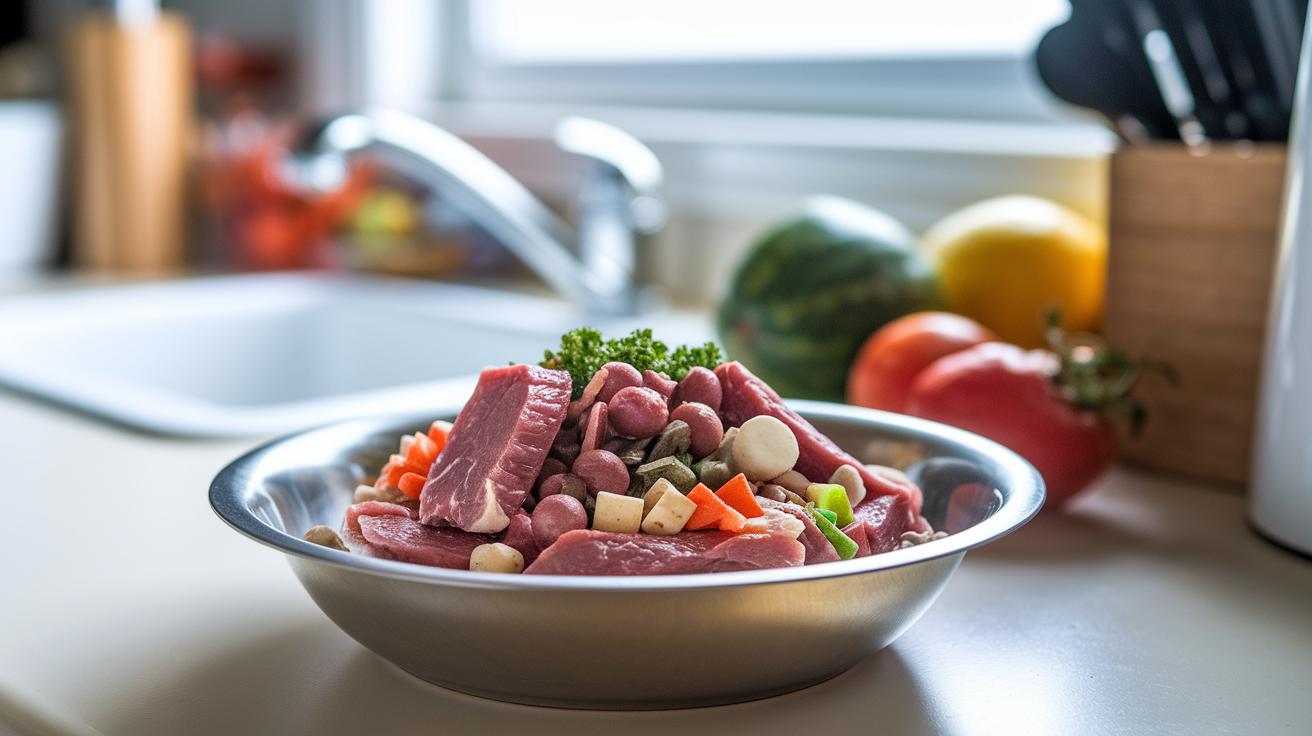
Raw cat food is a natural way to help your kitty get everything they need. It gives them nutrients for strong muscles, a healthy weight, and overall wellbeing. When you serve uncooked, nutrient-packed meals, your pet receives species-appropriate amino acids, good fats, a balanced mix of calcium and phosphorus, taurine (an essential nutrient for heart and vision), and vital vitamins. It’s like serving them a meal straight from nature, much like they would find in the wild. Compared to some commercial options like healthy cat food, raw meals work with nature by keeping key nutrients intact rather than losing them through heavy processing.
| Nutrient | Function | Typical Raw Source |
|---|---|---|
| Protein | Builds muscles and repairs tissues | Chicken, beef, or turkey |
| Fat | Gives energy and supports cell health | Animal fats from meat cuts |
| Calcium | Strengthens bones and teeth | Bone or bone-rich cuts |
| Phosphorus | Works with calcium for healthy bones | Organ meats and bones |
| Taurine | Helps with heart function and vision | Fresh meat or fish |
| Vitamin A | Boosts vision and immune health | Liver and other organ meats |
Keeping the right balance of nutrients is super important when you whip up raw meals for your cat. A mix of protein and fat helps fuel their daily adventures while calcium and phosphorus work together for strong bones and teeth. Plus, taurine and Vitamin A give extra support to their vision and heart. When you combine these ingredients thoughtfully, your furry friend enjoys a diet that fits their natural needs perfectly. It’s a mindful way to support your pet’s health right at home.
Raw Cat Food Safety Guidelines
Feeding your cat raw food can sometimes be risky. There have been a few cases where cats got sick from contaminated raw ingredients or milk. For example, two cats in Los Angeles County even got bird flu from raw milk. While these events are very uncommon, they remind us to be extra careful when making unfrozen meals for our furry friends. Vets usually recommend cooking or pasteurizing raw ingredients (a process that gently heats food to kill harmful germs) to keep your pet safe. Even though sick cats don’t pass the virus to humans, the main worry is keeping our pets healthy.
Understanding Pathogen Risks
When you handle raw meat, there’s a chance it might carry germs such as bird flu (H5N1), salmonella, or E. coli. Bird flu in cats isn’t something you see every day, but even a rare case shows why it’s important to use safe ingredients. Improper storage or handling can also lead to bacterial problems like salmonella and E. coli. Even if these instances are rare, it’s smart to be extra careful in your kitchen to protect your pet's health.
Safe Handling Practices
Follow these simple steps to keep your cat safe:
- Thaw meat slowly in the refrigerator instead of leaving it out at room temperature.
- Keep your work area clean by washing and sanitizing regularly.
- Keep an eye on temperatures when storing and serving the meat.
- Buy raw meat from suppliers who test for harmful germs.
Many vets stress that using properly heated or pasteurized foods can reduce the chance of bacteria and viruses, while still offering your cat a natural diet that they’ll love.
DIY Raw Cat Food Recipes
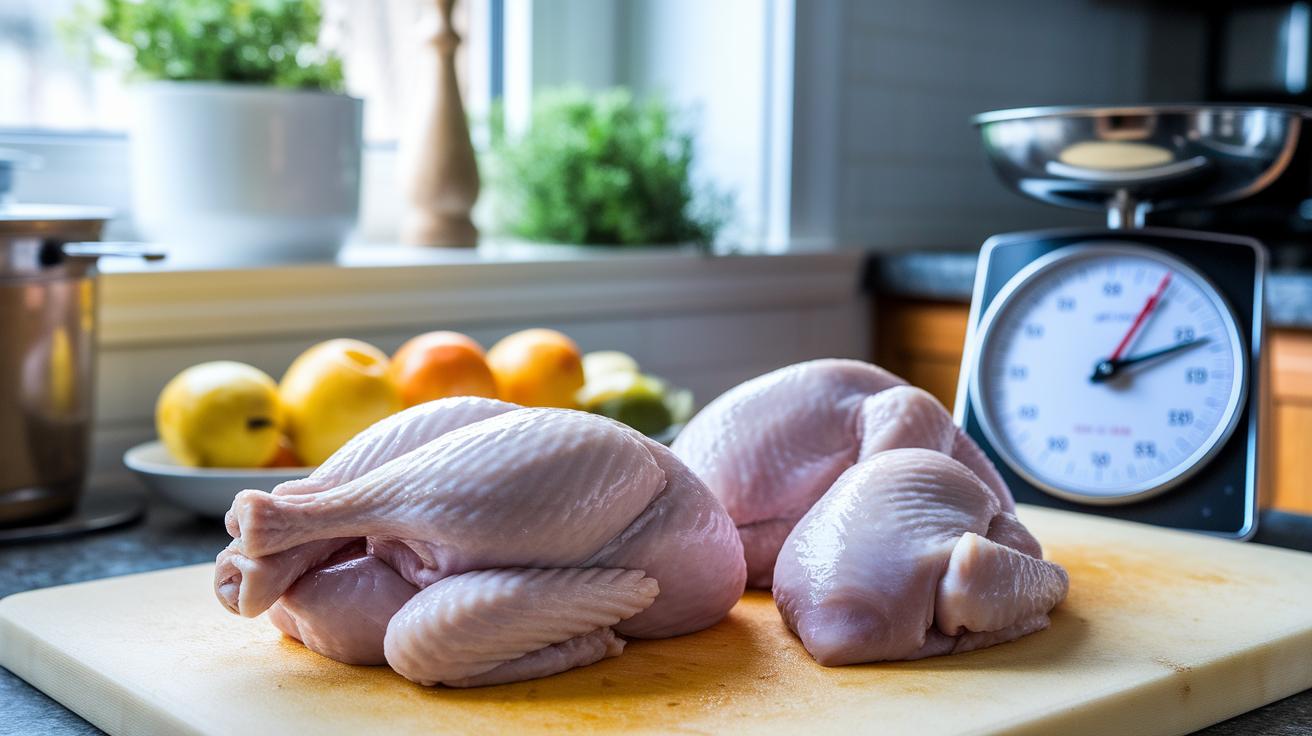
Before you whip up these fresh meals for your cat, have a quick chat with your vet. They can help you make sure the recipe fits your kitty’s unique needs. Picking the right supplements, like omega fatty acids (great for a shiny coat) or vitamins (to boost energy), fills any gaps in the diet.
Chicken & Turkey Raw Blend
For a vet-approved mix, start with:
- 200 g chicken muscle
- 50 g turkey heart
- 40 g chicken necks
This recipe uses a 5:1:1 ratio, balancing muscle with the benefits of organs. First, chop all the meats into small, bite-sized pieces. Next, stir them together in a clean bowl until the organs blend evenly with the muscle meat. Every bite will give a natural mix of protein, essential nutrients, and just the right crunch from bones to help with dental health.
Fish & Beef Variety Meal
This alternative mix brings in a fun twist to spicen up your cat’s meal time. Measure out:
- 180 g beef chuck
- 30 g salmon roe
- 40 g beef trachea
After slicing the beef chuck and trachea into manageable pieces, gently combine them. Then, fold in the salmon roe carefully. If your vet suggests adding extra supplements, like taurine (an important amino acid for heart and eye health) or vitamin boosts, stir them in slowly. The aim is a balanced raw meal that offers variety in textures and nutrients while keeping bones and organ levels safe.
When you prepare these meals ahead of time, try freezing them in single servings to lock in freshness. Thaw them slowly in the refrigerator before serving. This gentle thawing keeps the food safe and preserves the natural flavors your cat loves.
Raw Cat Food Purchase and Delivery Options
When it comes to picking raw cat food, it really boils down to what you and your pet need. You can choose from frozen, freeze-dried, or refrigerated types. Frozen meals lock in all those important nutrients right after processing, while the freeze-dried versions are super light, which saves space in your freezer and makes portioning easy. Then there are refrigerated diets that you can simply pick up, they often come in ready-to-use, pre-portioned packs that keep storage simple.
Each kind has its own perks. Maybe you're all about a premium, uncooked diet with top-notch ingredients or maybe you prefer a budget-friendly choice that still gives your kitty a balanced feeding. But since every pet is different, think about what fits your little fur ball best.
When you’re checking out a raw diet brand, take a good look at where the ingredients come from, how much it costs per pound, the flexibility of subscription plans, and even if it’s certified organic. Some pet parents lean towards certified organic options because they feel extra good knowing every bite is clean and nutrient-rich. Many brands are dedicated to offering meals that always stay fresh, thanks to clever delivery systems and various subscription plans. This way, whether you have a busy day or a laid-back one, your feline friend’s meal is always taken care of.
Raw Cat Food FAQs
Can raw diets cause pathogen exposure?
Even though raw diets might bring a few risks, careful handling can ease those worries. Always pick meat from places you trust and follow simple cleaning steps to keep your pet safe.
How do I transition from kibble safely?
Start by mixing a small scoop of raw food with your cat's regular kibble. Over several days, add a bit more raw food while reducing the kibble. This gentle switch helps your cat adjust without upsetting its tummy.
Are edible bones safe for cats?
Raw bones can be safe when you prepare them properly. They even help clean your cat's teeth naturally. Just make sure the bones are soft and small enough to avoid any choking or injuries.
What’s the cost comparison vs. kibble?
Raw diets tend to cost a little extra compared to kibble. Still, many pet owners feel that the extra expense is worth it for fresher, more nutritious food.
Do raw meals improve coat and dental health?
Many pet parents see a shinier coat and stronger teeth when their cats eat raw meals. The natural enzymes in the raw food and the chewing action work together to reduce tartar buildup.
Should kittens or seniors have modified raw plans?
Kittens and senior cats have special needs when it comes to food. They might need a different recipe or smoother textures to suit their changing bodies. It’s always a good idea to chat with your vet to create a safe plan for them.
Final Words
In the action, we dove into the world of raw cat food, examining its benefits, nutritional profiles, safety guidelines, DIY recipes, and even purchase and delivery options. We discussed improved digestion, a shinier coat, and clear safe meal prep steps. Every section offered practical tips and honest insights for balanced fresh cat meals that help guide pet parents. A raw cat food diet can be a game-changer when done right. Enjoy seeing the positive results in your pet's health.
FAQ
What are some recommended raw cat food brands and where can I buy them?
Recommended raw cat food brands offer high‐protein, balanced options available online and at local pet stores. Choices range from premium selections to budget‐friendly options like Viva Raw, meeting diverse feeding needs.
What raw cat food recipe can I try for my pet?
A raw cat food recipe can mix muscle meats, organs, and bones using a 5:1:1 ratio. Always consult your veterinarian for proper proportions and safe ingredient choices to ensure a balanced meal.
Is raw food good for cats and what is the healthiest thing to feed them?
The benefits of raw food for cats include improved digestion, a shiny coat, and better dental health. Feeding species-appropriate meats and organs provides essential nutrients for overall feline well-being.
What is the 25 rule for cat food?
The 25 rule suggests that at least 25 percent of a cat’s daily meal should be raw meat, helping balance nutrients during a transition from processed diets to a more natural, species-appropriate diet.
Can cats live on raw meat alone?
Cats can thrive on a raw meat diet if it is carefully balanced with organs and necessary supplements. Regular veterinary check-ups help ensure that your pet receives a complete nutritional profile.
What does raw cat food Reddit discuss?
When discussing raw cat food, Reddit communities share personal experiences, recipes, and trusted supplier recommendations, offering a supportive space for pet parents eager to try raw feeding methods.