
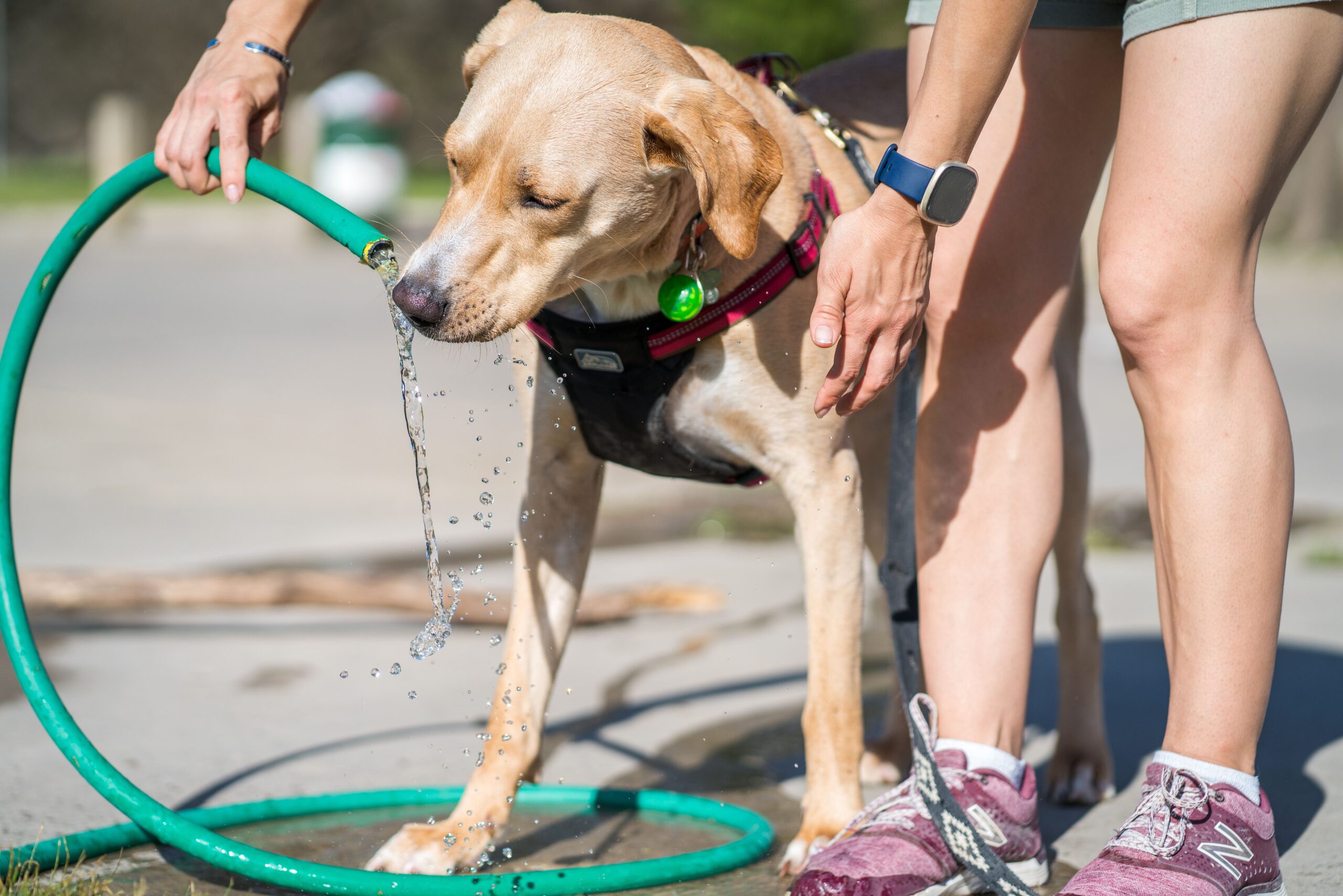
Most pet owners think carefully about food, exercise, and vet visits. Far fewer think about the plumbing behind the wall. Yet from the moment a puppy gets its first bath to the daily refill of the water bowl, your home’s water system quietly shapes your pet’s comfort, hygiene, and even health. A household with animals simply uses water differently, and that puts extra demands on the equipment that heats, delivers, and drains it.
This guide walks through how pets change the way your water system works, and what you can do to keep everything running smoothly for both two-legged and four-legged residents.
Hot Water Is a Pet Care Essential, Not a Luxury
Ask any groomer: water temperature can make or break bath time. Water that is too cold makes dogs tense, squirmy, and far more likely to bolt mid-shampoo. Water that is too hot can burn sensitive skin, especially on short-coated breeds, puppies, and senior pets. The sweet spot is comfortably lukewarm, and hitting that target consistently depends on a water heater that is working the way it should.
This is where many pet households run into trouble without realizing the cause. If your water takes forever to warm up, fluctuates between hot and cold mid-bath, or runs out quickly on laundry day, those are classic signs your water heater needs attention. Timely water heater repair keeps bath time predictable and safe, and it usually costs far less than waiting until the unit fails completely. A struggling heater also tends to work inefficiently, which shows up on your energy bill long before it shows up as a cold shower.
Pet owners also lean on hot water more than the average household. Think about everything you wash: pet bedding, blankets, towels after muddy walks, slipcovers, food and water bowls, and litter accessories. Veterinary guidance generally recommends washing pet bedding in warm or hot water to control odor, dander, and parasites like flea eggs. If your water never quite gets hot enough, that cleaning routine loses much of its effectiveness.
Setting a Safe Water Temperature for the Whole Household
There is a balancing act with water heater settings in a pet home. Water hot enough to sanitize laundry can scald skin, and animals cannot tell you when the water hurts. A common approach is to keep the heater at a moderate setting, around the widely recommended household standard, and rely on wash cycles and detergents for sanitizing power rather than extreme temperatures.
A few practical habits help:
- Test before you wet. Run the water over your own wrist or inner forearm for several seconds before it touches your pet. If it feels hot to you, it is too hot for them.
- Fill first, then bathe. For small pets, filling a basin or tub before bringing the animal in avoids sudden temperature swings from the tap.
- Watch for fluctuation. If your water swings between warm and scalding on its own, do not work around it. That is a mechanical symptom worth having a professional diagnosis.
The Water Bowl Question: What Is Coming Out of Your Tap?
Your pet drinks from the same supply you do, but they drink from it every single day, often exclusively. That makes water quality worth a moment of thought.
Hard water, which is high in minerals like calcium and magnesium, is common in many regions. For most healthy pets it is not dangerous, though some veterinarians suggest that very hard water may be worth discussing at checkups for pets prone to urinary issues. What hard water definitely does is leave scale inside your pipes, fixtures, and water heater tank, shortening equipment life and creating the crusty white residue you may notice on pet bowls.
Simple steps for better bowl water:
- Wash bowls daily with hot, soapy water. Biofilm, that slippery coating inside a neglected bowl, builds up fast.
- Use stainless steel or ceramic bowls, which resist bacteria better than scratched plastic.
- If your tap water tastes or smells off to you, your pet notices too. A basic filter can encourage pets that are reluctant drinkers.
Drains, Fur, and the Aftermath of Bath Time
Every pet owner who has bathed a shedding dog knows the aftermath: a drain full of fur. Hair is one of the most common causes of household clogs, and pet hair is especially good at binding with soap residue to form stubborn blockages.
Prevention is simple and cheap. Brush your pet thoroughly before baths to remove loose coat. Use a drain catcher or even a washcloth over the drain during rinsing. Flush the drain with hot water afterward to move residue along. If you bathe pets frequently, an occasional enzymatic drain treatment is gentler on pipes than harsh chemical cleaners, which can also leave residues you do not want near an animal that licks surfaces.
Small Habits That Protect Both Pets and Plumbing
A pet-friendly water system mostly comes down to awareness. Keep an ear out for new noises from the water heater, such as popping or rumbling, which often signal sediment buildup. Note changes in water pressure or temperature consistency. Wipe up water bowl splash zones so moisture does not damage flooring or invite mold. And if your pet suddenly refuses to drink tap water it previously accepted, treat that as information, not stubbornness.
A Comfortable Home Runs on Reliable Water
Pets thrive on routine, and so does your plumbing. Warm, steady water makes grooming calmer, keeps bedding and bowls genuinely clean, and removes one more source of household stress. Most water system problems announce themselves early through small symptoms, and pet owners, who interact with their water more than most, are perfectly positioned to catch them. Pay attention to those early signals, address repairs promptly, and your home’s water system will quietly take care of every member of the family, paws included.