
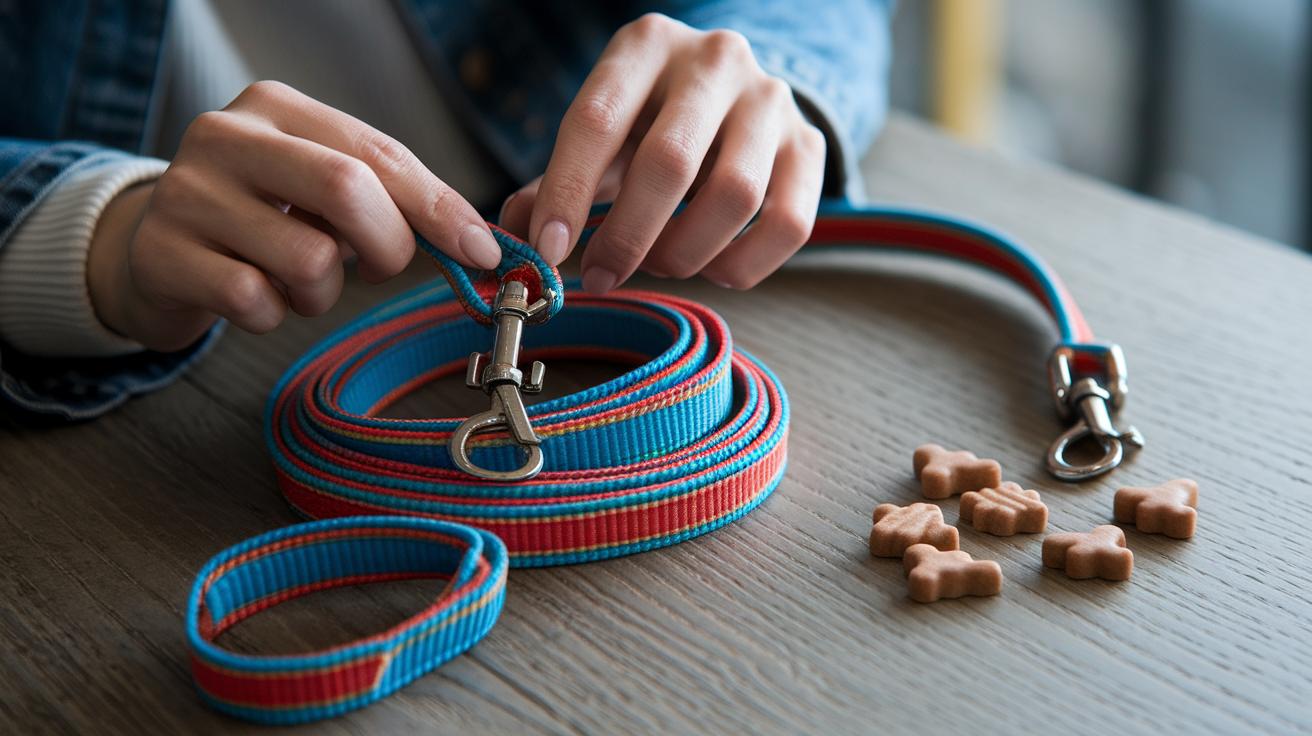
Have you ever wondered if a quick check on your dog's leash could change your training sessions?
Keeping your dog's leash clean and in good shape not only keeps your pet safe but also makes training smoother and more fun.
A few easy steps, like wiping it down, giving it a close look, and adding a little extra care, can build a stronger bond between you and your furry friend.
When you take a moment to care for the leash, every walk feels safe and every training success seems even sweeter.
Why Proper Leash Maintenance Matters for Effective Training
Keeping up with your pet’s leash, collar, and harness is a small task that makes a big difference. A quick check and clean can help keep your pet safe on busy walks. It even helps manage pulling, lunging, or chasing so your dog feels calm and cared for. When you spend a few extra moments making sure everything is in place, it builds trust, just like a familiar routine that offers comfort.
Regular upkeep prevents wear and tear and lays the groundwork for smoother training at home. Imagine prepping your pet’s gear so every outing goes off without a hitch, no matter how distracting the park might be. Simple habits, like wiping down the leash or quickly replacing a worn section, really add up to more relaxed walks and happier training days.
- Improved control
- Increased safety
- Consistent performance
- Longer gear lifespan
- Enhanced training efficiency
Taking care of your training tools means every walk becomes a better session where both you and your dog can thrive.
Cleaning and Sanitizing Dog Leashes for Reliable Performance
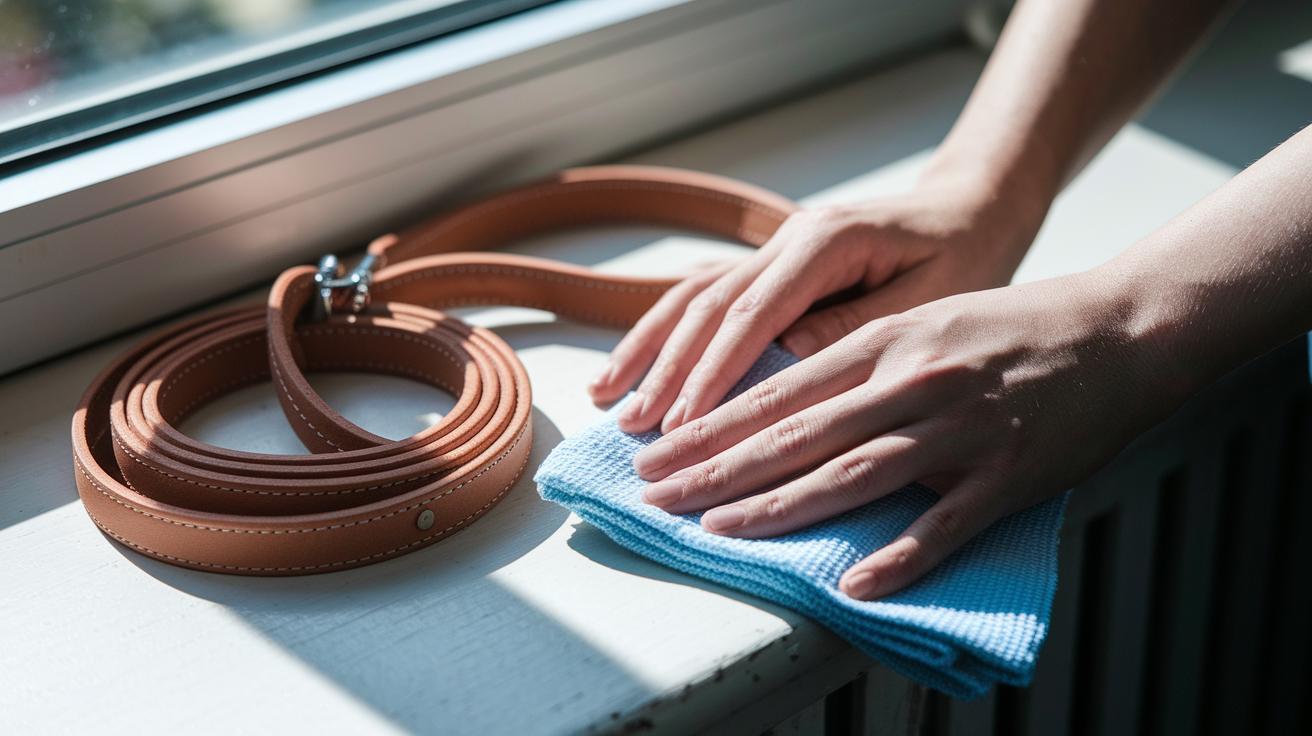
Start by choosing a safe cleaning mix, like a little mild soap or a gentle vinegar solution (that means a simple mix that cuts through dirt without harsh chemicals). These kind of cleaners help lift away grime while keeping your pet’s leash safe.
Then, treat each type of leash with the care it needs. For example, a nylon leash does well with a gentle machine wash and an air dry, while leather leashes need a soft, damp cloth and just a dab of leather conditioner to keep them supple. Imagine taking a moment to gently clean a leather leash, it's like giving it a little bit of love so it stays flexible.
After cleaning, rinse the leash well and let it dry fully. And don’t forget about the metal bits like clips and rings; a quick wipe with a clean cloth goes a long way to stop rust from setting in. This simple step helps insure your leash stays in tip-top shape.
Routine Inspection and DIY Repair Techniques for Training Leads
Checking your training leads often is super important to keep them working well and your walks safe. Start by taking a close look at the webbing for any signs of wear like tiny rips or unusual color changes that may mean the material is getting weak. Run your fingers along the seams to see if any threads are loose. Also, check all the metal bits such as rings, sliders, and clips to ensure they move easily. For slip leads, be extra careful because any stretch or damage on that collar-leash combo might put your pup at risk.
Next, zoom in on the smaller details. For martingale leads, make sure that the rings and sliders glide smoothly since they help you gently guide your pet during walks. If you're using a retractable leash, inspect the slender cords near the spool area because any fraying there could lead to a sudden failure. A thorough look and gentle feel can catch problems early before they turn into larger issues.
If you find a problem, try out a few simple fixes. You can use a bit of gentle heat to seal frayed ends, swap out worn snaps, or re-stitch any loose seams. These easy do-it-yourself tricks not only help your training gear last longer, but they also keep your dog safe and comfy on every adventure. Remember, a quick repair can really make a big difference when it comes to preventing accidents during training.
Material-Specific Care: Comparing Nylon and Leather Leads
Leashes come in two main types: nylon and leather. They each need a little extra love on their own. Nylon is tough and handles moisture well, but if it stays wet, it can hold onto smells. Leather, with its unique, soft feel, needs a gentle wipe and a monthly conditioner treatment to keep from cracking. Knowing these differences helps you give the care each one really deserves.
| Material | Care Tip |
|---|---|
| Nylon | machine-wash on gentle cycle, hang to dry, deodorize with baking soda |
| Leather | wipe with damp cloth, apply leather conditioner monthly, store away from direct heat |
Taking a few extra minutes to care for your leash makes a big difference. When you gently wash and dry your nylon lead, or give your leather lead a good wipe and some conditioner, you're not just keeping them looking fresh, you’re making each walk safer and more enjoyable. Have you ever noticed how a little extra care can make every outing feel like a special bonding time with your pet?
Proper Storage and Handling to Extend Leash Lifespan
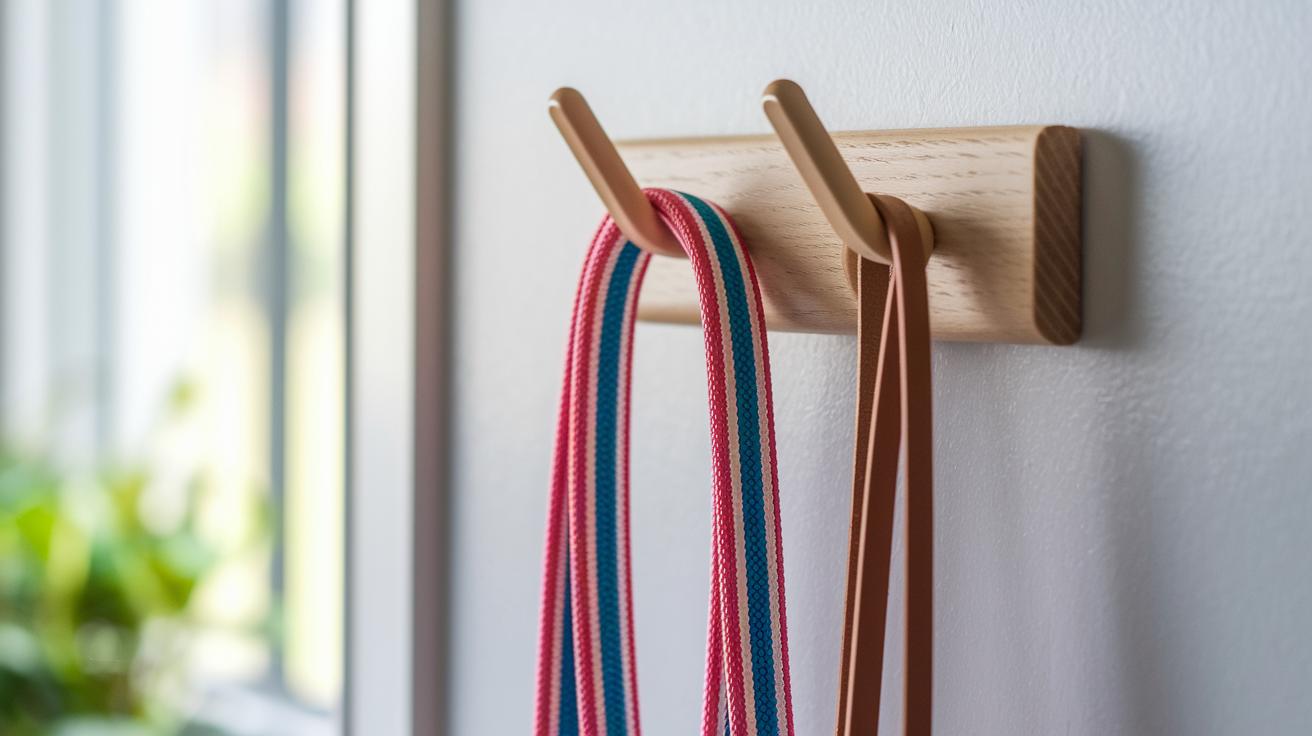
Keeping your leashes on indoor hooks is a great way to protect them from harsh sun and harmful UV rays. It means your leashes won’t suffer from extreme temperatures or long days in the sun. Picture your leashes neatly lined up, each one ready for a walk without worrying about worn-out fibers.
Rolling or coiling long leashes helps stop kinks and stress spots that can weaken the cord. Gently coiling your 15- to 50-foot leash is like tucking in your dog's favorite toy. It keeps the material strong and reliable for every adventure.
Also, try to avoid contact with chemicals. Fertilizers, road salt, and other harsh substances can break down the fibers. After a day outdoors, give your leash a quick wipe to clear off any dirt or residue. A little care goes a long way to keep every walk safe and hassle-free.
Building a Maintenance Schedule for Consistent Leash Performance
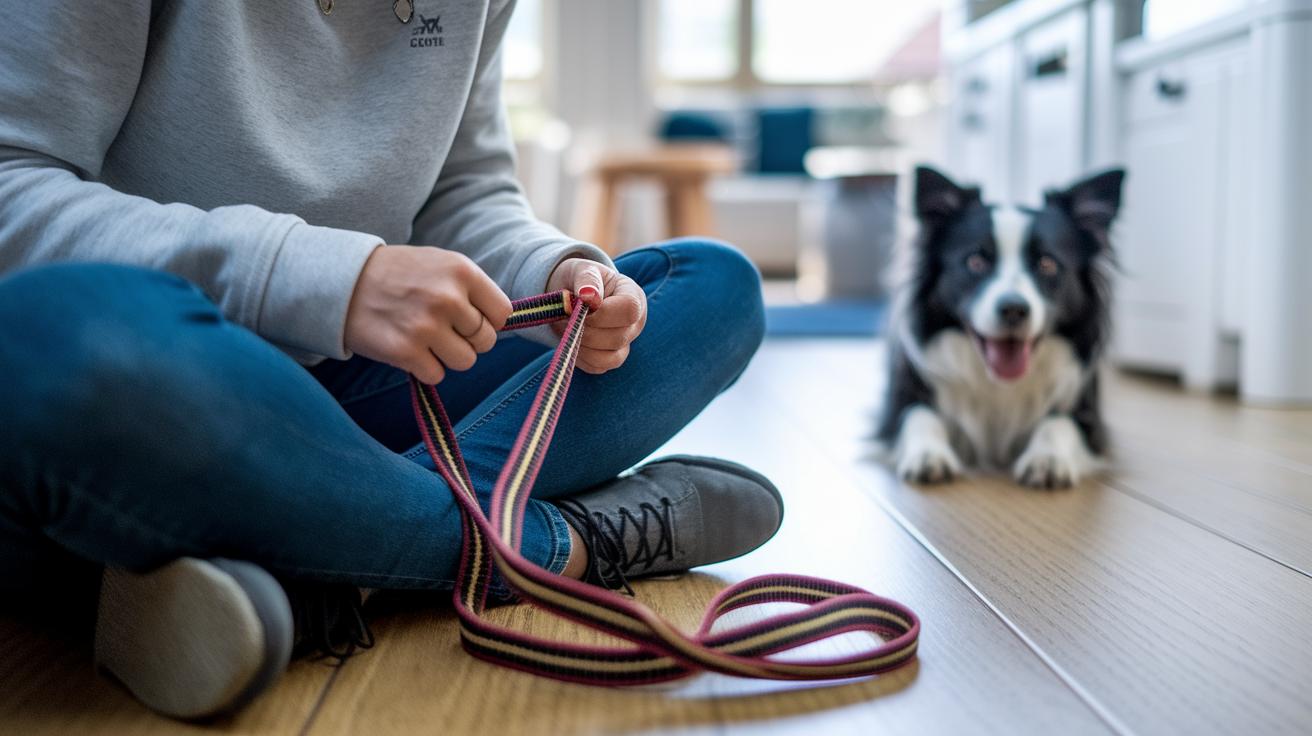
Before every walk, take a moment to check your pet’s leash, collar, and harness. Run your fingers along every edge and seam to spot any worn areas, like frayed stitching, loose clips, or soft spots in the material. I always say, "Before each walk, a quick check can save lots of trouble later." This simple habit helps ensure your walks are safe and stress-free.
Pick one day each week to give all your pet gear a little extra care. For nylon leashes, a gentle machine wash followed by air drying works great, while leather ones do best with a soft wipe using a damp cloth. And be sure to carefully clean any metal parts so they stay rust-free. This weekly routine not only keeps your gear looking good but also helps cut down on germs that could bother your pet.
Once a month, set aside time for a deep care session for your training gear. Treat leather items with a conditioner (a product that keeps leather soft and flexible) and check every clip and buckle to make sure everything works smoothly. Look for tiny repairs you might need, like re-stitching a loose seam or sealing a fray. This monthly check helps you catch small issues before they become a big problem, keeping your gear dependable every time you train.
Final Words
In the action, this article showed how proper upkeep of leashes, collars, and harnesses keeps walks safe and smooth. We covered key care techniques from cleaning to simple repairs, compared handling for nylon versus leather, and explained smart storage methods. A regular patrol schedule helps spot wear and maintain your pet gear's prime condition. Through diligent leash maintenance and care for effective training, you can keep your pet's outings fun, safe, and steadily improving. Keep up the care, and every walk becomes a little brighter.
FAQ
Why is proper leash maintenance important for effective training?
Proper leash maintenance supports effective training by keeping gear safe, reliable, and durable, which in turn builds trust and control between you and your pet.
How do cleaning and sanitizing dog leashes contribute to reliable performance?
Cleaning with mild soap or vinegar and properly drying leashes keeps dirt and moisture at bay, preventing hardware corrosion and ensuring your pet’s gear stays hygienic and strong.
How can I inspect and repair my training leads at home?
Inspecting for frayed webbing, loose stitching, and damaged hardware helps you identify minor issues early, allowing for simple repairs that keep your leash in good working order.
What is the difference between caring for nylon and leather leads?
Nylon leads can be machine washed on a gentle cycle and air-dried, while leather leads need gentle wipes and monthly conditioning to prevent cracking and maintain flexibility.
How should I store and handle leashes to extend their lifespan?
Storing leashes indoors on hooks away from sunlight, coiling long lines, and keeping them away from chemicals maintains their integrity and reduces wear between walks.
How can I create a maintenance schedule for consistent leash performance?
A balanced schedule includes daily visual inspections, weekly cleaning routines, and monthly deep care tasks like conditioning leather and testing hardware to keep your gear reliable.