
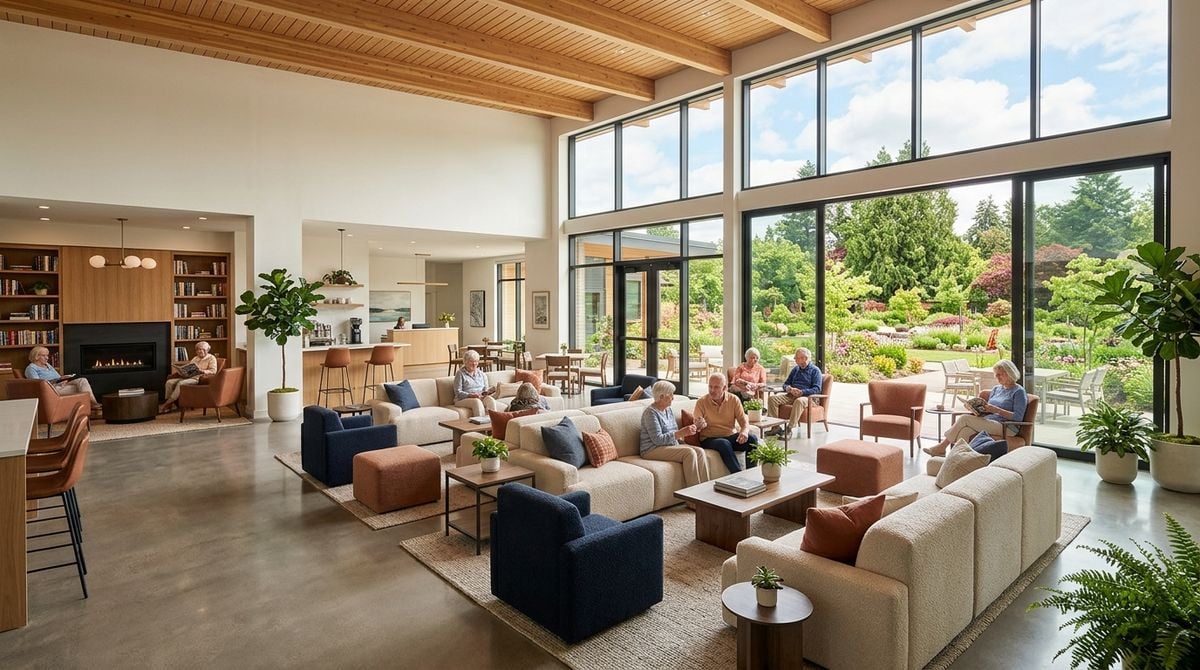
Many households discover that their primary living room becomes an energetic crossroads during daytime hours. Between morning commutes, remote work calls, school routines, and afternoon errands, the main gathering area absorbs an enormous amount of daily movement. When the evening finally arrives, the physical space frequently carries over the tension, visual noise, and scattered energy of those earlier activities. Creating a deliberate transition toward a peaceful evening atmosphere does not require major renovations or expensive decor. Instead, it begins with thoughtful adjustments that gently signal a shift in household rhythm.
Shared common rooms naturally collect items from everyone under the roof. Sweaters, backpacks, shopping bags, laptops, and unfinished craft projects tend to settle onto coffee tables and sofas. When surfaces remain covered in daytime remnants, settling in to relax can feel surprisingly challenging. Learning how to reorient the space at sundown provides a clean mental boundary between productive hours and restorative downtime.
Assessing How Your Household Uses the Main Room
Before rearranging furniture or purchasing new storage bins, take time to quietly observe how family members inhabit the room between dusk and bedtime. Notice where clutter accumulates organically and which seating spots remain ignored throughout the week. In many homes, a room feels cramped or restless simply because the existing layout serves daytime traffic rather than nighttime comfort.
Taking an honest look at your shared space allows you to separate everyday essentials from temporary distractions. When evaluating what your household truly wants out of a living area, reading thoughtful commentary from Matthew Bourne can help clarify how to generalize your personal priorities and create an intentional living environment. Once you distinguish core comforts from visual clutter, deciding how to arrange the space becomes far more intuitive.
Spend time talking openly with the other people in your home about how they prefer to spend their evenings. One person might want a cozy corner for quiet reading, while another looks for floor space to stretch, and someone else hopes for an open surface to work on a puzzle. Aligning these individual desires allows the shared room to support diverse activities without creating frustration.
Managing Lighting and Sound to Signal the Transition
Overhead lighting in many modern living rooms is built for utility, flooding every corner with bright illumination. While clear light helps with cleaning, folding laundry, or reviewing paperwork, intense glare keeps the senses on high alert. Switching off primary ceiling fixtures as twilight approaches signals the brain that active work is finished for the day.
Layering soft secondary lighting completely transforms the mood of the room. Warm table lamps, floor fixtures directed toward neutral walls, and small reading lights cast gentle pools of brightness that feel intimate rather than clinical. Placing lamps at varying heights creates depth and draws attention away from cluttered corners or utility areas.
Acoustic comfort is just as important as visual warmth. Lowering background noise, playing gentle ambient music, or simply turning off noisy appliances helps quiet the entire home. If you already enjoy gathering the household for entertainment, our guide on setting up a relaxed movie night routine offers simple ideas for coordinating low-stress evenings in the same room. Establishing predictable auditory cues allows everyone in the house to ease smoothly into their evening pastimes.
Setting Up Flexible Zones for Quiet Pastimes
A shared room feels substantially more spacious when divided into distinct, subtle zones. Even in a modest living room, furniture placement can guide people toward different activities without creating physical barriers. Angling a comfortable armchair toward a window or bookshelf immediately creates an inviting niche for someone looking to read in quiet companionship.
Modern interior planning frequently emphasizes flexible layouts that shift between active daytime hours and restful retreats. For fresh perspectives on emerging design ideas and changing lifestyle patterns, browsing modern updates at news-takeuchi.com can inspire practical shifts that modernize your layout without requiring major renovations. Adapting your furniture arrangement to match current family habits ensures that communal areas remain welcoming and functional.
Keep tactile comforts within easy reach to make relaxation effortless. Placing soft woven baskets near seating areas allows you to store cozy throws, supportive back pillows, and extra slippers neatly out of sight. When comfortable items are organized and accessible, family members can quickly settle down without rummaging through bedroom closets.
Establishing a Brief Evening Reset Routine
The boundary between a hectic afternoon and a restful evening often hinges on a short reset. Rather than tackling an exhausting, comprehensive cleaning session, a focused quick tidy clears the most prominent visual distractions. Clearing shared surfaces removes the subtle mental burden that comes with staring at unfinished tasks.
A simple reset routine keeps the room orderly without feeling like an unwelcome chore. A dependable routine might include just a few focused actions:
- Return empty beverage mugs and stray snack plates to the kitchen.
- Place remote controls, gaming devices, and loose charging cables in a lidded basket.
- Fold throw blankets neatly across chair arms and fluff the sofa pillows.
- Stack loose mail, school papers, and notebooks inside a designated drawer.
Once this brief routine becomes an automatic habit, the living room feels renewed each night. Walking into a tidy space invites calm and lets you fully enjoy whatever quiet activity you choose. Even on unusually busy days, taking those few minutes restores a sense of agency over your domestic environment.
Protecting Restful Common Areas as Habits Evolve
Household dynamics and personal routines never stay identical forever. Seasonal shifts often change how we use our rooms, with cool evenings calling for warmer textiles and closer seating, while warmer months encourage open paths toward windows or patio doors. New hobbies, shifting work schedules, and growing children also influence what a shared room must accommodate.
Check in periodically on how the room feels at the end of the day. If you notice clutter rebuilding on a particular table, or if an armchair sits empty week after week, treat it as helpful feedback rather than a personal failure. Adjusting small details prevents clutter from taking root and keeps the room aligned with current needs.
Creating a peaceful living room is a gentle, ongoing practice rather than a rigid design project. By softening your lighting, maintaining flexible activity zones, and setting clear boundaries between daytime tasks and nighttime rest, you build a shared home environment that consistently nurtures relaxation.