
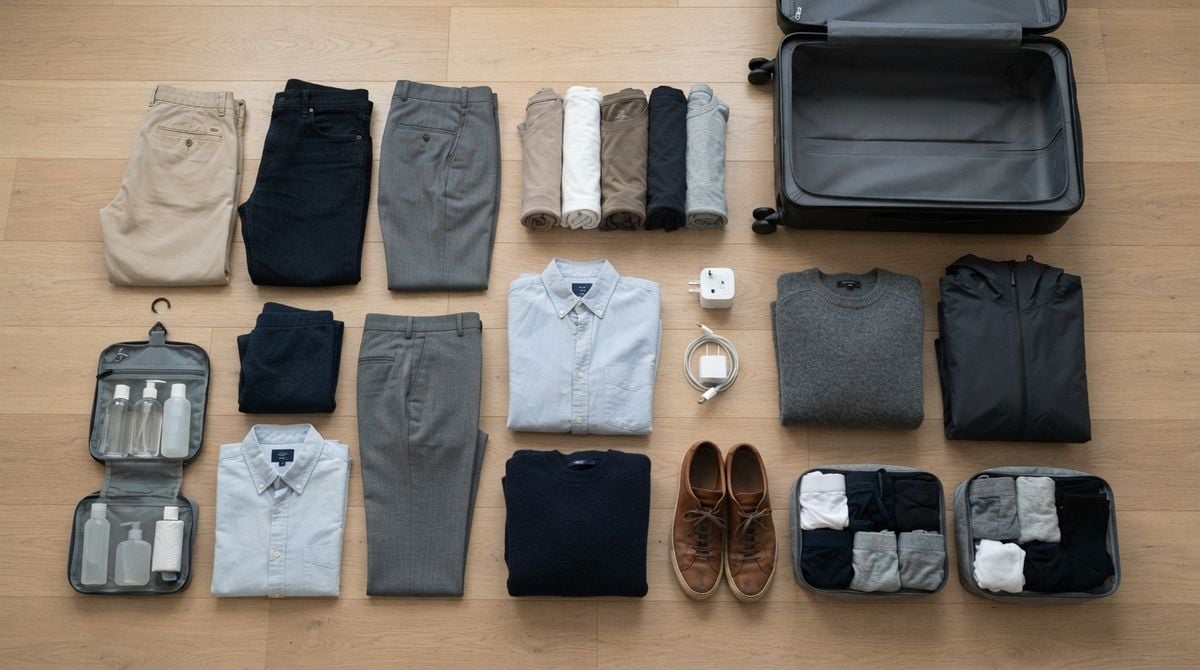
Anyone who travels often develops a packing habit without thinking about it. The same bag gets the same items, the same pouch gets checked at the same moment, and most trips run without much trouble. A routine that feels fine at home can look different in a crowded airport or a small hotel room, however. The easiest way to judge whether it works is to watch a few signs over several trips rather than relying on one good or bad experience.
This article is written for home and lifestyle readers who carry a personal vaporizer or a similar device when they travel. The aim is not a perfect system. The aim is a setup that is easy to repeat, easy to check and easy to change when something goes wrong. Each section below describes one practical signal and a sensible response to it.
Setting a Baseline Before the First Trip
Before changing anything, it helps to record how the current packing routine actually works. Write down the order in which items go into the bag, where the device sits and which pouch holds the charging cable. Keep the note short and store it in a phone or a notebook kept with the luggage. Readers may also want to visit Raku Raku School.
Next, note how long packing takes and whether anything was forgotten. A routine that feels quick at home may become a scramble in a hotel room with poor light. Keep the baseline honest by writing what happened, not what you planned to happen. The first trip is data collection, so treat it as information rather than a test you must pass.
Spotting Early Signs of a Smooth Packing Routine
A working routine tends to show a few simple signs. The bag closes without rearranging, the device is easy to reach at security, and nothing essential has to be dug out during the trip. Calm is another useful sign. A traveler who does not feel rushed on departure morning is probably following a system that suits them. You can also visit Ilearnuk.com for more reading.
Small moments matter as well. If you check the same pocket three times at the airport, the layout needs work. If a charger ends up in a different bag on every trip, the routine lacks a fixed home for it. Each small signal points to a specific change, which makes the routine easier to improve without starting over from the beginning.
Knowing When a Packing Habit Needs Adjusting
When you decide whether the setup needs changes, a clear test helps. Ask whether the same problem appeared on two or more trips in a row. A single bad day is weak evidence, while a repeated problem is strong evidence. For a related read on this site, see Signs a Household Budget Is Working and When.
When a change is needed, adjust one thing at a time. Move the charger to a different pocket, or swap a large bag for a smaller one, then see what happens on the next trip. Changing everything at once makes it impossible to know which change helped. Small adjustments also keep the routine from becoming a burden, because each new habit is easy to remember and easy to undo.
Testing Changes on a Short Weekend Trip
Short trips make good test runs. A weekend away uses the same habits as a longer journey but carries less risk if something goes wrong. Pack using the revised layout, note how it felt, and compare the result with the baseline. Short tests also show whether a change fits the way you really move through airports, hotels and train stations rather than the way you imagined you would.
Share the results with anyone who travels with you. A companion may notice a problem you missed, or may simply find the new layout easier to follow. Outside feedback is a useful signal, although the final decision belongs to the person who packs the bag.
Keep the test notes in the same place as the baseline so that comparisons stay easy. A simple table with three columns works well for most travelers: what was packed, what caused friction and what changed afterward. Over a few short trips, the table shows which adjustments produced calm and which ones created extra work. Pay attention to the moments when the bag felt heavier or harder to manage, since those points often reveal a layout problem that a generic checklist would miss. Finally, note how long it took to repack at the end of the trip, because a routine that is easy to unpack and repack is usually one that will survive the next busy season of travel.
Keeping the Routine Light
A good travel routine should feel lighter after each improvement, not heavier. Keep the baseline note, update it after each trip, and stop changing things once the signs look steady. The goal is a setup that works quietly in the background so that attention can go to the destination.