
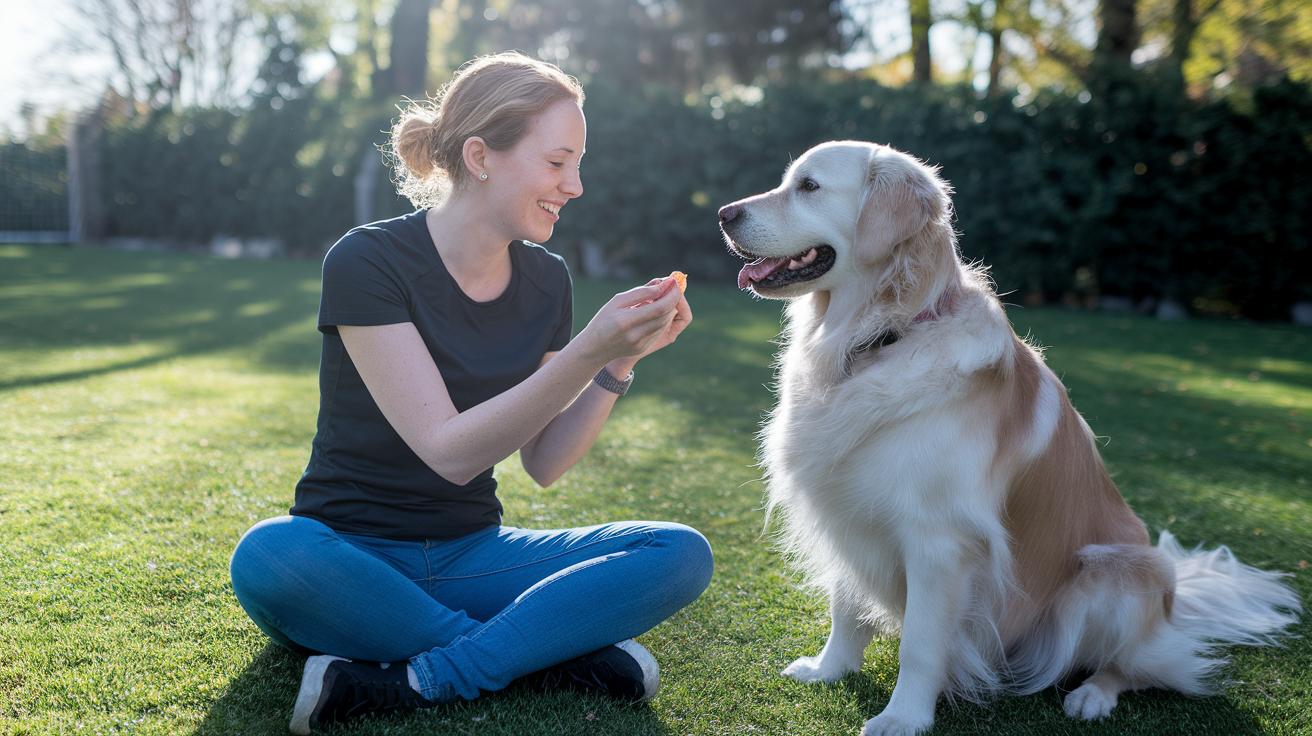
Have you ever noticed that giving your dog a reward for good behavior can be so much more effective than punishment? When you cheer on even the tiniest win, every step your pup takes feels like a mini celebration. Picture your dog’s eyes lighting up when they listen, with a tasty treat or a warm word making them feel truly seen.
This guide walks you through easy, step-by-step ways to build trust while making training fun. It’s all about turning each moment into a chance to connect and celebrate together. By applauding your furry friend, you're not only teaching them new things, you’re creating a foundation of love and respect.
Implementing Positive Dog Training Techniques: A Step-by-Step Guide
Positive dog training techniques focus on celebrating your pup's good actions instead of punishing missteps. It all comes down to understanding your dog’s world and offering rewards that hit right when the behavior occurs. Picture your furry friend lighting up with joy as they get a treat after sitting, that’s the heart of positive training in action.
-
Appreciate your dog's perspective
Try to see things through your pup’s eyes. Notice little signs like a wagging tail or a slight paw raise that show how they feel. Ever seen your dog tilt its head out of curiosity? That’s their sweet way of communicating with you. -
Meet your dog's needs
Training isn’t just treats, it’s also about love, fun exercise, and little challenges for their brain. A quick game of fetch or a stroll in the park can turn training into a joyful part of your day, keeping your pet engaged and happy. -
Apply positive methods
Link the behavior you want with an immediate reward. When your dog listens, say something like, "Good job!" while giving them a treat or a pat on the head. This instant praise helps them understand what makes you happy. -
Avoid fear and physical punishment
Steer clear of any harsh or scary methods. Instead, use a gentle tone and a comforting touch if your pup gets startled. This way, you guide your pet back to focus without adding any stress.
Keep these steps in mind during your daily moments together. Whether it’s practicing commands during mealtime or turning a playful walk into learning time, every little interaction builds trust and turns training into a fun, rewarding journey for both of you.
The Science of Positive Reinforcement in Dog Training Techniques

When it comes to training your dog, timing is truly important. Right after your dog does something you like, give a clear signal, maybe a clicker sound or a happy word, so your pet knows exactly what behavior you’re celebrating. Imagine the excitement when your dog hears that sound, almost like catching their favorite ball in mid-air.
Rewarding your dog right away builds trust and makes everyday training moments even more special. It shows your pet that you notice their good behavior, and they can feel your genuine appreciation. Have you ever seen a dog light up at the sound of praise?
- Immediacy: The minute your dog follows a command, offer a treat or a kind word.
- Consistency: Use the same cue and reward method every time so your dog feels safe and knows what to expect.
- Clear cues: Pick a specific sound or word as a signal, a little beacon your dog can rely on.
- Value of the reward: Choose treats, games, or extra playtime that really motivate your dog.
- Gradual fading: Once your dog masters the behavior, slowly give fewer treats while still celebrating the right actions.
This approach, inspired by the LIMA (Least Intrusive, Minimally Aversive) philosophy, keeps training fun and stress-free. By combining perfect timing, clear cues, and consistent rewards, you help shape your dog’s behavior in a way that feels both natural and caring.
Selecting Rewards in Positive Dog Training Techniques
Finding the perfect reward for your dog is key. Some pups perk up at the sight of a tasty treat, while others light up with a bit of playful fun or a few kind words. For example, if your dog loves to play energetically, a quick game of tug-of-war might be just the ticket. But if your buddy is more laid-back, a gentle pet or a cheerful "good job" might do wonders. Keep an eye on your pet's reactions so you can match rewards to their personality and the challenge of the training session. This makes learning fun and more effective for your furry friend.
- Praise
- Tug
- Fetch
- Petting
When it comes to using food as a reward, it helps to keep your dog's health in mind. Try choosing low-calorie treats (ones that won’t pack on extra weight) or break treats into tiny pieces. You can also adjust meal portions on training days so that tasty rewards stay part of a balanced diet. This way, every little success is celebrated without tipping the scales.
Basic Positive Dog Training Techniques: Foundational Drills

Positive training is all about noticing your dog's good behavior right when it happens and guiding them one step at a time. You can catch those natural moments or slowly shape new behaviors by pairing a cue with a reward. It’s a fun way to build that special bond where your commands and treats go hand in paw.
-
Sit Drill
When you want your pup to sit, say "sit" and gently guide them into position with your hand. Imagine your dog following your gesture like it's an invitation to relax. The moment they sit, offer a small treat or a cheerful word of praise. Practice this several times a day until your furry friend sits whenever you ask. -
Stay Drill
For the stay drill, use the word "stay" paired with a calm hand signal. Watch your dog hold the position and then give them an immediate reward. Over time, slowly extend the gap between the command and the reward so your pet learns to stay put a bit longer. -
Recall Drill
When it’s time for recall, call your dog with a clear command like "come" and make eye contact. As soon as they come back to you, shower them with praise or a yummy treat. Start practicing in quiet, low-distraction spots, and then try it in a busier area.
Eventually, mix up the rewards and gradually give fewer treats. This keeps your dog engaged and makes the training feel fresh and fun for both of you.
Addressing Common Behavior Challenges with Positive Dog Training Techniques
When tackling behavior issues with your dog, the LIMA approach is all about keeping things gentle. It suggests starting with the softest way to help, like catching your dog’s eye with a toy, teaching a new trick, or even giving a little space when they act out. This way, your furry friend learns without feeling scared or overwhelmed. For instance, if you notice your pup getting anxious, a short pause and a kind redirection can calm the moment without any harsh words.
- If your dog pulls on the leash, cheer on when they walk nicely by your side. Even small steps count.
- If jumping is the problem, ask your dog to keep all four paws on the floor before you say hello. This helps them learn to greet calmly.
- For barking, try a quiet command and give a treat or a gentle word when they stay calm. It shows them that quiet time is a win.
- When your dog climbs on kitchen counters, gently guide them to another fun activity. Praise their focus on something else to keep them away from the surfaces.
Remember, steady practice is key. Each little good behavior builds a strong bond and lasting habits. Stay patient, keep the training fun, and soon your dog will know that being calm brings lots of rewards. Every session grows your trust, making your time together even more special.
Advanced Positive Dog Training Techniques and Technology

Technology is changing the way we train our pups, making sessions more lively and connected. New smart devices and interactive games adjust to your dog's learning speed, keeping them engaged as they pick up on subtle body signals you might miss. It’s like turning a regular training session into a playful adventure that feels as natural as a game of fetch on a sunny day.
Imagine this: training that mixes fun playtime with sound science. These modern tools give traditional methods a fresh twist, helping your dog face new challenges with a curious spirit and extra confidence. Have you ever seen a wagging tail light up a room? That’s the magic of blending learning with play.
- Smart collars: They track your dog’s heartbeat and notice body language cues on the spot.
- VR environments: They set up safe yet lifelike scenarios where your pup can explore without worry.
- Cognitive apps: They offer engaging games that adjust automatically to your dog's progress.
- Scent work: They tap into your dog’s natural nose skills, turning training into a fun sniffing adventure.
- Tele-training: They provide remote coaching, making expert advice available right from home.
By mixing these cool modern tools with old-school reward-based methods, you create a balanced training plan that supports your pup’s growth and builds a bond that lasts. Isn't it wonderful when learning feels just as joyful as a walk in the park?
Final Words
In the action, we broke down positive dog training techniques that focus on rewards instead of punishment. We mapped out clear steps, from understanding your dog's needs to applying rewards precisely. Each section walked you through choosing treats, mastering basic drills, and addressing common behavior challenges with a kind touch.
We even touched on advanced tools that blend old and new ideas for a balanced approach. Remember, using positive dog training techniques builds trust and creates heartwarming moments with your furry friend. Enjoy each training session!
FAQ
Frequently Asked Questions
What are positive dog training techniques, such as those shared on Reddit and used at home?
The positive dog training techniques highlighted online and at home rely on reward‐based methods like treats, praise, or play to build trust and encourage behaviors with clear, immediate feedback.
What are some examples of positive reinforcement dog training?
The positive reinforcement dog training examples include teaching commands like sit, stay, and recall using treats and verbal praise, which reward correct behavior to help it stick.
How do positive reinforcement methods differ from correction-based approaches in dog training?
The positive reinforcement dog training methods focus on rewarding desired behaviors instead of correcting mistakes, creating a stress-free learning environment that builds confidence and trust in your dog.
What does negative reinforcement dog training involve?
The negative reinforcement dog training involves removing an unpleasant stimulus when your dog shows the correct behavior, although many trainers prefer rewards to build a positive, trusting relationship.
How can I find positive reinforcement dog training classes near me?
The positive reinforcement dog training near me option refers to local classes and trainers who use reward-based methods, offering personalized and supportive guidance to help you and your dog succeed.
How does psychology influence positive reinforcement dog training?
The positive reinforcement dog training psychology centers on immediate rewards and clear cues, which guide your dog to repeat desired behaviors and build a strong, trusting bond with you.
Are there free PDF guides available for positive reinforcement dog training?
The positive reinforcement dog training PDF resources offer free, step-by-step guides online, giving pet parents research-based techniques to implement reward-based methods confidently at home.
What is the 3-3-3 rule for dog training?
The 3-3-3 rule for dog training means practicing a behavior in three sets, with three repetitions, across three different environments to help your dog generalize the command smoothly.
What is the 7-7-7 rule for dog training?
The 7-7-7 rule for dogs typically involves practicing a command seven times per session, in seven contexts over seven days, reinforcing learning and building consistency in your dog’s responses.
What are the most effective dog training methods?
The most effective dog training methods use positive reinforcement with clear cues, immediate rewards, and consistent timing, which together create a nurturing and successful learning environment for your pet.