

Have you ever imagined that your older pet could still be as lively as a young pup? Holistic pet care shows us a fresh way to keep our senior friends feeling vibrant. Think of it like tuning up an old engine – balanced meals, gentle play, and soothing routines all help keep everything running smoothly. Focusing on natural treatments (simple methods that work with your pet's body) and regular check-ups supports both the body and the spirit. This warm, caring approach lets your furry friend stay cheerful, active, and a beloved part of your family for many more happy years.
Holistic Foundations: Comprehensive Care for Senior Animals
Holistic pet care is all about looking after your pet’s whole well-being. It mixes natural fixes, balanced meals, gentle exercise, and routine check-ups to help your furry friend age with strength and comfort. Think of it like tuning up both the body and mind, so every part of your pal works together nicely.
A big piece of this care is focusing on good food, easy daily movement, and keeping stress at bay. For example, serving meals full of high-quality proteins (the key building blocks for your pet’s body) and balanced fiber can gently support an aging metabolism. And even a short, light walk or a bit of playful time helps keep joints moving smoothly. Sometimes, just setting up a peaceful, cozy spot for your pet to relax can make a huge difference.
When you bring these simple tips together, senior pets often feel happier and more energetic. This caring approach helps maintain smooth, flexible joints, calms their minds, and boosts overall health, so our older companions continue to feel loved, lively, and part of the family.
Nutrition and Supplement Protocols for Senior Pets

When our furry friends start to age, their energy and digestion shift, and we naturally need to adjust their meals to keep them feeling spunky. It’s like noticing that gentle, slowing heartbeat that still beats strong with care.
Think of a balanced diet as a blend of:
- High-quality protein (for muscles and energy)
- Fiber (to keep the tummy happy)
- Probiotics (good-for-you bacteria for digestion)
- Omega-3s (great for shiny coats and healthy joints)
- Hydration (fresh water is a must)
A lot of pet parents also chat about supplement options, like choosing between colloidal silver and ionic silver. The key here is being careful with the dosage because even a tiny tweak can change how your pet feels. For example, colloidal silver might offer some benefits, but sticking to the recommended dose is super important. Most of these specialty supplements ship quickly in the USA, usually in 3-5 days, and even come with free shipping if you spend over $99. If you’re on the hunt for trusted options, check out this guide on natural supplements in preventive pet care for extra peace of mind.
When it comes to extra feeding choices, the debate between raw and cooked diets pops up. Some pet owners feel that raw diets align with a pet’s natural instincts, providing that pure, unprocessed nutrition. Others lean towards cooked meals to ease digestion, especially if their pet’s stomach seems a bit sensitive. Every senior pet is unique, so experimenting with a mix of raw and cooked can help you find just the right recipe for a happy, healthy companion.
Complementary Treatments and Herbal Remedies for Senior Animals
Herbal anti-inflammatories can really brighten the days of our older pets. Ingredients like turmeric and boswellia work naturally to ease swelling and help joints feel more comfortable. These gentle botanicals not only reduce irritation but also bring extra relief for pets dealing with arthritis or age-related aches. Many pet parents love how these herbal options blend perfectly into a whole-body wellness approach.
Colloidal Silver: Uses & Safety
Colloidal silver is a popular supplement in holistic pet care to boost immune health, but it needs to be used with care. First, have a chat with your holistic vet before adding any new supplement to your pet’s routine. Next, start with a tiny dose, just enough to see how your furry friend reacts. Finally, keep a close watch on their response and adjust the dose if needed. It’s all about making sure our pets stay safe and feel their best.
Essential Oils & Topical Botanicals
Essential oils and topical botanicals offer targeted help for skin troubles and anxiety in senior animals. A few drops of a diluted, pet-safe oil can soothe irritated skin and calm a jittery companion. There’s something magical about the gentle feel of natural oils easing discomfort and inviting peaceful moments. Homeopathic options also earn a spot in many pet care routines, whether for emergencies or everyday use. For example, some pet parents trust these subtle remedies (like those often suggested for dogs) to give their senior friends a little extra, natural boost.
Physical and Mobility Support in Holistic Pet Care for Seniors
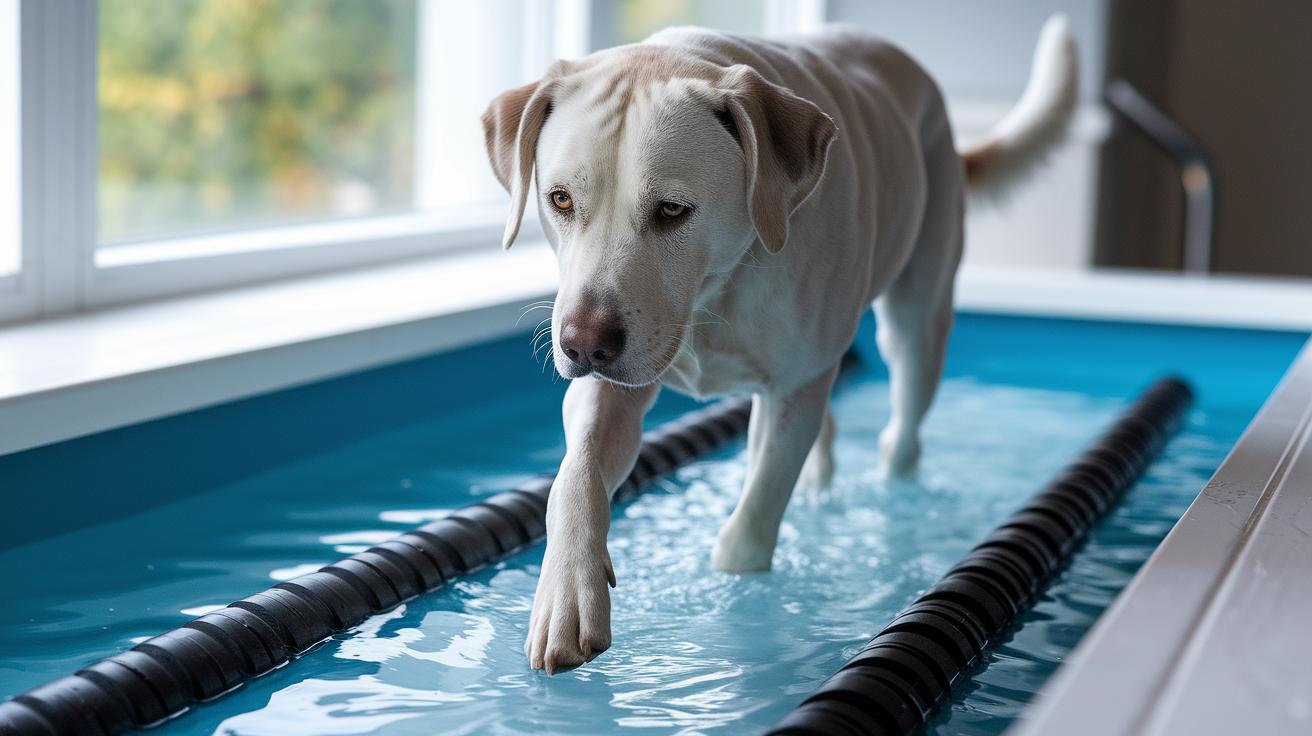
As our furry friends grow older, you might notice that their walk isn’t as smooth or their pace as brisk as it once was. Their joints can feel a bit stiff, and little changes in their movement can signal that some extra love and care is needed.
To help ease discomfort and keep them active, gentle exercises can work wonders. Think of these as kind, targeted routines that build strength without stressing their aging bodies. It’s all about moving in a way that respects their changing needs.
- Water treadmill
- Assisted walks
- Balance drills
- Massage
Hydrotherapy can be a real game changer. Imagine the soothing warmth and light resistance of water gently supporting your pet’s body. It helps reduce the load on their joints, allowing for smoother movements. At home, you can set up simple balance exercises or stretches that mirror this gentle support. Many pet parents notice that these low-impact moves, especially when paired with a good session in warm water, can boost muscle tone and improve overall mobility. Plus, it’s a great way to enjoy some quality bonding time.
It’s important to watch how your pet reacts to each activity. Keep an eye out for signs that they’re more at ease or moving with less discomfort. If you notice pain sticking around or your pet seems unsure after a workout, you might want to dial back the intensity a bit or check in with a vet. By paying close attention, you can adjust the routine to keep them comfortable and full of vitality.
Emotional and Cognitive Well-being for Senior Pets
Our aging buddies can feel uneasy when their world changes. Shifts in their routine, softer senses, or simple aches can leave them feeling restless, withdrawn, or even a little confused. When you notice these signs, it’s a hint to offer gentle care and a steady routine so they feel safe and loved.
Cognitive Enrichment Activities
Keep your pet’s mind active with playful brain games. Here are some ideas to try:
| Activity | Description |
|---|---|
| Puzzle Feeders | Feed treats hidden inside a toy to spark curiosity |
| Scent Discovery | Let your pet explore familiar smells around the house |
| Memory Games | Use a favorite toy to gently challenge their recall |
| Gentle Fetch | Play light fetch with soft, easy-to-catch objects |
| Interactive Treat Puzzles | Encourage problem-solving with fun puzzles that reward them |
Older pets might also enjoy a bit of scent therapy. A couple of drops of pet-safe essential oil (just a few drops of a mild, soothing scent) can lift their spirits and help ease anxiety.
Taking quiet moments together can work wonders too. Think about sharing a gentle petting session or going for a short, relaxed walk where you both take in the calm. Breathing slowly together or simply sitting side by side helps bring peace to both of you, deepening the special bond you share. Ultimately, these thoughtful routines let your senior friend know they are cherished and secure every day.
Partnering with Holistic Veterinarians for Senior Animal Wellness
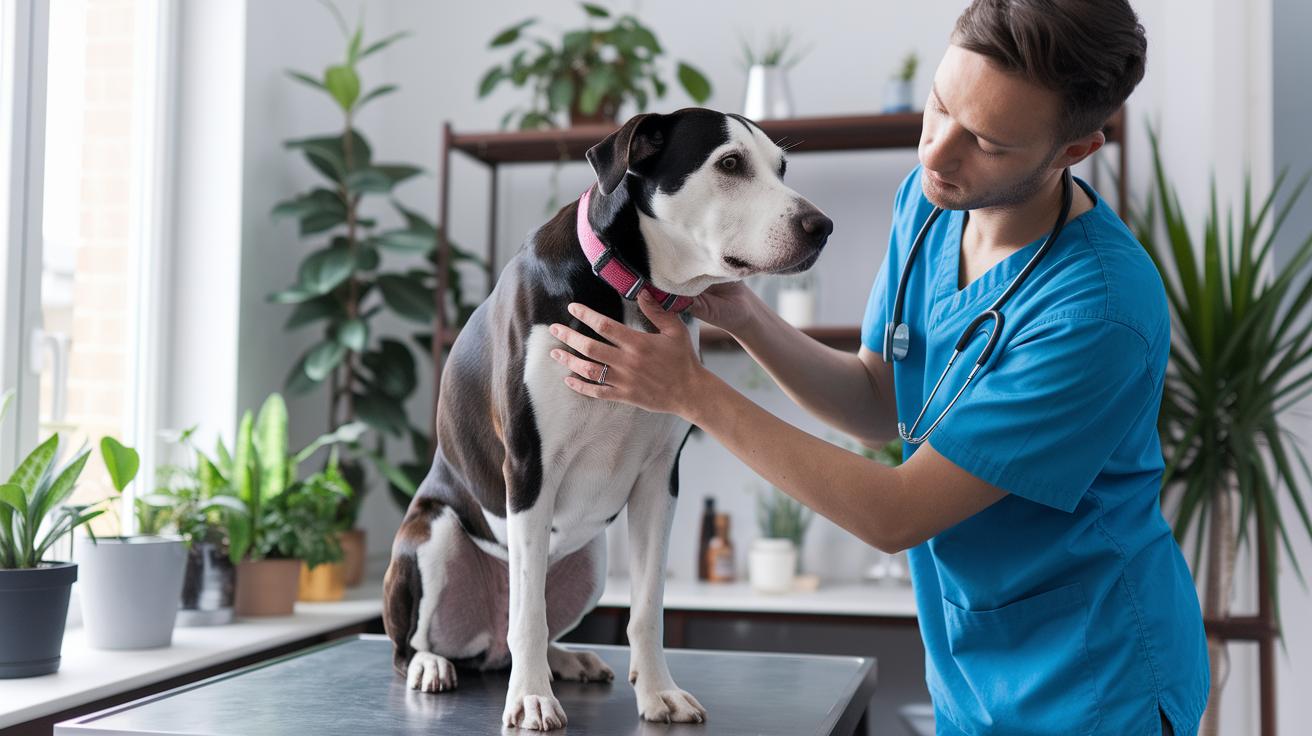
Holistic exams look at your pet's health in a complete way. They mix regular checkups with natural, full-body reviews. Imagine a routine visit (like in the dog preventive care guide) where the vet checks your pet’s fitness, eating habits, and energy levels. This careful look helps catch age-related issues early so they can be handled gently.
A few special tests are part of this type of exam. Many clinics now offer things like:
| Test | Benefit |
|---|---|
| Acupuncture | Boosts circulation and eases joint stiffness |
| Energetic body scan | Checks subtle energy and overall well-being |
| Quality-of-life scale | Tracks changes in behavior and improvement |
Regular check-ups help you keep track of your older pet’s health. Working with a holistic veterinary team means you create a care plan together. This plan might include ongoing wellness visits, custom therapy sessions, and even eco-friendly clinic options (check out sustainable pet care tips). With this thoughtful approach, you can stay ahead and make sure your pet’s golden years are comfortable and full of care.
Final Words
In the action of caring for aging companions, our guide walked through natural nutrition, gentle exercise, calming emotional support, and the value of integrative vet care. We broke down practical tips on blends of raw feeding, home-based movement routines, and simple stress relief techniques. With each step, you’re providing warmth and balance for your furry friend. Embrace every small effort for holistic pet care for senior animals, each moment adds joy to their golden years.
FAQ
What is the easiest pet for a senior?
The easiest pet for a senior often means a low-maintenance companion like a cat or a small dog. They thrive on simple routines and provide cozy companionship, making them a natural fit for a comfortable lifestyle.
What is the holistic approach to animal care?
The holistic approach to animal care looks at the whole pet—its body, mind, and nutrition. This method blends natural remedies, balanced feeding, gentle exercise, and quiet stress relief methods for overall well-being.
What age is considered senior for pets?
The age considered senior for pets generally starts around seven to ten years old for cats and dogs, with variations based on breed and size. This timeframe helps guide adjustments in care and lifestyle.
What if the elderly are unable to care for pets?
When elderly pet owners can’t provide full care, community resources, trusted family, or professional pet care services can step in. These supports ensure pets continue to receive loving and safe care.