

Have you ever thought about letting natural healing help your pet bounce back after surgery? Blending modern treatments with gentle, natural care can soothe both their body and their spirit. Think of it like a relaxing massage, a soft pat on the shoulder that eases tight muscles and melts away discomfort. This approach not only helps your pet recover faster, but it also gives them a comforting boost. Today, let’s chat about how mixing natural remedies with careful vet care can gently guide your furry friend back to good health.
Integrative Post-Operative Care Strategies for Pets
Blending modern vet care with gentle, natural techniques creates a refreshing healing plan for our furry friends after surgery. A method like myofascial release massage can feel just like a warm pat on a tired friend’s shoulder, easing tight muscles and softening discomfort. It not only helps the body heal but also calms those sensitive feelings that can come after an operation.
Other noninvasive treatments, including Chinese herbal medicine (a simple mix of natural remedies), cold laser, ultrasound therapy, and pulse shock wave treatments, add extra support to your pet’s recovery. Imagine a cold laser session that feels as soothing as a soft, warm burst of sunlight on a cool day. For more helpful tips, check out holistic pet nutrition tips.
When you combine these caring techniques with regular vet visits, you build a strong plan that gently wakes up your pet’s natural healing power. Soon, you might see your little buddy gaining strength and playfulness, all while being nurtured by both modern treatments and heartwarming natural care. Each step in this process is designed to celebrate progress while easing both physical and emotional challenges.
Nutritional Support and Balanced Postoperative Diets for Pets
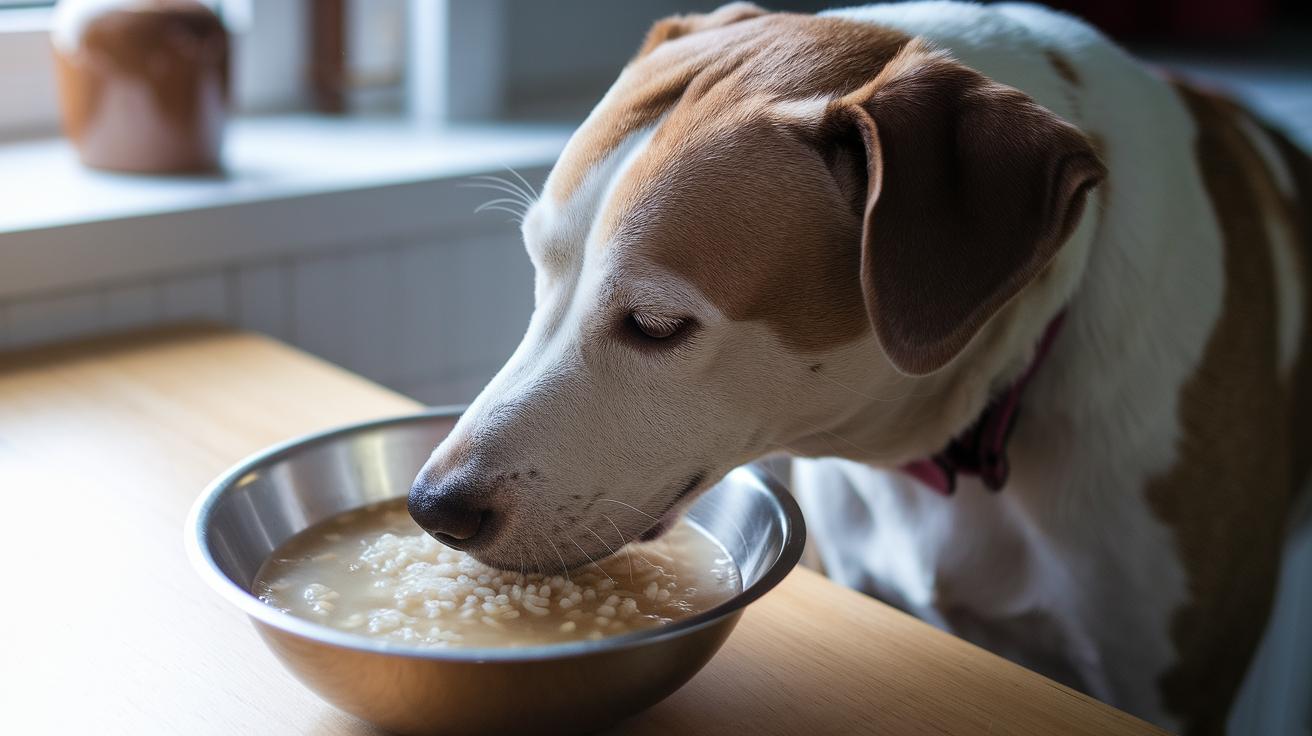
After surgery, your pet needs gentle, nourishing meals to help them heal. Right after an operation, it’s best to serve foods that are easy on the tummy yet packed with good protein (the building blocks for healing), healthy fats (for energy and cell repair), and important vitamins and minerals. Feeding smaller, more frequent meals can ease an upset stomach and steadily support tissue repair. Adding a splash of omega-3 (which helps calm inflammation) and a pinch of turmeric (a natural anti-inflammatory) can make meals even more comforting, almost like a warm cuddle in a bowl. For more tips on setting up a balanced post-surgery diet, check out role of diet in preventive pet care.
Good proteins rebuild tissues, while healthy fats give lasting energy and aid cell growth. Combining fresh, whole foods with a few smart supplements like probiotics (friendly germs that help your pet’s gut) keeps their digestion happy. Over time, these careful changes help healing tissues and boost the immune system. It’s all about crafting meals that feel both caring and effective, one bite at a time. Moving slowly from liquid meals to solid foods makes the transition easier on a sensitive stomach, ensuring a smooth return to normal eating.
| Post-Op Day | Meal Components | Key Benefits |
|---|---|---|
| Day 1 | Broth-based protein with rice | Eases digestion, keeps them hydrated |
| Day 3 | Soft-cooked lean meat with sweet potato | Helps repair tissues, offers gentle fiber |
| Day 5 | High-quality kibble mixed with omega-3 supplement | Balanced nutrition, reduces swelling |
Therapeutic Modalities in Holistic Pet Recovery
Acupuncture treatment for pet wellness offers a special way to help your furry friend feel better. This method uses tiny needles to tap into key spots, sparking your pet's natural healing response. The process boosts blood flow and softens pain, almost like nudging the body to hit its reset button. Picture each little needle acting as a helpful switch, easing discomfort as it spreads warmth through your pet's body.
Gentle rehabilitative exercises are another comforting tool in pet recovery. These low-impact moves, like relaxed walks and simple stretches, are designed to match your pet's pace while rebuilding strength. Imagine your pet strolling gently on a cool, dewy lawn, each step supporting smoother and more natural movement. These carefully planned steps help ease stiff muscles without overloading tired tissues.
Herbal and Homeopathic Remedies for Accelerated Healing
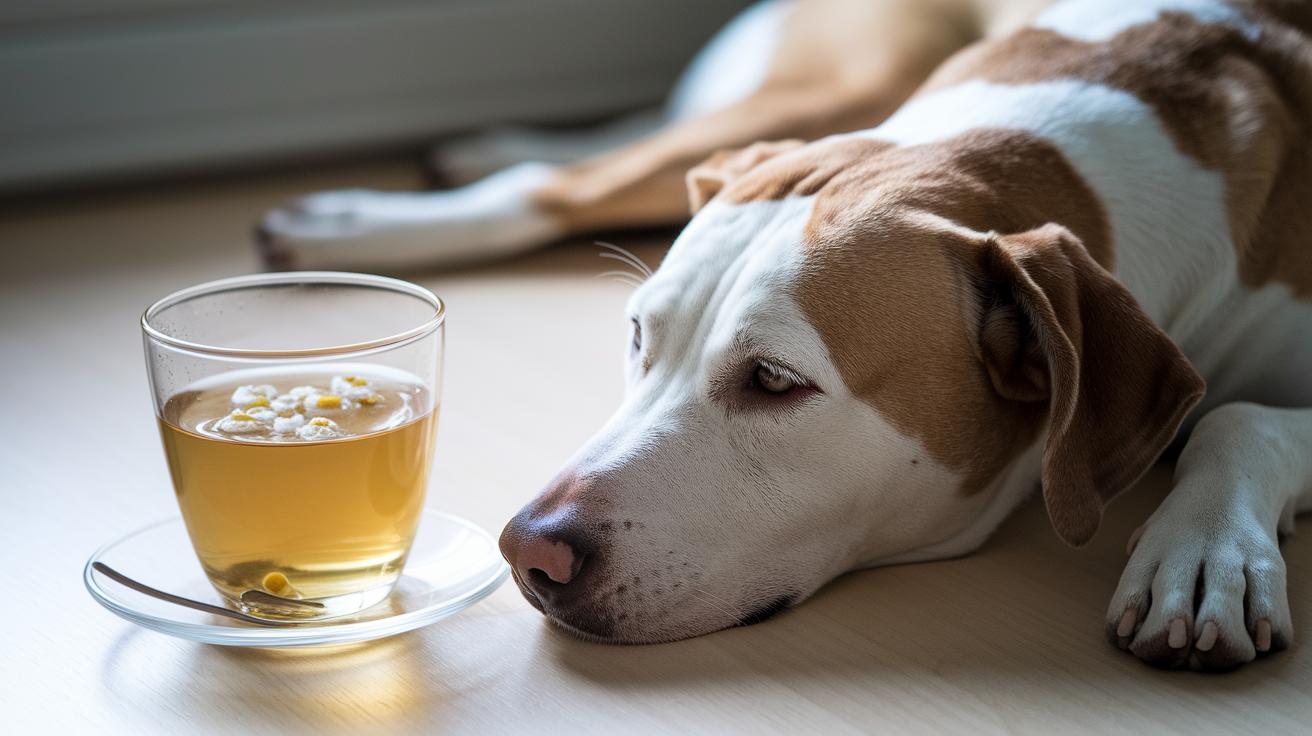
Herbal infusions and natural pain relievers can gently help your pet recover after surgery. For instance, you can make a soothing chamomile tea by steeping one teaspoon of dried chamomile in eight ounces of boiling water. Let it cool down, then offer just a little to ease your pet's nerves. It's like a warm, comforting hug in a cup.
Calendula is another friendly helper in this journey. Mix one part calendula extract with four parts water to create a gentle wash you can apply to your pet's skin. This helps support the repair of tissues, making recovery a little bit smoother.
Turmeric, known for its inflammation-fighting powers (it helps reduce swelling), is best used in small amounts. Try mixing about 1/8 teaspoon into your pet’s meal. This little boost can make a big difference in keeping swelling under control. In many Chinese herbal practices, these natural ingredients are combined under a professional's guidance so that your pet’s body can gently find its balance again.
Homeopathic options like arnica montana also have a place in easing pain after surgery. Often, a few drops of a 30C arnica solution are added to a bit of water and given as per your vet’s advice. It’s a soft way to help ease discomfort. Meanwhile, a single drop of lavender essential oil (mixed into a carrier oil like coconut oil) can be massaged into areas where your pet seems tense. Always adjust the amount as needed based on professional recommendations to keep your furry friend safe and comfy.
Setting Up a Safe and Calming Healing Environment for Pets
After surgery, your pet deserves a quiet, cozy spot where they can really relax. Pick out a little room just for them, one with soft bedding, a comfortable temperature, and gentle lighting that reminds you of natural daylight. Keep the background noise low and the household hustle to a minimum. Picture your pet resting in their own calm corner, where the only sounds are their quiet breaths and maybe a soft, soothing tune in the background. Little home care tweaks like these can really set the stage for a smooth, happy recovery.
Small extras go a long way, too. Try a pheromone diffuser (a gadget that spreads calming scents much like what a pet might naturally feel) or play some soft background music to soothe their nerves. Regular little breaks and calm periods help your pet gradually rebuild their energy while easing anxious feelings. For more ideas on creating the perfect healing environment, check out this link: enhancing pet mental health with environmental enrichment. In truth, these simple adjustments create a stress-free zone that helps your furry friend feel comfortable and get stronger again.
Monitoring Recovery Milestones and Veterinary Warning Signs

Tracking your pet’s recovery after surgery is really important for a safe and smooth healing journey. A simple checklist makes it easy to notice any problems early so you can decide if a vet visit or some extra care is needed.
- Look at the cut each day to see if there’s any redness, swelling, or discharge.
- Watch your pet’s appetite to be sure they’re eating enough for healing.
- Check their energy levels, notice if they seem much more tired or unusually restless.
- See how they move and note any trouble with walking or any stiffness.
- Keep an eye on behavior changes that might show discomfort or pain.
- Notice if your pet has a fever, is breathing faster than usual, or shows ongoing signs of pain.
Keeping a little journal of these daily checks gives you a clear picture of your pet’s healing process. Sharing these notes with your vet during follow-up visits makes it easier to catch any issues early. This thoughtful routine not only keeps you informed but also reassures you that your furry friend is steadily on their way back to full health.
Final Words
In the action, we explored integrative post-operative care strategies that blend traditional vet wisdom with gentle therapies. We touched on healing techniques like Chinese herbal protocols and noninvasive modalities, along with diet tweaks and supportive environments to spark natural recovery.
These insights wrap up a guide to holistic post-surgery care for pets that can guide you in making your pet’s healing both smooth and uplifting. Keep celebrating each small step toward recovery and enjoy every win along the pet care path.
FAQ
What is the best holistic post surgery care for pets and what helps dogs heal after surgery?
The best holistic post surgery care for pets means combining natural therapies like cold laser treatment, Chinese herbal medicine, and nutrient-rich diets with vet care to boost healing and ease discomfort.
What natural remedies serve as alternatives to antibiotics for dogs?
Natural remedies for dogs may include herbal extracts and plant-based agents known for antimicrobial effects, offering a gentler option that can support minor infections alongside traditional veterinary care.
What should you do if your dog is poisoned or intoxicated at home?
What to do for a poisoned or intoxicated dog involves avoiding home remedies and calling your vet immediately, while keeping your pet calm and monitoring for symptoms until professional care is available.
How can you safely use witch hazel for dogs?
Witch hazel for dogs can be used topically when diluted to help soothe minor skin irritations; always test a small patch first and consult your vet if the condition persists.
What home remedies can help with dog mouth sores using baking soda?
Home remedies for dog mouth sores may involve a mild baking soda rinse to neutralize acids and reduce irritation, but always check with your vet before starting any treatment.
What are effective home remedies for dog vomiting?
Home remedies for dog vomiting suggest a temporary fast from food with careful water offers; if vomiting continues or worsens, professional veterinary advice should be sought immediately.
How do you detox a dog after anesthesia safely?
To detox a dog after anesthesia, supportive care such as offering small, frequent meals and plenty of water helps the liver process drugs; following your vet’s guidance is key.
What does holistic care for pets mean?
Holistic care for pets means merging traditional treatments with natural methods like herbal supplements and dietary changes to support both physical recovery and emotional well-being.
Are scrambled eggs good for dogs after surgery?
Scrambled eggs can be a gentle protein source for dogs after surgery, offering easily digestible nutrition, but it is best to follow your vet’s dietary recommendations for your pet’s recovery.