

Ever thought a pet leash could be your small way to help the Earth? Imagine your furry friend enjoying a stylish accessory made from natural materials like hemp, cork, or organic cotton instead of plastic.
These eco-friendly leashes keep your pet comfy while giving a little boost to our planet. Have you ever noticed how even small choices can add up to big changes? Today, I’m sharing some bright eco picks and handy buying tips that make it easy for you to choose greener options.
Let’s explore how your next leash can make a real difference.
Key Considerations for Sustainable Pet Leash Purchases
Eco-leashes really matter. They help lower waste while keeping your furry friend safe and stylish. Choosing materials like hemp, cork, and organic cotton instead of making new plastic parts means less harm to our planet. For example, a repurposed climbing rope transforms what could have been trash into a sturdy pet accessory. This choice saves resources and cuts down on harmful gases. And remember, free US shipping kicks in for orders over $75, which makes eco-friendly choices even smarter.
When you go for a sustainable pet leash, you support both your pet's safety and the earth's health. Here are some friendly tips to consider while shopping:
- Material Choice: Pick renewable, biodegradable options instead of new plastics and nylon.
- Eco-Impact Metrics: Check how the product helps lower emissions and use fewer resources.
- Shipping: Look for free US shipping over $75 instead of paying extra based on weight.
- Certifications: Find eco-labels from trusted third parties to back up the claims.
- Budget: Think about the long-term savings from durability and less frequent replacements.
- Brand Ethics: Choose companies that are open about their sustainable practices and materials.
These points work together to guide you toward a smart purchase. In truth, your eco-leash can be both safe for your pet and kind to the environment.
Comparing Eco-Friendly Materials for Sustainable Pet Leashes

Every leash material brings its own little superpower to eco-friendly pet care. Cork, for example, renews itself in nature without harming its tree, letting nature do its thing. Hemp grows fast with hardly any chemicals, and it even gives food back to the soil. An organic cotton blend combines hemp with gentle, certified organic cotton for a soft, earth-friendly feel. Upcycled rope turns old climbing ropes or recycled plastic bottles into something new, cutting down on waste. And Pinatex, made from pineapple leaves, offers a vegan, cruelty-free twist. These options help you choose a leash that’s just right for your pet’s daily adventures.
| Material | Sustainability Benefit | Durability |
|---|---|---|
| Cork | Renews naturally, low impact on trees | High, even in wet or rough play |
| Hemp | Grown with few chemicals and helps soil | Very sturdy and long-lasting |
| Organic Cotton Blend | Mix of hemp and organic cotton, eco-friendly | Good durability for everyday walks |
| Upcycled Rope | Reuses materials, cuts down on waste | Rugged and robust |
| Pinatex | Vegan-friendly and cruelty-free | Reliable under tension and wear |
-
Cork:
- Regenerates naturally, giving back without harm.
- Works well even when wet or during rough play.
- Might need a little extra care to keep it looking fresh.
- Its unique texture might not be for every pet.
-
Hemp:
- Grown with a light touch on chemicals for a greener footprint.
- Helps improve soil quality by absorbing CO₂.
- Super strong for pets with lots of energy.
- It can feel a bit stiffer than softer fabrics.
-
Organic Cotton Blend:
- Combines hemp and organic cotton for a gentle, eco-friendly feel.
- Carries certified eco-friendly credentials.
- Great for daily walks and routine adventures.
- May wear out a bit quicker if used heavily.
-
Upcycled Rope:
- Gives old materials like climbing ropes and recycled plastics a second life.
- Helps reduce waste in landfills.
- Built tough with strong recycled fibers.
- Quality might change a little depending on the source.
-
Pinatex:
- Made from pineapple leaves, offering a fresh sustainable spin.
- Provides a vegan, cruelty-free option.
- Holds up well on long, active walks.
- Feels different than traditional leather-style options.
Matching the material to your pet’s size, energy, and play habits helps you pick a leash that's both green and perfectly suited to your furry friend's lifestyle.
Eco-Certifications and Standards for Sustainable Pet Leashes
When you're out shopping for a pet leash made with the earth in mind, it's a smart idea to double-check those eco claims. Sometimes, what seems green at first may not be as genuine as it appears. Look for trusted certifications and clear info about where the materials come from. For example, The Good Dog Company uses hemp blended with 45% certified organic cotton (which means the cotton is grown without harmful chemicals), while Found My Animal proudly uses nylon rope made in the US to help local suppliers. And then there’s Pinatex, a material crafted from pineapple leaves that promises a cruelty-free process. If you see words like "recycled" or "repurposed," that usually means upcycled materials were used. Taking a moment to check third-party audit marks can really boost your confidence in your purchase.
| Certification | What It Means |
|---|---|
| GOTS | Global Organic Textile Standard for genuine organic fibers |
| OEKO-TEX | Makes sure textiles are free from harmful chemicals |
| FSC | Certifies that natural materials come from responsibly managed sources |
| Recycled Content | Indicates the product uses repurposed materials |
| Cruelty-Free | Shows that the manufacturing process is humane and ethical |
Before you decide on a pet leash, it’s a good habit to ask for documentation or third-party audit reports to back up those eco claims. This kind of transparency not only assures you that the leash meets strict environmental standards but also helps contribute to a greener, healthier planet for both your pet and you.
Durability and Performance Evaluation of Sustainable Pet Leashes
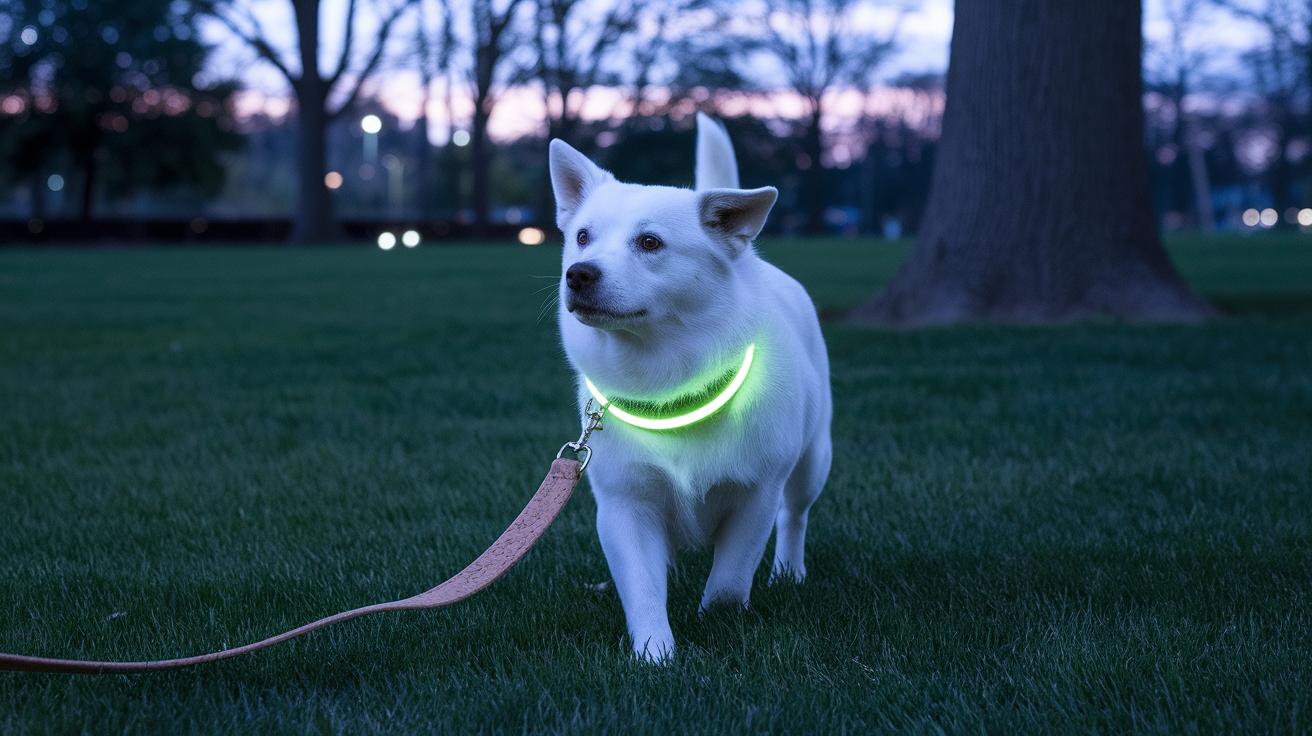
Your pet’s safety is the top priority, so choosing a leash that can handle everyday adventures is super important. Think of it like this: a good leash is tough enough to resist wear and tear while keeping your furry friend secure. Materials like cork and hemp not only help the planet, they’re also surprisingly strong (that means they can handle a lot of pulling without breaking).
For example, Little Pine’s repurposed climbing rope leash, priced at 35 CAD, has been put through load-bearing tests to ensure it holds up during play. And Wild One’s leash, which costs 58 USD, features reinforced stitching that’s just right for small breeds, giving you peace of mind during your daily walks.
Key features to look for include:
- Tensile strength (how much pulling force it can take)
- Abrasion resistance (stays strong even when rubbed or dragged)
- Knot stability (keeps knots secure, so nothing slips loose)
- Hardware quality (strong metal parts that won’t snap)
- Reflectivity (helps your pet be seen in low light)
When picking a sustainable leash, it’s all about balancing eco-friendly choices with solid performance. A leash that’s built to last avoids new plastics and harmful chemicals, taking great care of the planet while keeping your pet safe. For instance, the Wolf Nest hand-knotted cotton leash, priced at 61 USD, really shines with its steady knot stability. And if you’re looking for extra safety at night, the If It Barks reflective martingale collar, at 33 USD, boosts your pet’s visibility.
When you consider both the materials and the thoughtful design details, you’re more likely to invest in a leash that works for both your pet and the environment. Isn’t it nice knowing that practical choices can also help protect our planet?
Price, Value, and Lifecycle Analysis for Sustainable Pet Leashes
When you're picking out a leash for your furry friend, thinking long term really makes sense. Eco-friendly leashes might seem a bit pricier upfront than your standard nylon ones, but they stick around much longer, meaning you'll buy replacements less often. Imagine your pet enjoying the durability of a hemp collar at $19.99 or a repurposed climbing rope leash from Little Pine at 35 CAD. These options may cost a little extra now, but their long-lasting build helps save you money down the road. And if you're ordering from the US, free shipping on orders over $75 is a sweet bonus, though some brands might add a fee based on weight.
| Product | Price | Estimated Lifespan | Cost-per-Year |
|---|---|---|---|
| The Good Dog Company Hemp Collar | $19.99 | 2 Years | $10.00 |
| If It Barks Reflective Martingale Collar | $33 | 3 Years | $11.00 |
| Little Pine Repurposed Climbing Rope Leash | $35 CAD | 3 Years | $11.67 |
| Wild One Small-Breed Leash | $58 | 4 Years | $14.50 |
| The Wolf Nest Hand-Knotted Cotton Leash | $61 | 4 Years | $15.25 |
Taking the lifespan of these products into account shows that spending a little extra today can really cut down on replacement costs later. With lower annual expenses and perks like free shipping, your eco-friendly pet gear not only supports a greener environment but also gives you smart value for years to come.
Sustainable Pet Leashes Buying Tips: Bright Eco Picks
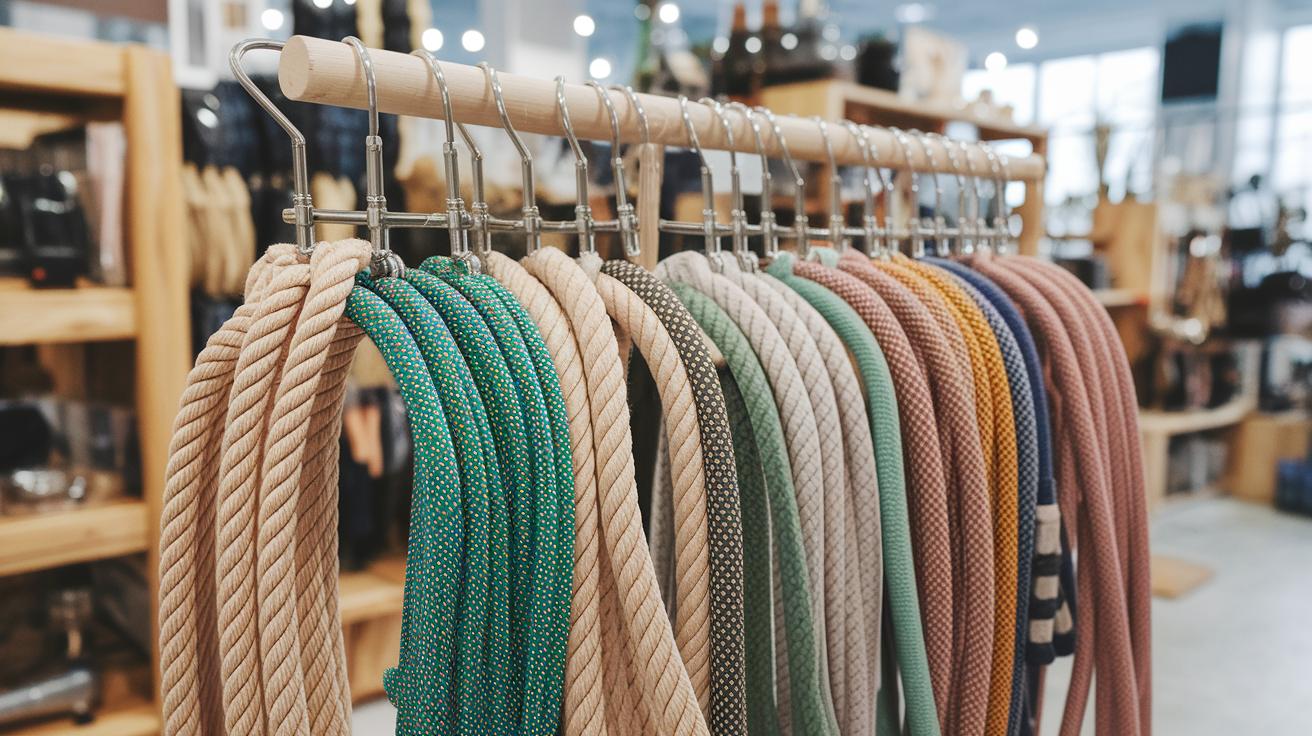
- Little Pine: Priced at 35 CAD and crafted from repurposed climbing rope, this leash turns old climbing gear into a tough, eco-friendly accessory for your pet.
- Wild One: At 58 USD, it uses high-quality fabric with supportive stitching and even donates a bit to pet rescues while catering to small breeds.
- The Good Dog Company: For 19.99 USD, enjoy a leash made from a mix of hemp and organic cotton (all-natural fibers that keep chemicals at bay) for a truly sustainable choice.
- The Wolf Nest: Coming in at 61 USD, this hand-knotted cotton blend leash is made with careful, artisanal techniques that help reduce waste.
- If It Barks: Priced at 33 USD, it features USA-sourced materials with a reflective finish that boosts safety when it’s dark, without using harsh chemicals.
- Found My Animal: With a price that varies, this leash made from US-manufactured nylon rope even sports an adoption awareness tag, supporting local production.
- Noggins & Binkles: Also priced variably, their leash is built with vegan cork leather and Pinatex, using cruelty-free materials to celebrate sustainable innovation.
Choosing the right eco-friendly leash really depends on your pet’s adventures. If your furry friend loves rugged hikes or long outdoor excursions, options like Little Pine or The Wolf Nest deliver durability with a green twist. Urban pet parents might lean toward the sleek lines of The Good Dog Company or the clever style of Noggins & Binkles for a blend of comfort and thoughtful design. And when it comes to training sessions or low-light walks, the reflective features of If It Barks add just the right touch of safety. No matter if your pet is dashing through parks or simply strolling downtown, there’s an eco-leash here that keeps them secure, comfy, and kind to our planet.
Final Words
In the action, we covered key factors when shopping for eco-friendly leashes, from choosing hemp, cork, or upcycled options to checking certifications and performance details. Each section offered a glimpse into how materials, durability, and pricing affect your smart picks.
Sustainable pet leashes buying tips help you balance eco-credentials with everyday use, making green pet care simple and fun. Enjoy making choices that spark joyful walks and healthier habits.
FAQ
What sustainable pet leash buying tips are available in the USA?
Asking about sustainable pet leash tips in the USA means using eco-friendly materials like hemp or recycled options, checking shipping costs, and verifying eco-certifications to support a green, safe purchase.
What are the benefits of hemp dog collars and non-toxic dog collars?
Inquiring about hemp and non-toxic dog collars highlights that these options reduce harmful chemicals and support eco-friendly practices while providing durable, comfortable, and sustainable choices for your pet.
How do I choose the right dog leash?
Asking how to choose the right dog leash means comparing durability, eco-impact, certifications, and fit for your dog’s size and activity level to ensure a balance between performance and sustainability.
Do vets recommend collars or harnesses?
Asking whether vets recommend collars or harnesses reveals that many veterinarians lean toward harnesses for improved control and safety, particularly for dogs that tend to pull or have breathing issues.
What is the best material for dog leashes?
Asking what the best material for dog leashes involves comparing options like hemp, cork, and organic cotton blends, which offer strength, sustainability, and a lower impact on the environment than synthetic alternatives.
What is the color code for leashes?
Asking about the color code for leashes means noting that while some brands use colors to indicate size or functionality, there isn’t a universal standard. Always refer to each brand’s guidelines for details.