

Ever wonder if a kind word can make training a joyful day? Picture your pup's eyes lighting up every time you say "Great job!" Positive pet training means giving quick rewards and warm praise to build trust and simple rules. It turns training into playtime, creating a happy bond you both enjoy.
Here, we'll share three tips that make each training moment feel like a celebration. Have you ever noticed how a cheerful tone can brighten your pet's day? Get ready for a heartfelt approach that deepens the connection you share with your furry friend.
Bond-Building with Positive Pet Training Tips
Positive pet training is all about using kind rewards to nudge your pet toward good habits. When you praise them right away or offer a tasty snack (a little reward that shows them they did well), you build trust and make the rules clear. Imagine saying, "Great job!" the moment your pet sits nicely. It’s like giving them a warm high-five that says, "I see you!"
These friendly techniques make training feel like playtime. Picture this: each time your dog comes when called, you treat them to a crunchy bite. Knowing that good behavior brings instant rewards makes even a calm walk feel special. It lowers stress and turns every training moment into a mini celebration for both of you.
Here are three fun tips to create a lasting bond:
| Tip | Description |
|---|---|
| Reward Immediately | Give a treat or praise right after your pet does something good. |
| Keep Sessions Short | Keep it playful and brief so your pet stays interested. |
| Minimize Distractions | Choose a quiet spot for training to help your pet focus. |
Each tip makes training more enjoyable and builds a deeper connection. Tailor your approach to match your pet’s personality and learning style, and you’ll see their confidence grow with every small win. Have you ever noticed how a kind word can change your pet’s whole day? Embrace these positive moments, and let each reward be a step toward a stronger, loving bond.
Core Principles of Positive Pet Training for a Lasting Bond
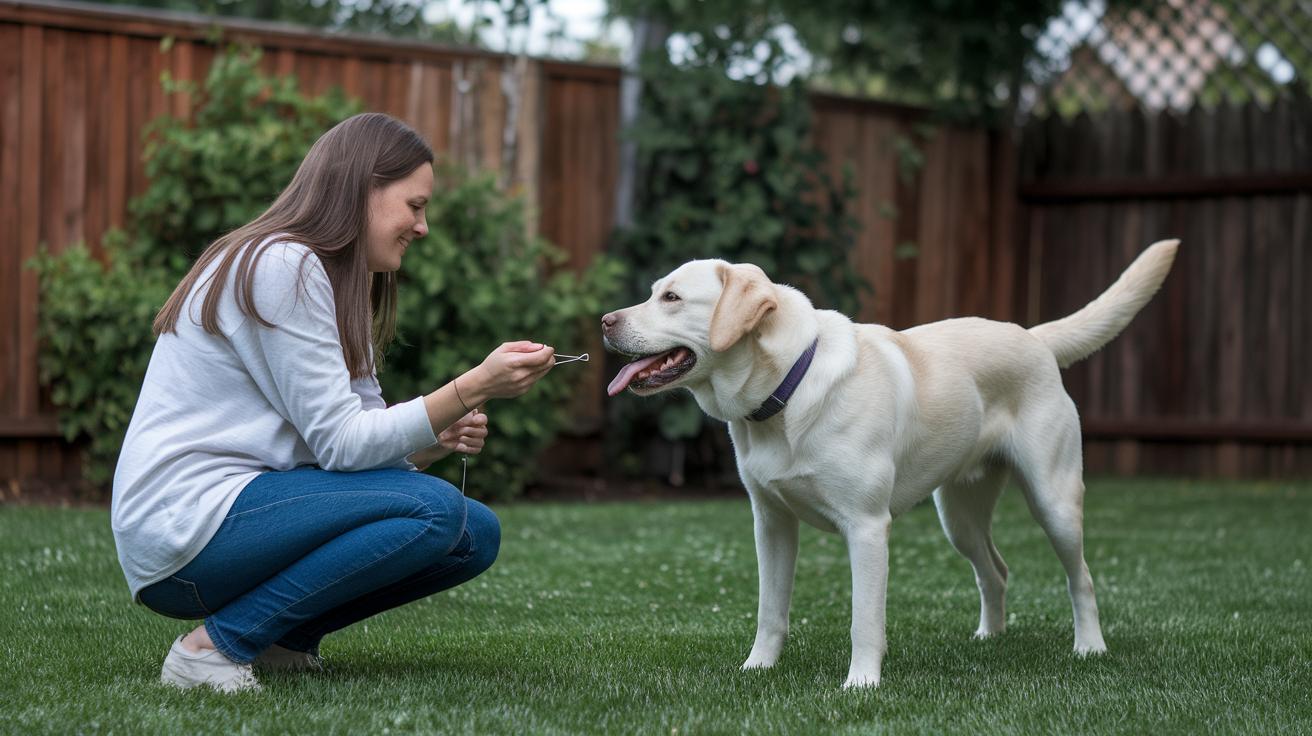
Research shows that pets really thrive when their training is customized to fit their own personalities. For example, studies have found that short, personalized sessions can lower a pet’s stress and spark more lively, happy behavior. Think of a playful Labrador who once had trouble focusing, until his owner shortened training sessions and used gentle hand signals. Suddenly, learning became both natural and fun.
-
Tip 1: Personalize Session Length and Cues
If your pet loses focus easily, try breaking up training into brief sessions and using specific signals. Remember Max, the curious terrier? He only responded when his owner used a soft whistle combined with a light hand tap. Changing his approach turned training into a fun, rewarding game. -
Tip 2: Integrate Instant, Reward-Based Feedback
Pair clear instructions with immediate treats and praise. Imagine the smile on your face when you say "Good job!" right as your pet obeys a cue. It’s like sharing a sunlit moment in your backyard where every little success deepens your bond. -
Tip 3: Introduce New Cues Backed by Recent Research
New studies hint that pets may respond well to unique signals like a gentle clicker sound. In fact, research shows a clicker can turn hesitation into eager participation, almost like using a secret code that sparks joy.
By tuning training to match your pet’s unique personality and learning style, you not only make sessions more effective but also build a connection that lasts a lifetime.
Reward Systems and Clicker Session Fundamentals in Positive Pet Training
When you reward your pet right away, it helps them understand that their good actions lead to something pleasant. For example, give a treat or a quick click just after your pet sits. That click acts like a cheerful high-five, celebrating their success in that moment. One neat trick is to combine the click with a tasty treat when your pet comes to you. It’s a fun and clear way of showing them the connection between their actions and the positivity that follows.
-
Reward on time
Treats and kind words are most effective when given immediately after your pet does something right. This quick reward tells them, in a clear and friendly way, that their behavior is spot on.
Example: Say, "Good job!" right after your pet follows a cue, just like giving them a nod and a smile. -
Consistency from everyone
Make sure everyone in the family or caregiving team uses the same cues and rewards. This creates a dependable message for your pet about which actions get praised.
Example: When every caregiver clicks or says a kind word at the exact same moment, your pet learns quickly that good behavior always brings rewards.
It’s also helpful to gently steer your pet away from unwanted habits by guiding them toward actions that earn these clear signals. Each training session becomes a chance to build positive connections and steady progress, making the entire experience joyful for both of you.
Interactive Bonding Activities to Strengthen Your Pet Connection

Every pet parent knows that a little play can turn an ordinary day into a warm, memorable moment. When you carve out time for a fun game, your pet starts to see training as an enjoyable and rewarding part of life. Picture tossing a ball during a quick break and seeing your pet’s face light up, that smile is the best reward. Try saying, "Throw the ball and come back!" with lots of cheer, and you’re not just playing; you’re blending fun with learning.
Here are three simple ideas to try:
-
Playful Tug and Fetch
Grab a tug toy or a ball and get moving for a fast-paced game. It helps boost your pet’s energy while building trust through shared fun. It’s like having a mini workout that leaves both of you smiling. -
Puzzle Toy Time
Hand over a treat-filled puzzle toy and let your pet figure it out. When they solve the puzzle, give them a warm pat and a kind word. Think of it as a tasty treasure hunt that also gets their mind working in a playful way. -
Casual Quality Interaction
Sneak in little moments of gentle petting during your favorite TV show or while brushing their fur. A soft massage paired with kind words reassures your pet and deepens your bond. It’s all about those small, quiet moments that say, “I care.”
These playful activities bring learning and love together. Every game builds trust and makes each moment with your pet even more delightful. Enjoy turning routine time into lively sessions of care and connection.
Managing Behavioral Challenges with Compassionate Guidance
Sometimes our pets act in ways we don’t like. When that happens, a kind, gentle redirection works best. Try to guide your furry friend toward good behavior instead of using punishment. For example, if your dog starts nibbling on the furniture, calmly show them an approved chew toy and praise them when they interact with it nicely. This helps your pet understand that good behavior leads to happy rewards.
Here are a few simple steps to tackle common issues like barking, pulling on the leash, or guarding their toys:
- Notice early signs of fussiness or anxiety.
- Gently offer an alternative behavior. If your pet pulls on the leash, lead them a few steps the other way.
- Praise them right away when they make a small change. A quick “Good job” goes a long way.
- Keep practicing this method to build their understanding and confidence.
Using this kind approach lets every little success lift your pet’s spirits. Imagine your pet feeling safe enough to try new things without worrying about a scold. This warm, caring redirection not only helps reduce stress but also strengthens the special bond you share.
Creating a Consistent, Stress-Free Environment for Ongoing Success

Think of your pet's training spot as a special retreat, a quiet, cozy nook free of distractions. Picture a small area with gentle light and soft sounds that instantly tells your pet it's time to relax and focus.
Instead of overusing the same cues and rewards, let this space naturally boost your pet's calm and confidence. Imagine a quick, gentle trick recap right after a meal in that peaceful corner. It mixes a calm setting with fun learning without feeling like you're just repeating yourself.
Sometimes, mix things up a bit without throwing off the routine. Maybe switch in a new mat or keep their favorite toy in place to add a little variety.
| Environmental Factor | Practical Example |
|---|---|
| Quiet space | Choose a peaceful corner with soft lighting |
| Consistency | Stick with the same setup for training |
| Mini-sessions | Practice a quick, calm recall after meals |
This fresh approach blends a stress-free setting with little tweaks that set the stage for smooth, ongoing success.
Advanced Positive Pet Training: Personalized Plans for Growing Needs
Training your pet can evolve as they grow. Begin with puppy basics like socializing or simple commands, and then gradually add more advanced exercises. Picture your little terrier starting with a "sit" command using a treat, then moving on to fun tricks like a playful spin during off-leash time. Each new move builds on the last, making progress feel exciting and natural.
-
Tip 1: Tailor training sessions to your pet’s pace
Adjust each session based on your pet’s breed and age. For example, if your older dog seems ready to learn something new, try adding a simple puzzle to their routine. It's like taking one small, fun step at a time. -
Tip 2: Introduce progressive skill challenges
Start inserting new tricks or off-leash activities slowly. Imagine a calm command that soon turns into a playful game. This not only keeps your pet engaged but also builds their confidence, making every session feel like a mini celebration. -
Tip 3: Strengthen your bond through dynamic interactions
Spend some quality one-on-one time at home to refine behaviors. Working together on new challenges deepens the connection between you and your pet while making training feel like a shared adventure.
Final Words
In the action, we explored how reward-based methods and gentle rewards build trust and create a lasting bond with your pet. We talked about clear cues, personalized sessions, and fun interactive games to deepen connection. You learned how stress-free conditions and compassionate guidance can reshape behavioral challenges. All these insights add up to simple and effective positive pet training and bonding tips that make pet care a joy every day. Keep practicing and enjoy every moment with your furry friend.
FAQ
Q: What do the 5 D’s, 3 P’s, and 3 C’s of dog training represent?
A: These frameworks serve as handy reminders to use clear commands, reward positive actions, maintain consistency, and show compassionate care—each key to creating a stress-free, trust-building training experience.
Q: What are positive methods of dog training?
A: Positive dog training uses rewards like treats, praise, or a clicker right after a good behavior. This approach builds trust, eases anxiety, and keeps training fun for both you and your pet.