
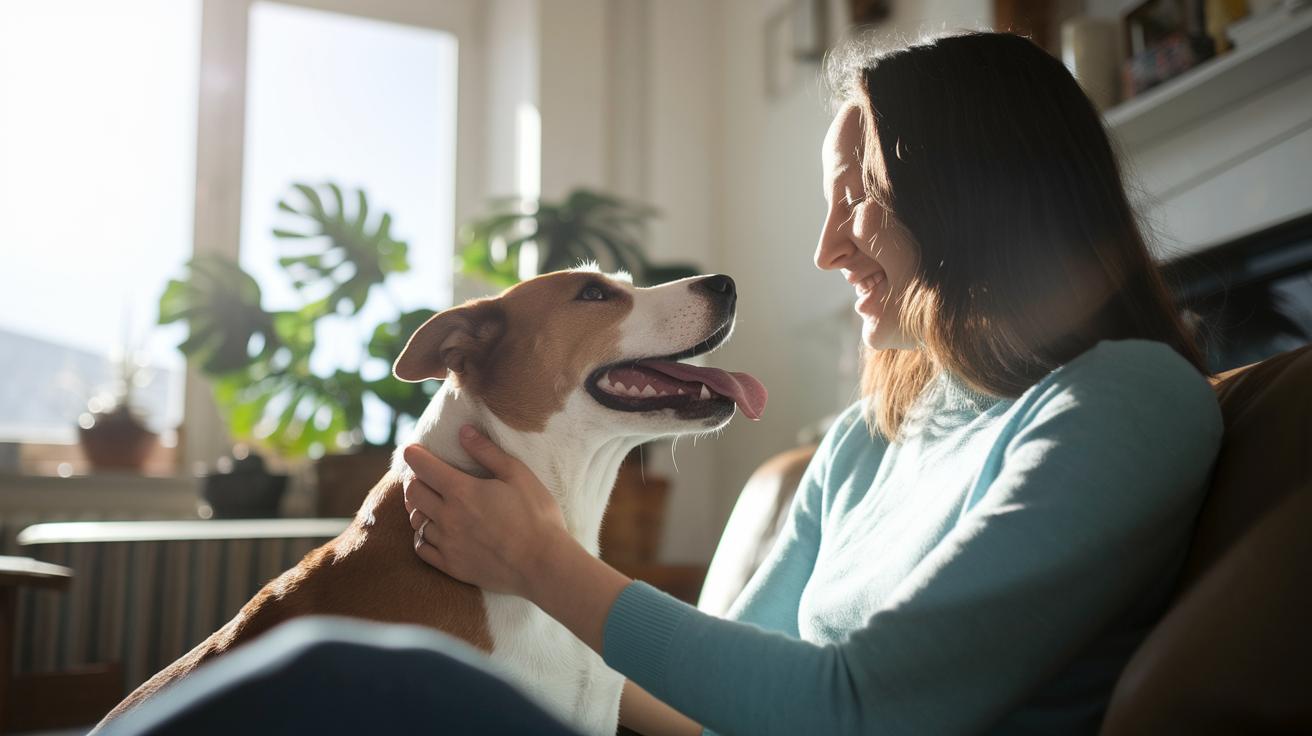
Have you ever noticed how one simple word can brighten your pet's day? When you say that magic word, it's like watching their tail swing happily. Used just right, praise becomes a fun tool that makes training feel like a game. Pair it with a yummy treat, and your pet quickly learns that kind words bring delightful surprises. This little trick builds a bond full of trust and love that makes every training moment something to smile about.
Pairing Praise with Primary Rewards in Positive Pet Training
When you’re training your pet with plenty of love, it really helps to know about primary and secondary rewards. A primary reward is something your pet craves, a yummy treat, a gentle pat, or a few minutes of play. On the other hand, a secondary reward, like a cheerful “Yes!” or a click from your clicker, only gets special when it’s linked with those big, tasty rewards. Imagine your pet’s ears perking up every time they hear their favorite word, knowing something good is on the way.
Keep it simple and consistent. Every time your pet does something you like, say your marker word clearly and follow it up with a high-value treat right away. This way, your pet quickly learns that a kind word means a delicious surprise is coming. It’s a little like how a wagging tail tells you, “I know something fun is happening!”
Real-life examples show that pets, especially dogs, start associating that sound of praise with an immediate delight. Just be sure to always back up your praise with an actual reward, especially in the early days of training. With regular pairing, your pet builds a strong connection between the sound of your voice and the treat, making your training sessions both fun and effective.
Praise Timing and Consistency in Positive Pet Training

When your pet gets it right, let them know immediately with a simple marker word like "Yes!" paired with a yummy treat. Think of that word as a secret high-five that tells your pet, "You did great!" The treat follows right on cue, making the connection clear.
Here are some easy tips to keep it consistent:
- Praise within one second of the action.
- Always use the same marker word.
- Keep your tone upbeat and happy.
- Don’t let any delays sneak in between the action and the reward.
- Finish every session with encouraging words.
By matching that special word to a tasty reward, your pet quickly learns that good behavior means something delightful is coming their way. This fun, rewarding approach not only makes them feel appreciated but also helps build a stronger bond between the two of you.
Phasing Out Treats: Reinforcement Schedules in Praise-Based Training
When your pet picks up a new trick using those irresistible, high-value treats, it’s a perfect moment to start blending in more praise. The goal is to help your furry friend stick with the behavior even without a steady supply of treats. You do this by offering treats every now and then along with a lot of upbeat praise, so your pet stays excited and motivated while keeping their calorie intake in check. This fresh approach builds on the strong training foundation where treats played a big role.
| Phase | Description | Treat Frequency | Praise-Only Frequency |
|---|---|---|---|
| Acquisition | Learn new cue with high-value treats | 100% | 0% |
| Fading | Reduce treats gradually | 50% | 50% |
| Maintenance | Sustain behavior with praise | 20% | 80% |
Keep an eye on how your pet is doing as you tweak the reward plan. Notice if they get just as excited with more praise and fewer treats. If they seem less thrilled or a little confused, it might be best to slow the change a bit. Adjust the mix of treats and praise based on what feels right for your pet, ensuring that every training moment stays fun and filled with genuine encouragement.
When to Use Praise Alone vs Mixed Rewards in Pet Training
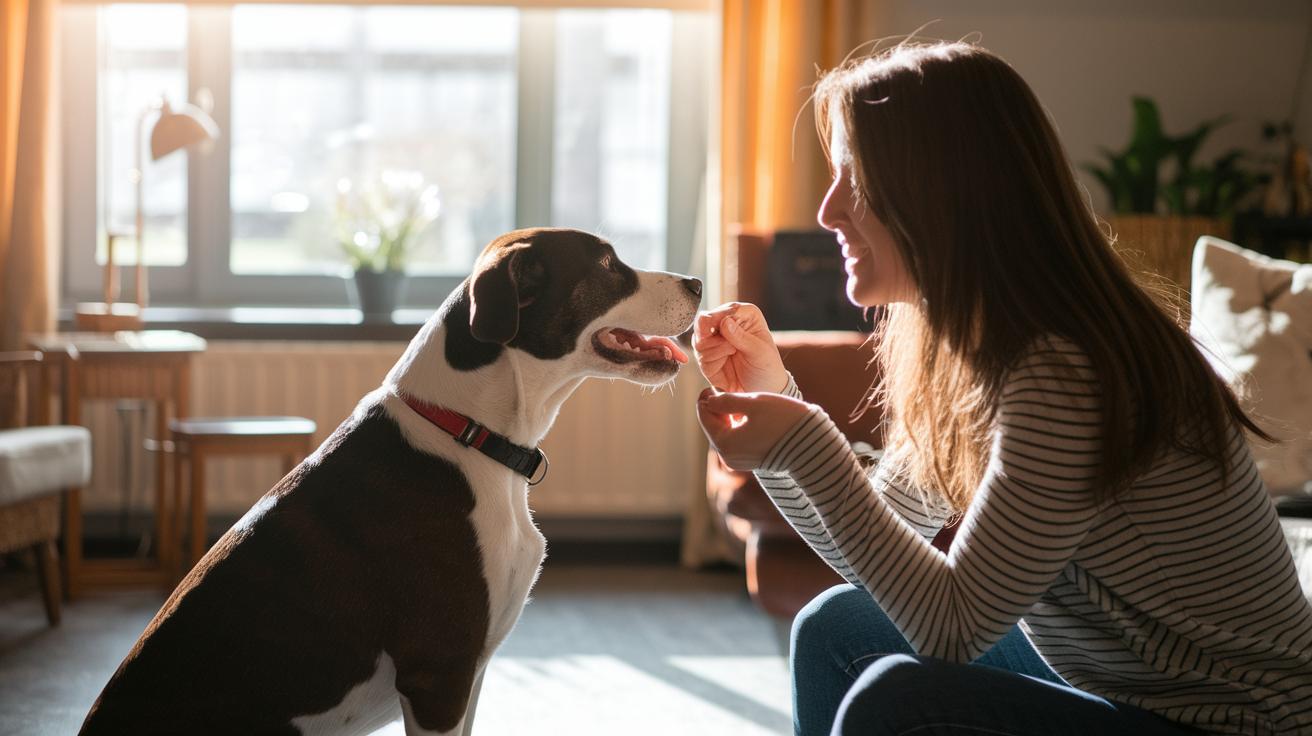
If you're teaching simple commands in a quiet space, using just your voice works like a charm. Picture yourself relaxing in the living room while your pet perks up at your cheerful "Yes!" This kind of praise clearly tells them they've done something right, whether they're sitting, staying, or coming when called.
In busy or energetic settings, a little extra boost can really help. Imagine you're at a lively park and your pet is trying out a new trick. Combining that happy verbal cue with a small treat or a bit of play makes the training fun and keeps your pet focused, even amidst distractions. This mix works best for more challenging behaviors or high-energy activities.
Finding the right blend is key to keeping your pet engaged over time. Many pets love hearing your encouraging words while also enjoying a tasty reward. By gradually combining both forms of praise, you create a motivating training environment that suits your pet's unique style. Adjust your rewards based on what your furry friend enjoys and the setting, and training will always be fun and effective.
Common Pitfalls in Using Praise Effectively in Positive Pet Training
Habituation from Overpraising
If you praise your pet all the time without an extra treat or reward to back it up, they might start to take it for granted. Think about saying "Yes!" for every little thing, even if it isn’t really a big deal. Pretty soon, that cheerful word loses its sparkle. Your pet might stop connecting that special word with a job well done.
Reward–Pet Preference Mismatch
Sometimes, the reward you choose doesn’t match what your pet loves most. For instance, if your dog is all about tasty treats but you give only a soft pat when they follow a command, the reward just isn’t enough. Try tuning your praise to offer what your pet really craves, a yummy bite, an extra cuddle, or a fun play session will make their day.
Inconsistent Delivery
It can be confusing for your pet when your praise isn’t steady. Changing your tone or waiting too long to say "Yes!" might blur the connection between the good behavior and the reward. Keeping your praise upbeat and right on time helps your furry friend make that clear link every time they do something great.
Customizing Praise to Your Pet’s Unique Motivations

Every pet has its own spark. Start by watching your furry buddy and figuring out what makes their eyes light up. Maybe it’s a tasty treat, a warm pat, or the chance to chase after a toy. Some pets perk up the moment they see that favorite plaything, while others just melt into a contented cuddle. Pay attention to these little signals, and let them guide how you celebrate their good behavior.
Mixing things up with different senses can make your praise even more special. Say something cheerful like “Yes!” while giving a gentle pet or tossing their beloved toy in the air. Imagine the soft sound of your encouraging voice paired with a reassuring touch. This way, your pet learns to link your kind words with a comforting physical cue, making the training moment even more memorable.
Finally, think about how you deliver your praise. A soft, warm tone might soothe a shy pet, whereas a lively cheer can fire up a playful one. Experiment a bit, maybe try a gentle “Good job!” with a bright, friendly smile. It might be just the right touch that shows your pet they’re truly loved and celebrated.
Long-Term Benefits of Praise in Positive Pet Training
Using praise often in training not only helps your pet learn faster but also brings you closer together. When you share a kind word right after a correct action, your pet picks it up quickly and builds trust. This simple act turns practice into a warm little moment of connection that your pet really enjoys.
A regular routine of praise helps keep stress low and moods high. It’s like giving your pet a gentle pat on the head that calms them down and fills them with happy energy. When anxiety fades, a more relaxed and cheerful pet makes everyday life a bit brighter.
Making praise a key part of your training lays a strong foundation for lasting good behavior. As your pet grows, those encouraging words keep them motivated, and good habits stick around. Over time, your ongoing recognition deepens your bond, guiding both of you toward a life full of joyful moments together.
Final Words
in the action, we explored pairing verbal praise with primary rewards, pinpointing timing and consistency to make training fun and clear. We shared easy steps to shift from treats to praise alone while tailoring techniques that match your pet’s spirit. Our guide shows that using praise effectively in positive pet training builds confidence and strengthens bonds. Every tip aims to help your pet thrive and feel loved. Enjoy these ideas and watch your furry friend shine with joy.
FAQ
Can you train a dog with praise?
Training a dog with praise is effective when you pair positive words with treats, petting, or play. This method reinforces good behavior and builds a happy learning environment.
What are the 5 D’s of dog training?
The five D’s aren’t outlined here. Instead, focus on clear, consistent methods such as pairing praise with rewards, using immediate feedback, and applying reinforcement schedules to shape behavior.
What are the three P’s of dog training?
The three P’s of dog training likely refer to Praise, Patience, and Persistence. Using these principles helps give clear feedback, allows gradual learning, and builds lasting positive habits.
What is an example of positive reinforcement in dog training?
An example of positive reinforcement is delivering a cheerful “Yes!” along with a treat or petting immediately after your dog follows a cue. This clearly rewards the behavior, encouraging your dog to repeat it.